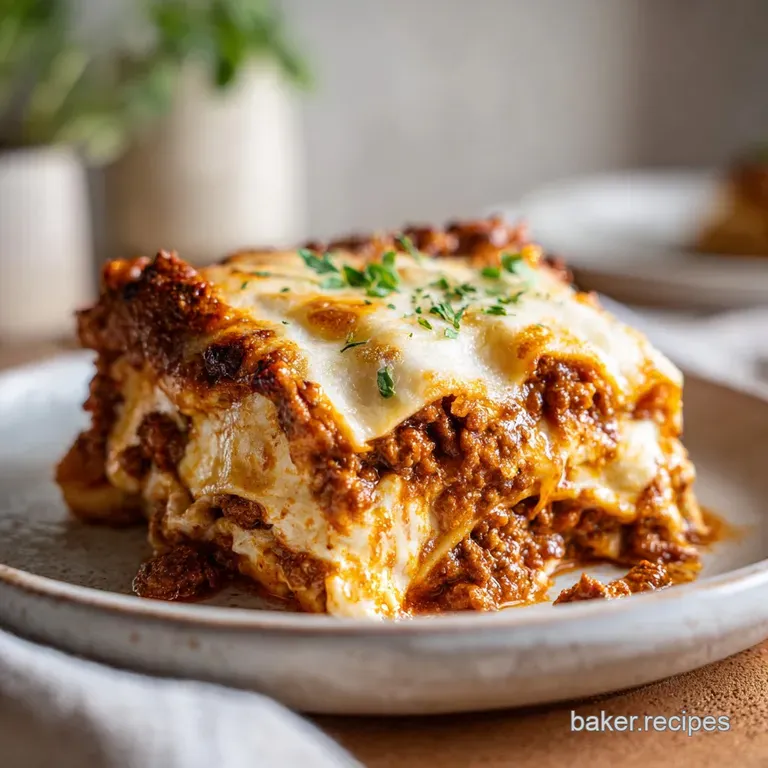
Crockpot Lasagna: Beef and Ricotta Layers
- Time: Active 20 minutes, Passive 240 minutes, Total 260 minutes
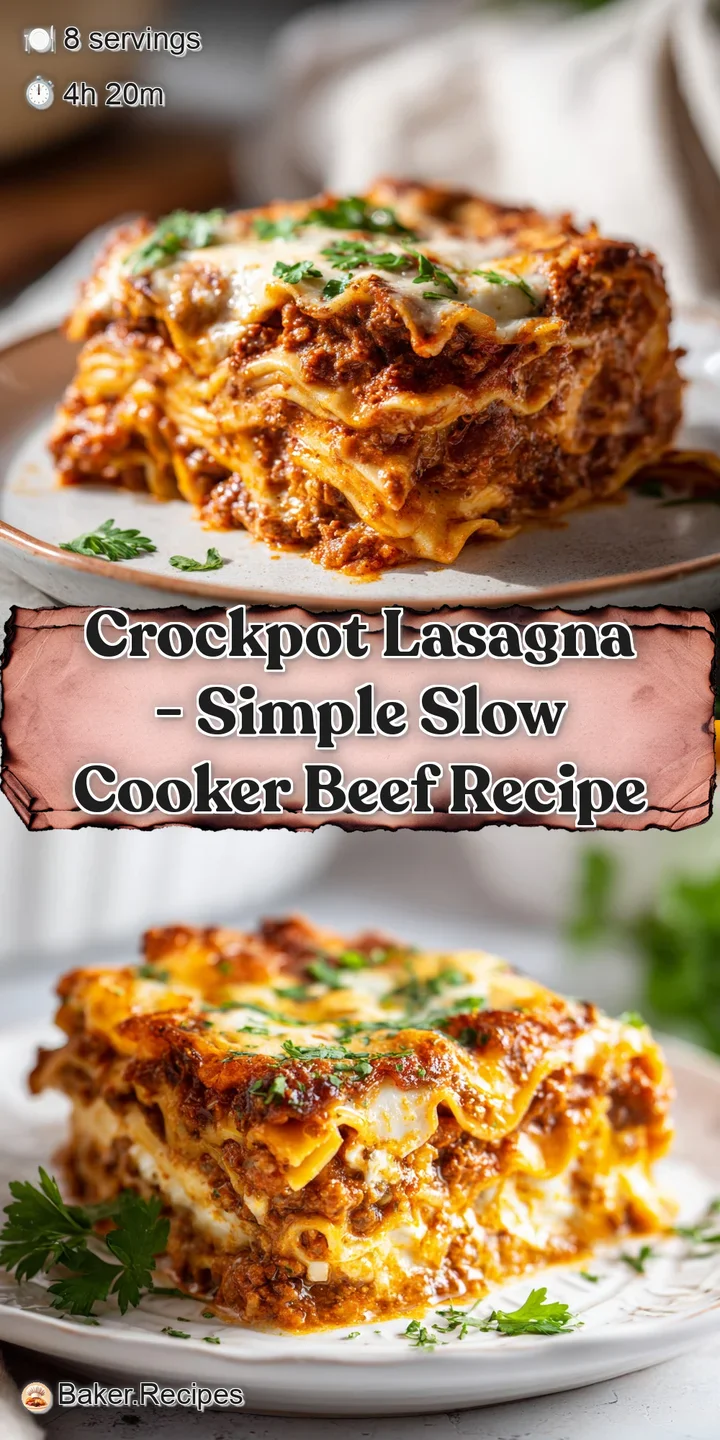
- Flavor/Texture Hook: Velvety ricotta layers with a savory, browned beef sauce.
- Perfect for: Stress free Sunday family dinners or easy meal prep.
- Simple Crockpot Lasagna for Busy Weeknight Dinners
- The Secret to Non Mushy Slow Cooked Pasta
- Key Numbers for Your Slow Cooker Success
- Pantry Staples for a Rich Meat Sauce
- Essential Tools for a Mess Free Kitchen
- Step-By-Step Guide to the Perfect Layer
- Fixing Common Slow Cooker Pasta Problems
- Creative Ways to Customize Your Lasagna
- Storing and Reheating Your Leftover Lasagna
- Best Sides to Serve With Your Meal
- CRITICAL: Very High in Sodium
- Recipe FAQs
- 📝 Recipe Card
Simple Crockpot Lasagna for Busy Weeknight Dinners
Picture this: it is a Tuesday afternoon, the sky is that bruised purple color that promises rain, and you still have two hours of work plus a gym session ahead of you. Usually, the thought of layering a pasta dish would be a total non starter.
But today, the kitchen smells like a high end Italian trattoria because you spent twenty minutes this morning getting everything into the slow cooker. There is something deeply satisfying about walking through the door and being greeted by the scent of garlic and simmering beef rather than the stress of "what's for dinner?"
I used to be a total skeptic about pasta in a slow cooker. I assumed it would just turn into a sad, beige mush. My first attempt was, frankly, a disaster because I used too much water and the wrong noodles.
But after learning how the steam behaves inside that ceramic pot, I realized that this method actually produces a much silkier texture than the oven ever could. The noodles absorb the sauce slowly, becoming tender without the crispy, sometimes jagged edges you get in a traditional bake.
This version is built for real life. We are using no boil noodles because they are a literal lifesaver, and we are skipping the heavy lifting of a multi pot stovetop process. It is about maximum flavor with minimal tools.
You’ll get those distinct, beautiful layers and a cheese pull that actually stretches, all while you were busy doing anything else. Trust me, once you see how that mozzarella turns bubbly and golden around the edges of the crock, you’ll never go back to the oven on a weeknight.
The Secret to Non Mushy Slow Cooked Pasta
The Steam Bed: Placing 1.5 cups of sauce at the very bottom creates a protective moisture barrier that prevents the bottom layer of noodles from scorching or sticking to the ceramic.
Structural Binding: The addition of a beaten egg to the ricotta acts as a thermal stabilizer, ensuring the cheese layer sets firmly rather than weeping liquid into the pasta.
Starch Hydration: No boil noodles are thinner and pre gelatinized, allowing them to fully hydrate using only the ambient moisture from the marinara and bone broth without becoming waterlogged.
Collagen mouthfeel: Using beef bone broth instead of water adds natural gelatin, which creates a velvety sauce that clings to the noodles rather than pooling at the bottom.
| Cooking Method | Active Time | Texture Profile | Best For |
|---|---|---|---|
| Crockpot | 20 minutes | Velvety, uniform, ultra tender | Hands off busy days |
| Traditional Oven | 50 minutes | Crispy edges, browned top | Weekend entertaining |
| Stovetop Skillet | 15 minutes | Broken pieces, rustic, chunky | Emergency 20 minute meals |
Using the slow cooker method changes how we think about heat. In an oven, the heat is aggressive and dry, coming from the air around the dish. In a crockpot, the heat is conductive, moving from the ceramic walls directly into the sauce.
This gentle approach is why the "low and slow" timing works so well for pasta it’s essentially a very controlled braise.
Key Numbers for Your Slow Cooker Success
| Component | Science Role | Pro Secret |
|---|---|---|
| 1.5 lbs Ground Beef | Provides the primary fat and protein structure. | Brown it until "deep brown edges" form for maximum savoriness. |
| 0.5 cup Bone Broth | Adjusts the sauce viscosity for noodle absorption. | Use bone broth over water to add a silky mouthfeel and extra nutrients. |
| 15 oz Ricotta | Creates the creamy, contrasting mid layer. | Always use whole milk ricotta to prevent a grainy or "sandy" texture. |
| 9 oz Oven Ready Noodles | Acts as the structural scaffolding of the dish. | Snap them into irregular pieces to fit the oval shape of your slow cooker. |
The interaction between the no boil noodles and the 48 oz of marinara sauce is the most critical part of this equation. No boil noodles are designed to absorb liquid. If your sauce is too thick, the noodles stay crunchy; if it's too thin, the whole thing becomes a soup.
The addition of exactly 0.5 cup of beef bone broth is the "magic number" that provides just enough extra hydration for the pasta to reach that perfect al dente state while the sauce reduces down to a rich, thick consistency.
If you find yourself frequently making sauces from scratch, you might notice that this easy Crockpot Meat Sauce follows a similar logic of slow reduction. It’s all about letting the ingredients get to know each other over several hours rather than forcing them to cooperate with high heat.
Pantry Staples for a Rich Meat Sauce
- 1.5 lbs ground beef chuck (80/20): Why this? The 20% fat content ensures the meat stays juicy during the long cook time.
- Substitute: Ground turkey (93/7), but add 1 tbsp olive oil to compensate for lower fat.
- 1 small yellow onion, finely diced: Why this? Provides a foundational sweetness and aromatic base for the beef.
- Substitute: 1 tsp onion powder if you are in a massive rush, though fresh is better.
- 3 cloves garlic, minced: Why this? Essential for that classic Italian aroma that permeates the entire house.
- Substitute: 0.5 tsp garlic powder, but the flavor won't be as "bright."
- 1 tsp kosher salt & 0.5 tsp cracked black pepper: Why this? Fundamental seasoning to draw out the flavors of the beef and onion.
- Substitute: Sea salt, but use slightly less as the grains are finer.
- 48 oz high-quality marinara sauce: Why this? The bulk of your flavor comes from here; choose a brand you love.
- Substitute: Crushed tomatoes with 1 tbsp dried Italian seasoning and a pinch of sugar.
- 0.5 cup beef bone broth: Why this? Adds depth and the necessary liquid for the noodles to hydrate.
- Substitute: Vegetable broth or even water in a total pinch, but flavor will be thinner.
- 15 oz whole milk ricotta cheese: Why this? Provides the creamy, velvety white layers that define a lasagna.
- Substitute: Small curd cottage cheese (drain it first to avoid excess water).
- 1 large egg, beaten: Why this? The binder that keeps the cheese layer from running into the sauce.
- Substitute: 2 tbsp heavy cream, though the layer will be much softer.
- 0.25 cup fresh parsley, chopped: Why this? Adds a necessary pop of freshness to cut through the heavy fats.
- Substitute: 1 tbsp dried parsley, though the color won't be as vibrant.
- 3 cups low moisture mozzarella, shredded: Why this? High meltability without releasing too much water into the dish.
- Substitute: Provolone or Monterey Jack for a different but equally meltable profile.
- 0.5 cup freshly grated Parmesan Reggiano: Why this? Adds a salty, nutty "punch" that mozzarella lacks.
- Substitute: Pecorino Romano for a sharper, saltier kick.
- 9 oz oven ready (no boil) lasagna noodles: Why this? Specifically engineered to cook in the sauce without pre boiling.
- Substitute: Standard noodles (boiled for only 4 mins first) if no boil aren't available.
Essential Tools for a Mess Free Kitchen
To get this on the table with zero stress, you really only need a few basics. First and foremost is a 6 quart slow cooker. This size is the "sweet spot" because it allows for enough surface area to create significant layers without the lasagna being so deep that the middle doesn't cook through.
If you use a smaller 4 quart model, you'll end up with more layers, but you might need to increase the cook time by 30 minutes to ensure the core is hot.
A large skillet is necessary for browning the beef. I prefer a heavy bottomed one, like a Lodge cast iron or a high-quality stainless steel, because it holds heat better. This is crucial for getting those "deep brown edges" on the beef chuck.
If your pan is too thin, the meat will steam in its own juices rather than searing. You’ll also want a medium mixing bowl for the ricotta blend and a sturdy spatula for the layering process. Honestly, that’s it fewer dishes mean more time to actually enjoy the meal.
step-by-step Guide to the Perfect Layer
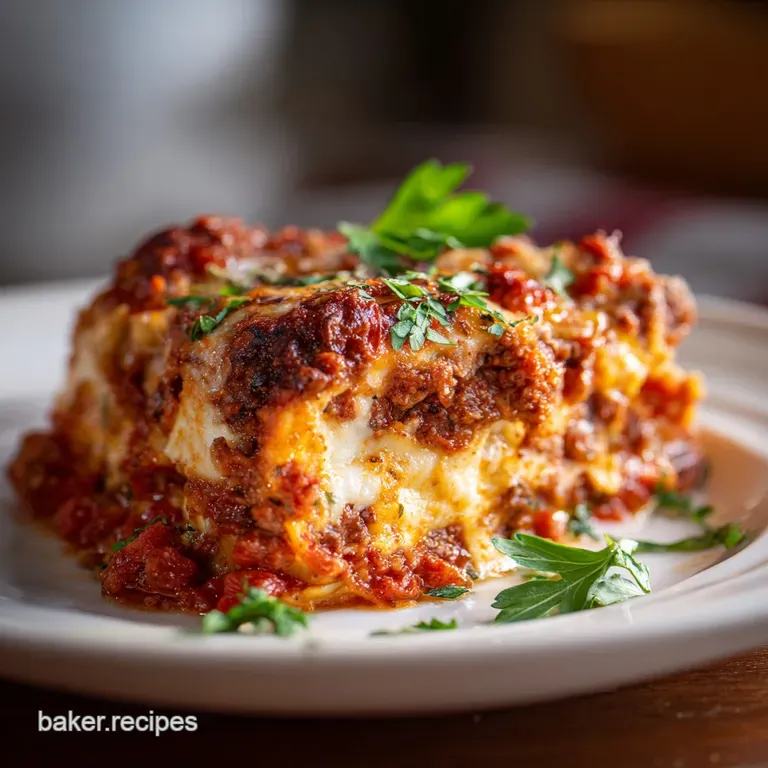
- Brown 1.5 lbs ground beef in a large skillet over medium high heat until deep brown edges form. Note: This browning is where the "meaty" flavor actually develops.
- Toss in the diced onions and minced garlic during the last 3 minutes of browning until the onions are translucent and fragrant.
- Drain every bit of excess grease from the skillet to ensure your lasagna isn't oily.
- Stir in 48 oz marinara sauce and 0.5 cup beef bone broth until you have a loose, pourable meat base.
- In your medium bowl, whisk the egg and fold in 15 oz ricotta, 0.25 cup parsley, and half of the Parmesan until it looks like a thick, speckled cream.
- Spoon 1.5 cups of meat sauce into the bottom of the 6 quart slow cooker until the entire bottom is shielded.
- Lay down your first layer of 9 oz oven ready noodles, snapping them as needed until the sauce is mostly covered.
- Spread a third of the ricotta mixture over the noodles, then a handful of mozzarella, and a layer of meat sauce to build the first tier.
- Repeat the layers (noodles, ricotta, mozzarella, sauce) until you reach the top of the slow cooker.
- Top with the remaining mozzarella and Parmesan and cook on High for 4 hours (or Low for 6) until the cheese is bubbly and the noodles offer no resistance to a knife.
Fixing Common Slow Cooker Pasta Problems
Why Your Lasagna is Watery
If you open the lid and see a pool of liquid, it’s usually because of the vegetables or the cheese. Onions release a lot of water as they break down, which is why browning them first is so vital. Another culprit is using "fresh" mozzarella (the kind stored in water) instead of "low moisture" shredded mozzarella.
Fresh mozzarella is beautiful on pizza but will turn a slow cooker lasagna into a soup.
Why the Edges are Crunchy
This usually happens if the noodles aren't fully submerged or touched by sauce. The "no boil" noodles need direct contact with moisture to soften. When you are snapping those noodles to fit the oval shape of the crockpot, make sure you don't have large gaps where the noodles are just sitting in dry air.
| Problem | Root Cause | Solution |
|---|---|---|
| Noodles are mushy | Cooked too long or too much broth | Stick strictly to the 4 hour High / 6 hour Low window. |
| Cheese is rubbery | Used pre shredded with too much cellulose | Grate your own mozzarella from a block for better melt. |
| Sauce is bland | Not enough salt in the beef browning | Season the beef heavily with that 1 tsp salt before adding sauce. |
Common Mistakes Checklist
- ✓ Don't skip the browning: Searing the beef provides the Maillard reaction that a slow cooker cannot replicate.
- ✓ Drain the fat: If you leave the grease in the skillet, it will separate in the crockpot and create an orange oil slick on top.
- ✓ Snap the noodles: Don't try to force whole rectangular noodles into an oval pot; snapping them ensures even cooking.
- ✓ The 15 minute rest: Let the lasagna sit with the lid off for 15 minutes before slicing; this allows the layers to "set" so they don't slide apart.
Creative Ways to Customize Your Lasagna
If you want to try an easy vegetarian crockpot lasagna, the swap is simpler than you think. Replace the ground beef with 1.5 lbs of chopped mushrooms (cremini work best) and a bag of baby spinach.
You'll want to sauté the mushrooms until they've released all their water and turned golden brown before adding the sauce. The mushrooms provide that "umami" hit that you usually get from the beef.
For those looking for a crockpot lasagna without ricotta, you can actually use a thick béchamel sauce or even a high-quality small curd cottage cheese. If using cottage cheese, I highly recommend pulsing it in a blender for 10 seconds first to get rid of the "lumpy" texture.
It ends up tasting remarkably similar to ricotta but with a slightly higher protein count.
| Original Ingredient | Substitute | Why It Works |
|---|---|---|
| Ground Beef (1.5 lb) | Lentils (2 cups, cooked) | Hearty texture. Note: Add 1 tsp smoked paprika for "meaty" depth. |
| Ricotta (15 oz) | Greek Yogurt (Plain, thick) | Tangy and creamy. Note: Use full fat to prevent curdling under heat. |
| No Boil Noodles | Large Cheese Ravioli | Skips layering steps. Note: Reduces cook time by 1 hour. |
If you enjoy the "set it and forget it" nature of this dish, you might also love a hearty Crockpot Chili recipe. Much like lasagna, chili benefits from that long, slow heat that allows spices to bloom and proteins to soften perfectly.
Storing and Reheating Your Leftover Lasagna
This dish is almost better the next day. The noodles continue to absorb the nuances of the sauce, and the cheese fully sets. You can store leftovers in an airtight container in the fridge for up to 4 days.
When reheating, I recommend a splash of water or a little extra marinara on top to keep it from drying out in the microwave.
For freezing, this lasagna is a champion. You can freeze individual slices wrapped tightly in foil and then placed in a freezer bag for up to 3 months. To reheat from frozen, it’s best to let it thaw in the fridge overnight and then bake it at 350°F (180°C) until the center is piping hot.
Zero Waste Tip: Don't throw away those broken noodle shards! If you have extra bits of no boil noodles that didn't fit into the layers, toss them into a container. Next time you make a vegetable soup, drop them in during the last 10 minutes of cooking for a quick "pasta fagioli" vibe.
Best Sides to Serve With Your Meal
Since this lasagna is quite rich and heavy on the cheese, you want sides that offer a bright, acidic contrast. A simple arugula salad with a sharp lemon vinaigrette is my go to. The peppery bite of the greens cuts right through the creamy ricotta and savory beef.
Another classic is garlic bread, but I like to do a "minimal tool" version by brushing thick slices of sourdough with olive oil and rubbing a raw garlic clove directly onto the toasted surface.
If you’re feeding a larger crowd and want something more substantial, a side of roasted broccoli with red pepper flakes provides a nice crunch and a bit of heat that complements the sweet marinara perfectly.
Why do the noodles stay firm?
The "no boil" variety is actually baked at a higher temperature during manufacturing, which makes them more resistant to overcooking. Because the slow cooker never reaches a rolling boil, the noodles hydrate through gentle osmosis rather than aggressive boiling, which preserves their structural integrity.
What makes the sauce so rich?
It’s all about the beef bone broth. Most people just use the jarred sauce, but the broth adds extra minerals and gelatin. As it cooks for 4 hours, that liquid reduces and emulsifies with the fats from the beef and cheese, creating a sauce that is significantly thicker and more "clinging" than a standard oven baked version.
The Maillard Myth
Many people believe you can't get "browned" flavors in a slow cooker. While the top won't get as crispy as an oven broiler, the browning happens during the initial skillet step. Searing the meat does not "seal in juices," but it does create complex flavor molecules that then season the entire sauce during the 4 hour slow cook.
Don't skip the skillet!
CRITICAL: Very High in Sodium
1420 mg 1420 mg of sodium per serving (62% 62% of daily value)
The American Heart Association recommends limiting sodium intake to no more than 2,300mg per day, aiming for an ideal limit of about 1,500mg for most adults.
Tips to Reduce Sodium in Your Lasagna
-
Choose Low-Sodium Broth-30%
Switching to low-sodium beef bone broth can significantly reduce sodium. You might also consider using water or a homemade unsalted broth.
-
Select Low-Sodium Marinara-20%
Opt for a low-sodium marinara sauce. Many brands offer reduced sodium versions that maintain flavor without the high salt content.
-
Reduce Parmesan Cheese-15%
Parmesan cheese is a concentrated source of sodium. Try using half the amount of freshly grated Parmesan Reggiano or opt for a lower sodium hard cheese.
-
Halve the Added Salt-25%
Reduce the added kosher salt by half. You can compensate for flavor by using other seasonings.
-
Boost with Herbs and Spices
Enhance flavor without salt by adding generous amounts of fresh or dried herbs like oregano, basil, thyme, and a pinch of red pepper flakes.
Recipe FAQs
Can you cook lasagna in a slow cooker?
Yes, it is highly effective. By using 1.5 lbs of ground beef chuck and following the 4-hour high or 6-hour low cook time, you achieve perfectly tender noodles and a cohesive structure.
What is the best meat for slow cooker lasagna?
Ground beef chuck with an 80/20 fat ratio is ideal. The fat content provides necessary flavor, but be sure to drain the excess grease after browning so your final dish doesn't develop an oily top layer.
Is cottage cheese or ricotta cheese better in lasagna?
Ricotta is the superior choice for this recipe. When combined with an egg and fresh parsley, it creates a rich, creamy binder that holds the layers together better than the more watery texture of cottage cheese.
Can you cook lasagne in a slow cooker with jar sauce?
Yes, you can use jarred marinara. Simply stir in 0.5 cups of beef bone broth to thin the sauce, which prevents the noodles from drying out during the long cooking process.
How to keep the lasagna from sliding apart when serving?
Let the lasagna rest for 15 minutes with the lid off before slicing. This cooling period allows the cheese and sauce to set, ensuring your layers remain intact on the plate. If you enjoyed mastering this technique for setting layers, you can apply the same resting logic to our beef stew recipe.
Is it true that I should boil the noodles first?
No, this is a common misconception. You must use oven ready (no-boil) noodles and snap them to fit the shape of your slow cooker; they will absorb the liquid from the marinara and bone broth perfectly while cooking.
How to ensure the beef has a deep, savory flavor?
Brown the beef in a skillet until deep brown edges form. This searing process creates the Maillard reaction, which is essential since the slow cooker environment alone cannot replicate that intense, roasted flavor profile.
Slow Cooker Beef Lasagna
Ingredients:
Instructions:
Nutrition Facts:
| Calories | 648 kcal |
|---|---|
| Protein | 39.4 g |
| Fat | 34.2 g |
| Carbs | 45.1 g |
| Fiber | 4.2 g |
| Sugar | 9.8 g |
| Sodium | 1420 mg |
