Soft Eggnog Cookies Recipe
- Time: Active 25 minutes, Passive 52 minutes, Total 1 hours 17 mins
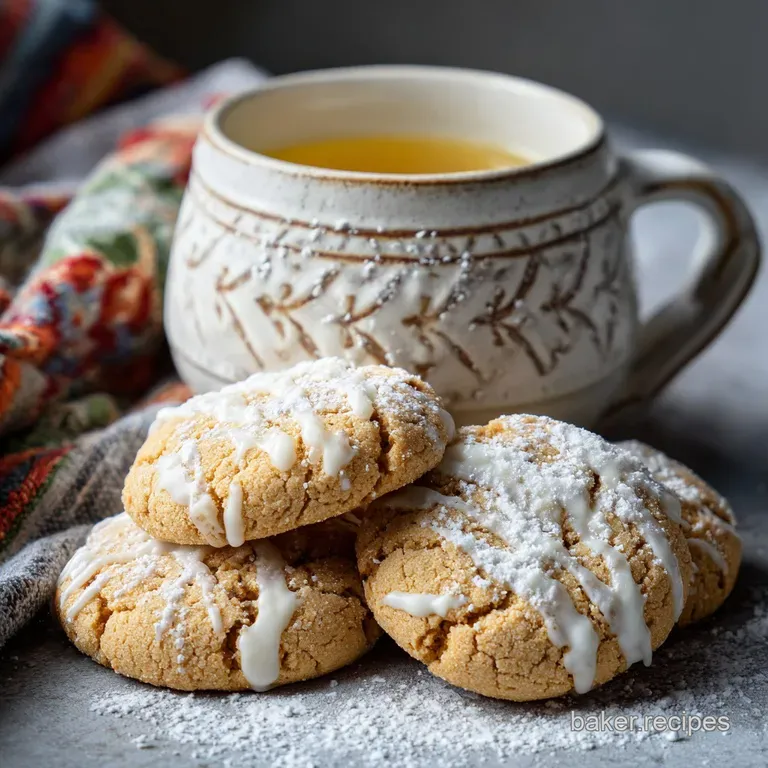
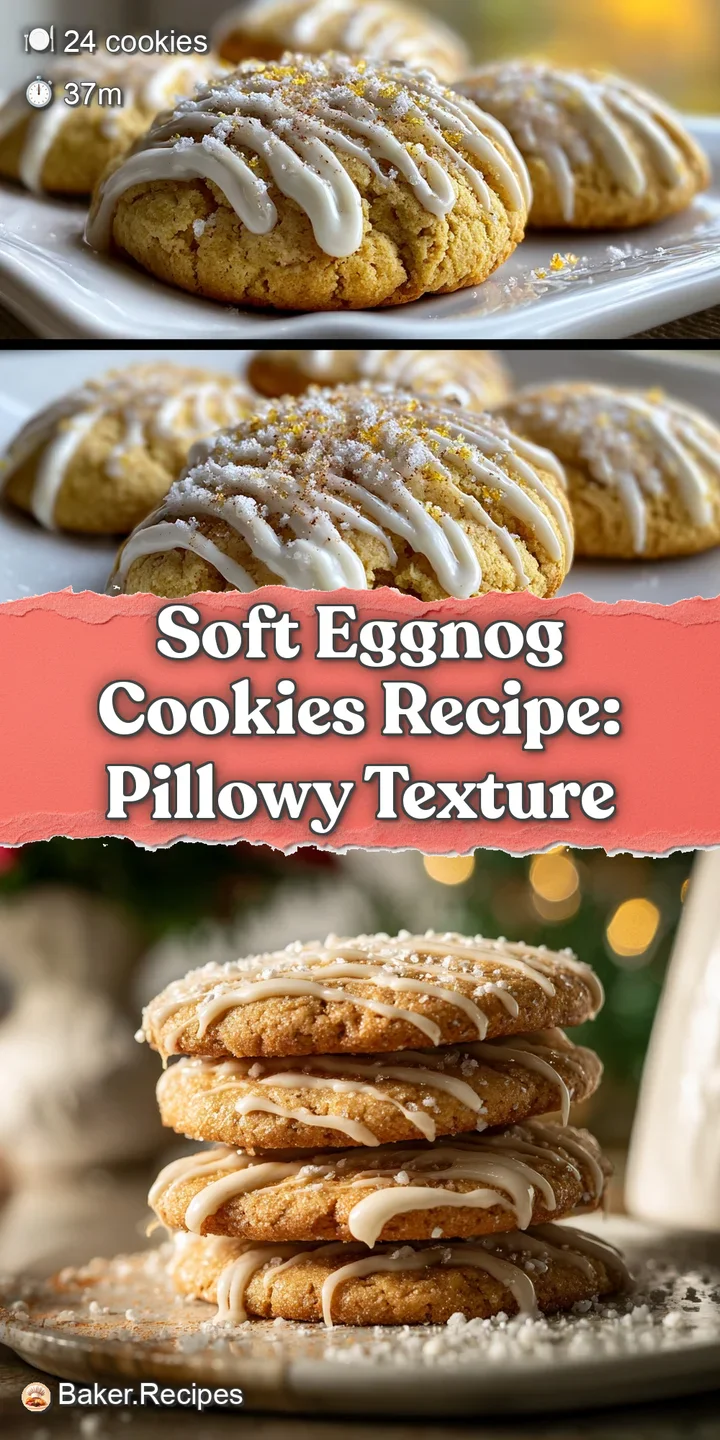
- Flavor/Texture Hook: Pillowy soft with a distinct shatter from the rum spiked glaze
- Perfect for: Holiday gift boxes or a low stress weekend treat
- The Ultimate Soft Eggnog Cookies Recipe
- Techniques for a Velvety Crumb
- Recipe Specs and Timing
- Ingredient Deep Dive and Science
- Essential Gear for Baking Success
- Step-by-Step Instructions and Cues
- Solving Common Baking Problems
- Flavor Variations and Creative Twists
- Scaling for Large Groups or Small Batches
- Storage Tips and Zero Waste
- Creative Serving and Pairing Ideas
- Recipe FAQs
- 📝 Recipe Card
The Ultimate Soft Eggnog Cookies Recipe
The smell of freshly grated nutmeg hitting a warm bowl of cream is enough to stop me in my tracks every single time. I remember the first time I tried to nail this eggnog cookies recipe; I was sitting in my tiny apartment kitchen, flour up to my elbows, wondering why my cookies kept coming out like hard little hockey pucks.
It was a disaster, honestly. I had used room temperature eggnog, and it broke the emulsion of the butter, leaving me with a greasy mess that didn't resemble anything edible.
After four failed batches and a lot of frustrated scrubbing of sheet pans, I finally figured out the secret. It is all about the temperature of your fats and how they play with the moisture in the nog. When you get it right, the kitchen transforms.
The aroma is heavy with cinnamon and that nostalgic, boozy sweetness that defines the holidays. You are looking for a cookie that is substantial enough to hold a thick glaze but soft enough that it practically melts when it hits your tongue.
Techniques for a Velvety Crumb
Mastering the Fat to Flour Ratio
The most important thing to understand here is that eggnog isn't just a liquid; it is a complex mixture of sugar, egg yolks, and milk fat. If you treat it like water or milk, the recipe will fail. We use a specific ratio of 400g of all purpose flour to balance the 120ml of eggnog.
This ensures the dough has enough structure to lift in the oven without spreading into a giant, flat puddle.
Controlling Temperature for Texture
We are working with 225g of unsalted butter that should be "softened but cool." If your finger leaves a deep, greasy indentation, it is too warm. You want it to resist slightly. This cool temperature allows the sugar crystals to carve tiny air pockets into the fat during the creaming process.
Those air pockets are what give these treats their signature light and airy interior.
The Physics of the Eggnog Emulsion
Mechanism: The lecithin in the eggnog yolks acts as a natural emulsifier, binding the high moisture content of the drink to the fats in the butter. This creates a stable colloidal suspension that prevents the cookies from becoming "cakey" or crumbling prematurely.
Chef's Tip: Freeze your whole nutmeg for 10 minutes before grating. It makes the nut harder and easier to grate into a fine, aromatic powder that disappears into the dough without leaving gritty chunks.
Recipe Specs and Timing
Success in the kitchen often comes down to timing rather than just talent. I like to follow a specific workflow so I am not rushing when the oven timer dings. You should have your butter out about 30 minutes before you start. Any longer and it gets too soft.
While that sits, I measure out my dry ingredients. This "mise en place" keeps the process relaxed and prevents me from forgetting the salt which I have done more times than I care to admit.
| Feature | Fresh Eggnog | Shortcut (Milk + Spices) | Impact on Result |
|---|---|---|---|
| Texture | Rich, dense, and velvety | Lighter, slightly more airy | Fresh nog provides a much sturdier crumb |
| Flavor | Complex, boozy, and deep | Mostly vanilla forward | Shortcut versions lack the "custard" depth |
| Fat Content | 8-10% (Full fat) | 3-4% (Whole milk) | Lower fat leads to a crunchier, drier cookie |
If you are looking for more variety in your holiday tin, these pair beautifully with a different texture profile, like the one found in this How to Bake recipe which offers a gooey chocolate center.
Ingredient Deep Dive and Science
Using 225g of unsalted butter gives us total control over the sodium levels. I always opt for a European style butter if I can find it because the lower water content means less steam is released during the cook. This results in a tighter, more tender crumb.
The 200g of granulated sugar provides the structure and crisp edges, while the 100g of light brown sugar brings in moisture and a hint of molasses that complements the nutmeg.
| Ingredient | Science Role | Pro Secret |
|---|---|---|
| Egg Yolks (2 large) | Provide fat and emulsifiers | Use room temp yolks to prevent the butter from seizing |
| All Purpose Flour (400g) | Build gluten structure | Weigh it! Cups are notoriously inaccurate for this recipe |
| Full fat Eggnog (120ml) | Hydration and flavor | Use the thickest "premium" brand you can find for more fat |
For the spices, 1.5 tsp of freshly grated nutmeg is the heavy lifter. Pre ground nutmeg loses its volatile oils quickly and tastes like sawdust. If you really want that "wow" factor, grate it directly over the flour mixture. It makes a world of difference.
The 0.5 tsp of rum extract is my secret weapon; it gives that classic "spiked" flavor without adding enough liquid to ruin the dough's consistency.
Essential Gear for Baking Success
You don't need a professional kitchen, but a few specific tools will make your life much easier. A stand mixer, like a KitchenAid, is ideal for the creaming stage because it can run for the full 3-5 minutes without your arm falling off.
If you are using a hand mixer, just be prepared to put in the time don't cut the creaming short or your cookies will be dense.
I also swear by heavy gauge aluminum baking sheets. They distribute heat evenly, which prevents the bottoms of the cookies from burning before the centers are set. If you use thin, dark pans, you might need to reduce the oven temp by 25°F.
Silicone mats or parchment paper are also non negotiable here. The high sugar content in the nog makes these prone to sticking if they touch the bare metal.
Chef's Tip: Add a tiny pinch of espresso powder (about 1/8 tsp) to your dry ingredients. It won't make the cookies taste like coffee, but it acts as a flavor multiplier for the nutmeg and cinnamon, making them taste "darker" and more complex.
step-by-step Instructions and Cues
1. Creaming for Aeration
Place 225g of softened butter, 200g granulated sugar, and 100g light brown sugar in your mixer bowl. Beat on medium high for 4 minutes until the mixture looks pale and fluffy like whipped clouds.
2. Emulsifying the Liquids
Add 2 large egg yolks, 1 tsp vanilla extract, and 0.5 tsp rum extract. Mix for another minute until the yellow of the yolks is completely integrated. Scrape the sides of the bowl to ensure no butter streaks remain.
3. Integrating the Dry Base
In a separate bowl, whisk 400g all purpose flour, 1 tsp baking powder, 0.5 tsp salt, 1.5 tsp nutmeg, and 0.5 tsp ground cinnamon. Slowly add this to the wet ingredients on low speed. Mix until just combined and no white streaks of flour are visible.
4. Executing the Essential Chill
This is the part everyone wants to skip, but don't. Cover the bowl and chill for at least 1 hour. This allows the flour to fully hydrate and the butter to firm back up.
5. Shaping and Baking
Preheat your oven to 350°F. Scoop rounded tablespoons (about 30g each) onto your prepared pans. Space them 2 inches apart. Bake for 12 minutes until the edges are just barely golden but the centers still look soft.
6. Glazing for the Signature Finish
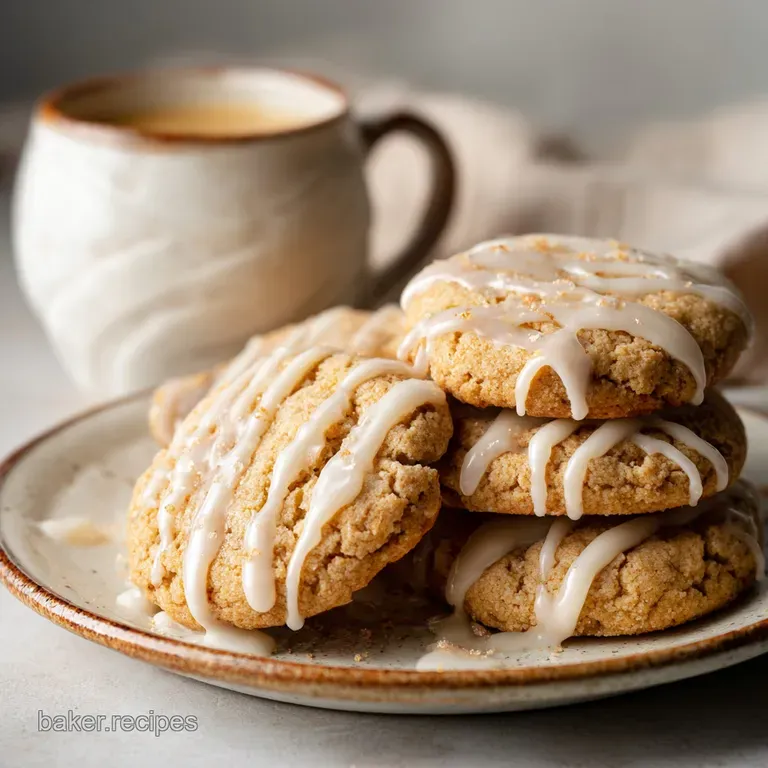
While the cookies cool, whisk 240g powdered sugar, 4 tbsp eggnog, and 1 tsp dark rum. The glaze should be thick but pourable. Dip the cooled cookies into the glaze and let them sit until the surface is dry and shatters when bitten.
If you enjoy the process of decorating, you might also like the techniques used in this Christmas Cookies recipe for a more traditional cut out look.
Solving Common Baking Problems
Sometimes things don't go according to plan. The most common issue I see with this eggnog cookies recipe is the dough being too sticky to handle. This usually happens if the eggnog was added while too warm or if the kitchen is particularly humid.
If this happens, don't just keep adding flour that leads to dry, tough cookies. Instead, pop the dough back in the freezer for 15 minutes. Cold dough is much easier to scoop and won't stick to your hands.
Why Your Cookies Spread Too Much
If your cookies come out looking like thin wafers, your butter was likely too soft before you even started mixing. Another culprit is a warm baking sheet. Never put cookie dough onto a pan that is still warm from the previous batch.
| Problem | Root Cause | Solution |
|---|---|---|
| Grainy Icing | Powdered sugar wasn't sifted | Sift sugar through a fine mesh strainer before adding liquid |
| Tough Texture | Over mixing after adding flour | Mix on low speed and stop the moment flour disappears |
| No "Eggnog" Flavor | Using low-fat or "lite" nog | Only use full fat premium eggnog for the best fat/flavor profile |
Common Mistakes Checklist
- ✓ Use a kitchen scale for the 400g of flour; too much flour makes them crumbly.
- ✓ Ensure your eggnog is cold when adding it to the butter and sugar.
- ✓ Don't overbake; they should look "underdone" when you pull them out.
- ✓ Let the cookies cool completely before glazing or it will just melt off.
- ✓ Grate the nutmeg fresh for that punchy, nostalgic aroma.
Flavor Variations and Creative Twists
Creating Crispy Eggnog Cookies
If you prefer a cookie with more of a "snap," you can adjust the sugar ratio. Swap the 100g of brown sugar for an additional 100g of granulated sugar. This reduces the moisture level and allows the edges to caramelize and crisp up more in the oven. You should also extend the bake time by 2 minutes.
Adding a Boozy Kick with Rum
For a version that feels a bit more "adult," you can replace the rum extract in the dough with 1 tbsp of actual dark rum. Note that this adds liquid, so you might need to add an extra tablespoon of flour to keep the consistency right.
In the glaze, using a high-quality spiced rum can really bring out the cinnamon notes.
Crafting an Eggnog Cookies Recipe Without Eggnog
If you find yourself craving these in July when the stores are empty of nog, you can make a substitute. Mix 120ml of heavy cream with 1 egg yolk, 2 tbsp of sugar, and an extra 1/2 tsp of nutmeg. It won't be exactly the same, but it gets you 90% of the way there in terms of fat content and flavor profile.
Scaling for Large Groups or Small Batches
When you need to scale this recipe, keep a few things in mind. If you are cutting it in half (making 12 cookies), use 1 large egg yolk and a bit of the white, or just one yolk if you want them extra rich. For a half batch, you'll use 112.5g of butter and 60ml of eggnog.
The bake time remains the same, but keep a closer eye on them as smaller batches can sometimes brown faster in the oven.
If you are doubling the recipe for a big party (making 48 cookies), do not simply double the spices. Use 1.5x the nutmeg and cinnamon (about 2.25 tsp nutmeg) to start, then taste the dough. Spices can become overwhelming when doubled exactly.
Also, make sure to work in batches so your oven isn't overcrowded, which can lead to uneven steaming and poor rise.
Chef's Tip: If you are doubling the recipe, use a large bowl and a sturdy stand mixer. 800g of flour is a lot for a hand mixer to handle, and you don't want to burn out the motor halfway through.
Storage Tips and Zero Waste
These cookies store remarkably well because of the high fat content in the eggnog. Keep them in an airtight container at room temperature for up to 5 days. If you need to stack them, place a piece of parchment paper between the layers so the glaze doesn't stick together.
For long term storage, they freeze beautifully for up to 3 months. Just freeze them in a single layer first before transferring them to a bag.
For a zero waste approach, don't toss out that leftover eggnog in the carton! You can freeze it in ice cube trays and pop them into your morning coffee, or use it as a base for French toast. The extra glaze can also be thinned out with a little milk and used as a syrup for pancakes the next morning.
It is far too flavorful to let go to waste.
Creative Serving and Pairing Ideas
When it comes to serving, I love to lean into the cozy vibes. These are excellent when served alongside a hot cup of black tea or a dark roast coffee the bitterness of the drink balances the sweet, boozy glaze perfectly. If you are putting together a platter, mix these soft cookies with something textured, like the crunch found in this How to Bake recipe for a nice contrast.
If you want to get really fancy, you can serve these as "sandwich" cookies. Take two cookies and put a dollop of spiced buttercream or even a simple cream cheese frosting in the middle. It turns them into a decadent dessert that feels much more elevated than a standard cookie.
Just make sure the cookies are completely cold before you even think about adding a filling, or you'll have a slippery mess on your hands.
Recipe FAQs
Can eggnog be used in baking?
Yes, absolutely, but treat it as a high fat liquid. Because commercial eggnog contains fat, sugar, and egg solids, it adds richness and moisture to baked goods. Be careful not to over liquidate your recipe, or you might end up with spread out cookies.
How long will eggnog last in the refrigerator?
Typically 7 to 10 days after opening. Check the expiration date printed on the carton, as this is usually the most accurate guide for unopened product longevity.
What can you make with leftover eggnog besides cookies?
Use it in coffee, custards, or creamy cocktails. You can substitute it for milk in recipes that call for a rich dairy base, such as the liquid component in a bread pudding or the base for a decadent ice cream.
What does adding an egg to a cookie recipe do?
Eggs act as a binder, leavener, and emulsifier. The yolks add fat and richness, while the whites provide structure through protein coagulation, preventing the cookie from crumbling. If you enjoyed mastering the stable emulsion here, see how the same principle works in our Netflix & Chill recipe for edible dough.
Why are my eggnog cookies spreading too much in the oven?
Your butter was likely too soft or your baking sheet was too warm. Cold fat is crucial for structure; if the butter melts before the flour sets, the cookie spreads flat. Ensure your dough is thoroughly chilled before baking for better height.
Is it true that I must use premium, full fat eggnog for the best results?
Yes, full fat eggnog is strongly recommended for texture. Lower fat or "lite" versions lack the necessary butterfat content, which contributes significantly to the final rich, velvety crumb of the cookie.
How can I ensure my spiced glaze sets up with a nice "shatter" instead of staying soft?
Keep the liquid content in the glaze very low. Use just enough liquid (eggnog or milk) to achieve a thick, pourable consistency, rather than a runny icing. This high sugar-to-liquid ratio ensures a hard, crisp shell when dried, similar to the technique used for crisp sugar cookies in our How to Make recipe.
Soft Eggnog Cookies Recipe
Ingredients:
Instructions:
Nutrition Facts:
| Calories | 232 kcal |
|---|---|
| Protein | 2.3g |
| Fat | 8.8g |
| Carbs | 36.5g |
| Fiber | 0.5g |
| Sugar | 23.8g |
| Sodium | 76mg |
