Strawberry Jelly Preserve
- Time: Active 20 minutes, Passive 30 minutes, Total 50 minutes
- Flavor/Texture Hook: Vibrant, quivering gel with a clean strawberry finish
- Perfect for: Weekend canning projects, gifting, or topping morning toast
- Making a Vibrant Strawberry Jelly Preserve
- Essential Science and Methods
- Planning the Cooking Flow
- Selecting High Quality Components
- Required Tools for Success
- Executing the Cooking Process
- Solving Frequent Technical Errors
- Scaling the Recipe Size
- Common Myths Debunked
- Storage and Maintenance Tips
- Serving Your Preserve
- Strawberry Jelly Preserve FAQs
- 📝 Recipe Card
Making a Vibrant Strawberry Jelly Preserve
The aroma of simmering strawberries is one of those kitchen scents that instantly makes a house feel like a home. I remember my first attempt at a Strawberry Jelly Preserve; I ended up with something closer to strawberry flavored cement because I boiled it for nearly an hour trying to get it to set.
I learned the hard way that you don't need a mountain of sugar or endless boiling to get that quivering, velvety texture we all crave.
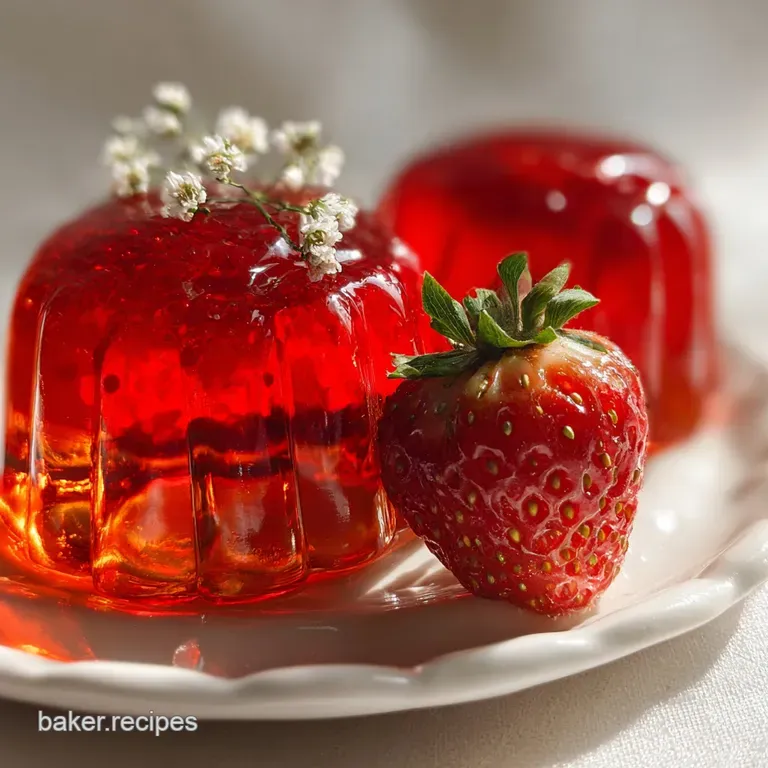
This version is different because it focuses on the fruit itself. We are using 4 lbs of fresh ripe strawberries, which provides a massive flavor punch without the cloying sweetness of store-bought versions. You'll get a spread that looks like melted rubies and tastes exactly like the peak of summer.
It is the kind of recipe that makes you want to bake a fresh loaf of bread just as an excuse to eat it.
We are going to use a low methoxyl pectin approach here. This is a total game changer for home cooks because it gives you a reliable set every single time without needing to hit that scary "hard crack" stage on a candy thermometer.
If you've been intimidated by canning or jelly making in the past, trust me on this - we are going to keep it simple and foolproof.
Essential Science and Methods
Understanding how a jelly actually bonds is the secret to never having a "soup" disaster again. It isn't just about heat; it is about the chemical handshake between fruit, acid, and pectin.
- Calcium Bonding: Using low methoxyl pectin creates a gel by reacting with calcium ions rather than requiring 60% sugar concentration to set.
- Acid Interaction: Lemon juice lowers the pH, which neutralizes the negative charges on pectin molecules, allowing them to zip together into a mesh.
- Cell Wall Breakdown: The initial simmer softens the strawberry skins and releases the natural juices trapped within the fruit's cellular structure.
- Osmotic Pressure: Adding sugar to the fruit draws out the water through the cell walls, creating a concentrated syrup that carries the berry essence.
| Cook Method | Time | Texture | Best For |
|---|---|---|---|
| Traditional Boil | 60 mins | Thick, caramelized, very sweet | Long term shelf storage |
| Pectin Method | 30 mins | Bright, fresh, quivering gel | Retaining fruit flavor |
| No Cook Freezer | 15 mins | Fresh, raw fruit taste | Immediate consumption |
This comparison shows why the pectin method is my favorite. You get the stability of a cooked jelly with the flavor profile of a fresh berry. If you want a quicker way to use these berries, you might also enjoy my Mini Strawberry Tarts recipe which uses similar fresh fruit vibes.
Planning the Cooking Flow
| Thickness | Internal Temp | Rest Time | Visual Cue |
|---|---|---|---|
| Thin/Syrup | 210°F | 2 mins | Runs quickly off a cold spoon |
| Soft Set | 215°F | 5 mins | Forms a slow moving droplet |
| Standard Jelly | 220°F | 10 mins | Sheets off the spoon in one piece |
To Maximize Juice Extraction
To get every drop of flavor out of those 4 lbs of strawberries, don't rush the initial heating phase. I like to mash them slightly once they soften. If you want a perfectly clear jelly, you'll need to strain this through a jelly bag.
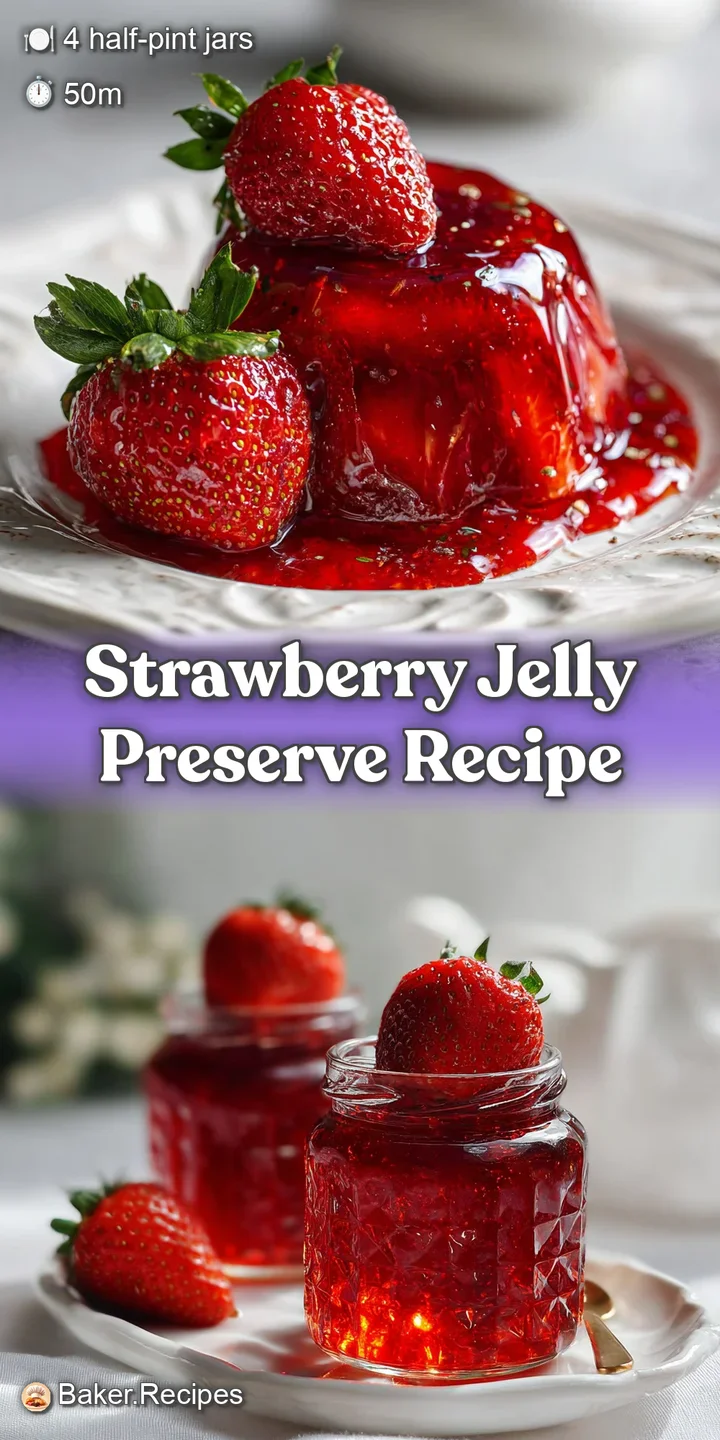
However, for a true Strawberry Jelly Preserve, leaving some of those tiny bits of fruit adds a rustic, honest character to the final jar.
For a Reliable Set
The 1 tbsp of calcium water is your insurance policy. Make sure it is thoroughly mixed. This provides the "hooks" that the 1 tbsp of low methoxyl pectin needs to grab onto. Without it, your jelly will stay a syrup no matter how long you boil it.
Selecting high-quality Components
Using the right ingredients is 90% of the battle when making a strawberry jelly preserves recipe. You want berries that are deep red all the way to the core; if they have white shoulders, they won't have enough natural sugar or flavor.
| Component | Science Role | Pro Secret |
|---|---|---|
| Strawberries | Bulk and Flavor | Use overripe berries for the best aroma and natural sweetness. |
| Lemon Juice | pH Regulator | Always use fresh squeezed; bottled juice can have a metallic aftertaste. |
| Pectin | Gelling Agent | Whisk the pectin into the sugar first to prevent "fish eyes" or lumps. |
- 4 lbs Fresh ripe strawberries: These are the star. Why this? Fresh berries provide the pectin acid balance needed for a vibrant color.
- Substitute: Frozen strawberries (thawed) will work if fresh aren't available, but the color might be slightly darker.
- 2 cups Granulated white sugar: Sweetens and helps preservation. Why this? White sugar keeps the jelly clear and the color bright red.
- Substitute: Honey (1.5 cups), but it will add a floral note and darken the jelly.
- 1/4 cup Freshly squeezed lemon juice: Adds necessary acidity.
- Substitute: 1/2 tsp citric acid dissolved in 2 tbsp water.
- 1 tbsp Low methoxyl pectin: The setting agent.
- Substitute: Standard pectin (though you will need to triple the sugar content for it to set).
- 1 tbsp Calcium water: Activates the pectin.
- Substitute: No direct sub; usually comes in the box with low methoxyl pectin brands like Pomona's.
Required Tools for Success
You don't need a laboratory, but a few specific items make this easy strawberry jelly recipe much smoother. A heavy bottomed pot is non negotiable. Thin pots create hot spots that will scorch your sugar and ruin the batch.
Chef Tip: Freeze three small ceramic spoons or saucers before you start. When you think the jelly is done, drop a small bit onto the cold spoon. If it wrinkles when pushed with your finger, it's ready.
- 8 quart Stainless Steel Pot: Provides enough room for the jelly to foam up without boiling over.
- Potato Masher: For breaking down the 4 lbs of strawberries.
- Glass Jars (4 half pints): Ensure they are sterilized in boiling water before use.
- Canning Funnel: Keeps the rims of your jars clean, which is vital for a proper seal.
- Digital Thermometer: While the "spoon test" is great, hitting 220°F is a solid scientific backup.
Executing the Cooking Process
- Prep the berries. Hull and halve the 4 lbs of strawberries, removing any bruised spots.
- Macerate and heat. Place berries and 1/4 cup lemon juice in the pot over medium heat. Note: Heating the fruit first helps the acid start breaking down the pectin rich skins.
- Mash the fruit. Use a potato masher to crush the berries until they release their juices and form a pulpy liquid.
- Add calcium water. Stir in the 1 tbsp of calcium water thoroughly.
- Prepare pectin mix. In a separate bowl, whisk 1 tbsp low methoxyl pectin into the 2 cups of sugar. Note: This prevents the pectin from clumping when it hits the hot liquid.
- Bring to boil. Turn heat to high and bring the strawberry mixture to a full, rolling boil that cannot be stirred down.
- Incorporate sugar. Add the sugar/pectin mixture while stirring constantly.
- Final boil. Return to a boil for exactly 2 minutes until the liquid thickens and looks glossy.
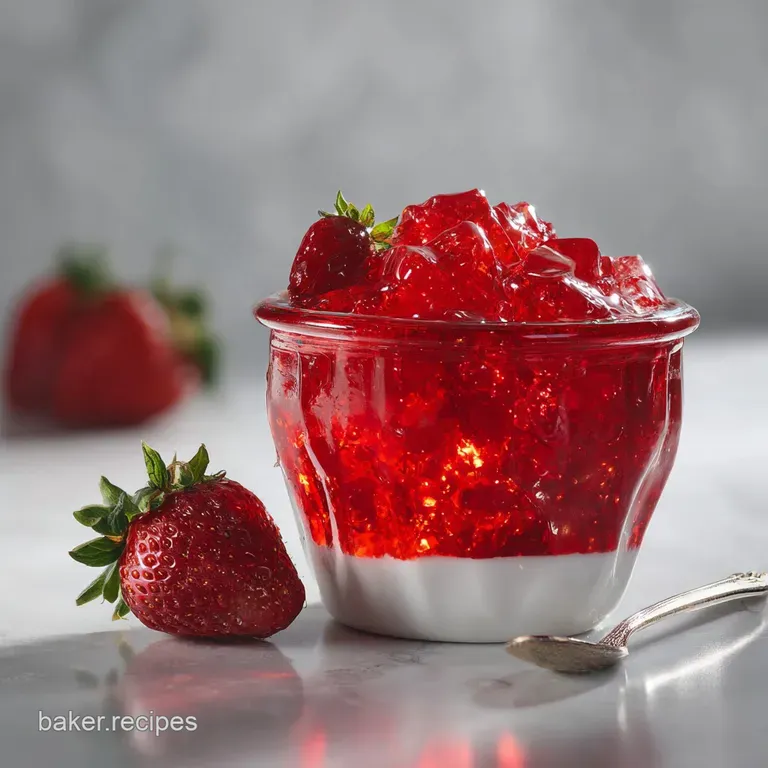
- Jar the jelly. Pour the hot strawberry jam recipe with pectin into sterilized jars, leaving 1/4 inch of headspace.
- Seal and cool. Wipe the rims, apply lids, and let sit undisturbed for 24 hours until the "pop" of the seal is heard.
Solving Frequent Technical Errors
Why Your Jelly Stays Runny
If your homemade strawberry jelly recipe looks more like a dessert sauce, it usually comes down to the pectin calcium ratio. If the fruit was particularly acidic or if the strawberries were underripe, the pectin might need a little more help.
To Prevent a Cloudy Jelly
Cloudiness usually happens when you stir the jelly too vigorously or if you squeezed the jelly bag during straining. To keep it crystal clear, let the juice drip naturally and skim off any foam that rises to the top during the final boil.
| Problem | Root Cause | Solution |
|---|---|---|
| Grainy Texture | Sugar didn't dissolve | Add 2 tbsp water and reheat slowly to dissolve crystals. |
| Fruit Floating | Pieces are too large | Mash more thoroughly or stir for 5 mins before jarring to distribute. |
| Dull Color | Overcooked the berries | Reduce total boil time; don't let it simmer longer than 30 mins. |
- ✓ Preheat your jars in hot water to prevent them from shattering when the hot jelly is added.
- ✓ Always use a stainless steel or enamel pot; aluminum can react with the lemon juice and turn the jelly gray.
- ✓ Don't double the batch in one pot; the increased volume prevents the liquid from reaching the necessary temperature quickly enough.
- ✓ Skim the foam off with a cold metal spoon just before jarring for a professional, clear look.
Scaling the Recipe Size
Scaling Down (Half Batch)
If you only have a small basket of berries, you can easily halve this. Use 2 lbs of berries and 1 cup of sugar. Keep the lemon juice at 2 tbsp. Because there is less volume, the boil off will happen faster, so start checking for a set after 15 minutes of cooking.
Scaling Up (Double Batch)
I don't recommend more than doubling this in a standard home kitchen. Use 8 lbs of strawberries and 4 cups of sugar. Note: You will need a massive 12 quart pot. The "up scaling" danger is that the middle of the pot stays cool while the bottom burns.
Stir constantly and expect the boiling process to take about 10-15 minutes longer to reach the set point.
Common Myths Debunked
One big myth is that you need a 1:1 ratio of sugar to fruit for jelly to set. That is only true if you are using traditional high methoxyl pectin. With the low methoxyl version used in this strawberry jelly preserve recipe, the calcium does the heavy lifting, allowing us to use much less sugar while still getting a firm, velvety quivering set.
Another common misconception is that you have to use a pressure canner for fruit preserves. Because strawberries are high acid (especially with our added lemon juice), a simple water bath or even just the "hot pack" method for refrigerator storage is perfectly safe.
You don't need fancy equipment to enjoy high-quality fresh strawberry jelly recipe results.
Storage and Maintenance Tips
- Refrigerator: Once opened, keep your jar in the fridge. It will stay fresh and vibrant for up to 3 weeks. Always use a clean spoon to prevent mold growth.
- Freezer: If you use wide mouth jars with straight sides, you can freeze this jelly for up to 1 year. Just leave 1 inch of headspace so the glass doesn't crack when the liquid expands.
- Zero Waste: If you have leftover strawberry pulp from straining, don't toss it! Mix it into oatmeal or use it as a base for a vinaigrette. Even the strawberry hulls can be soaked in white balsamic vinegar for a week to make a gorgeous fruit infused shrub for cocktails.
Serving Your Preserve
This jelly is a superstar on a classic buttermilk biscuit, but it is versatile enough for savory applications too. This spread is incredible on savory snacks like a Strawberry Balsamic Crostini recipe. The acidity of the lemon in the jelly cuts through the richness of goat cheese perfectly.
For a sweet treat, try swirling a few spoonfuls into plain Greek yogurt or using it as a filling between cake layers. Because the texture is so silky, it also melts down beautifully into a glaze for grilled chicken or pork.
Just whisk a bit of Dijon mustard into the jelly and brush it on during the last 5 minutes of cooking for a glossy, sweet and savory crust.
Strawberry Jelly Preserve FAQs
What is the difference between strawberry jelly and strawberry preserves?
Preserves have fruit pieces, jelly is smooth. Preserves are made from crushed or whole fruit, while jelly is made from strained fruit juice for a smooth, clear texture.
How do you preserve strawberry jam?
Use sterilized jars and a water bath. After filling sterilized jars with hot jam, process them in a boiling water bath for about 10 minutes to create a vacuum seal, making them shelf stable.
How long does homemade strawberry jelly last?
Unopened, up to a year; opened, about 3 weeks. Properly sealed jars stored in a cool, dark place can last for up to 12 months. Once opened, refrigerate and consume within 3 weeks.
Are strawberry preserves healthier than jelly?
Not necessarily, depends on sugar content. Both are high in sugar. Preserves may retain slightly more fiber from the fruit pieces, but the health impact is largely similar due to added sweeteners.
Can I use frozen strawberries for jelly?
Yes, thawed frozen strawberries work well. They release moisture similarly to fresh berries, but the color might be slightly darker. Ensure they are fully thawed before using.
What is the best way to get a clear strawberry jelly?
Strain fruit juice and avoid stirring during boil. After cooking, let the fruit juice drip through a jelly bag without squeezing, and skim off any foam that rises during the final boiling stage.
How do I ensure my strawberry jelly sets properly?
Correct pectin-to-acid-to-sugar ratio is key. Using the right type and amount of pectin, along with sufficient acidity from lemon juice, is crucial for achieving a firm set. If you enjoyed mastering pectin reactions here, see how it works in our Strawberry Cheesecake Recipe: Silky, Crack Free Baking Method.
Strawberry Jelly Preserve
Ingredients:
Instructions:
Nutrition Facts:
| Calories | 33 kcal |
|---|---|
| Protein | 0.1 g |
| Fat | 0.1 g |
| Carbs | 8.5 g |
| Fiber | 0.2 g |
| Sugar | 7.6 g |
| Sodium | 1 mg |
