The Best Carrot Cake: Moist and Flavorful
- Time: Active 30 minutes, Passive 45 minutes, Total 75 minutes
- Flavor/Texture Hook: Velvety crumb with warming ginger and cinnamon notes
- Perfect for: Birthday celebrations, spring brunches, or weekend meal prep
- Creating the Best Carrot Cake Recipe From Scratch
- Essential Science for a Moist Crumb
- Component Analysis and Selection
- Primary Ingredients and Smart Substitutions
- Executing the Cake Build Process
- Correcting Common Baking Technical Issues
- Adjusting the Recipe Volume
- Traditional Baking Misconceptions
- Long Term Freshness and Sustainability
- Optimal Presentation and Flavor Pairings
- Recipe FAQs
- 📝 Recipe Card
Creating the Best Carrot Cake Recipe From Scratch
Forget everything you’ve heard about carrot cake being "healthy" just because there’s a vegetable in the name. We aren't here for a salad; we are here for a decadent, spice heavy, silky textured masterpiece.
Most people think the secret to a great cake is butter, but I’m telling you right now: leave the butter for the frosting. For the batter itself, oil is the undisputed king. It’s a myth that butter makes a better cake here.
Butter contains water and milk solids that can actually make the crumb feel tougher once it cools down. Oil, being a 100% fat liquid, coats the flour proteins more effectively, ensuring that every bite is tender and stays that way, even after a night in the fridge.
I remember the first time I tried to "improve" a classic recipe by using softened butter instead of oil. I thought I was being fancy. The cake came out of the oven smelling like a dream, but by the next afternoon, it had the texture of a cold muffin. It was a total heartbreak.
That’s when I realized that the best carrot cake recipe isn't about being fancy; it's about the chemistry of moisture. When you combine neutral oil with the natural juices from crushed pineapple and a hint of applesauce, you get a depth of flavor and a level of silkiness that butter simply cannot touch.
Right then, let's talk about the carrots. Do not, under any circumstances, buy those pre shredded matchstick carrots in a bag. They are dry, woody, and they won't melt into the batter. When you grate them fresh, you’ll see a little pool of orange juice forming at the bottom of the bowl. That juice is gold.
It’s what transforms a dry sponge into a velvety treat. We’re going for a specific balance of earthy sweetness and bright acidity, and it all starts with how we handle these basic components.
Essential Science for a Moist Crumb
Aeration Stability: Whipping the eggs for a full 5 minutes creates a massive network of tiny air bubbles that support the heavy additions like carrots and pineapple.
Starch Protection: Neutral oil coats the flour particles, preventing excessive gluten development and keeping the crumb tender rather than bread like.
Enzymatic Tenderizing: The bromelain in the pineapple helps break down some of the flour's protein, resulting in an exceptionally soft and delicate texture.
pH Balancing: Combining baking soda with acidic ingredients like brown sugar and pineapple creates a lift that prevents the cake from sinking under its own weight.
| Component Choice | Resulting Texture | Time Impact | Best For |
|---|---|---|---|
| Freshly Grated Carrots | Meltingly tender and juicy | Adds 10 mins | Maximum moisture |
| Pre Shredded Carrots | Noticeable "bite" and drier | Saves 10 mins | Busy weeknights |
| Canned Pineapple | Consistent sweetness | No extra time | Year round baking |
| Fresh Pineapple | Brighter, tarter profile | Adds 15 mins | Special occasions |
It is fascinating how the moisture levels change based on your carrot prep. When I use the fine side of the grater, the carrots almost disappear into the batter, leaving behind only their sweetness and a beautiful orange hue.
Component Analysis and Selection
| Ingredient | Science Role | Pro Secret |
|---|---|---|
| Light Brown Sugar | Adds moisture via molasses and provides acidity for the baking soda to react with. | Pack it firmly into the cup to ensure you get the full moisture content intended. |
| Neutral Oil | Remains liquid at room temperature, ensuring the cake feels moist even when cold. | Use avocado oil for a cleaner flavor profile that lets the spices shine through. |
| Baking Soda | Reacts with the acidic pineapple and brown sugar to create immediate lift. | Sift this with the flour to avoid bitter "clumps" in the finished cake. |
| Crushed Pineapple | Provides humectancy (moisture retention) and breaks down flour proteins. | Drain it well but don't squeeze it dry; you want some of that juice. |
Selecting the right fat is crucial for this specific bake. While many people reach for vegetable oil, I’ve found that grapeseed or avocado oil provides a much cleaner finish. If you’re looking for other ways to use these pantry staples, you might enjoy trying my sprinkled blondie recipe which also plays with that perfect balance of sugar and fat.
Primary Ingredients and Smart Substitutions
- 3 cups fresh carrots, finely grated: Why this? They provide the primary structure and natural sugar for the cake base. (Sub: Parsnips for an earthier, spicy twist).
- 1/2 cup crushed pineapple, drained well: Why this? Adds acidity and moisture that keeps the crumb from drying out. (Sub: Extra 1/4 cup applesauce if you dislike pineapple).
- 2 cups all purpose flour, sifted: Why this? The perfect protein content for a sturdy but tender cake. (Sub: 1:1 gluten-free flour blend with xanthan gum).
- 3/4 cup neutral oil: Why this? Ensures a velvety texture that doesn't harden in the refrigerator. (Sub: Melted coconut oil for a subtle tropical note).
- 1/4 cup unsweetened applesauce: Why this? Replaces some fat with fruit pectin for a soft, light finish. (Sub: Full fat Greek yogurt).
- 4 large eggs, room temperature: Why this? Vital for creating the aerated foam that lifts the heavy batter. (Sub: Flax eggs, though the cake will be much denser).
- 16 oz full fat cream cheese: Why this? Provides the iconic tangy contrast to the sweet spice cake. (Sub: Mascarpone for a richer, less tangy frosting).
Chef's Note: Always use brick style cream cheese. The kind in the tub has more air and water whipped into it, which will make your frosting runny and impossible to pipe.
Executing the Cake Build Process
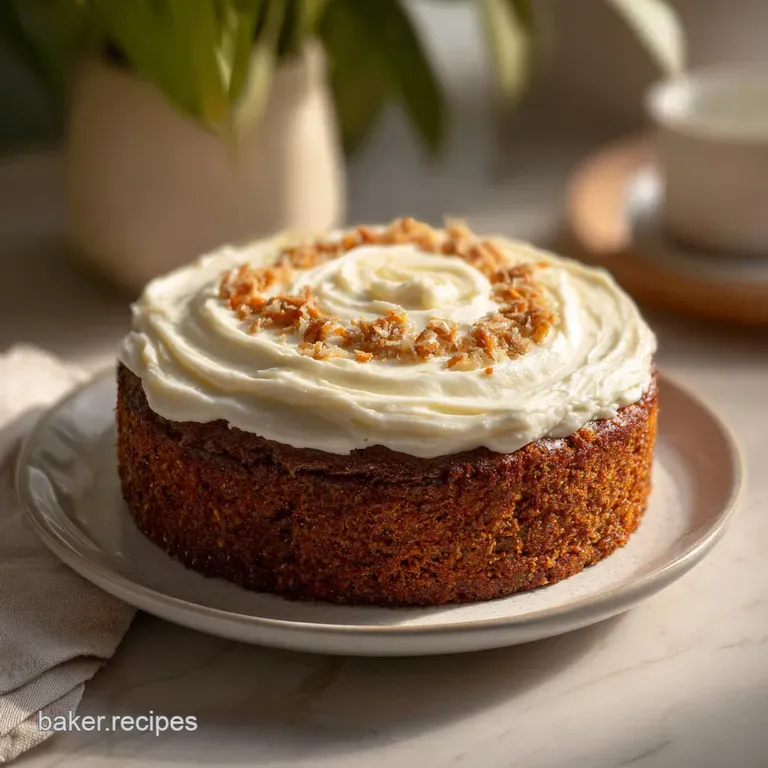
- Preheat your oven to 350°F (175°C) and prepare two 9 inch round pans with grease and parchment.
- Sift together the 2 cups of flour, baking soda, baking powder, cinnamon, ginger, nutmeg, and sea salt in a medium bowl. Note: Sifting prevents spice clumps.
- Place the 4 eggs and both sugars in a stand mixer and whisk on high for a full 5 minutes until the mixture is pale and tripled in volume.
- Reduce speed to low and slowly drizzle in the 3/4 cup oil, then fold in the 1/4 cup applesauce, drained pineapple, and 3 cups of grated carrots.
- Use a large spatula to gently fold the dry ingredients into the wet mixture. Stop as soon as no flour streaks remain to keep the air in the eggs.
- Divide the batter equally between the two pans.
- Bake for 40 to 45 minutes until a toothpick comes out clean and the edges pull away slightly.
- Allow the cakes to cool in the pans for 10 minutes before transferring to a wire rack. They must be completely cold before frosting.
- For the frosting, beat the 16 oz of cream cheese and 1/2 cup butter together until the mixture is silky and free of lumps.
- Gradually add the 2.5 cups of confectioners' sugar, vanilla, and lemon juice, beating until light and fluffy.
| Original Ingredient | Substitute | Why It Works |
|---|---|---|
| Light Brown Sugar | Dark Brown Sugar | Adds deeper molasses flavor. Note: Will make the cake slightly darker and moister. |
| Neutral Oil | Melted Butter | Adds a rich, milky flavor. Note: Cake will be firmer when chilled. |
| All Purpose Flour | Pastry Flour | Creates an even finer, more delicate crumb. Note: Cake may be more fragile. |
If you find yourself with extra carrots, you can always pivot to a different flavor profile. For instance, my spiced applesauce cake uses similar warming spices but focuses on a different fruit base.
Correcting Common Baking Technical Issues
Avoiding a Gummy Cake Bottom
A dense, wet layer at the bottom of your cake usually happens because the carrots and pineapple weren't distributed properly or the oven temperature was too low. If the batter sits for too long before going into the oven, the heavy ingredients sink.
To fix this, make sure your oven is fully preheated and get those pans in the heat the second the folding is done.
Managing Runny Cream Cheese Frosting
This is almost always caused by cream cheese that is too warm or butter that has reached a "greasy" stage. If your frosting looks like soup, don't just keep adding sugar that will make it cloyingly sweet. Instead, pop the whole bowl in the fridge for 20 minutes, then beat it again.
The lemon juice in this recipe actually helps stabilize the proteins in the cheese, but temperature is the primary factor.
| Problem | Root Cause | Solution |
|---|---|---|
| Sinking Middle | Too much leavening or underbaked | Check baking soda freshness; bake until a toothpick is dry. |
| Dry Crumb | Over measured flour or overbaked | Use the "spoon and level" method for flour; check at 40 mins. |
| Coarse Texture | Under whipped eggs | Ensure eggs and sugar are whisked for the full 5 minutes. |
Common Mistakes Checklist
- ✓ Do not skip the 5 minute egg whisking; this is the primary source of the cake's lift.
- ✓ Pat the grated carrots with a paper towel if they seem excessively watery.
- ✓ Use room temperature eggs to ensure they emulsify properly with the oil.
- ✓ Avoid over mixing once the flour is added; use a "cut and fold" motion with your spatula.
- ✓ Ensure the pineapple is drained in a fine mesh sieve for at least 5 minutes.
Adjusting the Recipe Volume
If you need to scale this recipe down for a smaller household, you can easily halve the ingredients to make a single 9 inch layer or a 8x8 square snack cake. When halving the 4 eggs, simply use 2 large eggs. You should reduce the baking time by about 20%, so start checking for doneness around the 32 minute mark.
For a smaller pan, the depth of the batter will change, so keep a close eye on the center.
Scaling up for a large party is also straightforward. You can double the recipe to make a four layer showstopper or a large half sheet cake. When doubling, I recommend only increasing the spices by 1.5 times to keep the flavor from becoming overwhelming.
If you are making a sheet cake, the baking time may increase to 50 or 55 minutes because the surface area is larger. Always work in batches with the frosting to ensure your mixer can handle the volume without heating up the cream cheese.
Traditional Baking Misconceptions
One major myth is that you must use raisins and walnuts for an "authentic" carrot cake. In reality, the base cake is a canvas. Many people find raisins create "wet spots" in the crumb that are unappealing. This recipe focuses on the moisture of the fruit and vegetable itself rather than dried additions.
Another common belief is that you should "squeeze" all the juice out of your carrots. This is a mistake. That juice contains the essential flavor and natural sugars of the carrot. We want that moisture to hydrate the flour during the bake.
Only pat them dry if they are literally dripping; otherwise, let that orange gold stay in the batter.
Long Term Freshness and Sustainability
Storage Guidelines: Because of the cream cheese frosting, this cake must be kept in the refrigerator. It will stay fresh and moist in an airtight container for up to 5 days.
In fact, many people (myself included) think it tastes even better on day two once the spices have had time to "marry" with the cake layers.
Freezing Instructions: You can freeze the unfrosted layers for up to 3 months. Wrap them tightly in plastic wrap and then a layer of foil. To thaw, leave them in the fridge overnight.
I don't recommend freezing the frosted cake, as the cream cheese can sometimes change texture and become slightly grainy upon thawing.
Zero Waste Tips: Don't throw away those carrot peels or the ends! You can toss them into a freezer bag for making homemade vegetable stock later. If you find yourself with leftover frosting, it makes a brilliant dip for graham crackers or a spread for toasted bagels the next morning.
Optimal Presentation and Flavor Pairings
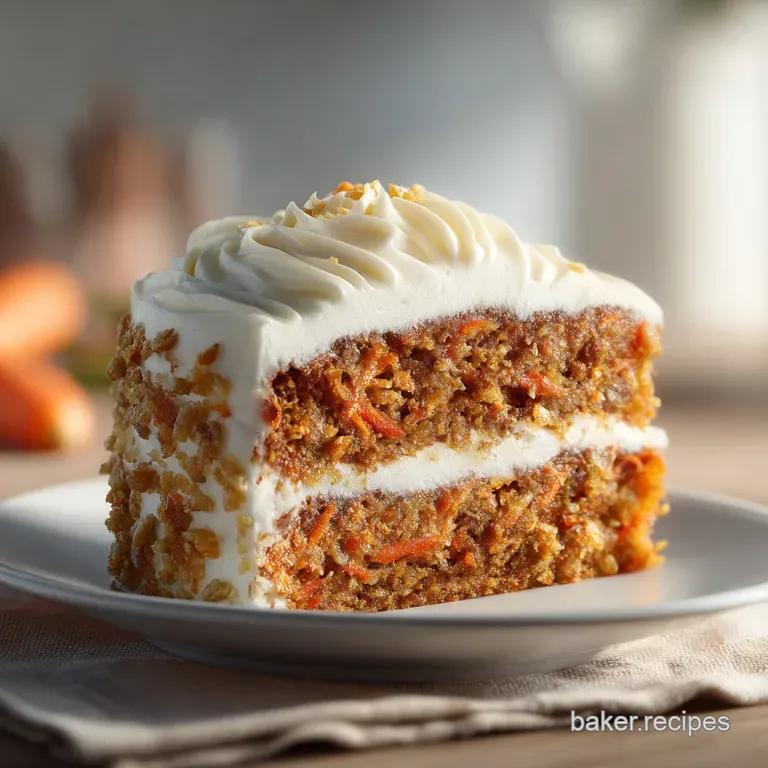
When you're ready to serve the best carrot cake recipe, let the slices sit at room temperature for about 20 minutes. This allows the fat in the frosting to soften slightly, giving it that characteristic velvety mouthfeel.
If you serve it straight from the fridge, the butter in the frosting will be firm, and you won't get the full impact of the vanilla and lemon.
For a beautiful finish, I love pressing crushed toasted pecans into the sides of the cake. It adds a necessary "shatter" to the texture that contrasts beautifully with the soft crumb. If you're feeling extra, a drizzle of salted caramel over the top of each slice right before serving is a total game changer. It pairs perfectly with a dark roast coffee or a spicy chai tea, which complements the ginger and nutmeg in the cake. If you're looking for another classic to add to your repertoire, you really can't go wrong with a decadent chocolate layer cake to balance out the spice with some deep cocoa notes.

Recipe FAQs
What is the secret to a good carrot cake?
Whisk the eggs and sugars for the full 5 minutes. This step creates the essential aeration that gives the cake its lift, similar to the mastery of aeration required for a light sponge cake.
Which carrot cake mix is better, Duncan Hines or Betty Crocker?
Neither, as scratch made is superior. Using fresh carrots, high-quality spices, and the prescribed folding technique produces a significantly better texture and moisture content than any boxed mix.
Can you eat carrot cake with diabetes?
Consult your physician before consuming. This recipe contains significant amounts of sugar and flour, so it is best enjoyed in moderation as part of a balanced diet.
What are common carrot cake mistakes?
Over mixing the batter after adding flour is a frequent error. Use a gentle "cut and fold" motion with your spatula to keep the eggs from deflating, which maintains the cake's light structure.
How to prevent the cake from becoming dense?
Drain the crushed pineapple in a fine mesh sieve for at least 5 minutes. Excess liquid from the pineapple or watery carrots can weigh down the crumb and result in a gummy texture.
How to ensure the cream cheese frosting is smooth?
Use room temperature ingredients and beat the cream cheese and butter together first. Ensure they are fully combined until smooth before gradually incorporating the sifted confectioners' sugar to avoid lumps.
Is it true that I should use refrigerated eggs for this recipe?
No, this is a common misconception. You must use room temperature eggs because they emulsify much more effectively with the neutral oil, preventing the batter from splitting.
The Best Carrot Cake
Ingredients:
Instructions:
Nutrition Facts:
| Calories | 634 kcal |
|---|---|
| Protein | 6.4g |
| Fat | 35.9g |
| Carbs | 70.8g |
| Fiber | 1.6g |
| Sugar | 52.3g |
| Sodium | 341mg |
