The Best Pico De Gallo Recipe: Fresh and Zesty
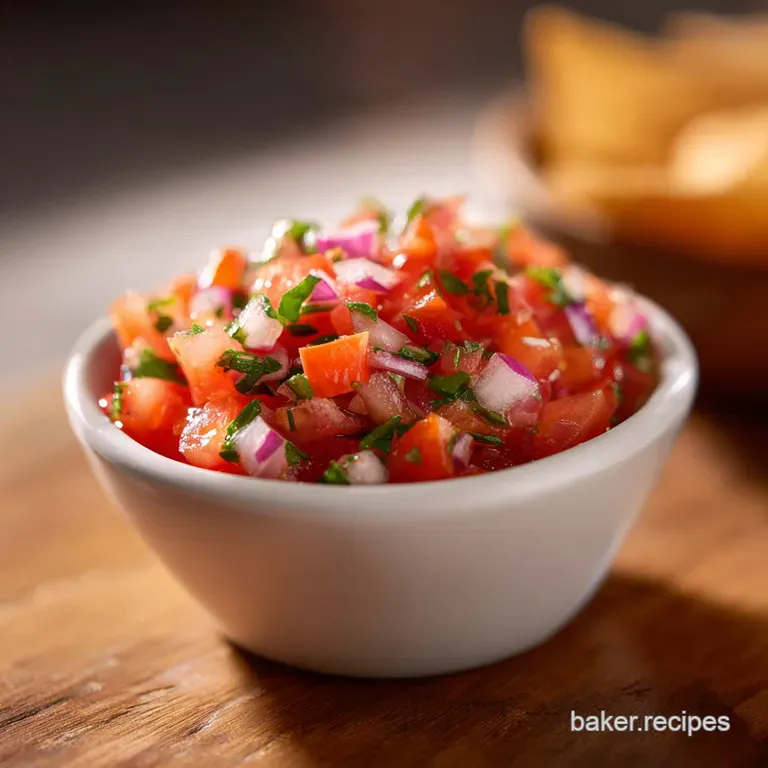
- Time: Active 15 minutes, Passive 15 minutes, Total 30 minutes
- Flavor/Texture Hook: Crunchy, zingy, and remarkably fresh
- Perfect for: budget-friendly hosting, taco nights, or healthy snacking
- Why This Method Actually Works
- Ingredient Deep Dive and Swaps
- Essential Recipe Measurements
- Necessary Kitchen Gear
- Master the Chopping Process
- Troubleshooting and Quick Fixes
- Creative Flavor Variations
- Storage and Smart Leftovers
- Serving Suggestions and Pairings
- Myths About Fresh Salsa
- Recipe FAQs
- 📝 Recipe Card
You know that sound when a sharp knife glides through a firm Roma tomato and hits the wooden cutting board with a rhythmic thwack thwack thwack? That is the sound of a perfect afternoon in my kitchen. I used to think any chopped tomato and onion mix qualified as a good salsa, but I was wrong.
I remember hosting a backyard barbecue years ago where I served what I thought was a decent batch, only to watch it turn into a watery, grey puddle within twenty minutes of sitting on the table. It was heartbreaking.
The chips turned soggy, the flavor washed out, and I realized I was missing the fundamental "why" behind the texture.
The secret isn't just in the chopping; it's in the way we treat the moisture. Most people just throw everything in a bowl and hope for the best. But to get the best pico de gallo recipe results, you have to understand that a tomato is basically a water balloon.
If you don't control that water, it will control your dish. We are going to treat our Roma tomatoes our budget friendly heroes with a little bit of salt and a little bit of patience to make sure every bite is a crisp explosion of flavor rather than a soggy disappointment.
This recipe is built for the home cook who wants high impact flavor without spending a fortune on "heirloom" anything. We are using standard, meaty Romas because they have the best flesh to seed ratio for this specific job. We’re going to pair them with sharp white onions and the biting heat of serrano peppers.
It’s simple, it’s accessible, and once you master the salt drain move, you’ll never go back to store-bought jars again. Trust me, your chips deserve this level of respect.
Why This Method Actually Works
Getting that restaurant quality "crunch" requires a little bit of kitchen logic. It isn't magic; it's just managing how the ingredients interact before they even hit the bowl.
- Osmotic Extraction: Salting the diced tomatoes separately draws out excess internal moisture through osmosis, which prevents the final salsa from becoming diluted and watery.
- Acidic Maceration: Letting the onions and peppers sit in lime juice for ten minutes breaks down the sulfurous compounds in the onion, removing that "raw onion breath" aftertaste.
- Meaty Texture: Choosing Roma tomatoes over beefsteak or cherry varieties provides a higher ratio of firm flesh to jelly like seeds, which creates a more substantial, "shatter crisp" bite.
- Flavor Fusion: The small pinch of cumin acts as a bridge, connecting the bright acidity of the lime with the earthy, green notes of the fresh cilantro.
| Servings | Tomato Quantity | Onion Quantity | Bowl Size | Prep Time |
|---|---|---|---|---|
| 2 People | 0.3 lb (1-2 Romas) | 2 tbsp diced | Small cereal bowl | 10 minutes |
| 6 People | 1 lb (4-5 Romas) | 0.5 large onion | 2 quart mixing bowl | 15 minutes |
| 12 People | 2 lbs (8-10 Romas) | 1 full large onion | 4 quart glass bowl | 25 minutes |
This serving guide helps you scale for a small snack or a full blown party. Remember that the ratio of onion to tomato is the most important factor in keeping the balance right. Too much onion and it becomes pungent; too little and it loses its structural integrity.
Ingredient Deep Dive and Swaps
The Roma tomato is the undisputed champion of this recipe because of its low hydration levels. Unlike a juicy slicing tomato that collapses into mush, the Roma holds its shape even after being tossed with salt and acid. It’s the budget conscious choice that actually yields the most professional result.
If you can't find Romas, plum tomatoes are your next best bet. Avoid large, watery greenhouse tomatoes unless you plan on removing every single seed and the surrounding gel, which is just too much work for a Tuesday night.
| Ingredient | Role in Dish | Pro Secret |
|---|---|---|
| Roma Tomatoes | Structural Base | Salt them for 10 minutes to prevent "salsa soup." |
| White Onion | Sharpness & Crunch | Use white over red for a more authentic, clean bite. |
| Serrano Peppers | Bright, Sharp Heat | Minced tiny so the heat is a hum, not a hammer. |
| Fresh Lime Juice | Acidic Catalyst | Always zest the lime before juicing for extra aroma. |
When it comes to the peppers, I prefer serranos over jalapeños. Serranos have a thinner skin and a brighter, more forward heat that cuts through the richness of a greasy taco. However, if you're sensitive to spice, jalapeños are a perfectly acceptable, milder substitute.
Just make sure you're using fresh lime juice the bottled stuff has a metallic tang that can ruin the delicate balance of the fresh vegetables.
For the onion, white onion is traditional because it has a higher water content and a sharper "snap" than yellow or red onions. It cleanses the palate between bites of rich meat or cheese. If you must use red onion, soak it in cold water for 10 minutes before dicing to take the edge off. And if you're looking for something different, maybe try comparing the acidity here to a cooked version like a proper chili tomato sauce — you'll see how heat changes the tomato's personality entirely.
Essential Recipe Measurements
- 1 lb Roma tomatoes: Diced into consistent 1/4 inch cubes. Why this? Consistency ensures every bite has an even ratio of all ingredients.
- 0.5 large white onion: Diced to match the size of the tomatoes. Why this? Uniformity prevents one ingredient from overwhelming the texture.
- 2 serrano peppers: Minced finely. Why this? Smaller pieces distribute heat evenly throughout the entire bowl.
- 1 cup fresh cilantro: Chopped (include some tender stems for flavor). Why this? Stems hold more essential oils than the leaves alone.
- 2 tbsp fresh lime juice: Approximately the juice of one large, juicy lime. Why this? Provides the necessary pH to "cook" the onions slightly.
- 1 tsp kosher salt: Divided use (half for tomatoes, half for the mix). Why this? Salt is used both as a tool for drainage and a seasoning.
- 1 pinch ground cumin: Just a tiny dusting. Why this? Adds a subtle earthy depth that makes the recipe taste "finished."
| Original Ingredient | Substitute | Why It Works |
|---|---|---|
| Serrano Peppers | Jalapeño Peppers | Lower heat profile. Note: Remove seeds for even less spice. |
| White Onion | Red Onion | Adds color. Note: Taste is sweeter and slightly more pungent. |
| Lime Juice | Lemon Juice | Similar acidity. Note: Lacks the specific floral notes of Mexican limes. |
If you are out of fresh peppers entirely, a half teaspoon of red pepper flakes can work in a pinch, though you’ll lose that fresh "green" crunch that defines this dish. Some people even like to swap the cumin for a little bit of dried oregano for a more Mediterranean vibe, but for an authentic gallo recipe, keep it simple.
Necessary Kitchen Gear
You don't need a high end food processor for this. In fact, I’d argue a food processor is the enemy of the best pico. It turns your beautiful vegetables into a muddy puree. All you really need is a very sharp chef's knife.
A dull knife will bruise the tomatoes, causing them to leak juice prematurely and turn mushy. I like a 8 inch blade for the tomatoes and a smaller paring knife for de seeding the peppers.
A non reactive mixing bowl is also crucial. Glass or stainless steel is perfect. Avoid aluminum or copper, as the high acidity of the lime juice can react with the metal and give your salsa a funky, tinny taste. You'll also want a fine mesh strainer. This is the MVP of the "no soup" strategy.
By letting the tomatoes sit in the strainer over a bowl, you can collect that tomato water. Don't throw it away! It's basically liquid gold add it to a bloody mary or use it to deglaze a pan for a different sauce.
Speaking of sauces, if you find yourself with too many tomatoes and no time to chop, you might consider the difference between this raw prep and a stovetop method. While we're making a fresh salsa here, a speedy pesto cream sauce shows how different techniques like emulsification create totally different mouthfeels. But for today, we are sticking to the raw, rugged crunch of the knife.
Master the Chopping Process
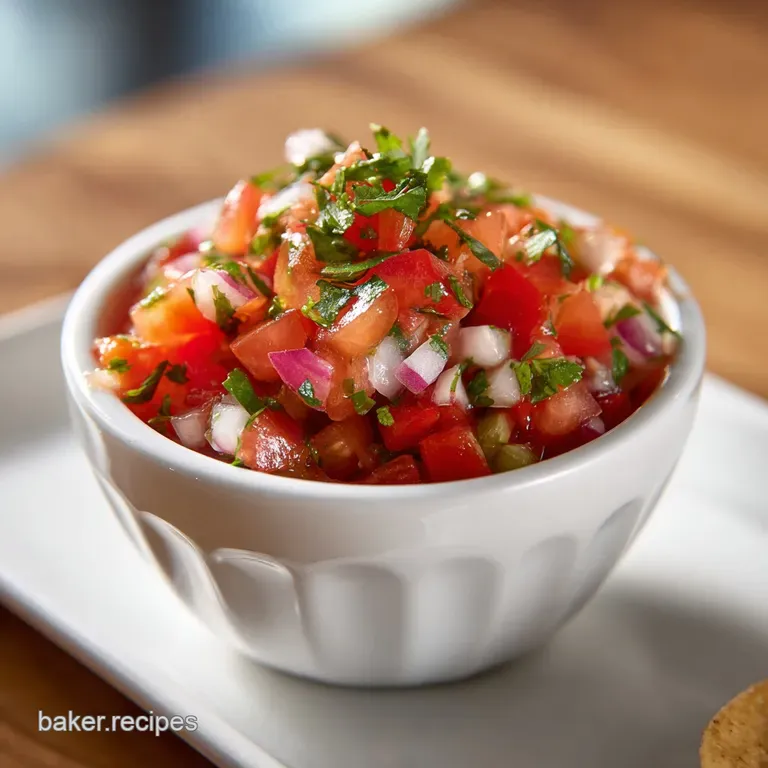
- Dice the Roma tomatoes. Aim for 1/4 inch cubes. Note: Keep them uniform so they drain at the same rate.
- Salt and drain. Place tomatoes in a fine mesh strainer over a bowl and sprinkle with 1/2 teaspoon of kosher salt.
- Wait 10 minutes. Let the salt pull the water out of the tomatoes until they look slightly matte and firm.
- Mince the aromatics. While tomatoes drain, dice the white onion and finely mince the serrano peppers.
- Macerate the base. Combine the onion, peppers, and lime juice in a bowl.
- Rest the base. Let the onion mixture sit for 5 to 10 minutes until the onion loses its harsh bite.
- Discard the liquid. Throw away the tomato water or save it for another use; do not add it back to the bowl.
- Combine the elements. Add the drained tomatoes to the onion and pepper mixture.
- Season and toss. Add the cilantro, remaining 1/2 tsp salt, and the pinch of cumin.
- Final integration. Gently toss until the cilantro is evenly distributed and the colors are vibrant.
When you're dicing those tomatoes, try to use a serrated knife if your chef's knife isn't "scary sharp." It will saw through the skin without squashing the delicate flesh. For the peppers, I always recommend wearing gloves if you have them, or at least washing your hands immediately after.
I've made the mistake of rubbing my eye after dicing serranos, and let's just say it's a mistake you only make once.
The maceration step for the onions is where the magic happens. You’ll notice the onions turn slightly translucent and the smell changes from "sharp" to "bright." This is essentially a quick pickle. It ensures that when you take a big scoop of pico, you aren't overwhelmed by a single chunk of spicy, raw onion.
It makes the whole dish feel more harmonious and professional.
Troubleshooting and Quick Fixes
Sometimes, even with the best intentions, things go sideways. Maybe your tomatoes were a little too ripe, or your peppers were unexpectedly "nuclear" levels of spicy. Don't panic. Most salsa issues are easily fixed with a little bit of kitchen chemistry.
Why Your Salsa is Still Watery
If you skipped the straining step or used very soft tomatoes, you might still end up with a pool of liquid at the bottom. The easiest fix is to simply use a slotted spoon when serving. This allows the excess juice to stay in the bowl while you get the crunchy bits on your taco.
Alternatively, you can add a tablespoon of finely toasted breadcrumbs not traditional, but they'll soak up the juice and disappear into the texture.
Why Your Pico Lacks "Pop"
If the flavor feels flat, it’s almost always a lack of salt or acid. Salt doesn't just make things salty; it "unlocks" the flavor of the tomato. Add another pinch of salt and a squeeze more lime. If it still feels dull, check your cilantro. If the cilantro is old, it loses its citrusy punch.
Adding a tiny bit of lime zest can often revive a "tired" batch of salsa.
| Problem | Root Cause | Solution |
|---|---|---|
| Too Much Heat | Pepper seeds or ribs included | Add more diced tomatoes or a little diced cucumber to dilute. |
| Bitter Aftertaste | Over chopped cilantro or old lime | Add a tiny pinch of sugar to balance the bitterness. |
| Mushy Texture | Dull knife or over mixing | Stop stirring! Fold ingredients gently with a rubber spatula. |
Common Mistakes Checklist:
- ✓ Never use a food processor: It aerates the tomatoes and turns the salsa pink and foamy.
- ✓ Don't skip the salt drain: This is the only way to ensure a crisp, non watery result.
- ✓ Avoid "light" lime juice: Only use fresh squeezed for the correct enzymatic reaction with the onions.
- ✓ Watch the cilantro stems: Thick stems can be woody; stick to the leaves and tender upper stems.
- ✓ Check your pepper heat: Always taste a tiny piece of the pepper first; heat levels vary wildly by season.
Creative Flavor Variations
If you've mastered the basic version and want to branch out, there are several ways to shift the flavor profile without losing the integrity of the dish. A popular budget friendly move is to add seasonal fruit. Since tomatoes are technically a fruit, they play incredibly well with others.
- Tropical Flare: Swap half the tomatoes for diced mango or pineapple. The sweetness counters the serrano heat perfectly.
- The Earthy Note: Add a half cup of black beans (rinsed well) and some corn. This turns it into more of a "Texas Caviar" style that's very filling.
- The Smoky Twist: Briefly char the serrano peppers over a gas flame before mincing. This adds a deep, roasted aroma that pairs beautifully with grilled meats.
If you are looking for a completely different vibe, you could even try adding a bit of the spices found in an easy spiced cranberry orange sauce — though that's pushing into fusion territory! Usually, sticking to the "3 ingredient pico de gallo" philosophy (tomato, onion, pepper) plus the seasoning is the safest bet for success.
For those who absolutely hate cilantro (the "soap" gene is real!), you can substitute it with fresh flat leaf parsley and a bit of fresh mint. It won't be traditional, but it will provide that necessary green freshness without the soapy aftertaste.
It makes for a very "garden fresh" pico de gallo without cilantro that still feels sophisticated.
Storage and Smart Leftovers
Freshness is the soul of this dish. It is at its absolute peak about 30 minutes after you mix everything together. That being said, you can store it in the fridge for up to 3 days.
Just be aware that the salt will continue to draw moisture out over time, so you will need to drain it again before serving the next day.
- Fridge: Store in an airtight glass container for 2-3 days.
- Freezer: Do not freeze! The cell walls of the tomatoes will burst, and you'll end up with a bag of mush when it thaws.
- Zero Waste Tip: If you have leftovers that are starting to look a bit sad on day 4, don't toss them. Throw the whole batch into a blender with a little bit of chicken stock and a clove of garlic. Simmer it for 10 minutes, and you have a fantastic, quick base for a Mexican inspired soup or a poaching liquid for shredded chicken.
Another way to use up the "dregs" of the salsa is to mix them into your morning scrambled eggs. The lime and onion flavor the eggs beautifully, and the softened tomatoes become almost like a jam. It’s a great way to make sure nothing goes to waste while still enjoying those bold flavors.
Serving Suggestions and Pairings
This salsa is the ultimate utility player. Obviously, it belongs on a taco, but its bright acidity makes it a perfect foil for fatty, rich foods. I love serving a big bowl of this alongside some grilled carne asada or even a simple piece of roasted salmon.
The lime juice acts like a palate cleanser, making every bite of meat taste just as good as the first.
If you want to get fancy, use it as a topping for a toasted baguette with a little bit of goat cheese. It’s like a Mexican bruschetta. The crunch of the bread paired with the snap of the onions and the creaminess of the cheese is a textural dream.
You can also mix it into a bowl of hot quinoa or rice to instantly turn a boring side dish into something flavorful and colorful.
When thinking about pairings, think about contrast. If your main dish is heavy or fried, this pico is the perfect companion. But if you're serving something already very acidic, like a ceviche, you might want to dial back the lime in the salsa so you don't overwhelm the palate with sour notes.
It’s all about that balance. Right then, grab your knife and let’s get chopping this is truly the only pico recipe you’ll ever need.
Myths About Fresh Salsa
One of the biggest misconceptions is that you need to use "vine ripened" or expensive heirloom tomatoes for a good result. In reality, the high water content of those luxury tomatoes often makes them a poor choice for a chunky salsa.
The humble Roma, often the cheapest option at the grocery store, is actually the superior choice because of its density.
Another myth is that the "heat" of the pepper is all in the seeds. While the seeds are hot, the majority of the capsaicin is actually stored in the white internal ribs (the pith) of the pepper. If you want a milder salsa, removing the ribs is much more effective than just shaking out the seeds.
Finally,, many people believe that pico de gallo and salsa cruda are different things. They aren't! "Pico de gallo" literally translates to "rooster's beak," and while the origins of the name are debated, it refers to the same fresh, raw, chunky salad style sauce we just made.
Don't let fancy restaurant menus convince you that you need special ingredients to make this happen at home.
| Method | Cook Time | Resulting Texture | Best For |
|---|---|---|---|
| Raw (This Recipe) | 0 mins | Shatter crisp, vibrant | Tacos, chips, fresh topping |
| Roasted (Stovetop) | 15 mins | Smoky, soft, blended | Enchilada sauce, chilaquiles |
| Broiled (Oven) | 10 mins | Charred, slightly sweet | Dipping with heavy corn chips |
While we love the raw version for its crunch, roasting the same ingredients under a broiler for 10 minutes creates a totally different experience. The sugars in the tomatoes caramelize, and the heat of the peppers mellows out into a deep, lingering glow.
Both have their place, but for that classic "snap," raw is the only way to go.
Recipe FAQs
What's the secret to the best pico de gallo?
Drain your tomatoes after salting. Removing excess moisture prevents the salsa from becoming watery and ensures the flavors stay concentrated, a principle of liquid control similar to our creamy condiment technique for maintaining consistency.
How do you make Guy Fieri's pico de gallo?
Focus on precision dicing and maceration. Dice Roma tomatoes into consistent 1/4 inch cubes, drain them for 10 minutes with salt, and macerate the white onion and serrano peppers in lime juice to mellow the bite.
Is pico de gallo ok for diabetics?
Yes, it is generally a safe option. It is made entirely from fresh vegetables, lime juice, and spices, making it very low in calories and naturally sugar-free.
Is yellow or white onion better for pico de gallo?
White onion is the superior choice. It offers a sharper, cleaner flavor profile that balances the acidity of the lime juice far better than the milder, sweeter yellow onion.
Is it true I can freeze leftover pico de gallo for later?
No, this is a common misconception. Freezing causes tomato cell walls to burst, which will result in an unappetizing, mushy texture once thawed.
How to keep the cilantro from wilting?
Add the cilantro as the very last step. Mixing it in right before serving ensures the leaves stay vibrant and fresh rather than breaking down in the lime juice and salt.
How to mellow the heat if the serranos are too spicy?
Remove the seeds and membranes from the peppers before mincing. Most of the capsaicin, which provides the intense heat, is concentrated in the white pith rather than the flesh of the pepper.
The Best Pico De Gallo
Ingredients:
Instructions:
Nutrition Facts:
| Calories | 27 kcal |
|---|---|
| Protein | 1.1 g |
| Fat | 0.2 g |
| Carbs | 6.1 g |
| Fiber | 1.5 g |
| Sugar | 3.1 g |
| Sodium | 387 mg |
