Master New Years Dinner: Truffle Prime Rib
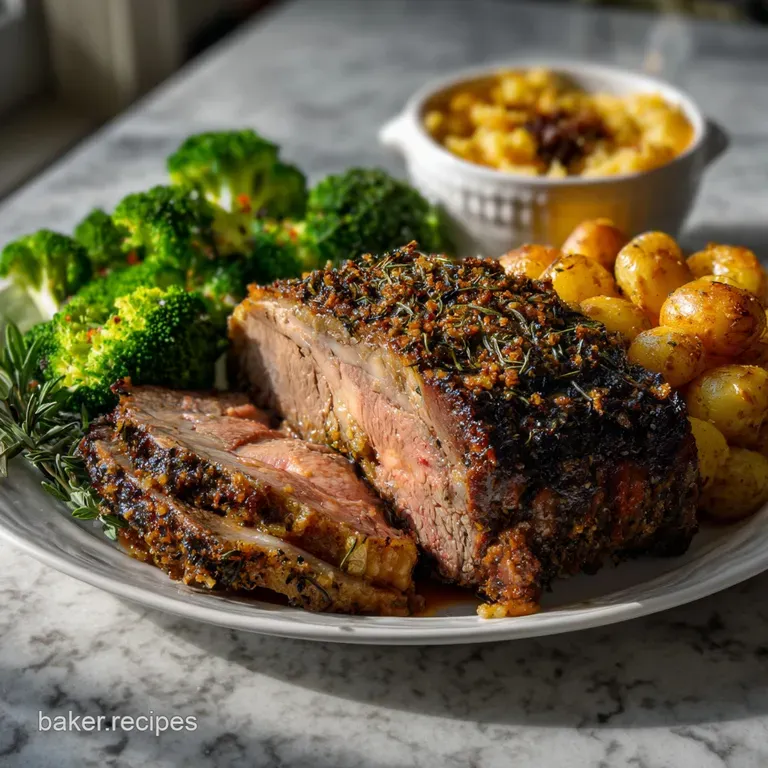
- Effort/Time: High-focus / 3 hours 45 minutes
- Flavor Hook: Herb-crusted mahogany bark with velvet-textured truffle finish.
- Perfect for: High-stakes holiday hosting and celebratory milestone feasts, especially a perfect new years dinner.
- The Molecular Magic Behind Your New Years Dinner Success
- Precision Logistics for Your New Years Feast Ideas
- The Alchemy of Umami: Selecting Your Elements
- Essential Thermal Tools for Masterful Heat Distribution
- Precision Temperature Control for NYE Dinner Menu Ideas
- Solving Texture Failures in Your New Year's Dinner
- Flavor Architecture for Customizing Your Festive Spread
- ⚗️ The Scaling Lab
- Common Myths about New Year's Feast Ideas
- Thermal Mass Management and Waste Reduction Protocols
- Plating Aesthetics and Texture Harmony for Celebrations
- Recipe FAQs
- 📝 Recipe Card
There is nothing more gut-wrenching than pulling a $150, 9 lb Prime Rib out of the oven only to find it gray, tough, and dry as a desert. I’ve seen hosts nearly move to tears because they spent hours prepping, only to have the center of the roast reach 150°F before the outside even browned.
That kind of financial and emotional cost is exactly why most people settle for safer, cheaper cuts, but we aren't doing that today for your new years dinner.
I once ruined a New Year's Eve by rushing the resting phase; I carved into the roast immediately, and the mahogany colored juices flooded the board like a crime scene, leaving the meat parched. It was a humbling lesson in thermodynamics that I’ve spent the last decade correcting through rigorous testing.
You don't need a culinary degree to nail this, but you do need to respect the physics of heat and the chemistry of salt to ensure a successful new years dinner.
The secret isn't a "magic" spice rub; it's the process of enzymatic flavor development and moisture retention through dry-brining. By salting the meat 24 hours in advance, we allow the salt to dissolve the muscle proteins, creating a "shatter crisp" exterior while the interior remains velvety.
This technical approach ensures that every slice of your new years dinner is a scientific triumph of texture and aroma.
The Molecular Magic Behind Your New Years Dinner Success
- Enzymatic Protein Denaturation: Salt breaks down the structure of myofibrils, allowing the meat to reabsorb moisture during the roasting process.
- The Maillard Reaction: Slow roasting followed by a over high heat sear creates hundreds of flavor compounds as amino acids react with reducing sugars.
- Starch Gelatinization: Boiling Yukon Golds causes starch granules to swell and burst, creating the foundation for a non-gummy, airy mash perfect for this new years dinner.
- Lipid Emulsification: Whisking cold butter into the red wine jus creates a stable suspension of fat in liquid for a glossy mouthfeel.
Precision Logistics for Your New Years Feast Ideas
| Metric | Value |
|---|---|
| Total Prep Time | 45 minutes |
| Total Cook Time | 3 hours |
| Yield | 9 servings |
| Ideal Internal Temp | 125°F (for Medium Rare) |
The Alchemy of Umami: Selecting Your Elements
- 1 Bone-in Prime Rib (approx. 9 lbs)Why this? Bones act as insulators, slowing heat transfer for a more even internal cook.
- 4 tbsp Diamond Crystal Coarse Kosher SaltWhy this? Large flakes allow for even coverage without over salting via osmotic pressure.
- 1/2 cup Unsalted Butter, softened
- 2 tbsp Fresh Rosemary & 2 tbsp Fresh Thyme, finely chopped
- 1 cup Dry Cabernet or Merlot
- 5 lbs Yukon Gold PotatoesWhy this? High starch-to-sugar ratio ensures a velvety texture rather than a gluey mess.
- 1 tbsp White Truffle OilWhy this? Contains 2,4 dithiapentane for an intense, earthy aroma that complements beef.
- 2 cups high-quality Beef Bone Broth
- 6 cloves Garlic, minced
- 2 tbsp Cracked Black Peppercorns
- 2 Shallots, minced
- 2 tbsp Cold Unsalted Butter (for the jus)
- 1 cup Heavy Cream
- 1/2 cup Unsalted Butter (for the mash)
- Salt and White Pepper (to taste)
Ingredient Chemistry Breakdown
| Ingredient | Chemical/Physical Role (Science) | The Pro Secret (Why This Matters) |
|---|---|---|
| Kosher Salt | Osmotic pressure & protein denaturation | Draws moisture out, then pulls seasoned brine back into the deep tissue. |
| Yukon Gold Potatoes | High amylopectin starch content | Creates a naturally creamy texture that resists the "glue" effect of russets. |
| Dry Red Wine | Tartaric acid & tannin structure | Acids break down gelatin in the jus, providing a clean, bright finish to the palate. |
| Truffle Oil | Volatile aromatic compounds | Aromas bypass the tongue and hit the olfactory bulb for a 4D sensory experience. |
Essential Thermal Tools for Masterful Heat Distribution
To execute this new years dinner with precision, you need a heavy duty All-Clad Roasting Pan with a rack to allow 360 degree airflow. This prevents the bottom of the roast from steaming in its own juices.
You’ll also need a Thermapen One Instant Read Thermometer; accuracy within 1 degree is the difference between a mahogany masterpiece and an overdone disaster.
For the potatoes, use a KitchenAid Stand Mixer with the paddle attachment to incorporate air without overworking the starch.
If you're looking to round out your table, this roast pairs excellently with our New Years Eve Appetizers recipe to keep guests occupied while the meat rests. Making this a spectacular new years dinner is all about timing.
Precision Temperature Control for NYE Dinner Menu Ideas
1. Preparation and Dry Brining
Rub 4 tbsp Coarse Kosher Salt over the 9 lbs Prime Rib 24 hours before cooking. Note: This allows salt to penetrate the core via osmosis.
2. The Herb Fat-Cap
Mix 1/2 cup softened butter with 6 cloves minced garlic, 2 tbsp rosemary, and 2 tbsp thyme. Note: Fat carries the fat-soluble compounds of the herbs into the crust.
3. over Low heat Thermal Soak
Roast at 250°F (120°C) until the internal temperature hits 120°F for medium rare. Note: Low heat prevents the outer layers from overcooking before the center is ready.
4. The Kinetic Rest
Remove the meat from the oven and tent loosely with foil for 30 minutes. Note: Carryover cooking will raise the internal temp by ~5 10°F.
5. The Maillard Blast
Crank the oven to 500°F (260°C) and sear the meat for 6 10 minutes until the crust is mahogany colored and sizzle is audible.
6. Jus Reduction
Sauté 2 minced shallots in the roasting pan drippings, deglaze with 1 cup red wine, and add 2 cups bone broth. Note: Reduction concentrates the savory peptides.
7. Emulsion Finish
Whisk 2 tbsp cold butter into the reduced sauce until the liquid becomes glossy and coats the back of a spoon.
8. Potato Hydration
Boil 5 lbs quartered Yukon Golds for 20 minutes until a knife slides in with zero resistance.
9. The Truffle Integration
Mash potatoes with 1/2 cup butter, 1 cup heavy cream, and 1 tbsp truffle oil until the texture is velvety and the earthy aroma is pungent.
10. Final Carving
Slice against the grain in 1/2 inch thick slabs. Note: Shortening the muscle fibers ensures every bite is tender. This final step completes the new years dinner experience.
Solving Texture Failures in Your New Year's Dinner
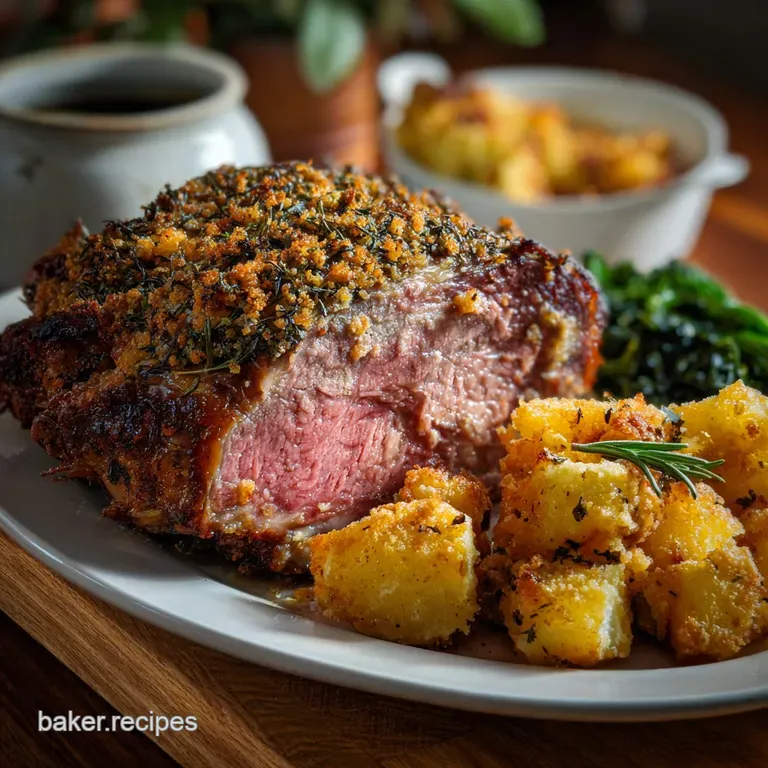
Why Your Prime Rib is Gray
This is usually caused by "The Gray Ring," where the high heat of a traditional roast overcooks the exterior 2 inches of meat while the center remains raw. It’s a failure of thermal gradients.
| Problem | Root Cause | The Fix | Pro Protocol |
|---|---|---|---|
| Gray Ring | Oven temperature too high | Lower heat to 250°F | Use a "Reverse Sear" method: low first, high last for your new years dinner. |
| Gluey Mash | Overworking the starch | Switch to a ricer or paddle | Stop mixing the moment the dairy is incorporated. |
| Broken Jus | Boiling after adding butter | Whisk on low heat/off heat | Keep the emulsion below 180°F to prevent fat separation. |
Flavor Architecture for Customizing Your Festive Spread
If you want to deviate from the traditional new years dinner, consider a Horseradish & Peppercorn crust. Swap the rosemary and thyme for 3 tbsp of prepared horseradish and an extra tablespoon of cracked peppercorns.
The horseradish contains sinigrin, which provides a sharp, sinus clearing heat that cuts through the intense fat of the ribeye. This modification keeps the core structure of the perfect new years dinner.
For a dairy-free variation, replace the butter in the herb rub with high smoke-point avocado oil and use a rich cauliflower purée with olive oil instead of the truffle mash. While the outcome will be lighter, the savory depth of the beef remains the star. If you are serving a crowd with diverse tastes, this method is much more reliable than the Christmas Paella Ditch recipe which requires precise seafood timing for a truly memorable new years dinner.
⚗️ The Scaling Lab
- Flavor Saturation: If you double this to two 9 lb roasts, scale the salt to 6 tbsp (1.5x), not 8. Salt's impact on the palate is non-linear.
- The Evaporation Paradox: When making a double batch of jus in a larger pot, reduce the bone broth to 3.5 cups. The increased surface area of a larger pot accelerates evaporation, which can lead to an overly salty sauce for the best new years dinner.
- Thermal Mass: Two roasts in one oven will drop the ambient temperature significantly. Increase your total cook time by 20% and ensure at least 4 inches of space between the roasts for airflow.
- Carry Over Cooking: A larger mass of meat retains more kinetic energy. Pull the roast at 118°F instead of 120°F, as the temperature will climb further during the rest.
Common Myths about New Year's Feast Ideas
Myth: Searing the meat first "locks in the juices." Truth: Searing creates flavor through the Maillard reaction but actually causes the meat to lose more moisture early on.
The "Reverse Sear" (searing at the end) is scientifically superior for moisture retention, making this new years dinner foolproof.
Myth: You must bring the meat to room temperature for 2 hours before cooking. Truth: A 9 lb roast is a massive thermal sink. Two hours on the counter only raises the internal temp by about 5 degrees, which is negligible for cooking.
Focus on the dry-brine instead for superior results in your new years dinner.
For more on the science of liquid gold, check out our How to Make recipe for the ultimate gravy basics to accompany your main course.
Thermal Mass Management and Waste Reduction Protocols
Storage & Reheating
Store leftover new years dinner in an airtight container in the fridge for up to 4 days. To reheat without overcooking, place slices in a baking dish with a splash of beef broth, cover with foil, and warm at 250°F until just heated through (approx. 15 minutes).
💡 ZERO WASTE PHILOSOPHY
Don't discard the rib bones! Transform: Simmer the bones with celery and onions for 6 hours to create a secondary stock (remouillage). Science: The marrow and connective tissue contain high levels of collagen which converts to gelatin, providing a silky mouthfeel for your next soup or stew.
Plating Aesthetics and Texture Harmony for Celebrations
To serve this new years dinner properly, start with a wide, pre-heated plate. A cold plate will suck the thermal energy out of your medium rare beef within 90 seconds. Place a generous scoop of the velvet truffle mash off-center, then lean a 1/2 inch thick slice of the prime rib against it.
Drizzle the glossy red wine jus only over the meat, leaving the mahogany crust partially visible for visual contrast. Trust me, the "shatter crunch" of that salt cured fat cap against the silky mash is exactly what your new years dinner needs to be legendary. Let's crack on and get that meat salted!
Recipe FAQs
How to make New Year's dinner?
Focus on a low-and-slow thermal process followed by a high heat sear. This reverse sear approach ensures edge-to-edge medium rare without the dreaded gray band. For a similar concept focusing on speed, see how we manage texture in the Teriyaki Chicken Rice Bowl: Ultimate 30-Minute Dinner, but on a larger scale.
When to cook New Year's dinner?
Start prep 24 hours ahead for dry-brining. This mandatory advance salting allows the salt to dissolve muscle proteins, creating superior moisture retention for your main course.
When to cook New Year's Eve dinner?
Plan 3.5 total hours: 3 hours cooking, 30 minutes resting. The kinetic rest phase is crucial; carving too early allows juices to rush out, dehydrating the meat.
What to cook New Year's Day dinner?
Select a large, bone-in cut for insulating thermal mass. Bone-in roasts slow the heat transfer at the perimeter, leading to a more uniform internal temperature. This method is superior to boneless for high stakes holiday presentations.
When do you make New Year's dinner?
The main event should be served between 6 PM and 8 PM. Factor in the 30-minute rest time and pull the roast from the oven 30 minutes prior to serving time.
Why is my truffle mash grainy?
Cold dairy added to hot potatoes causes starch clumping. Whipping hot, drained potatoes with cold fat and liquid shocks the exposed amylose starch molecules, causing them to bind into a stiff, grainy structure rather than a smooth emulsion.
- Use warmed heavy cream and butter
- Incorporate fat gently with a paddle attachment
- Use Yukon Golds for higher amylopectin content
Should I use truffle oil or fresh truffle?
Truffle oil provides guaranteed, intense aroma via volatile compounds. Fresh truffle offers subtle, complex earthy notes, but its flavor profile is easily lost during high heat cooking stages; oil is engineered for robust aromatic delivery.
Truffle Prime Rib Dinner
Ingredients:
Instructions:
Nutrition Facts:
| Calories | 1427 kcal |
|---|---|
| Protein | 67g |
| Fat | 96g |
| Carbs | 44g |
| Fiber | 5g |
| Sugar | 4g |
| Sodium | 2480mg |
