Baked Mac and Cheese: the Sunday Best Ultimate Creamy Casserole
- The Sunday Best: Why This Baked Mac and Cheese is the Ultimate Comfort Food
- The Science of Creaminess: Achieving the Perfect Mac & Cheese Texture
- Essential Ingredients for Ultimate Creamy Baked Mac and Cheese
- How to Assemble and Bake Your Ultimate Mac & Cheese
- Chef's Tips and Troubleshooting Your Baked Mac and Cheese
- Preparation, Storage, and Perfect Pairings
- Recipe FAQs
- 📝 Recipe Card
The Sunday Best: Why This Baked Mac and Cheese is the Ultimate Comfort Food
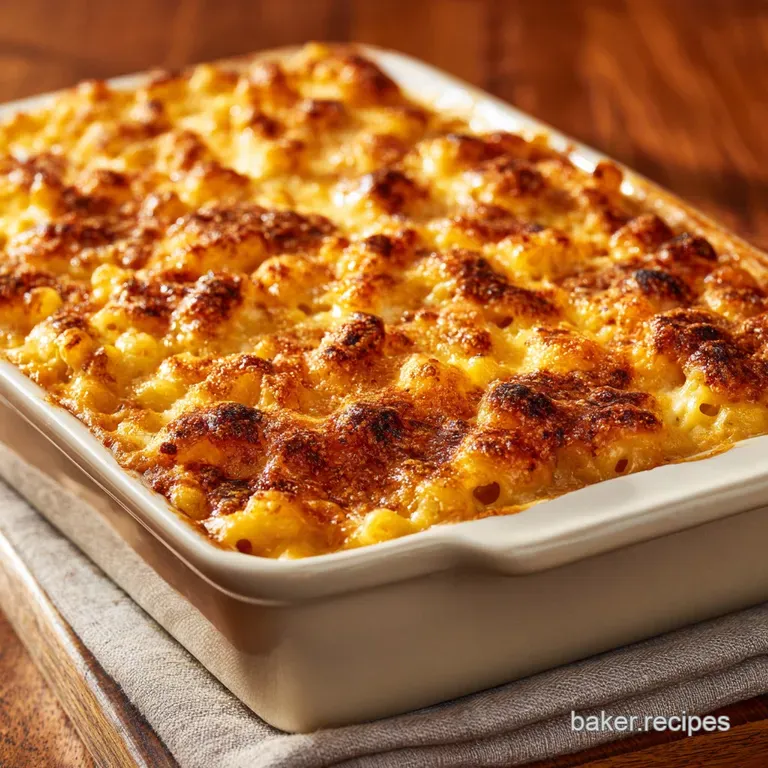
That moment when the casserole dish hits the table? Pure magic. You hear the crackle of the golden, buttery topping, and that rich, savoury aroma of sharp cheddar and nutmeg hits you immediately. It's the ultimate edible hug, comforting every single person at the dinner table.
Honestly, this recipe is a lifesaver for busy Sundays or when you desperately need cheering up. It looks incredibly impressive, but the process is far simpler than most people think.
Plus, making it from scratch means you control the ingredients, ditching all the questionable preservatives and weird powders found in boxed versions.
Forget every dry, grainy baked mac and cheese you’ve ever encountered; we are moving past those childhood trauma dishes. I've spent years perfecting the Béchamel base and now I'm sharing all my non-negotiable tricks including the secret weapon you must put in your sauce.
Let's crack on and make the creamiest, cheesiest Baked Mac and Cheese Casserole ever.
The Science of Creaminess: Achieving the Perfect Mac & Cheese Texture
What Makes This Recipe a 'Showstopper'?
The key difference here is foundation. We aren't relying on eggs or evaporated milk to hold things together, which often leads to a heavy, curdled texture. This recipe builds its creamy base entirely on a classic French Béchamel sauce, which is a milk sauce thickened with a roux (butter and flour).
This foundation ensures a silky smooth, incredibly stable sauce that stands up to baking without splitting or becoming oily.
A Note on Difficulty: Mastering the Classic Roux
Don't let the word "roux" scare you off; it's just melted butter and flour, cooked together. The only thing you need is patience and a good whisk. Cooking the roux for a full two minutes eliminates the raw flour taste, giving the sauce a subtle, nutty flavour that makes all the difference.
This two-minute cook time is non-negotiable.
Tools of the Trade: Equipment for Perfect Baking
You don't need fancy equipment, just the right vessel. A heavy bottomed saucepan is vital for the roux, preventing scorching and ensuring even heat distribution. A classic 9x13-inch glass or ceramic baking dish holds the heat perfectly and looks brilliant when served straight from the oven.
The Magic of the Béchamel: Foundation for Flawless Sauce
A flawless Béchamel is stable, thick, and coats the back of a spoon beautifully. Once the Béchamel is done, we turn it into a Mornay sauce by slowly melting in our chosen cheeses. This step must be done off the heat to keep the dairy happy, ensuring a magnificent, velvety finish.
Choosing Your Cheese Blend: Sharpness vs. Melt Factor
I learned the hard way that too much cheddar makes the dish oily. You need a blend. We use Sharp Cheddar for that signature tang and flavour depth, but we pair it with Gruyère. Gruyère offers phenomenal meltability and a lovely nutty, slightly earthy note that elevates the entire dish.
The Panko Difference: Why We Ditch Breadcrumbs
Standard fine breadcrumbs tend to turn into sad, soggy paste when baked over a liquid heavy dish. Panko is different; these Japanese bread flakes are larger, dryer, and incredibly crispy.
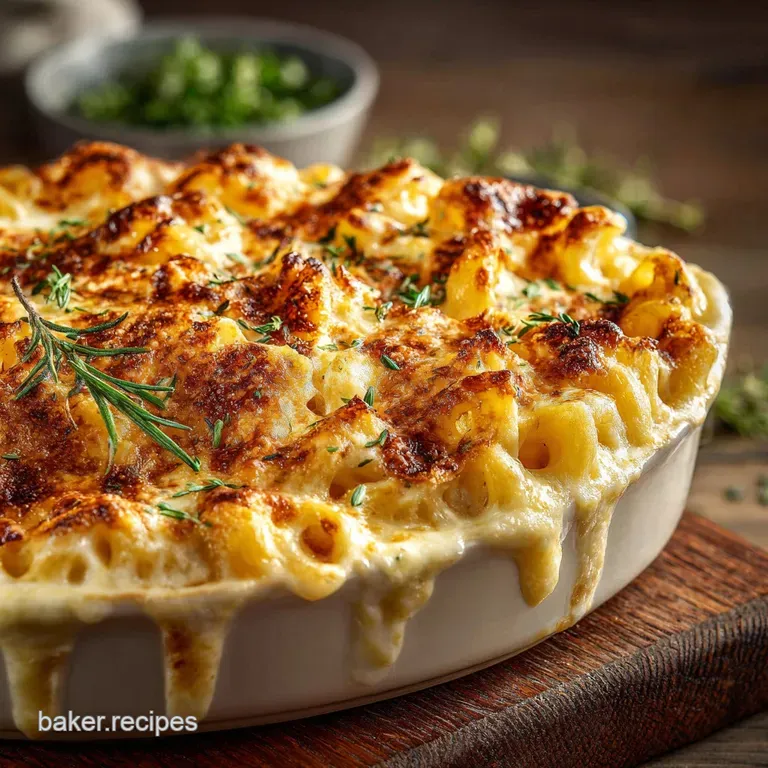
Mixing them with melted butter creates a light, golden, crunchy crust that remains perfectly crisp, offering a crucial textural contrast to the soft, gooey interior.
Essential Ingredients for Ultimate Creamy Baked Mac and Cheese
Trust me, ingredient quality matters here. If you use cheap, flavourless cheese, that’s exactly what you’ll taste. Invest in quality butter and sharp, complex cheeses.
Selecting the Right Pasta Shape for Optimal Sauce Adhesion
Elbow macaroni is the classic choice, obviously. But really, any small, tubular, or ribbed pasta will work beautifully, like medium shells or cavatappi. The ridges and hollows are designed to scoop up maximum amounts of that gorgeous, thick cheese sauce.
Dairy Matters: Full Fat Milk and Butter Quality
You absolutely need whole milk for the richest flavour and best texture. Using skim milk results in a thin, watery sauce because you lose the necessary fat content to properly emulsify the roux. Use unsalted butter so you control the salt content later.
Grating Cheese: Pre-Shredded vs. Block Cheese Debate
This isn't a debate, it's a rule: ALWAYS grate your own cheese. Pre-shredded bags are coated in anti caking agents like cellulose or potato starch. That stuff inhibits melting and is the number one cause of grainy, chalky cheese sauce. Don't skip this step!
Flavor Boosters: The Critical Role of Mustard Powder and Nutmeg
Mustard powder (just the dry stuff!) doesn't make the mac and cheese taste like mustard. Instead, it interacts with the dairy fats and enhances the natural sharpness of the cheddar, making the cheese taste more cheesy.
Nutmeg is the classic complement to Béchamel; it adds warmth and depth without being noticeable on its own.
| Ingredient | My Recommendation | Viable Substitution |
|---|---|---|
| Whole Milk | Crucial for richness | 2% Milk (use 1/2 cup less flour in roux) |
| Gruyère | Nutty, sharp melt | Sharp Provolone, Fontina, or high-quality Muenster |
| Cheddar | Sharp or Extra Sharp Block | Colby Jack or Monterrey Jack (for milder taste) |
| Panko | Best texture, highly recommended | Use regular breadcrumbs mixed with 1 Tbsp olive oil and toast them lightly first. |
How to Assemble and Bake Your Ultimate Mac & Cheese
Step 1: Preparing the Pasta Al Dente
Get that large pot of water boiling furiously and add a heavy hand of salt it should taste like the ocean! Add your pasta and cook it for 2 minutes less than the package directs .
I made the mistake of cooking it fully once; the final dish turned into a dense, starchy brick. Drain it, but don't rinse it; we want the surface starch to help the sauce cling.
Step 2: Building the Rich Béchamel Sauce and Roux
Melt the butter in your heavy pan over medium heat. Whisk in the flour until smooth, forming a pale paste. Cook this roux for 90 seconds to 2 minutes, stirring constantly until it smells slightly nutty that means the raw flour is cooked out.
Slowly, very slowly , whisk in the warm milk, pouring in only about a quarter cup at a time initially. If you rush this, you’ll get lumps, and nobody wants a lumpy cheese sauce.
Step 3: Creating the Cheese Sauce and Incorporating the Pasta (The 'Fold')
Once the Béchamel is thick and coats the back of a spoon (about 5– 7 minutes of simmering), remove the pan from the heat entirely. Stir in your seasonings: salt, pepper, paprika, nutmeg, and the mustard powder.
Now, add your freshly grated cheese in small handfuls, stirring until fully melted before adding the next batch. Once the sauce is glossy and thick, gently fold in your slightly undercooked pasta until every piece is glistening with sauce.
Crucial Chef’s Note: The cheese sauce must never boil once the cheese is added. High heat causes the fat and proteins to separate, resulting in a grainy, oily mess. Keep it low and slow off the heat!
Step 4: Layering, Topping, and Achieving a Golden Crust
Pour the creamy pasta mixture into your greased baking dish, spreading it out evenly. Toss the Panko with the melted butter in a separate small bowl, ensuring every crumb is coated. Sprinkle this Panko mixture and the final scattering of reserved cheese evenly over the top.
Bake at 375°F (190°C) for about 25– 30 minutes until the edges are bubbling vigorously and the topping is deeply golden. Don't rush the rest time; 10 minutes helps the sauce firm up beautifully.
Chef's Tips and Troubleshooting Your Baked Mac and Cheese
Preventing a Grainy Sauce: Temperature Control is Key
As mentioned, the biggest culprit is temperature shock and pre-shredded cheese. Always use block cheese and ensure your Béchamel is off the heat before adding the cheese. If your sauce starts to look split, immediately add a tablespoon of cold milk and whisk vigorously; sometimes you can save it!
Avoiding Oily Separation (The 'Grease Slick') After Baking
If you see a slick of orange oil on the surface after baking, you likely used too much high fat cheese, or you let the cheese sauce boil. Stick to the specified ratios in the recipe. If it does happen, you can sometimes gently blot the surface with a paper towel before serving.
The Secret to Maximizing the Cheese Pull
Want that epic, Instagram worthy pull? Use a combination of cheeses known for their stretch. Adding a small amount of low-moisture mozzarella (just half a cup) alongside the cheddar and Gruyère will dramatically increase the stringiness without diluting the flavour too much.
Preparation, Storage, and Perfect Pairings
make-ahead Guide: Preparing the Casserole 24 Hours in Advance
Baked mac and cheese is fantastic as a make-ahead dish, but here’s the trick: prepare the pasta and sauce, combine, and pour it into the baking dish, but DO NOT add the topping yet . Cover tightly and refrigerate for up to 24 hours.
When ready to bake, let it sit on the counter for 30 minutes while the oven preheats, then add the topping and bake as directed (you might need an extra 5– 10 minutes since it started cold).
Reheating Leftovers: Best Practices for Creamy Results
Does it freeze well? You bet it does! Fully baked mac and cheese freezes brilliantly. Cool completely, wrap it tightly in plastic wrap and foil, and freeze for up to 3 months. To reheat, thaw overnight in the fridge.
Bake covered with foil at 350°F (175°C) until warm throughout (about 30 minutes), then remove the foil for the last 5 minutes to crisp the topping.
Warning: Microwave reheating often dries out the pasta and dulls the sauce texture. Use the oven if you can!
What to Serve With Baked Mac and Cheese: Serving Suggestions
Because this dish is so rich and hearty, you need something fresh and bright to cut through the fat. A sharp, simple vinegar based coleslaw or a fresh green salad is ideal. If you're using this as a holiday main course, pairing it with something contrasting like a sharp, sweet side works wonders, perhaps alongside a Crock Pot Candied Sweet Potato Casserole No-Fuss Slow Cooker Bliss . For a simple weeknight addition, try a light, crisp protein like grilled fish or a classic side of quick braised collard greens.

Recipe FAQs
Why did my baked mac and cheese turn out dry or gritty?
This common issue typically occurs when the pasta is overcooked initially or if the cheese sauce lacks sufficient fat to bind the starches. Ensure you cook the pasta to a very firm al dente, and always use whole milk or heavy cream, as lower fat dairy products often cause the cheese proteins to seize and create a gritty texture.
Can I assemble the casserole ahead of time, and how should I store it?
Yes, you can assemble the mac and cheese completely, excluding the Panko topping, up to 24 hours in advance. Cover it tightly with plastic wrap and refrigerate; when ready to bake, let it stand at room temperature for 30 minutes, then add 10-15 minutes to the baking time to compensate for the chill.
My cheese sauce separated or looks oily; how do I fix a broken Béchamel?
Sauce separation usually results from overheating the cheese after it has melted, causing the fats to leak out. To fix a minor split, whisk in a tablespoon of cold milk or water off the heat, or try blending a small amount of cornstarch mixed with milk back into the sauce to emulsify it.
How do I ensure the Panko topping is perfectly crispy and doesn't become soggy?
The secret is using enough fat to coat the breadcrumbs and baking them hot and fast at the end. Generously toss your Panko with melted butter before sprinkling, and uncover the casserole for the last 10 minutes of baking to encourage maximum browning and crispness.
Can I substitute the cheeses used in this recipe?
Certainly, but always ensure a minimum of 60% high moisture melting cheese is used for structure. Gruyère, Fontina, or even a good quality Provolone make excellent substitutes for nutty depth, but keep a sharp cheddar in the mix for that quintessential mac and cheese tang.
I prefer a thicker sauce; how do I adjust the roux ratio?
The thickness is directly determined by the flour and butter used in your initial roux. To achieve a significantly thicker sauce, increase the flour and butter amounts by approximately 25%, ensuring you cook the flour mixture for at least one minute before adding the milk to prevent a starchy flavor.
What is the best way to reheat leftovers without losing the creaminess?
To refresh leftovers, place the desired portion in an oven safe dish and stir in a splash of milk or cream to replace the moisture lost during chilling. Cover the dish tightly with foil and bake at 350°F (175°C) until piping hot, which helps the sauce re-emulsify without drying out the pasta.
Ultimate Creamy Baked Mac And Cheese
Ingredients:
Instructions:
Nutrition Facts:
| Calories | 710 calories |
|---|---|
| Fat | 45 g |
| Fiber | 2 g |
