The Ultimate Umami Bomb 24Hour Marinade for Grills and Roasts
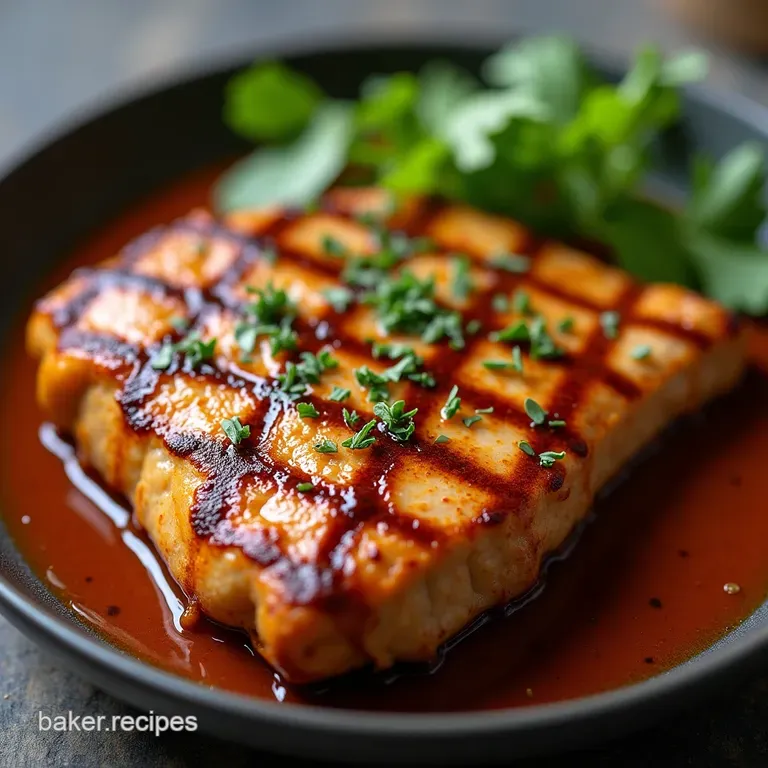
- Unlocking Deep Flavor: Why This Marinade Sauce Redefines Grilling
- The Core Philosophy Behind Our 'Umami Bomb' Blend
- Assembling the Essential Components for Maximum Savoriness
- Tool Check: What You Need to Mix Your Superior Marinade Sauce
- The Art of Emulsification: Crafting the Perfect Marinade Consistency
- The Crucial Waiting Game: Timing Your Marinade Saturation for Steak and Beyond
- Maximizing Flavor Retention: Storage and Leftover Management
- Creative Pivots: Adapting This Formula for Different Cuisines
- Recipe FAQs
- 📝 Recipe Card
Unlocking Deep Flavor: Why This Marinade Sauce Redefines Grilling
Forget the sad, thin bottled sauces that promise big flavour but deliver disappointment. A truly exceptional grilling or roasting experience hinges on foundational flavour layering, and nothing accomplishes this better than a thoughtfully crafted Marinade Sauce .
This isn't just about moistening meat; it’s about fundamentally altering the surface proteins to accept and hold incredible depth during the intense heat of cooking. Our signature recipe, which we affectionately call the "Umami Bomb," moves beyond simple salt and pepper, harnessing synergistic ingredients to create a powerful, bright, and utterly unforgettable coating that will make your food the star of any gathering.
The Core Philosophy Behind Our 'Umami Bomb' Blend
The goal of any great Marinade Sauce Recipe is balance. If you lean too heavily on acid, the meat becomes mushy; too much sugar leads to burning; too much salt dehydrates.
Our approach centres on achieving equilibrium while aggressively pushing the savoury profile the fifth taste, umami to the forefront. This deep savoury quality is what allows this sauce to function as the Best Marinade Sauce across multiple proteins, ensuring a rich, satisfying baseline flavour regardless of what you choose to cook.
Beyond Basic: Introducing the Five Pillars of Bold Flavor Infusion
To achieve this complexity, we structure our blend around five key functional pillars. First, we establish the Umami Base using fermented products to deliver that signature depth. Second, we introduce a vital Acid component to subtly tenderise the muscle fibres.
Third, we weave in Sweetness to counterbalance the salt and aid in caramelisation. Fourth, we layer in powerful Aromatics like fresh ginger and garlic for fragrance.
Finally, we ensure the correct amount of Salt and Seasoning is present to enhance every other note. Adhering to this structure results in a cohesive flavour profile, perfect for a Chicken Marinade Sauce or a robust Steak Marinade Sauce .
Versatility Verified: Proteins, Produce, and Perfect Pairings
The beauty of this particular formulation is its sheer adaptability. While it excels as a Beef Marinade Sauce , its bright acidity and powerful umami also penetrate beautifully into leaner proteins.
It works wonders as a Chicken Marinade Sauce , ensuring even thick breasts stay juicy, and it transforms the often bland texture of fish into something spectacular, making it an excellent Salmon Marinade Sauce .
On top of that,, this blend is transformative for heartier items; try soaking thick cut Pork Chop Marinade Sauce favourites or even thick slabs of tofu in this mix for hours.
Even denser items like ribs benefit immensely our Rib Marinade Sauce base borrows heavily from this template.
The Secret Weapon: Leveraging Fermented Ingredients for Depth
What truly separates this from a simple vinaigrette is the inclusion of foundational fermented ingredients. We combine the familiar depth of soy sauce with the pungent, salty kick of Worcestershire sauce and, crucially, a splash of fish sauce.
This triumvirate creates a multi layered umami effect that standard spice rubs simply cannot replicate. This deep, savory backbone is what ensures your Chicken Wing Marinade achieves that coveted flavour that pulls everyone back for seconds.
Assembling the Essential Components for Maximum Savoriness
Crafting this potent Marinade Sauce requires thoughtful ingredient selection. We aim for freshness in our aromatics and balance in our liquids. The foundation calls for ½ cup of low-sodium soy sauce, balanced by 2 tablespoons of Worcestershire sauce, and 1 tablespoon of fish sauce to drive the savoury notes home.
To counteract the salt, we introduce a quarter cup of packed brown sugar this is crucial for crust development when grilling and 3 tablespoons of mild rice vinegar. The final liquids include 1 tablespoon each of fresh lime juice for brightness and toasted sesame oil for aroma.
Tool Check: What You Need to Mix Your Superior Marinade Sauce
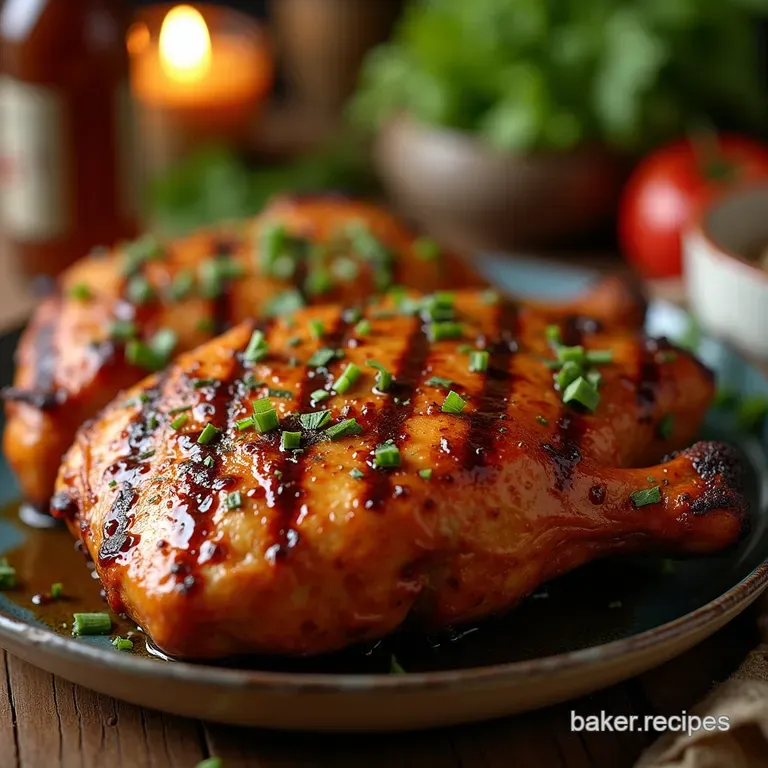
Fortunately, the equipment required is minimal, reinforcing the 'Easy' difficulty level. You will need a medium mixing bowl and a sturdy whisk to ensure smooth incorporation. Measuring cups and spoons are necessary for precision, especially concerning the salt and acid ratios.
For marinating itself, a large, sturdy zip-top bag is often superior to a bowl as it uses less marinade while achieving full coverage of the protein. Finally, a microplane or fine grater is essential for incorporating 1 tablespoon of fresh ginger, ensuring maximum flavour release without introducing large, unpleasant chunks.
The Acid, Salt, and Sweet Balance: Ingredient Breakdown
The magic lies in the ratios of these three elements. We use the soy and Worcestershire sauces for the bulk of our salt and umami. The acid comes from the combination of rice vinegar (mild and mellow) and fresh lime juice (sharp and volatile).
The sweetness provided by the brown sugar performs a dual role: it tenderises slightly by binding with moisture and prevents the harsh salt and acid notes from dominating. We round this out with 4 minced cloves of garlic, ½ teaspoon of black pepper, and an optional ½ teaspoon of red pepper flakes for a subtle warmth.
Sourcing Specialty Items: Soy, Miso, and Pomegranate Molasses Tips
When selecting your specialty liquids, remember quality matters. Opt for a low-sodium soy sauce if you plan on reducing the marinade later, or if you are mindful of sodium intake. While miso paste is fantastic in many recipes, we've omitted it here to keep the texture thinner for better surface coating, opting instead for the liquid umami of fish sauce.
Pomegranate molasses, a common addition in Mediterranean marinades, could be used to substitute the brown sugar if aiming for a tangier, darker Marinade Sauce , but stick to the recipe's base for this initial, versatile attempt.
Measuring Precisely: Ensuring Optimal Coating Consistency
A marinade must be fluid enough to penetrate, yet thick enough to cling. Our recipe yields approximately 1 ½ cups, which is perfect for coating 2 lbs of protein. When measuring, ensure your brown sugar is firmly packed; otherwise, you risk ending up with undissolved sweetness at the bottom of your bowl.
Precision matters because a poorly measured Marinade Sauce can lead to uneven flavour distribution across your final grilled masterpiece.
Related Recipes Worth Trying
- Best Sticky Toffee Apple Cake with Caramel Sauce Brown Sugar Sea Salt Drizzle — Meet the best autumn apple dessert This moist spiced apple cake with caramel sauce is a Britishstyle sticky pudding hybrid topped with homemade salted...
- My GoTo Seafood Sauce Classic Marie Rose Recipe — Whip up the best seafood sauce with my easy Marie Rose recipe Perfect as a prawn cocktail sauce or fish and chips dip Ready in 5 mins Get the recipe now
- Keto Alfredo Sauce Creamy Comfort in 15 Minutes — This keto alfredo sauce is a total gamechanger Rich cheesy and ready in just 15 minutes Perfect over zucchini noodles or chicken Get the easy recipe
The Art of Emulsification: Crafting the Perfect Marinade Consistency
Once all the ingredients are assembled, the next crucial step is achieving perfect integration. This is more than just stirring; it’s about proper emulsification, especially when dissolving the sugar. The process begins by whisking the brown sugar into the acidic liquids (vinegar and lime juice) first.
Sugar dissolves far more readily in a slight acidic base than in the heavy salinity of the soy sauce. Only after the sugar has completely disappeared should you incorporate the remaining liquids and aromatics, finishing with the toasted sesame oil for its fragrant lift.
The Crucial Waiting Game: Timing Your Marinade Saturation for Steak and Beyond
The clock starts ticking the moment your protein meets the marinade. The goal is flavour infusion and slight tenderisation, not chemical breakdown. For delicate proteins like thin cut pork or poultry, 2 to 6 hours is ideal.
For a substantial Steak Marinade Sauce application, up to 12 hours is excellent for deep flavour penetration without risking textural damage. This waiting period is non-negotiable; flavour molecules need time to migrate into the meat's surface layers.
step-by-step Blending: From Dry Spices to Liquid Harmony
To build this harmony efficiently, begin by preparing your fresh elements: grate the ginger and mince the garlic thoroughly. In your bowl, whisk the soy sauce, Worcestershire, fish sauce, rice vinegar, and lime juice until homogenous. Add the sugar and whisk vigorously until fully dissolved.
Next, incorporate the grated ginger, minced garlic, pepper, and flakes. The final addition is the toasted sesame oil; whisk it in quickly. Immediately after mixing, the most critical step is reserving ¼ cup of this fresh, clean Marinade Sauce before introducing any raw food.
Maximizing Absorption: Techniques for Deep Protein Penetration
While submerging food in a bowl works, utilizing a high-quality, sturdy zip-top bag dramatically improves absorption. By squeezing out all the air before sealing, the bag conforms tightly around the protein, ensuring every surface is in direct contact with the flavour agents.
For very thick cuts, consider turning the bag every hour or so during the initial marinating phase to redistribute the sauce and target any dry spots.
Grill Master Sequence: Transitioning from Bath to Heat Source
When it’s time to cook, always discard the marinade that has been in contact with raw meat, poultry, or seafood. This used liquid has been contaminated and must never be consumed unless it is first brought to a rolling boil for at least three minutes.
This is why reserving that initial ¼ cup of fresh sauce is so vital; use this clean portion for basting during the final few minutes of cooking or as an accompanying dipping sauce, ensuring both safety and flavour retention.
Maximizing Flavor Retention: Storage and Leftover Management
Proper handling of your sauce ensures the best results and safety. Since this is a highly flavourful and complex blend, it’s wise to make enough to utilize later, but smart storage is key.
Shelf Life and Safety: Storing Your Homemade Marinade Sauce
The raw marinade that has touched meat should be discarded immediately after use for safety. However, the reserved ¼ cup of fresh Marinade Sauce you set aside can be safely stored. Place it in an airtight container in the refrigerator.
Due to the high salt and acid content, it will keep well for up to one week. If you notice any cloudiness or off-smells, discard it immediately.
Scaling Up: Batch Preparation for Future Feasts
Because the prep time is so short (under 15 minutes), whipping up a double batch of this foundational sauce is highly recommended, especially if you plan on using it for a Chicken Marinade Sauce one night and saving the rest for a Pork Chop Marinade Sauce later in the week.
Simply multiply all ingredient quantities by two when mixing, and remember to reserve the appropriate amount for basting before adding any meat.
Temperature Control: Cooking Times for Varied Cuts of Meat
Remember that marinating is only the first step; the final temperature dictates safety and texture. For instance, thin Steak Marinade Sauce applications might only require 6– 8 minutes total over high heat for a perfect medium rare, whereas chicken requires reaching an internal temperature of 165° F ( 74° C).
Always use a meat thermometer, especially when using a high sugar marinade, as external charring can occur before the interior is safely cooked.
Creative Pivots: Adapting This Formula for Different Cuisines
While this recipe excels as a general purpose savoury Marinade Sauce , its core structure allows for exciting global flavour twists. Think of the five pillars as adjustable dials you can tweak to suit international palates.
Global Flavor Twists: From Korean BBQ to Mediterranean Zing
To shift this into a Korean inspired profile suitable for bulgogi or Chicken Wing Marinade , increase the brown sugar slightly and substitute the lime juice with an equal part of finely grated Asian pear or apple (which contains natural tenderising enzymes).
For a Mediterranean twist, omit the fish sauce entirely, substitute the rice vinegar with red wine vinegar, and add a teaspoon of dried oregano and finely chopped rosemary. This adaptability ensures that this single, brilliant Marinade Sauce Recipe becomes a staple in your repertoire, ready to flavour anything from a simple grilled halloumi to a complex main course.
Recipe FAQs
How long should I leave my meat to soak in this Marinade Sauce?
For most cuts of poultry or pork, aim for 4 to 8 hours for a really solid flavour base, but you can certainly go up to 24 hours. Just be careful with very delicate fish or premium steaks, as the acidity can make them mushy if left too long 12 hours should be their absolute limit!
Can I reuse the leftover Marinade Sauce after it’s touched raw chicken?
Absolutely not, mate! Once raw meat, poultry, or fish has been sitting in the marinade, it’s crucial to discard that used liquid due to potential bacteria. However, remember the vital step: scoop out a quarter of the fresh marinade before adding the raw food, and that reserved portion is perfectly safe for basting or serving as a dipping sauce.
I’m not grilling; can I bake or pan-fry food marinated with this sauce?
Yes, this marinade works brilliantly for baking or pan-frying too! If baking, place the food in a 400°F (200°C) oven and perhaps brush on some reserved sauce halfway through cooking.
For pan-frying, just ensure you wipe off any excess marinade before placing it in the hot pan to prevent the sugar content from burning too quickly.
My sugar didn't dissolve properly; how do I fix a gritty Marinade Sauce?
Don't fret, it happens to the best of us! The best trick is gentle heat; pour the whole mixture into a small saucepan over very low heat and stir constantly until the sugar granules melt away don't let it simmer!
Alternatively, a good, vigorous whisking into the vinegar/lime juice first usually prevents this issue next time around.
I need a gluten-free option; what can I swap out in this Marinade Sauce?
It’s an easy fix, thankfully! Simply swap the standard soy sauce for Tamari, which is usually gluten-free, and ensure your Worcestershire sauce brand is also certified GF (some contain malt vinegar).
The rest of the ingredients should be fine straight out of the bottle, giving you the same flavour profile without the worry.
How long can I keep the unused, fresh portion of this marinade in the fridge?
If you’ve kept the reserved portion completely separate from raw ingredients, it will last beautifully for about 5 to 7 days tightly sealed in the fridge. It might thicken slightly as the flavours meld, which is often a good thing for a rich dipping sauce!
Umami Bomb Marinade Sauce
Ingredients:
Instructions:
Nutrition Facts:
| Calories | 8248 kcal |
|---|---|
| Protein | 35.6 g |
| Fat | 117.4 g |
| Carbs | 290.8 g |
| Fiber | 63.1 g |
| Sodium | 13104 mg |
