Silky Espresso Martini Recipe: 5-Minute Cocktail
- Time: Active 5 minutes, Passive 0 minutes, Total 5 minutes
- Flavor/Texture Hook: Silky, bittersweet, and creamy
- Perfect for: Post dinner treats or high energy evening kick offs
- Master This Easy Espresso Martini Recipe
- Why This Cocktail Works Well
- Deep Dive Into Key Ingredients
- Vital Barware for Success
- Mixing Your Drink Step-By-Step
- Fixing Common Mixing Mistakes
- Clever Recipe Twists and Swaps
- Maintaining Freshness and Quality
- Ideal Serving and Pairing Ideas
- Espresso Martini Recipe FAQs
- 📝 Recipe Card
Master This Easy Espresso Martini Recipe
The first time I tried making this at home, it was a disaster. I thought I could just stir some leftover morning coffee with vodka and call it a day. What I ended up with was a watery, bitter mess that looked more like murky puddle water than the iconic, frothy cocktail I’d seen in London lounges.
I realized then that the magic isn't just in the ingredients, but in the thermal shock and the physical aggression of the shake.
Getting that thick, meringue like foam to sit on top of the dark liquid feels like a high wire act until you learn the trick. It’s all about the crema from the espresso and the speed of your arm.
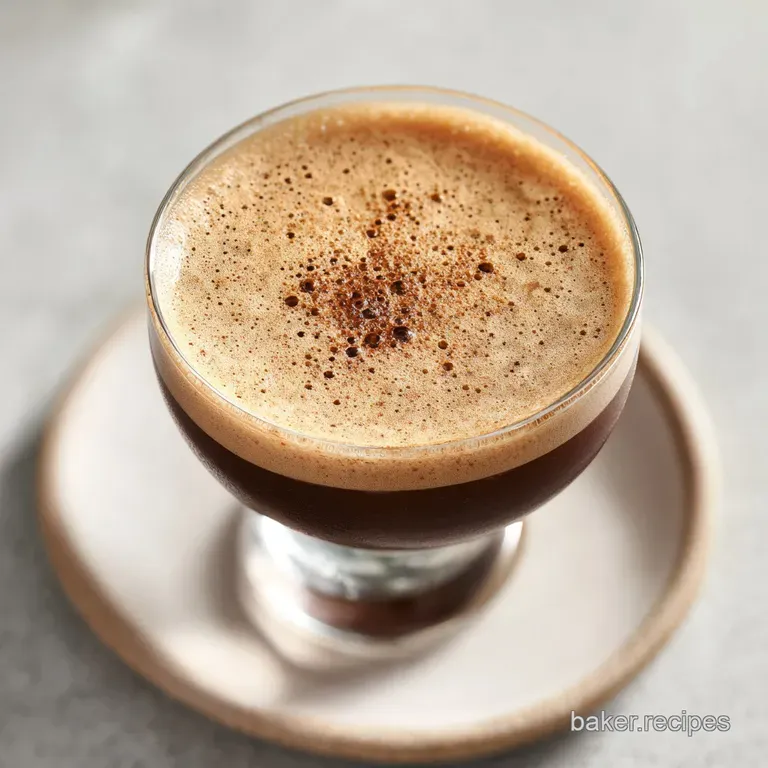
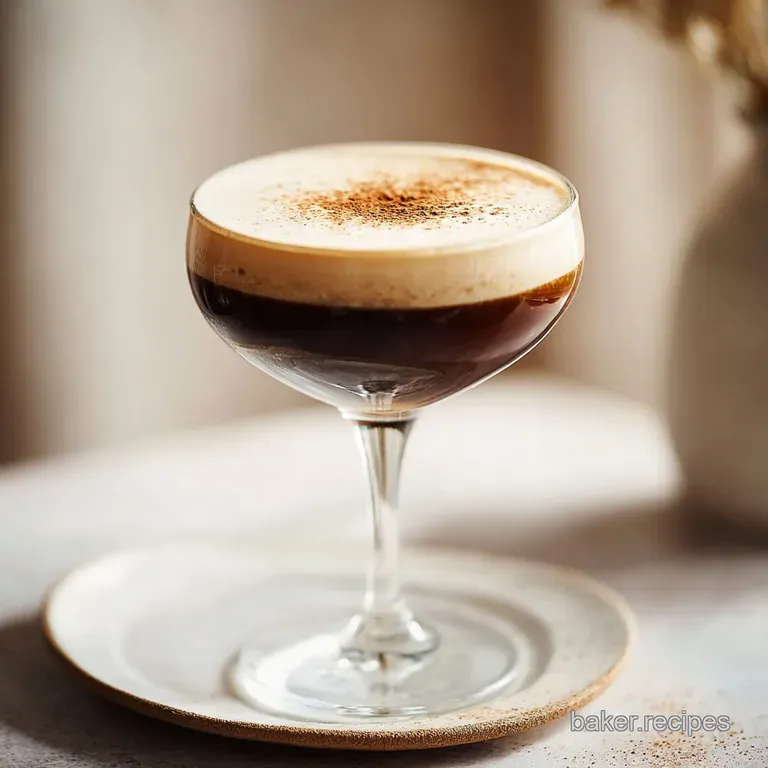
Once you see those three coffee beans resting perfectly on a dense cloud of tan froth, you’ll never go back to the basic "mix and pour" method. We’re going for a result that’s so smooth it feels like drinking liquid silk.
This guide is going to walk you through exactly how to get that professional finish without needing a thousand euro espresso machine or a degree in mixology. We’ll look at why certain vodkas fall flat and how to troubleshoot a foam that disappears before you even take the first sip.
Trust me, once you nail this homemade espresso martini recipe, you’ll be the designated bartender for every dinner party you host.
Why This Cocktail Works Well
- Proteinic Emulsification: Fresh espresso contains natural oils and proteins that, when shaken violently with ice, trap air to create a stable micro foam.
- Thermal Shock Dynamics: Using hot or slightly cooled espresso against large ice cubes creates an immediate temperature drop, which thickens the texture and prevents over dilution.
- Viscosity Balance: The sugar in the coffee liqueur isn't just for sweetness; it adds "weight" to the liquid, allowing the lighter foam to separate and float effortlessly.
- Aromatic Synergy: The ethanol in the vodka acts as a carrier for the volatile coffee compounds, making the scent of the beans hit your nose before the liquid hits your tongue.
| Method | Prep Time | Foam Density | Best For |
|---|---|---|---|
| Fresh Espresso | 5 minutes | Very Thick | The classic, gold standard experience |
| Cold Brew Conc. | 2 minutes | Thin/Light | Quick prep for large groups |
| Instant Coffee | 3 minutes | Medium | budget friendly pantry staple |
Using fresh espresso is non negotiable if you want that iconic look, but the cold brew method is a lifesaver when you're making a big batch espresso martini recipe. The fresh version relies on the CO2 trapped in the crema, while shortcuts often need a little extra shaking "oomph" to stand up straight.
Deep Dive Into Key Ingredients
| Ingredient | Science Role | Pro Secret |
|---|---|---|
| Vodka (60 ml) | Flavor Carrier | Use a grain based vodka for a crisp, clean finish that lets the coffee shine. |
| Espresso (60 ml) | Surfactant Base | Must be brewed fresh; the "crema" on top is what builds your foam. |
| Liqueur (15 ml) | Texture Agent | Choose a rich, rum based liqueur to add vanilla notes and necessary viscosity. |
For this espresso martini recipe, I always suggest using a vodka that has been distilled at least four times. If you use a cheap, harsh spirit, the "burn" will fight with the bitterness of the coffee instead of melting into it. If you're feeling adventurous after a long day of cooking, this drink pairs surprisingly well with a heavy meal like my Slow cooker recipe for beef stew, as the caffeine cuts right through the richness.
The Caffeine Base
The coffee is the heart of this drink. You need a short, intense shot. If you use a long "Americano" style coffee, the water content is too high, and your drink will taste thin. If you don't have an espresso machine, a Moka pot is your best friend here. It produces a concentrated brew that mimics espresso's intensity.
The Spirits and Liqueur
Vodka provides the backbone without distracting from the beans. Some people like to use vanilla infused vodka for a creamy espresso martini recipe feel, which is a great budget friendly way to add depth.
For the liqueur, most people reach for Kahlua, but don't be afraid to try local craft coffee liqueurs which often have less sugar and more actual coffee flavor.
The Sweetener and Garnish
We use 7.5 ml of simple syrup (1:1 ratio). It seems like a tiny amount, but it’s the bridge between the bitter coffee and the dry vodka. Without it, the drink feels disjointed. And those three beans? They aren't just for looks. In Italian tradition, they represent health, wealth, and happiness.
Plus, they provide a lovely roasted aroma as you sip.
Vital Barware for Success
You don't need a professional setup, but a few items are essential. A Boston shaker (the two piece metal tin) is better than a glass cobbler shaker because the metal conducts cold faster and allows for more "travel" of the ice, which builds better foam.
You also need a Hawthorne strainer (the one with the spring) to keep the large ice out, and a fine mesh sieve for a "double strain."
Double straining is the "chef's kiss" of cocktail making. It catches the tiny ice shards that can pop your beautiful foam bubbles. Finally,, a Coupe or Martini glass should be chilled in the freezer for at least 10 minutes before you start.
A warm glass is the enemy of a velvety cocktail.
Mixing Your Drink step-by-step
1. The Chill Phase
Place your glass in the freezer. Fill your shaker halfway with large, solid ice cubes. Avoid "wet" ice that has been sitting out, as it will melt too fast and ruin the balance.
2. The Build
Pour 60 ml of premium vodka into the shaker. Add 15 ml of coffee liqueur and 7.5 ml of simple syrup. Note: Adding the spirits first prevents the hot coffee from melting the ice prematurely.
3. The Espresso Addition
Carefully pour in 60 ml of fresh espresso. Cook 0 min until you are ready to shake. Note: If the coffee is steaming hot, move immediately to the next step to avoid excessive dilution.
4. The Hard Shake
Seal the shaker and shake vigorously for 15 seconds until the shaker is painfully cold to the touch. You should hear the ice "shatter" and rattle against the metal. This is where the foam is born.
5. The Double Strain Pour
Place the Hawthorne strainer over the shaker and pour the liquid through a fine mesh sieve into your chilled glass. Pour 10 seconds until the very last drop of foam leaves the shaker.
6. The Garnish
Wait 5 seconds for the foam to settle and separate. Gently place 3 coffee beans on the surface in a triangular pattern. Serve immediately while the temperature is at its lowest.
Fixing Common Mixing Mistakes
Why Your Cocktail Is Flat
If your drink lacks foam, the most likely culprit is the coffee temperature or the shake intensity. If the coffee has sat out for an hour, the proteins have broken down. You need that fresh agitation. Also, if you're not shaking hard enough to hear the ice smashing, you're just cooling the drink, not aerating it.
Why It Tastes Watery
This happens when you use small ice or shake for too long. Large, hard cubes are essential. They chill the drink without turning into water. If you find the flavor too weak, try the cold brew espresso martini recipe variation which uses less water in the base.
| Problem | Root Cause | Solution |
|---|---|---|
| No Foam | Old coffee or weak shake | Use fresh espresso and shake with more force. |
| Too Bitter | Over extracted coffee | Reduce espresso to 45 ml or add 2.5 ml more syrup. |
| Ice Shards | Single straining only | Use a fine mesh tea strainer for a second pass. |
Common Mistakes Checklist: - ✓ Using decaf coffee (it often lacks the oils needed for a stable foam). - ✓ Not chilling the glass (the foam will collapse against warm glass). - ✓ Using "standard" store-bought ice (it's often hollow and melts instantly).
- ✓ Forgetting the simple syrup (it results in a thin, one dimensional mouthfeel).
Clever Recipe Twists and Swaps
If you find yourself in a pinch, don't panic. You can make an espresso martini recipe without kahlua by using a dark rum and a splash more simple syrup with a pinch of instant coffee granules. It won't be identical, but it hits those dark, roasty notes.
For a festive twist, a tiny drop of peppermint extract in the shaker makes this feel like a holiday treat.
| Original Ingredient | Substitute | Why It Works |
|---|---|---|
| Simple Syrup | Maple Syrup | Adds a woody, caramel depth that pairs with coffee. |
| Vodka | Dark Rum | Creates a "Black Jamaican" style with more molasses notes. |
| Espresso | Instant Espresso (Strong) | Note: Use 2 tsp in 60 ml water. Great for a quick fix. |
If you're serving this alongside a brunch or a holiday feast, it goes beautifully with something savory and salty. Think about the way the salt in a Turkey Gravy with Drippings recipe enhances a meal; that same principle of salt meets bitter works if you add just a tiny pinch of sea salt to your shaker.
Maintaining Freshness and Quality
Storage: You can pre mix the vodka, liqueur, and syrup in a bottle and keep it in the fridge indefinitely. However, never add the coffee until you are ready to shake. The coffee flavors oxidize quickly, turning "skunky" if left for more than 30 minutes.
Zero Waste: If you have leftover espresso, freeze it in ice cube trays. You can use these coffee cubes in your next martini to prevent any dilution at all. Also, don't throw away used coffee grounds they make an excellent exfoliating scrub or garden compost!
Ideal Serving and Pairing Ideas
For a Sophisticated, Less Sugary Profile
Omit the simple syrup entirely and use a coffee liqueur like Mr. Black, which is much drier than the standard options. This allows the fruity, acidic notes of the espresso beans to take center stage. It’s the "adult" version of the drink that focuses on the quality of the roast rather than the sweetness.
The dairy-free Creamy Twist
If you want that "latte" mouthfeel without the milk, add 15 ml of aquafaba (the liquid from a can of chickpeas) to the shaker. It sounds crazy, but it’s a classic bartender secret for creating a massive, stable foam without using egg whites or dairy.
It’s a total best espresso martini recipe hack for vegans.
The Decision Shortcut
- If you want a thick head of foam, use fresh espresso and shake like you’re trying to break the shaker.
- If you want a sweeter dessert drink, swap the vodka for a salted caramel infused spirit.
- If you're making a batch for a party, mix everything but the coffee in advance and keep it on ice.
Making the best espresso martini recipe is really just about the physics of the shake and the quality of your beans. It’s a drink that demands your attention for five minutes, but rewards you with a texture that is absolutely unrivaled in the cocktail world. Now, get that shaker moving!
Espresso Martini Recipe FAQs
What are the ingredients of an espresso martini?
Vodka, fresh espresso, and coffee liqueur are essential. Many recipes also include a small amount of simple syrup for balance. You must use fresh, hot espresso to generate the signature foam.
What is the secret ingredient in espresso martini?
The secret is the physical action and the fresh espresso crema. While there isn't a single exotic ingredient, the proteins and oils in fresh espresso, when violently agitated, create the stable microfoam.
How do bartenders make espresso martinis?
Shake all ingredients hard in a metal shaker with large ice for 15 seconds. This thermal shock and vigorous aeration are crucial for building the thick, velvety texture.
What is the golden rule espresso martini?
The golden rule is using hot, fresh espresso. Cold or pre-made coffee lacks the necessary CO2 and oils to build a lasting, beautiful layer of foam on top.
Is it true I must use a Boston shaker instead of a Cobbler shaker?
No, this is not strictly required, but a Boston shaker is preferred. The metal tin conducts the cold faster, aiding in the necessary thermal shock, which is a key principle in creating texture in cocktails like this. If you master the shaking technique here, you can apply the same vigor to recipes requiring strong emulsification, such as our Fish Taco Sauce recipe.
Can I substitute Kahlua in an espresso martini?
Yes, you can substitute Kahlua, but consider alternatives for depth. While Kahlua is traditional, richer, rum-based coffee liqueurs or even a blend of dark rum and simple syrup can offer a better flavor carrier for the vodka.
What can I use if I don't have simple syrup for sweetness?
Use maple syrup or agave nectar instead, but use less volume. These alternatives add complexity, though they change the flavor profile slightly; if you enjoy deeply textured sauces, learning how to control viscosity here helps in recipes like the Welsh Minced Lamb Rarebit recipe.
Velvet Espresso Martini Recipe

Ingredients:
Instructions:
Nutrition Facts:
| Calories | 209 kcal |
|---|---|
| Protein | 0.2 g |
| Fat | 0.1 g |
| Carbs | 12.3 g |
| Fiber | 0 g |
| Sugar | 12.1 g |
| Sodium | 6 mg |
