Whipped Shortbread Cookies: Melt-In-Your-Mouth Texture
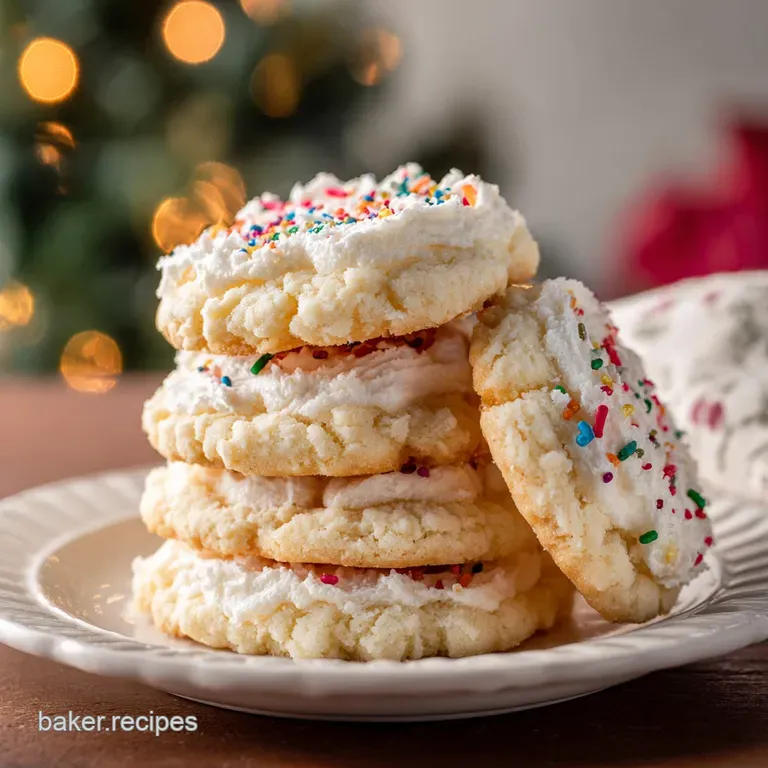
- Time: Active 10 minutes, Passive 15 minutes, Total 25 minutes
- Flavor/Texture Hook: A buttery, velvety crumb that offers a delicate shatter
- Perfect for: Holiday gifting, afternoon tea, or low effort weekend baking
- Achieving the Ultimate Shatter with Whipped Shortbread Cookies
- Essential Specs for Success in Your Home Kitchen
- The Minimalist Elements Required for This Velvety Dough
- Vital Tools for Reaching a Pillowy Cookie Consistency
- A Systematic Guide to the Perfect Aerated Texture
- Pro Techniques for Avoiding Common Baking Mistakes
- Flavor Adaptations to Personalize Your Shortbread Batch
- Optimal Methods for Maintaining Freshness and Crispness
- Elegant Presentation Ideas for Serving Your Treats
- Recipe FAQs
- 📝 Recipe Card
Achieving the Ultimate Shatter with Whipped Shortbread Cookies
The first time I attempted this recipe, I was skeptical. I watched the butter and sugar whip in my mixer for what felt like an eternity, wondering if I was just making sweet butter. But the moment those pale, ridged mounds came out of the oven and I took a bite, I understood.
The cookie didn't just break; it shattered into a million buttery sparkles before dissolving completely. It was a complete departure from the heavy, leaden shortbread I grew up with.
That specific aroma of toasted butter and vanilla that fills the kitchen is something I now associate with pure comfort. I’ve spent years tweaking the ratios, realizing that the temperature of your kitchen matters just as much as the flour you use.
If your butter is too warm, they puddle; too cold, and they won't whip. We are aiming for that "sweet spot" where the dough looks like stiff buttercream frosting.
This isn't just a cookie; it’s an exercise in patience and precision. You’ll find that the simplicity of the ingredients is exactly what makes it so rewarding. There are no eggs to hide behind and no leavening agents to force a rise.
Everything depends on the air we beat into the fat, creating a structure so fragile it feels like a professional bakery secret.
Essential Specs for Success in Your Home Kitchen
The Physics of the Air Bubble: Aeration creates microscopic air pockets within the solid fat, while the high cornstarch ratio interferes with gluten development to ensure a melting texture. This combination prevents the cookie from becoming tough or chewy.
The following table helps you decide which preparation style fits your current mood and available equipment. While both result in a fantastic treat, the texture varies slightly based on how much air you incorporate and how you shape them.
| Preparation Method | Texture Outcome | Visual Appeal | Best For |
|---|---|---|---|
| Piped (Star Tip) | Airy and crisp | Professional ridges | Gifting and holidays |
| Hand Rolled | Slightly denser | Rustic and cozy | Quick snacking |
| Fork Pressed | Classic crumb | Traditional look | Beginner bakers |
Adjusting your method changes the surface area of the cookie. A piped cookie has more ridges, which creates more "crispy" edges, whereas a hand rolled ball stays softer in the center. I personally lean toward the piped version because the ridges capture the heat better, resulting in a more complex mouthfeel.
The Minimalist Elements Required for This Velvety Dough
Success with these Whipped Shortbread Cookies starts with ingredient quality. Since there are so few components, each one needs to pull its weight. Use the best butter you can afford the higher the fat content, the better the shatter.
- 1 cup (227g) unsalted butter: Softened to exactly 65°F. Why this? Essential for holding air bubbles during the whipping process.
- 0.5 cup (60g) powdered sugar: Sifted to remove lumps. Why this? Provides a smoother texture than granulated sugar.
- 1 tsp (5ml) pure vanilla extract: high-quality is best here. Why this? The primary flavor driver in the absence of spices.
- 1.5 cups (190g) all purpose flour: Spooned and leveled. Why this? Provides the necessary structure without being too heavy.
- 0.5 cup (60g) cornstarch: Sifted with the flour. Why this? Softens the flour’s proteins for that signature melt.
- 0.25 tsp (1.5g) fine sea salt: Don't skip this. Why this? Balances the richness of the butter and sweetness.
Component Analysis
| Ingredient | Science Role | Pro Secret |
|---|---|---|
| Unsalted Butter | Fat & Structure | Use 65°F butter for maximum volume |
| Cornstarch | Gluten Inhibitor | Sift twice to ensure no clumps |
| Powdered Sugar | Sweetener & Texture | Contains cornstarch which aids stability |
When it comes to swaps, remember that shortbread is a balance of fat and starch. If you change the fat source, the texture will shift significantly. For those looking for a different flavor profile, you might consider how a slight tweak changes the final result.
If you're out of a specific item, check the table below for reliable alternatives.
| Original Ingredient | Substitute | Why It Works |
|---|---|---|
| Unsalted Butter | Salted Butter | Works well; just omit the added sea salt |
| All Purpose Flour | Pastry Flour | Lower protein creates an even more delicate crumb |
| Cornstarch | Arrowroot Powder | Similar starch profile; provides the same "melt" |
For another buttery variation on a classic, you might enjoy trying my How to Bake recipe which uses a different fat to flour ratio for a heartier, stuffed result.
Vital Tools for Reaching a Pillowy Cookie Consistency
You cannot make these by hand with a wooden spoon well, you could, but your arm would fall off before you reached the right consistency. A stand mixer is your best friend here. The paddle attachment is ideal because it beats in air without overworking the gluten once the flour is added.
A fine mesh sieve is also non negotiable. Powdered sugar and cornstarch are notorious for having tiny, hard lumps that won't disappear in the oven. Sifting ensures every bite is perfectly uniform.
If you plan on piping these, a sturdy piping bag (disposable or silicone) and a large open star tip (like a Wilton 1M) are essential for that classic bakery aesthetic.
A Systematic Guide to the Perfect Aerated Texture
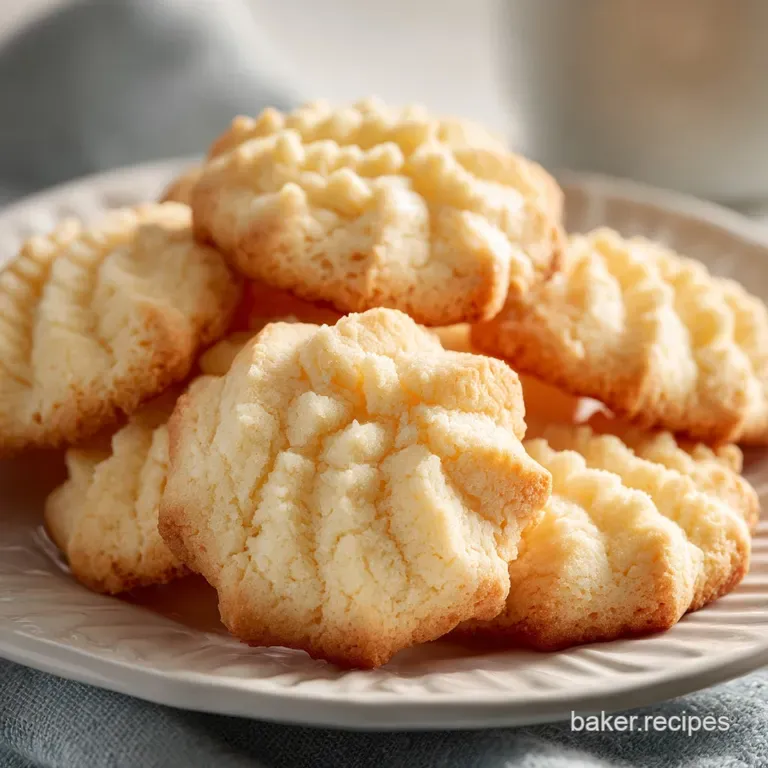
- Prep the oven. Preheat your oven to 300°F and line two baking sheets with parchment paper. Note: A low temperature is key to preventing browning.
- Whip the butter. Place the 65°F butter in your mixer and beat on medium high for 5 minutes until it looks white and fluffy.
- Add the sugar. Gradually pour in the 0.5 cup of sifted powdered sugar and 1 tsp vanilla.
- The long whip. Continue beating the butter and sugar for another 5 to 7 minutes until the mixture resembles stiff whipped cream.
- Sift dry ingredients. In a separate bowl, sift the 1.5 cups flour, 0.5 cup cornstarch, and 0.25 tsp salt.
- Low speed integration. Turn the mixer to the lowest setting and add the dry ingredients in three batches.
- Final mix. Stop the mixer as soon as no white streaks remain until the dough is soft but holds its shape.
- Shape the cookies. Pipe 1 inch stars or roll into small balls and press with a floured fork onto the prepared sheets.
- Bake with care. Bake for 15 minutes until the bottoms are barely set and the tops are pale.
- Cool completely. Let the cookies sit on the tray for 10 minutes before moving them to a wire rack. Note: They are extremely fragile while warm.
For a Shattering, Melt in-Your Mouth Crumb
The secret is the whipping time. Most people stop after a minute, but the pros go for ten. You want the butter to actually change color from yellow to a bright, snowy white. This indicates that you've incorporated enough air to keep the cookies light without needing baking powder.
To Ensure a Stable, No Spread Shape
If your kitchen is warm (above 72°F), pop the shaped cookie trays into the fridge for 15 minutes before baking. This re solidifies the butter, ensuring that the piped ridges stay sharp and don't melt into a flat puddle the second they hit the oven heat.
Pro Techniques for Avoiding Common Baking Mistakes
One mistake I once made was using butter that was "room temperature" on a hot summer day. The cookies spread into one giant, buttery pancake. I learned that "softened" usually means cooler than you think around 65°F. It should give slightly when pressed but still feel cool to the touch.
Chef's Tip: Freeze your flour and cornstarch for 10 minutes before sifting. This helps keep the butter cold during the final mixing stage, preventing the dough from becoming greasy.
| Problem | Root Cause | Solution |
|---|---|---|
| Cookies are flat | Butter was too warm | Chill the dough for 20 mins before baking |
| Cookies are tough | Overmixed after adding flour | Mix only until flour disappears |
| Cookies are gritty | Sifting was skipped | Always sift powdered sugar and cornstarch |
Common Mistakes Checklist
- ✓ Check butter temperature with a thermometer; 65°F is the gold standard for whipping.
- ✓ Sift the dry ingredients twice to ensure a completely velvety texture.
- ✓ Avoid over greasing the pans; parchment paper is much better for preventing spread.
- ✓ Don't peek! Opening the oven door drops the temperature and can affect the "set."
- ✓ Let them cool entirely on the tray; moving them too soon will cause them to crumble.
Flavor Adaptations to Personalize Your Shortbread Batch
While the classic vanilla is stunning, these cookies are a blank canvas. I often add a teaspoon of espresso powder to the dry ingredients to deepen the flavor profile, much like the technique used in my Butterscotch Pretzel Cookies.
- Citrus Twist: Add the zest of one lemon or orange to the butter while whipping.
- Almond Cloud: Swap the vanilla extract for 0.5 tsp almond extract.
- Chocolate Dipped: Once cooled, dip half the cookie in melted dark chocolate and sprinkle with sea salt.
- Spiced Winter: Add 0.5 tsp of cardamom or cinnamon for a warm, cozy finish.
If you are scaling this recipe up for a party, keep in mind that liquids should be reduced by about 10% to maintain the structure in larger batches. For a half batch, simply halve everything, though you may need a smaller bowl for your mixer to ensure the paddle can properly reach the butter for aeration.
Optimal Methods for Maintaining Freshness and Crispness
Shortbread is remarkably hardy because of its high fat and low moisture content. In fact, many people argue they taste better on day two once the flavors have had time to "meld."
- Room Temperature
- Store in an airtight container for up to 7 days. Place a piece of parchment between layers to prevent the delicate ridges from breaking.
- Freezing
- These freeze beautifully. Place the baked, cooled cookies in a freezer safe container for up to 3 months. To thaw, leave them at room temperature for an hour.
- Zero Waste
- If you have broken cookies or crumbs at the bottom of the jar, don't toss them! They make an incredible crust for a cheesecake or a "velvety" topping for vanilla ice cream.
Elegant Presentation Ideas for Serving Your Treats
When serving these, I love to lean into the minimalist aesthetic. A simple dusting of extra powdered sugar through a fine mesh sieve makes them look like they’ve been kissed by snow. They look particularly striking on a dark ceramic platter where their pale color can really pop.
Because they are so rich, they pair perfectly with something acidic or bitter. A sharp Earl Grey tea or a dark roast coffee cuts through the butter beautifully. If you're serving them as part of a larger dessert spread, try placing them next to a bowl of fresh raspberries.
The tartness of the fruit is a brilliant foil to the sweet, buttery shatter of the shortbread.
Debunking Kitchen Superstitions
"Searing the dough" by starting at a high temperature is a myth for shortbread. High heat causes the butter to melt before the flour can set, leading to a flat cookie. A low, slow bake at 300°F is the only way to keep them pale and tender.
Another common misconception is that you need "special" flour. While pastry flour is nice, standard all purpose flour works perfectly as long as you have the cornstarch to buffer the proteins. Trust the science, stay patient with the mixer, and you'll have a result that feels truly professional.
Recipe FAQs
What is the secret to whipped shortbread?
The secret is ample aeration and low baking temperature. Beat the butter and sugar for at least 5-7 minutes until it resembles stiff whipped cream, incorporating air. Baking at a low 300°F ensures they stay pale and tender, not browned and crisp.
What's the difference between whipped shortbread and regular shortbread?
Whipped shortbread incorporates significantly more air into the dough. This is achieved by creaming the butter and sugar for an extended period, resulting in a lighter, more delicate, and melt-in-your mouth texture compared to the denser, firmer bite of traditional shortbread.
What is the 3 2 1 rule for shortbread?
The 3 2 1 rule is a guideline for traditional shortbread, not whipped. It refers to a ratio of 3 parts flour to 2 parts butter to 1 part sugar. Whipped shortbread typically deviates, often using less sugar and incorporating cornstarch for its signature texture, as seen in our recipe.
Do whipped shortbread cookies need cornstarch?
Yes, cornstarch is crucial for the signature texture of whipped shortbread. It helps to inhibit gluten development from the flour, ensuring the cookies have a tender, melt-in-your mouth crumb instead of a chewy or tough texture.
Can I use salted butter instead of unsalted for whipped shortbread?
Yes, you can substitute salted butter. If you use salted butter, simply omit the added salt from the recipe. The primary flavor driver in these cookies is the butter, so a good quality salted butter will still yield delicious results.
Why are my whipped shortbread cookies spreading too much?
Cookies likely spread because the butter was too warm. Ensure your butter is softened to precisely 65°F; it should feel cool to the touch. If your kitchen is warm, chilling the shaped cookies for 15-20 minutes before baking can prevent excessive spread.
How long should I whip the butter and sugar for whipped shortbread?
Whip the butter and sugar for at least 5-7 minutes until it resembles stiff whipped cream. This extended whipping time incorporates the necessary air that gives whipped shortbread its signature light and airy texture. This technique is similar to how we build structure in recipes like Chocolate Cake Mix Cookies, focusing on creaming fats for volume.
Whipped Shortbread Cookies
Ingredients:
Instructions:
Nutrition Facts:
| Calories | 116 kcal |
|---|---|
| Protein | 0.9 g |
| Fat | 7.7 g |
| Carbs | 10.8 g |
| Fiber | 0.3 g |
| Sugar | 2.5 g |
| Sodium | 24 mg |
