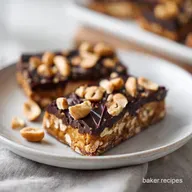
No Bake Chocolate Peanut Butter Bars
A dense, two-layer treat that combines a creamy peanut butter base with a smooth chocolate top. It requires no oven time, making it ideal for warmer days.
chocolate and peanut butter
Sheet pan desserts like brownies and bars are often easier to manage than individual cookies because there's no rolling or scooping required. Once the batter or base is pressed into the pan, the oven (or the fridge for no-bake versions) does the heavy lifting, leaving you with consistent squares every time.
These recipes focus on different textures, from the dense fudge of a cocoa-based brownie to the light crunch of cereal-based treats. Whether you need a quick snack for a lunchbox or a rich caramel-layered bar for a gathering, having a few reliable base recipes allows for endless customization with nuts, candy, or frosting.
When the oven is full or it's too hot to bake, no-bake bars provide a simple path to dessert. These recipes typically rely on binders like peanut butter, melted chocolate, or honey to hold the ingredients together as they chill in the refrigerator.
A dense, two-layer treat that combines a creamy peanut butter base with a smooth chocolate top. It requires no oven time, making it ideal for warmer days.
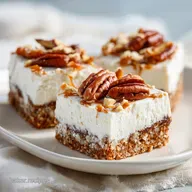
chocolate and peanut butterInspired by turtle candies, these bars are topped with a combination of caramel, chocolate, and pecans. They offer a soft, creamy texture without any baking required.
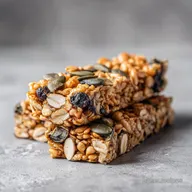
pecan and caramel toppingThese granola bars use puffed rice and oats for a chewy, lightweight snack. They are faster to prepare than traditional baked bars and work well for quick breakfasts.
under 20 minutesMaking brownies from scratch takes very little extra effort and allows for a much richer cocoa profile than most store-bought options. These versions focus on dense, fudgy centers and can be topped with smooth chocolate ganache or layered with caramel and candy pieces.
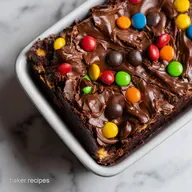
A homemade version of the classic lunchbox treat, these brownies are exceptionally fudgy. The colorful chocolate candies on top provide a nostalgic look and a satisfying crunch.
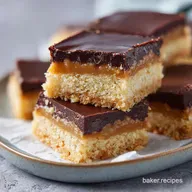
fudgy cocoa frostingThese bars feature three distinct layers: a crumbly shortbread base, a thick middle of homemade caramel, and a firm chocolate coating for a rich, multi-textured experience.
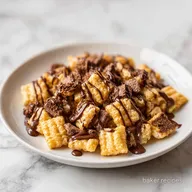
layered buttery caramelBy adding chopped candy bars to a traditional cereal treat base, these bars gain extra texture and a distinct peanut butter and chocolate flavor throughout.
crispy candy barsBlondies offer a vanilla and brown sugar alternative to traditional chocolate bars, often resulting in a chewier, more butter-forward bite. Adding cinnamon or browning the butter first adds a specific depth that pairs well with coffee or tea.
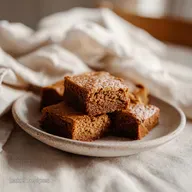
This chewy blondie uses browned butter to create a nutty, toasted flavor profile that sets it apart from traditional vanilla-based bars. It is ready in just half an hour.
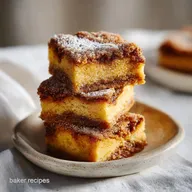
nutty brown butterThis recipe takes the cinnamon-sugar coating of a classic cookie and applies it to a soft, dense bar. It is a great alternative for those who prefer warm spices.
warm cinnamon sugarFor a snack that works for both breakfast and dessert, oatmeal-based bars provide a more substantial texture. These recipes often use pantry staples like oats and nut butters to create a satisfying bar that isn't overly sweet.
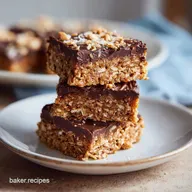
Using oats as the main binder, these bars offer a more nutritious alternative for snacking. Dark chocolate chips and sea salt provide a balanced sweetness and savory finish.
gluten-free oatmeal base| # | Recipes | Best For | Time | Difficulty |
|---|---|---|---|---|
| 1 | No Bake PB Bars | No-bake convenience | 140 Mins | Easy |
| 2 | Turtle Dream Bars | Pecan and caramel lovers | 30 Mins | Easy |
| 3 | Rice Krispies Granola Bars | Quick breakfast prep | 18 Mins | Easy |
| 4 | Cosmic Brownies | Lunchbox nostalgia | 37 Mins | Easy |
| 5 | Millionaire Shortbread | Indulgent gatherings | 60 Mins | Intermediate |
| 6 | Butterfinger Treats | Crunchy candy textures | 30 Mins | Easy |
| 7 | Brown Butter Blondies | Nutty flavor fans | 30 Mins | Easy |
| 8 | Snickerdoodle Blondies | Cinnamon spice lovers | 35 Mins | Easy |
| 9 | Healthy Oatmeal Bars | Health-conscious snacking | 35 Mins | Easy |
Discover more curated recipe collections
Explore more recipe collections →