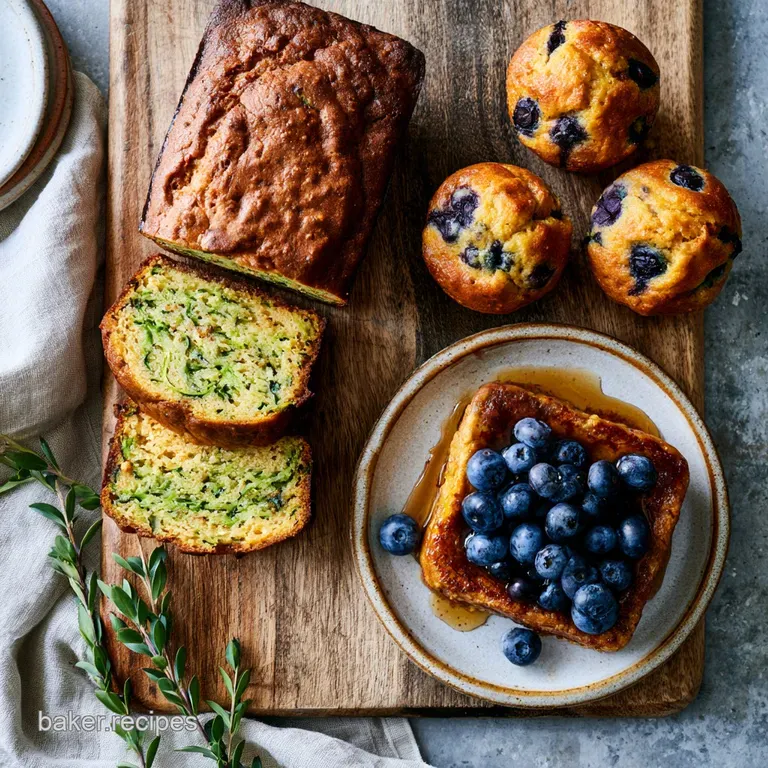
Quick breads and muffins provide a reliable way to get fresh-baked goods on the table without the complexity of yeast or long proofing times. These recipes focus on moisture and texture, using staples like Greek yogurt, applesauce, or sour cream to ensure a tender result every time.
Whether you need a veggie-packed loaf for school lunches or a decadent breakfast casserole for a holiday morning, this collection covers the essential techniques for successful home baking.
Each option is designed for simplicity, making them accessible for those new to baking or anyone needing a straightforward morning meal.
Homemade Quick Bread Loaf Recipes
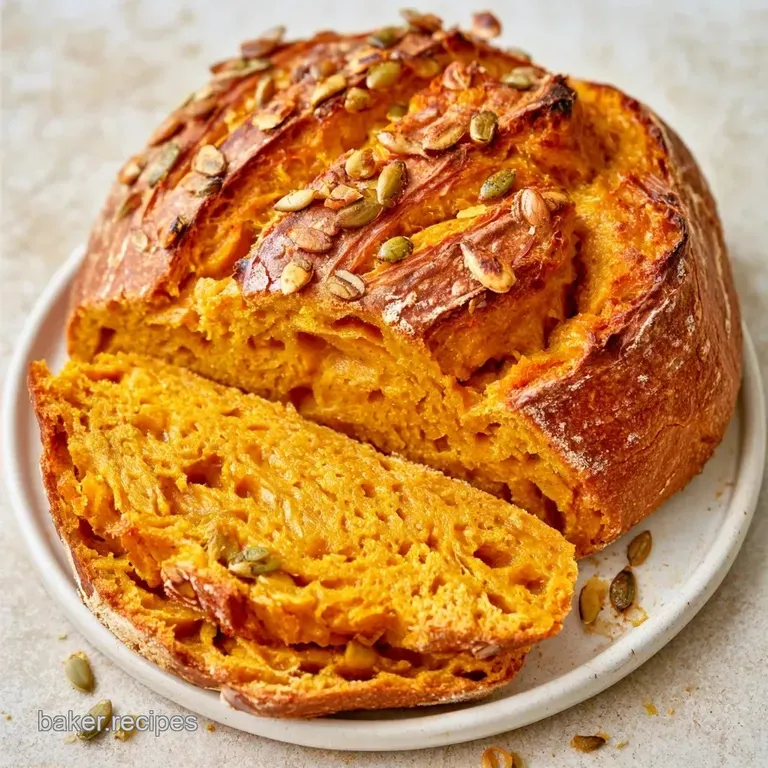
Loaf breads rely on chemical leaveners like baking powder or soda instead of yeast, allowing for a much faster preparation time than traditional sourdough or white bread. These versions use shredded vegetables and fruit purees to create a dense, moist crumb that holds up well for slicing and toasting.
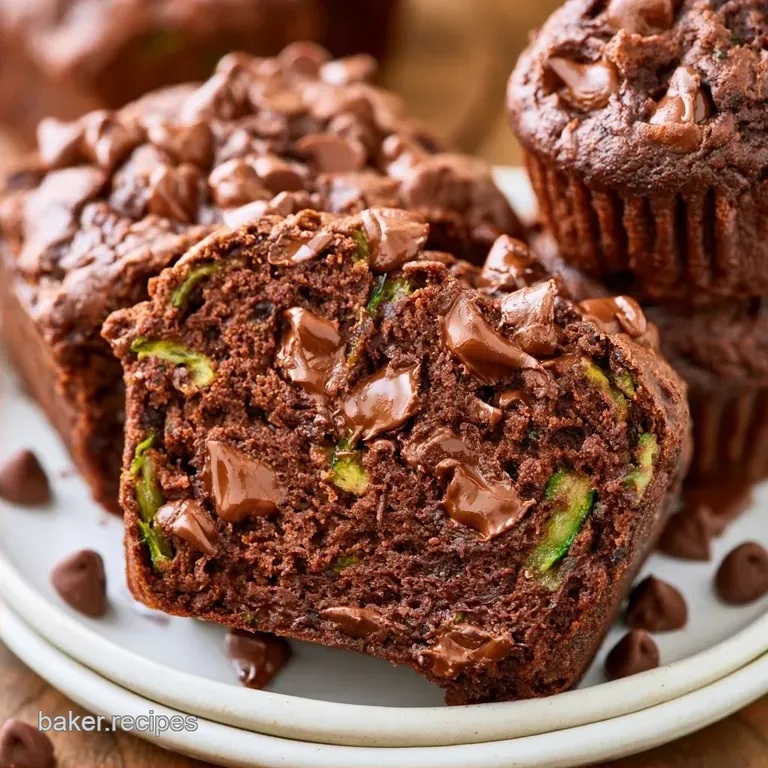
This loaf uses applesauce and grated vegetables to maintain a moist texture without excessive fat, making it a reliable option for a nutrient-forward breakfast or a simple afternoon snack.
The addition of sour cream and a crunchy streusel topping distinguishes this zucchini bread, providing a tangy depth and a satisfying contrast in textures compared to traditional vegetable loaves.
Muffins offer a portioned alternative to full loaves and typically bake in less than half the time, making them ideal for busy mornings. This selection focuses on achieving high-domed tops and soft interiors by utilizing yogurt or high-heat baking methods to mimic a professional bakery finish.
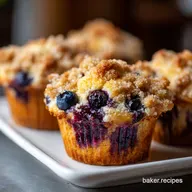
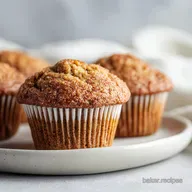
Featuring a high-temperature start for a high-domed top, these To Die For Blueberry Muffins deliver a classic bakery texture filled with fresh berries and a light, tender crumb.
Greek yogurt ensures these banana muffins stay moist and dense while adding a slight tang that balances the natural sweetness of the fruit for a quick morning option.
Utilizing pre-baked loaves like challah or brioche, these casseroles transform sliced bread into a custard-based breakfast that can be prepared the night before. This method is distinct from quick breads as it uses the bread as a structural base to soak up flavors before baking in a single dish.
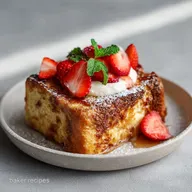
Thick slices of challah or brioche soak up a spiced custard overnight, resulting in a golden exterior and a soft center that simplifies hosting for larger groups.
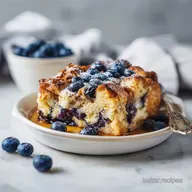
Cream cheese and fresh blueberries are layered between cubes of rich bread in this overnight casserole, creating a decadent morning meal that requires minimal effort once baked.
What is the difference between quick bread and yeast bread?
Quick breads use chemical leaveners like baking powder to rise instantly in the oven, whereas yeast breads require time to proof and ferment.
How do I keep my homemade bread from getting soggy?
Ensure you squeeze excess moisture from watery vegetables like zucchini before adding them to the batter and store the finished loaf in a breathable container.
Can I freeze these homemade bread and muffin recipes?
Most quick breads and muffins freeze well for up to three months when wrapped tightly in plastic wrap and aluminum foil.
How do I choose between a loaf and a muffin format?
Loaves are better for traditional slicing and toasting, while muffins are ideal for portion control and have a significantly shorter baking time.
What is the best way to reheat baked French toast?
Reheating in a 350°F oven for 10 minutes helps restore the texture better than a microwave, which can make the bread rubbery.