Baked Lobster Tail: Succulent & Buttery
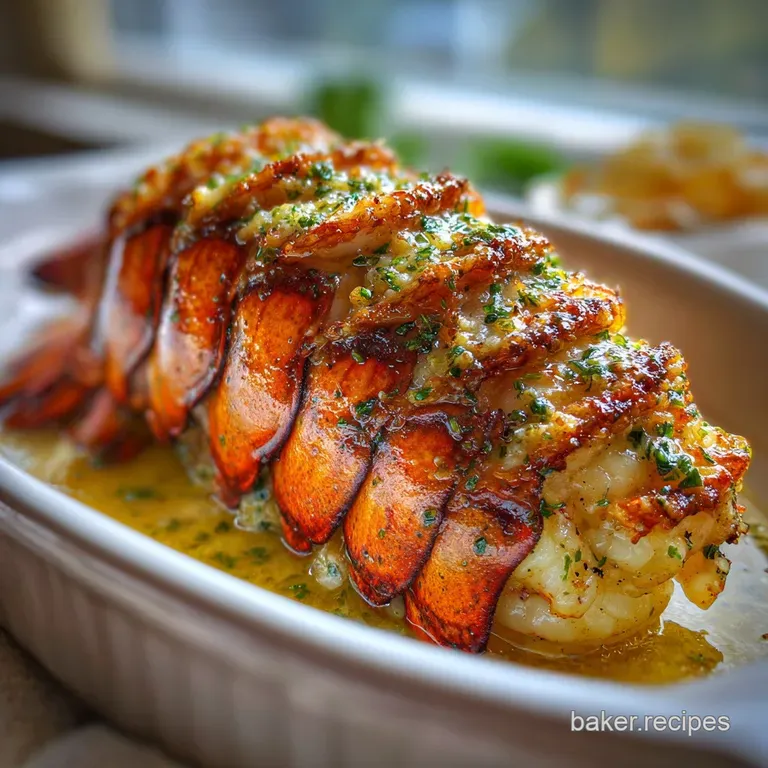
- Time: Active 15 minutes, Passive 12 minutes, Total 27 minutes
- Flavor/Texture Hook: Succulent, buttery meat with a satisfying snap and a hint of smoky char
- Perfect for: Anniversary dinners, holiday celebrations, or a high end date night at home
- Why This Simple Baked Lobster Tail Beats Every Restaurant Version
- Why This Works
- Technical Benchmarks for Achieving the Most Succulent Lobster Meat
- The Flavor Foundation: Sourcing the Best Garlic Herb Ingredients
- Essential Kitchen Tools for Butterfly Cutting and Basting Your Seafood
- A Detailed Guide to Prepping and Roasting Your Lobster Tails
- Avoiding Rubbery Meat and Other Common Kitchen Failures
- Smart Swaps for Dairy-Free and Low Carb Dietary Needs
- Keeping Your Leftovers Fresh and Using Every Shell
- Plating Your Seafood for a High End Culinary Experience
- Kitchen Wisdom and Myths
- Recipe FAQs
- 📝 Recipe Card
Why This Simple Baked Lobster Tail Beats Every Restaurant Version
There is nothing quite like the sizzle of garlic infused butter hitting a hot lobster shell in a 400 degree oven. For years, I was terrified of making lobster at home because it felt like a high stakes gamble with an expensive ingredient.
I’ve lived through the rubbery, overcooked disasters so you don't have to, and honestly, the secret isn't in fancy equipment. It’s all about the butterfly technique and hitting that precise internal temperature.
We are going for that specific restaurant style presentation where the meat sits proudly on top of the shell, but we’re doing it with a budget smart mindset. Using cold water tails and a few pantry staples, this baked lobster tail recipe delivers a velvety texture and rich flavor profile that makes you feel like a pro chef without the $80 price tag.
Trust me, once you see how that meat turns opaque and takes on a slight golden tinge from the smoked paprika, you’ll never want to boil lobster again.
The magic happens when the butter and lemon juice emulsify under the heat, creating a self basting environment. We aren't just cooking the meat; we are poaching it in its own juices and a savory herb bath.
It's the kind of meal that looks incredibly impressive but actually leaves you plenty of time to focus on your guests or just enjoy a glass of wine while the oven does the heavy lifting.
Why This Works
- Protein Denaturation: The dry heat of the oven causes the muscle fibers to firm up quickly, trapping moisture within the cells rather than letting it leach out into a pot of boiling water.
- Shell Protection: Acting as a natural ceramic baking dish, the bottom shell insulates the meat from direct heat, ensuring the underside stays tender while the top gets that beautiful roasted finish.
- Aromatic Infusion: By microplaning the garlic directly into the softened butter, we maximize the surface area, allowing the sulfur compounds to mellow and sweeten as they bake into the lobster.
- Maillard Reaction: The combination of milk solids in the unsalted butter and the sugars in the lemon juice creates a subtle browning effect that adds a savory complexity you won't get from steaming.
The Science of Why it Works
The Science of Why it Works: Rapid heat in the oven causes protein denaturation, transforming translucent meat into firm, opaque bites while the Maillard reaction browns the butter solids for extra depth. This over high heat environment also creates steam inside the shell, keeping the interior tender and juicy.
| Method | Time | Texture | Best For |
|---|---|---|---|
| Oven Baked | 12 minutes | Succulent with a slight snap | Impressive presentation and deep flavor |
| Stovetop Poached | 8 minutes | Very soft and velvety | Lobster rolls or pasta where texture is secondary |
| Broiled | 8 minutes | Charred and firm | Those who love a smoky, slightly tougher "grilled" feel |
Choosing the right method depends on your goal, but for the most consistent results, the oven baked lobster tail provides the best balance of ease and luxury. While stovetop poaching is great for butter heavy dishes, it lacks the concentrated flavor that roasting provides. If you're looking for a side that matches this level of comfort, this Sourdough Stuffing recipe is a fantastic way to use up bread and soak up every drop of that garlic butter.
Technical Benchmarks for Achieving the Most Succulent Lobster Meat
| Component | Science Role | Pro Secret |
|---|---|---|
| Unsalted Butter | Fat based flavor carrier | Use European style butter for higher fat content and less water |
| Smoked Paprika | Color and depth | Provides a "grilled" aroma without needing an outdoor flame |
| Lemon Juice | Acidic brightness | Use fresh juice only; the bottled stuff has a metallic aftertaste |
| Sea Salt | Flavor enhancer | Fine salt dissolves faster in the butter than coarse flakes |
Getting the temperature right is the difference between a gourmet meal and a rubbery mess. I always tell my friends to treat lobster tails like a steak. You wouldn't just guess when a ribeye is done, so don't guess here.
Chef's Tip: Freeze your butter for exactly 10 minutes before mashing it with the herbs. This prevents it from melting instantly in the bowl, allowing you to create a thick "paste" that sticks to the lobster meat instead of running straight to the bottom of the pan.
The Flavor Foundation: Sourcing the Best Garlic Herb Ingredients
To make this best baked lobster tail recipe work, you need the right components. We are using 4 cold water lobster tails (5 6 oz each) as our star. Cold water tails, usually from Maine or Canada, have much better texture and flavor than warm water varieties.
- 4 cold water lobster tails (5 6 oz each): Look for shells that are bluish brown, not gray.
- 1 tsp extra virgin olive oil: Why this? Helps the salt and paprika adhere to the shell before the butter goes on.
- 0.5 tsp fine sea salt: Why this? Enhances the natural sweetness of the seafood.
- 0.25 tsp smoked paprika: Why this? Adds a vibrant orange hue and a hint of wood fired flavor.
- 0.5 cup unsalted butter, softened: Why this? Provides the rich, creamy base for our basting sauce.
- 3 cloves garlic, microplaned: Why this? Creates a smooth paste that distributes flavor evenly.
- 1 tbsp fresh lemon juice: Why this? Cuts through the heavy fat of the butter.
- 1 tbsp fresh parsley, finely chopped: Adds a peppery, fresh finish.
- 0.5 tsp fresh chives, minced: Provides a delicate onion note.
- 0.25 tsp cracked black pepper: Adds a subtle heat.
| Original Ingredient | Substitute | Why It Works |
|---|---|---|
| Unsalted Butter | Ghee (Clarified Butter) | Higher smoke point and richer nuttiness; great for dairy sensitivity |
| Fresh Chives | Dried Onion Flakes | Provides the same savory bite. Note: Use half the amount as dried is stronger |
| Smoked Paprika | Cayenne Pepper | Adds heat instead of smokiness use a tiny pinch for a spicy kick |
Essential Kitchen Tools for Butterfly Cutting and Basting Your Seafood
You don't need a professional kitchen, but a good pair of kitchen shears is non negotiable for an easy baked lobster tail. If you try to use a knife to cut the shells, you’ll likely slip or crush the meat. A sharp pair of shears allows you to zip right down the middle with precision.
You’ll also want a small baking sheet (a quarter sheet pan is perfect for four tails) and some parchment paper. This prevents the butter from burning on the pan and makes cleanup a breeze. I also highly recommend using a microplane for the garlic. It turns the cloves into a pulp that blends seamlessly into the butter. If you're planning a full seafood spread, pairing this with a homemade Lemon Butter Sauce recipe can take things to the next level, especially if you have extra crusty bread for dipping.
Finally, grab a digital meat thermometer. This is the only way to be 100% sure you've hit the sweet spot. Lobster meat is perfect at 140°F. If you go to 150°F, it starts getting tough. If you hit 160°F, you're eating a pencil eraser.
A Detailed Guide to Prepping and Roasting Your Lobster Tails
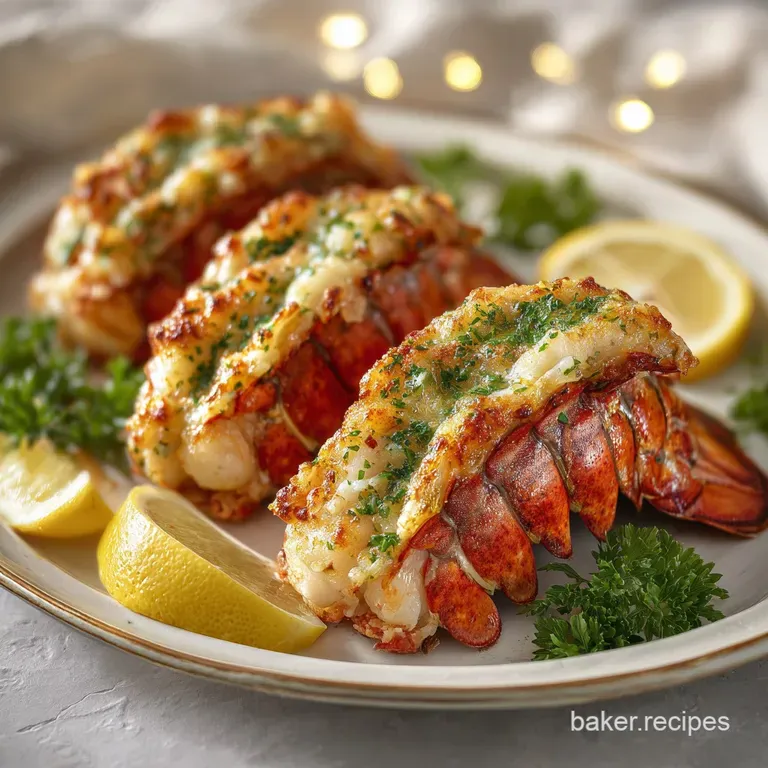
- Preheat the oven to 400°F. Note: A hot oven is crucial for that initial sear of flavor.
- Butterfly the tails by cutting down the center of the top shell with shears, stopping just before the tail fan.
- Separate the meat from the shell using your fingers or a spoon, being careful not to detach it at the very end.
- Lift the meat up and over the shell, closing the shell halves underneath so the meat rests on top.
- Pat the lobster meat completely dry with paper towels until no moisture remains on the surface.
- Brush the meat with olive oil and sprinkle with sea salt and smoked paprika.
- Mash the softened butter with the garlic, lemon juice, parsley, chives, and pepper in a small bowl.
- Spoon the garlic herb butter generously over the exposed lobster meat.
- Bake for 12 minutes until the meat is opaque white and the shells are bright red.
- Check the internal temperature with a thermometer to ensure it has reached 140°F.
Avoiding Rubbery Meat and Other Common Kitchen Failures
The most common issue people face is the meat sticking to the shell or becoming tough. This usually happens because the lobster wasn't properly thawed or the oven wasn't hot enough. If you're using frozen tails, let them thaw in the fridge for 24 hours.
Never try to bake a partially frozen tail, or the outside will be overcooked before the inside even gets warm.
Another pitfall is "shell splintering." When you cut the shell, pieces can fly into the meat. To avoid this, use sharp shears and cut in small, controlled snips rather than one giant squeeze. If a few shards do get in there, just use a damp paper towel to wipe them away before adding the butter.
Why Your Lobster is Rubbery
If the meat feels like elastic, you've likely overshot the baked lobster tail temperature. Lobster continues to cook for a minute or two after it comes out of the oven due to carryover heat. Pull it out exactly at 140°F.
| Problem | Root Cause | Solution |
|---|---|---|
| Tough Meat | Overcooking beyond 145°F | Use a thermometer and pull at 140°F |
| Bland Flavor | Not enough salt or fat | Don't skimp on the butter; seafood needs fat to carry flavor |
| Meat Sticking | Didn't separate shell before baking | Ensure you run a finger between the meat and shell before lifting |
Common Mistakes Checklist:
- ✓ Forget to thaw: Always thaw completely in the fridge to ensure even heat distribution.
- ✓ Skipping the dry down: Moisture on the meat will steam it rather than roast it; pat it dry!
- ✓ Cutting the bottom: Only cut the top shell. If you cut the bottom, the juices leak out.
- ✓ Over buttering too early: If the butter is too melted, it just runs off. Use "pomade" consistency butter.
- ✓ Ignoring the fan: Keep the tail fan intact for the best presentation and a handle for eating.
Smart Swaps for dairy-free and Low Carb Dietary Needs
If you want an easy baked lobster tail that fits a specific diet, it's actually quite simple. Lobster is naturally low carb and high protein, making it a dream for keto enthusiasts. The primary concern is usually the butter for those with dairy allergies.
For a keto version, you can actually add a little bit of grated parmesan on top during the last 2 minutes of baking to create a baked lobster tail with cheese crust. It adds a salty crunch that is absolutely addictive.
If you're going dairy-free, a high-quality vegan butter substitute works well, or even a thick garlic infused olive oil, though you'll miss out on the creamy mouthfeel of the milk solids.
| Goal | Adjustment | Effect |
|---|---|---|
| dairy-free | Use refined coconut oil or vegan butter | Similar fat profile but slight flavor shift |
| Extra Crispy | Add 1 tbsp almond flour to the butter | Creates a "breaded" texture while staying keto friendly |
| Lower Calorie | Reduce butter to 2 tbsp and add more lemon | Lighter feel, highlights the natural lobster flavor |
Keeping Your Leftovers Fresh and Using Every Shell
If you happen to have leftovers (a rare occurrence in my house!), you can store the cooked meat in an airtight container in the fridge for up to 2 days. To reheat, don't use the microwave unless you want a rubber ball.
Instead, wrap the meat in foil with a tiny pat of butter and warm it in a 300°F oven for about 5-7 minutes. It won't be as perfect as the first time, but it’s still great in a salad.
For zero waste, do not throw those shells away! I keep a gallon bag in my freezer for seafood scraps. Once I have enough, I simmer the shells with some celery, onion, and peppercorns to make a quick lobster stock. It’s the perfect base for a risotto or a bisque later in the month.
Scaling Guidelines:Scaling Down (1-2 tails): You can easily halve the butter mixture. Use a small toaster oven to save energy; the timing remains the same. Scaling Up (8+ tails): Work in batches or use two baking sheets.
Do not overcrowd one pan, as this will drop the oven temperature and lead to steaming. Increase the spices to 1.5x, but keep the salt ratio the same.
Plating Your Seafood for a High End Culinary Experience
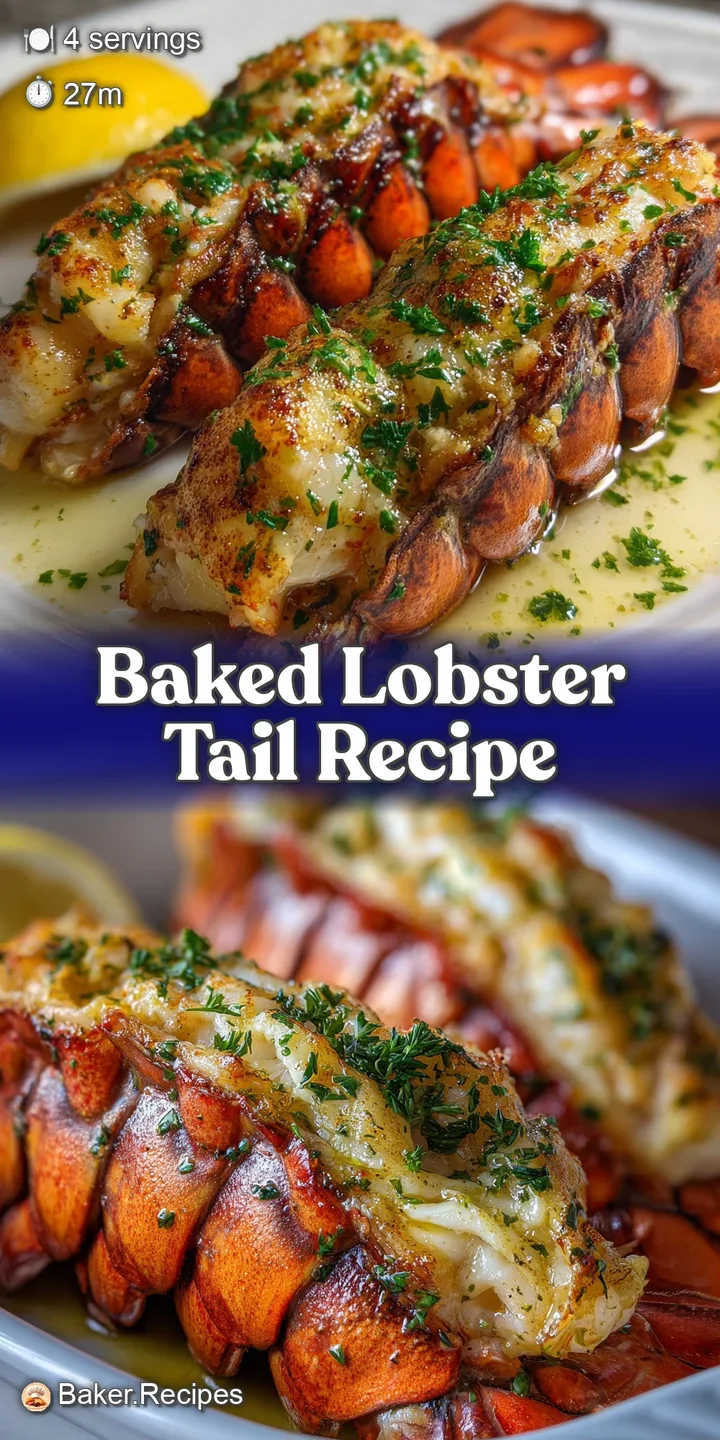
Presentation is 50% of the fun with how long bake lobster tail 400. Once the tails come out of the oven, they should be a vibrant, fire engine red. Place them on a white plate to make the colors pop. I like to garnish with a few extra sprigs of fresh parsley and a grilled lemon half.
Grilling the lemon (just face down in a pan for 2 minutes) caramelizes the sugars and makes the juice even more flavorful.
Don't forget to pour the accumulated butter juices from the baking sheet back over the meat right before serving. That "pan sauce" contains all the concentrated lobster essence and garlic flavor.
If you're looking for a dessert to follow such a rich meal, a classic Apple Pie recipe provides a homely, comforting contrast to the elegance of the seafood.
Quick Decisions for Your Prep: If you want a smoky finish, add an extra pinch of smoked paprika and a drop of liquid smoke to the butter. If you want maximum tenderness, soak the raw tails in milk for 20 minutes before butterflying (this helps neutralize any "fishy" enzymes).
If you want a garlic punch, use roasted garlic paste instead of raw microplaned garlic for a mellower, deeper umami hit.
Kitchen Wisdom and Myths
One of the biggest myths is that "fresh is always better." In reality, unless you live right on the coast, "fresh" lobster in a tank has often been sitting there for weeks, losing weight and flavor. Flash frozen tails are often processed immediately after being caught, locking in the sweetness.
Don't be afraid of the freezer aisle!
Another myth is that you need to boil the water with salt "like the sea." While salt is important, over salting water can actually toughen the exterior of the meat before the inside is cooked. With baking, we control the salt precisely on the surface where it matters.
Searing the meat does not "seal in juices" either; the moisture stays inside because of the gentle insulation of the shell and the fast cook time of the 400 degree oven. Enjoy your meal you've earned it!
Recipe FAQs
How long do lobster tails go in the oven?
Bake for 12 minutes at 400°F. This timing is for typical 5-6 oz cold water lobster tails butterflied and topped with butter. Ensure the meat is opaque white and reaches an internal temperature of 140°F.
How long does it take to cook a lobster tail at 400 degrees?
Approximately 12 minutes. This is the standard time for butterflied lobster tails at 400°F, ensuring they cook through without becoming tough. Always use a thermometer to confirm doneness at 140°F.
Can you cook lobster tails at 350?
Yes, but it will take longer. Baking at 350°F will require an additional 5-8 minutes, bringing the total cook time closer to 17-20 minutes. Keep an eye on them and check the internal temperature, aiming for 140°F.
Should I brine lobster tails before baking?
No, brining is not typically necessary or recommended for baked lobster tails. Lobster has a delicate flavor that can be easily masked by a brine. For enhanced flavor and tenderness, consider soaking raw tails in milk for 20 minutes before baking, or focus on a flavorful butter topping.
How do I butterfly a lobster tail?
Cut down the center of the top shell with kitchen shears. Stop cutting just before the tail fan. Then, carefully separate the meat from the shell using your fingers or a spoon, lifting it up and over the shell to rest on top.
What temperature should lobster tails be cooked to?
Cook lobster tails to an internal temperature of 140°F. This ensures the meat is opaque white and perfectly tender. Any higher temperature, especially above 150°F, can lead to tough, rubbery meat.
What's the best way to prevent lobster meat from sticking to the shell?
Ensure the meat is well separated from the shell before baking. After butterflying, gently run a finger or spoon between the meat and the underside of the shell. This simple step prevents the meat from fusing to the shell as it cooks.
Baked Lobster Tail
Ingredients:
Instructions:
Nutrition Facts:
| Calories | 288 kcal |
|---|---|
| Protein | 16.8 g |
| Fat | 24.2 g |
| Carbs | 1.3 g |
| Fiber | 0.1 g |
| Sugar | 0.2 g |
| Sodium | 565 mg |
