Stuffed Shells: Proper Baked Ricotta Spinach Comfort
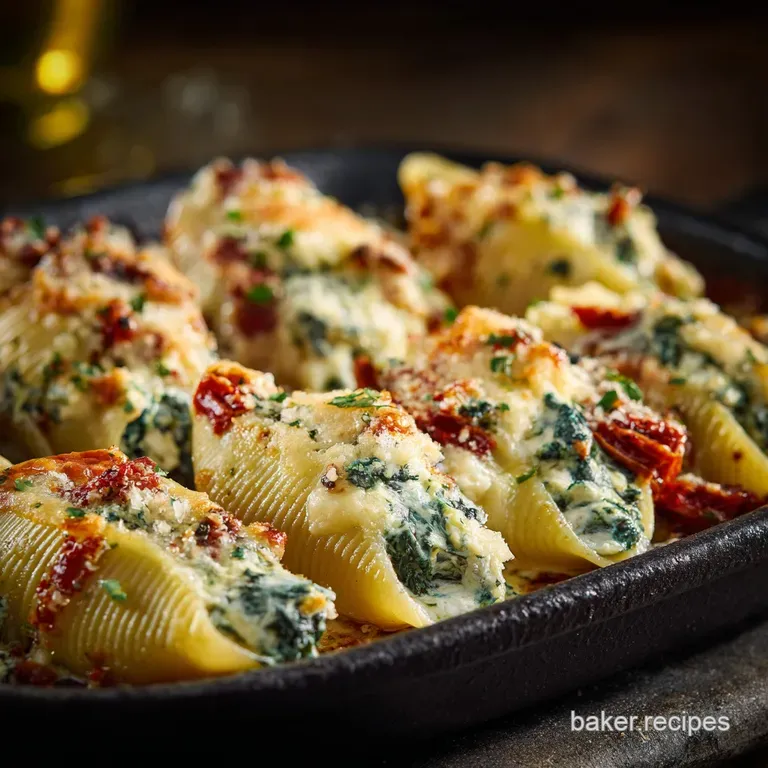
- The Culinary Comfort of Proper Baked Ricotta and Spinach Shells
- Essential Components for Stuffed Shells Success
- The Science of Satisfaction: Why This Filling is Never Dry
- The Assembly Line: Detailed Cooking Method
- Elevating Your Dish: Expert Techniques and Troubleshooting
- Make Ahead and Storage Solutions
- What to Serve Alongside Baked Ricotta Shells
- Recipe FAQs
- 📝 Recipe Card
The Culinary Comfort of Proper Baked Ricotta and Spinach Shells
There is no sound quite like the bubbling of thick tomato sauce in the oven, or the smell of melting mozzarella mixed with oregano and baked ricotta. It is utterly transporting. Honestly, walking into the kitchen when a pan of jumbo Stuffed Shells is baking is like receiving the world’s warmest hug, Italian style.
This dish is the very definition of creamy, gooey, savory comfort food, designed to cure whatever ails you after a long week.
We all need a heavy hitter recipe that feeds a crowd without breaking the bank or requiring a culinary degree. This is exactly that lifesaver dish. While the assembly can look daunting, prepping these beautiful Stuffed Shells is actually incredibly meditative, and the final result is always worth the focused time.
You are building flavor layer by layer, guaranteeing perfection.
Forget those dry, grainy versions you had in college; we are elevating the game today. We’re going deep on ingredient quality and assembly hacks that ensure your baked Stuffed Shells are moist, rich, and utterly unforgettable.
Let’s crack on and talk about how to achieve maximum cheesy, comforting goodness.
What Makes This Version Definitive?
The secret to truly great jumbo Stuffed Shells isn't complicated, but it requires respecting the ricotta. Most recipes skimp on seasoning the cheese or, worse, they don't bother to drain the spinach properly.
When you mix watery ingredients into ricotta, the whole filling structure collapses during baking, becoming grainy and separated instead of impossibly creamy.
This recipe uses two essential tricks: first, adding a touch of nutmeg to the ricotta trust me, it enhances the savory dairy flavor in a way you won’t believe. Second, we use two eggs, which act as a binder, ensuring the filling sets up beautifully inside the pasta pockets rather than melting into the sauce.
This structural integrity is what separates an okay casserole from the best Stuffed Shells you've ever eaten.
Understanding Conchiglioni Ripieni: The Italian Origin
The beautiful pasta shape we use the jumbo shell is officially called conchiglioni in Italian, meaning "large shells." The concept of ripieni (stuffed) pasta is ancient, but this specific baked casserole format, layered in a dish and drenched in marinara, is a classic Italian American adaptation.
It's the kind of Sunday feast that makes everyone happy and provides amazing leftovers.
Why Stuffed Shells Are the Ultimate Comfort Casserole
Casseroles, in general, are marvelous, but Stuffed Shells are uniquely suited for making people feel loved. They manage to deliver an entire balanced meal carbs, protein, and vegetables in one scoopable package.
They are hearty enough to satisfy the biggest appetite yet manageable enough to prepare for a smaller family dinner. They are also brilliant for freezing, which is key for busy folks who want a home cooked meal ready at a moment’s notice.
Essential Components for Stuffed Shells Success
Before we start mixing, let’s talk about the absolute essentials. We need three perfect parts: perfectly cooked pasta, a richly seasoned, dry filling, and a robust sauce base.
Skimping on the quality of any one of these components means you risk undermining the integrity of your delicious Stuffed Shells .
The Science of Satisfaction: Why This Filling is Never Dry
The richness comes down to the fat content and moisture control. I insist on using whole milk ricotta. The low-fat stuff is too watery and loses its lovely, milky flavor when baked. We are aiming for a lush, decadent filling for our baked Stuffed Shells , not something diet friendly.
The inclusion of both Parmesan and mozzarella adds layers of saltiness and elasticity, which makes for that signature stringy, creamy texture.
Selecting and Preparing Jumbo Pasta Shells (Conchiglioni)
You must treat these shells delicately. They are large, beautiful, and prone to tearing if overcooked. I always recommend cooking them al dente minus two minutes. They should still be quite firm when you drain them.
This allows them plenty of time to fully soften and absorb the surrounding sauce during the long bake time.
After draining, immediately rinse them with cold water to halt the cooking process. Then, a quick drizzle and toss with olive oil is a total game changer. That small step prevents them from sticking to each other and tearing when you start the delicate task of stuffing each one.
Breakdown of the Creamy Ricotta and Cheese Mixture
This recipe calls for a specific blend that guarantees flavor. We use ricotta as the base, naturally, but we reinforce it with two other cheeses: mozzarella for melt and Parmesan for a salty punch. The eggs are non-negotiable for structure.
For seasoning, make sure your fresh herbs parsley and basil are finely chopped so they integrate seamlessly into the dairy, rather than creating large clumps. Don't skip the nutmeg; it’s a subtle aromatic enhancement that truly defines this iteration of Stuffed Shells .
| Ingredient | Role | Viable Substitute |
|---|---|---|
| Whole Milk Ricotta | Creamy Base | Full fat cottage cheese (whipped briefly in a blender) |
| Jumbo Shells | The Carrier | Manicotti or oven ready lasagna sheets (rolled) |
| Mozzarella | Melt & Stretch | Provolone or Fontina |
| Spinach | Vegetable/Moisture | Finely chopped Swiss chard (squeezed dry) |
| Garlic Powder | Flavor Punch | Fresh minced garlic (sautéed slightly first) |
The Essential Step for Removing Excess Spinach Moisture
Listen closely, because this is where many people mess up their homemade Stuffed Shells . Frozen spinach is cheap and easy, but it contains an unbelievable amount of water.
If you dump it straight into your ricotta, your filling will be soup and your final dish will weep liquid when you slice into it.
You must squeeze the thawed spinach absolutely dry. Thaw it completely, then wrap it in a clean, lint free kitchen towel or several layers of paper towels. Twist that towel like you are trying to wring out every drop of moisture. Seriously, twist it until your arms hurt.
You should end up with a hard, dry puck of green that weighs a fraction of what you started with. Only then should you mix it into your filling for the perfect baked Stuffed Shells .
Building a Rich, Simple Tomato Base
We use marinara as our base for this easy Stuffed Shells recipe . While you can certainly make homemade sauce, using a high-quality jarred variety saves 90 minutes of cooking time and still delivers great flavor. I recommend using two large jars (about 48 ounces total).
We layer it both beneath and above the shells. That bottom layer is critical because it prevents the pasta from sticking and scorching on the baking dish during the first 30 minutes of cooking.
The Assembly Line: Detailed Cooking Method
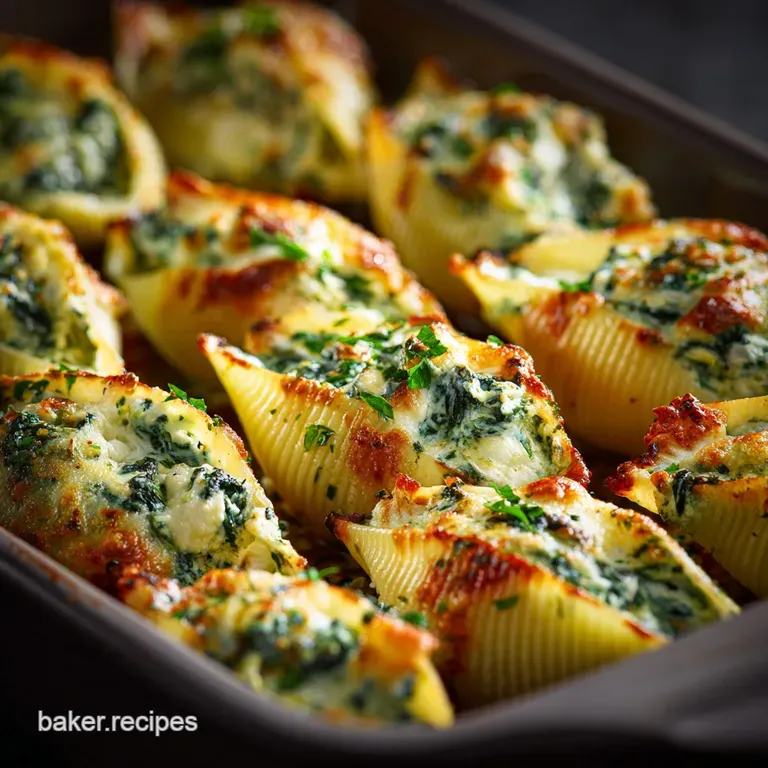
This is the fun part! Get your music playing and maybe grab a glass of wine. Assembly should be relaxed, not rushed. We are building culinary perfection one shell at a time, making the best baked Stuffed Shells possible.
Preparing the Pasta and Filling Simultaneously
Remember to get the water boiling immediately. While the shells are cooking for their brief al dente time, use that window to prepare the ricotta mixture. If you wait until the pasta is cool, you add 20 minutes to your total prep time.
As soon as the filling is ready, move it into a piping bag even a large Ziploc bag with the corner snipped is perfect to prepare for the stuffing process.
Efficiently Stuffing the Conchiglioni
Using a spoon for this task is messy and slow. I learned this the hard way after destroying about 10 jumbo shells trying to jam the ricotta mixture into them. The piping bag method is truly a revelation for making Stuffed Shells .
It gives you precision and speed, allowing you to fill each shell neatly and quickly. Aim for about two to three tablespoons of filling per shell. They should be generously filled, but don't pack them so tightly that they burst when baked.
Layering the Sauce, Stuffed Pasta, and Top Cheese
First, coat the bottom of your 13x9 baking dish with a thin, even layer of sauce about one-third of the total sauce. This sauce bath is essential. Next, arrange the filled Stuffed Shells snugly in the dish. They should be close but not aggressively jammed together.
Finally, pour the remaining marinara over the top, making sure almost every shell is submerged in the sauce bath. Top generously with the remaining shredded mozzarella.
Baking to Perfection: Timing and Temperature
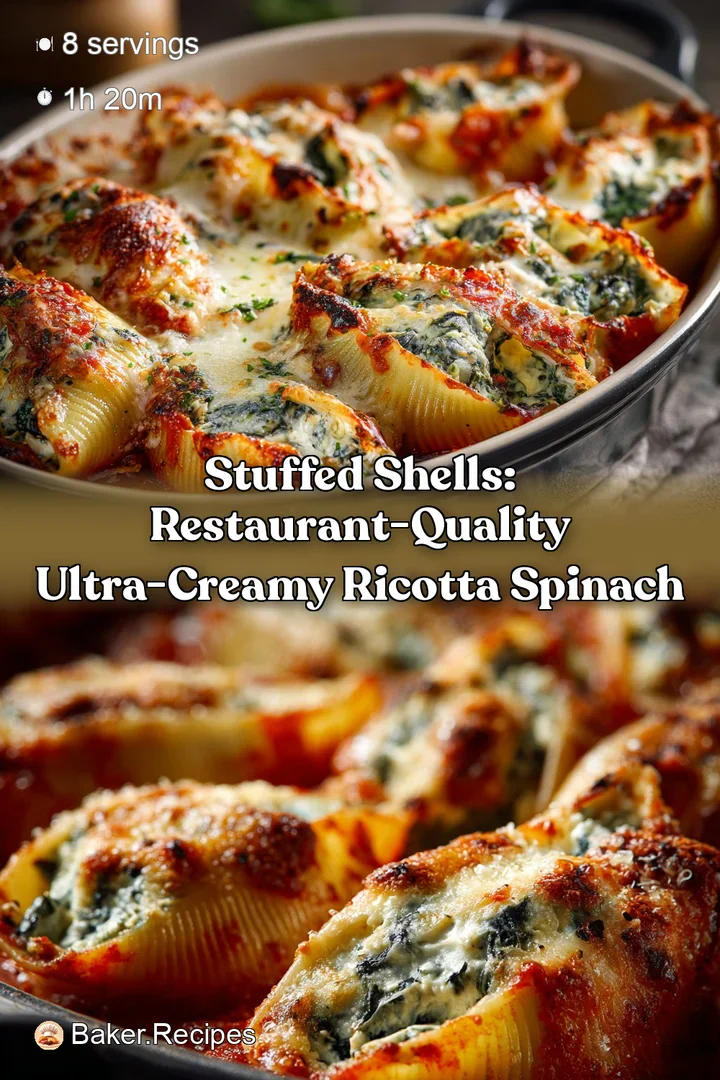
Baking these Stuffed Shells happens in two critical stages. We start covered at 375°F (190°C) for 30 minutes. The foil traps steam, ensuring the pasta fully softens and the cold filling gets piping hot all the way through without drying out the edges.
After 30 minutes, remove the foil and bake uncovered for the final 10– 15 minutes. This is when the mozzarella melts into that glorious golden crust.
Elevating Your Dish: Expert Techniques and Troubleshooting
Preventing Shells from Sticking or Tearing
As mentioned, cooking the shells slightly underdone and then rinsing them immediately is key. If you find your shells are sticking together after draining, a little extra olive oil will help.
If you've cooked them too soft, you might just have to accept that a few will tear; simply use two spoons to scoop the filling gently into the usable portion of the shell. Don't throw away torn shells they still taste amazing nestled into the sauce!
Chef's Note: If you want a fun spin on other stuffed vegetable dishes, try integrating ground Italian sausage directly into your sauce layer. It adds fantastic depth to this easy Stuffed Shells recipe , turning it into a richer meal. If you like using sausage in your baked dishes, you'd love my recipe for SunDrenched Sausage and Feta Stuffed Pattypan Squash Recipe .
Infusing the Sauce for Deeper Flavor
Even if you use jarred marinara, you can supercharge the flavor in five minutes. Before pouring the sauce into the baking dish, warm it in a saucepan and stir in an extra teaspoon of dried oregano, a half teaspoon of red pepper flakes, and maybe a tablespoon of finely chopped fresh basil.
This little boost makes all the difference in achieving deeply flavorful Stuffed Shells .
The Importance of Resting Time After Baking
I know, I know it smells incredible, and you want to eat it immediately. But please, let the casserole rest for 5– 10 minutes after it comes out of the oven. This allows the boiling sauce to cool slightly and thicken, and it allows the cheese filling to set up.
If you scoop too early, everything runs together. Resting ensures your homemade jumbo Stuffed Shells hold their shape perfectly on the plate.
make-ahead and Storage Solutions
Making Stuffed Shells ahead of time is absolutely genius. This is the perfect meal prep option for a large family gathering or a busy weeknight.
Freezing Stuffed Shells: Cooked vs. Uncooked Prep
You have two excellent choices for freezing this easy Stuffed Shells recipe :
- Uncooked (Best Method): Assemble the dish completely (up through Step 8), but do not add the final mozzarella layer yet. Cover the pan tightly with two layers of foil and freeze flat. When ready to bake, thaw overnight in the fridge. Add the mozzarella topping just before baking, and increase the covered baking time by 15- 20 minutes to account for the chilled start.
- Cooked: Bake the dish completely, let it cool, then slice into individual portions and freeze in airtight containers.
Best Practices for Reheating Leftovers
If reheating a large portion of your beautiful baked Stuffed Shells , cover the dish with foil and heat in a 350°F (175°C) oven until warmed through (about 20– 25 minutes).
If you are reheating a single serving, a microwave works fine, but adding a tiny splash of extra sauce before nuking prevents the pasta from drying out. These jumbo Stuffed Shells are still delicious the next day!
What to Serve Alongside Baked Ricotta Shells
This dish is incredibly rich and satisfying all by itself, but certain sides help cut through the richness and round out the meal beautifully. When serving these impressive Stuffed Shells , think light and bright!
Light Salad and Vegetable Compliments
The best companion for cheesy pasta is always something crisp and acidic. A simple Arugula Salad dressed with lemon juice, olive oil, and shaved Parmesan is perfect. The slight bitterness of the arugula is exactly what you need to balance the creamy ricotta. If you are looking for other hearty vegetable mains, I sometimes make a lighter side that uses similar flavors, like my recipe for Sunday Roast Stuffed Winter Squash Sausage Apple Pecan .
Serving a magnificent platter of Stuffed Shells is a sign that someone is about to be spoiled. Enjoy every single cheesy, glorious bite!
Recipe FAQs
Can I assemble the Stuffed Shells ahead of time and bake them later?
Yes, this dish is excellent for make-ahead preparation. Assemble the casserole fully, cover it tightly with plastic wrap and then foil, and refrigerate for up to 24 hours.
When ready to bake, remove the dish from the fridge 30 minutes before baking to take the chill off, and increase the total cooking time by about 10-15 minutes.
Why is my ricotta and spinach filling dry or crumbly?
A dry filling often results from insufficient moisture binding the ricotta. Ensure you thoroughly squeeze the excess water from your cooked spinach this is crucial for texture.
If the mixture still seems too dry, stir in an extra egg yolk or a tablespoon of heavy cream to achieve the perfect creamy, binding consistency.
What is the best way to freeze this recipe?
Stuffed shells freeze beautifully, especially when prepared in a disposable aluminum baking pan.
Assemble the entire dish (shells and sauce), cover tightly with two layers of heavy duty foil, and label with the date. Freeze the shells unbaked for up to three months, thawing overnight in the refrigerator before baking according to the original directions.
Should I cook the pasta shells completely before stuffing them?
No, you should cook the shells only until they are al dente, which is typically 1 to 2 minutes less than the package directions suggest.
Because the pasta will absorb moisture and continue cooking in the oven sauce, undercooking them slightly prevents the shells from becoming mushy or tearing during the stuffing process.
Can I substitute cottage cheese for the ricotta?
While ricotta provides the traditional Italian texture and flavor, cottage cheese is an acceptable, often lower fat alternative.
For the best results, use small curd cottage cheese and pulse it briefly in a food processor before mixing in the spinach and seasonings; this helps mimic the smooth consistency of ricotta.
How can I incorporate meat into this vegetarian recipe?
You can easily make these shells meat friendly by incorporating cooked ground beef, Italian sausage, or a mix of both into the filling.
Ensure the meat is fully browned and well drained of excess fat before mixing it thoroughly with the ricotta and spinach combination prior to stuffing.
How do I know when the Stuffed Shells are fully cooked and ready to serve?
The shells are fully cooked when the internal temperature reaches 165°F (74°C) and the sauce around the edges of the casserole dish is vigorously bubbling.
The top layer of cheese should be melted and lightly golden brown, indicating that the dish is heated through and the flavors have properly melded.
Baked Ricotta Spinach Stuffed Shells
Ingredients:
Instructions:
Nutrition Facts:
| Calories | 600 kcal |
|---|---|
| Fat | 28 g |
| Fiber | 7 g |
