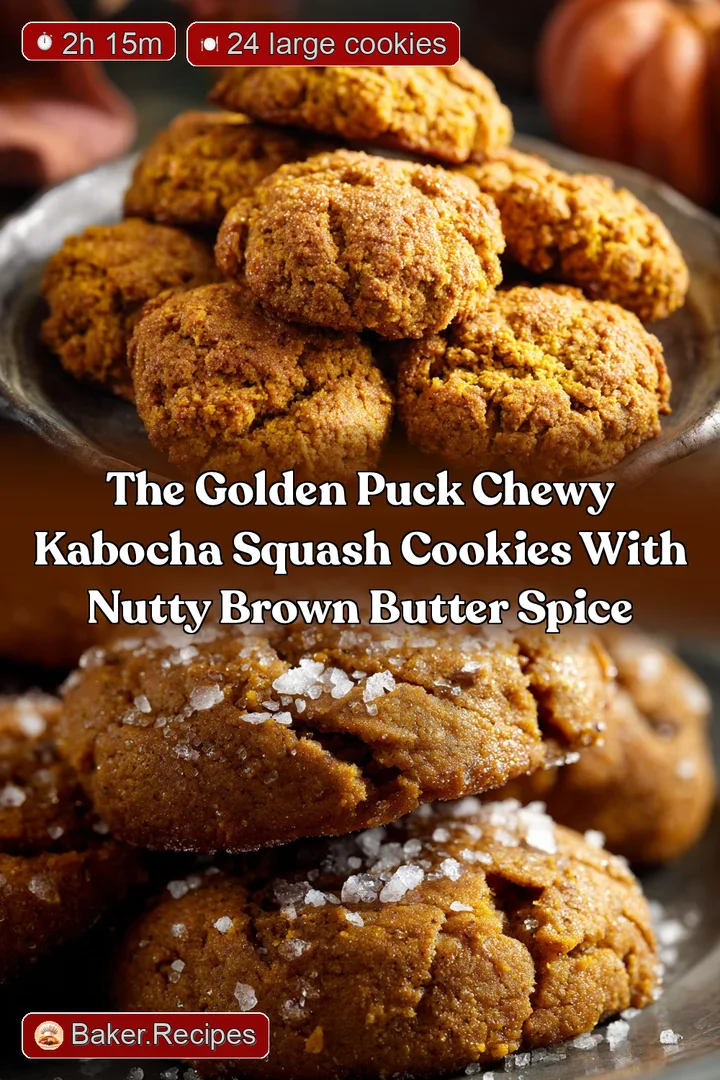
Chefs Chewy Kabocha Brown Butter Spice Cookies the Golden Puck
- Why Kabocha Is the Ultimate Baking Squash
- Unlocking the Secret of Chewy Autumn Cookies
- Gathering Your Arsenal: Essential Supplies for Kabocha Squash Cookies
- Step-by-Step Guide to Baking These Magnificent Kabocha Squash Cookies
- From Prep Bowl to Perfect Cookie: The Technique Breakdown
- Troubleshooting and Expert Tips for Your Next Batch
- Customizing and Storing Your Golden Pucks
- Recipe FAQs
- 📝 Recipe Card
Why Kabocha Is the Ultimate Baking Squash
When the weather turns cool, most bakers reach automatically for canned pumpkin, often unaware that they are setting themselves up for a battle against excess moisture. If you want truly exceptional Kabocha Squash Cookies , the key is embracing the unique qualities of the Kabocha.
Often referred to as Japanese pumpkin, this gourd offers a much denser, less fibrous flesh than its standard carving counterpart. This density is the crucial element for successful Kabocha Dessert Recipes , ensuring your dough stays firm and your resulting treats hold their shape rather than spreading into thin, wet disks.
Kabocha provides a deep, almost chestnut like sweetness and a rich yellow orange hue that beautifully colours the dough. Its lower natural water content means that, after roasting and pureeing, you have a concentrated source of flavour and structure that regular pumpkin puree simply cannot replicate.
This makes it an essential starting point for Unique Fall Baking Ideas where texture is paramount, highlighting a superior application among various Kabocha Squash Uses .
Unlocking the Secret of Chewy Autumn Cookies
Creating the perfect fall cookie is a balanced equation involving fat, sugar, and moisture control. Our goal is to craft Chewy Kabocha Spice Cookies that offer rich spice notes and a texture that borders on plush.
Defining 'The Golden Puck': Achieving Texture Perfection
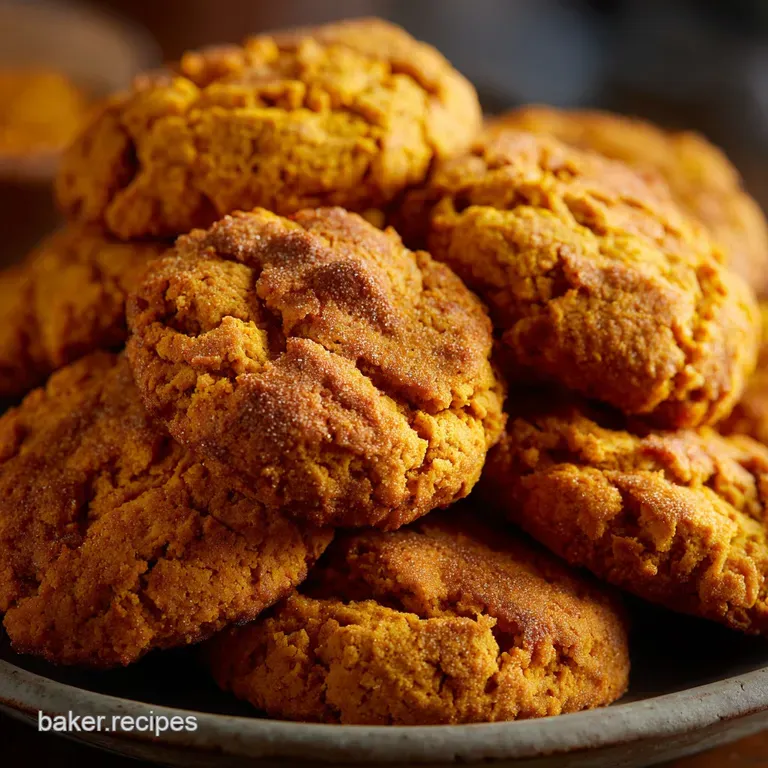
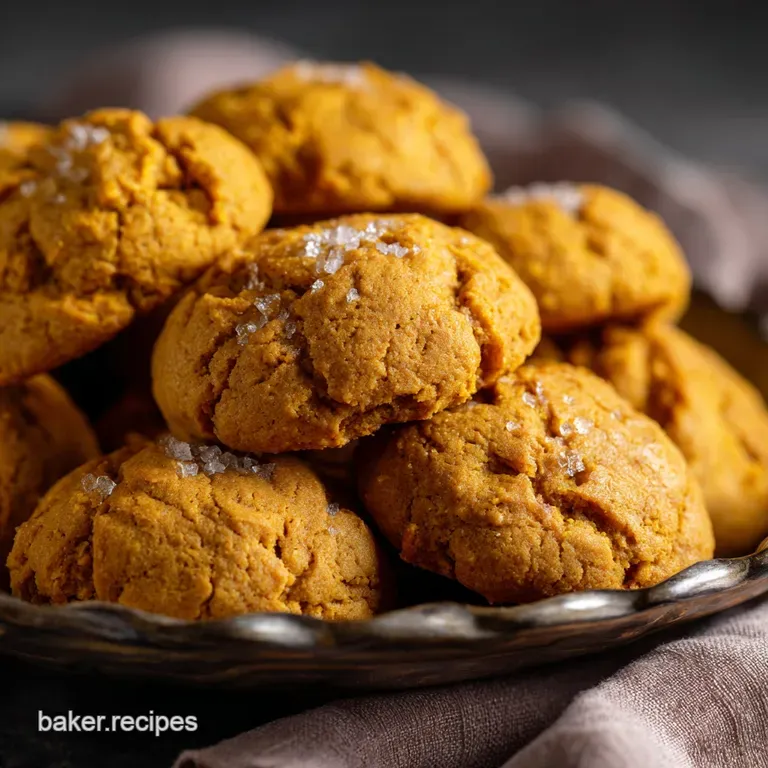
The nickname "The Golden Puck" refers to the ideal result of these cookies: slightly thick, golden around the edges, and unbelievably soft in the center. To achieve this chewy integrity, we rely heavily on the density provided by the Kabocha.
On top of that,, precise ingredient measurement and mandatory chilling ensure the high fat and moisture content don't lead to premature melting during baking. These techniques separate a mediocre drop cookie from a standout, high-quality Squash Cookie Recipe .
The Magic of Brown Butter: A Simple Game Changing Base
The foundation of this recipe isn't just standard butter; it's brown butter . By slowly melting and cooking 225g (8 oz) of unsalted butter until the milk solids caramelize, we introduce layers of nutty, toffee like complexity.
This deep, warm flavour profile elevates the entire Brown Butter Kabocha Recipe , beautifully complementing the autumn spices without being overly sweet. It takes a simple cookie from pleasant to extraordinary.
Kabocha vs. Pumpkin Purée: Density and Sweetness Compared
As established, Kabocha is superior due to its inherent dryness. When substituting other squashes, especially standard canned pumpkin puree, you must account for the water difference.
If you absolutely need to use a substitution, use only ¾ cup (180g) instead of the full 1 cup (240g) of Kabocha puree called for in this recipe, as that will help prevent the dough from becoming too slack.
Sticking to the specific Kabocha amount ensures the perfect dough consistency needed for these Best Fall Cookies .
Gathering Your Arsenal: Essential Supplies for Kabocha Squash Cookies
To successfully execute this recipe, you will need precise measurements of both pantry staples and seasonal ingredients. The dry mix consists of 330g (2 ¾ cups) of all-purpose flour, balanced with 1 teaspoon of baking soda and ¾ teaspoon of fine sea salt.
The spice blend is robust, incorporating 1 ½ teaspoons of cinnamon, ¾ teaspoon of ginger, and ½ teaspoon of freshly grated nutmeg, which provides an intensely aromatic warmth.
For the wet ingredients, beyond the critical brown butter base, we require two cold large eggs, 1 teaspoon of vanilla extract, and the star, 240g (1 cup) of cooled Kabocha puree.
Prepping the Star: Achieving the Perfect Kabocha Consistency
The success of these cookies hinges entirely on the quality and dryness of the puree. This preparation is a foundational step in Easy Kabocha Baking .
How to Roast and Purée the Kabocha Effectively
Start by preheating your oven to 200°C (400°F). Take one medium Kabocha squash (about 750g), halve it, and remove the seeds. Rub the cut surfaces lightly with olive oil and a pinch of salt before placing them cut-side down on a lined baking tray.
Roast for 30– 40 minutes until the flesh is completely fork tender. Once slightly cooled, scoop the flesh into a food processor and blend until perfectly smooth. Most importantly, measure exactly 240g (1 cup) and allow it to cool completely to room temperature.
If your puree appears too liquid (a rare issue with Kabocha, but possible), simmer it gently in a saucepan for a few minutes to cook off excess water before cooling.
Sourcing the Spices for Maximum Warmth and Aroma
While pre-ground spices work, the flavor difference achieved by using high-quality or freshly ground spices is notable. Always use freshly grated nutmeg; its potency is unmatched. The precise ratio of 1 ½ tsp cinnamon to ¾ tsp ginger creates a balanced, comforting flavour that defines these specific Kabocha Squash Cookies .
The Role of Sugars in Controlling Spread and Chewiness
The sugar balance is carefully calibrated: 200g (1 cup packed) of light brown sugar provides moisture and the signature deep chewiness, while the smaller quantity of 50g (¼ cup) of granulated sugar helps stabilize the dough and promotes a slightly crisp edge.
This combination ensures the perfect texture without the cookie becoming overly dense or flat.
Tools of the Trade: Silicone Mats vs. Parchment Paper
For consistent results, especially with moisture rich doughs, reliable baking surfaces are essential. While parchment paper works well, silicone mats offer superior, even heat distribution, helping to prevent the edges from burning while the interior bakes.
You will need two or three baking sheets, a stand mixer with a paddle attachment, and a small saucepan dedicated to browning the butter.
Related Recipes Worth Trying
- Sunday Roast Stuffed Winter Squash Sausage Apple Pecan — Transform humble winter squash into a proper Sunday centrepiece This stuffed acorn squash recipe uses a rich sausage apple and pecan filling Hearty grub...
- MapleSweetened Healthy Granola Cookies The Ultimate Power Cookie — Proper chunky healthy granola cookies recipenaturally sweetened with maple low sugar to defeat the 3 PM slump Chewy centres perfect for your cuppa
- SunDrenched Sausage and Feta Stuffed Pattypan Squash Recipe — Transform summer squash into an elegant main dish This easy stuffed squash recipe features savory Italian sausage and creamy feta baked inside tender...
step-by-step Guide to Baking These Magnificent Kabocha Squash Cookies
The process is structured into four main stages: preparing the puree, creating the brown butter base, mixing and chilling the dough, and finally, baking. After the Kabocha puree is roasted, blended, and fully cooled, the first active step is preparing the brown butter, which will take about 5- 7 minutes.
Once the base is ready, the wet ingredients (eggs, puree, vanilla) are introduced, followed by the combined dry ingredients (flour, leaveners, spices). The dough must then be chilled for a non-negotiable minimum of 60 minutes.
Once chilled, the cookies are scooped onto lined trays and baked at 175°C (350°F) for 12– 14 minutes, resulting in approximately 24-28 generously sized treats.
From Prep Bowl to Perfect Cookie: The Technique Breakdown
Successful baking is all about controlling temperature and mixing time.
Mastering the Brown Butter: Hitting the Hazelnut Stage
Start by melting the butter in a light coloured saucepan over medium heat, stirring frequently. The butter will foam, then the foam will subside, and tiny brown solids will settle at the bottom.
Watch closely; the moment you smell a rich, nutty, almost hazelnut aroma, immediately pour the hot butter including all the browned solids into your mixing bowl. This transfers the flavour and stops the cooking process instantly.
Creaming and Combining: Integrating Wet and Dry Ingredients
Using a stand mixer fitted with a paddle attachment, beat the slightly warm brown butter together with the two types of sugar for 2- 3 minutes until the mixture is light and creamy. Next, incorporate the two cold eggs, one at a time, ensuring full integration after each addition.
Only then should you mix in the cooled 240g of Kabocha puree and vanilla extract on low speed. In a separate bowl, whisk together your measured 330g of flour, spices, salt, and baking soda. Add the dry mixture to the wet mixture gradually on the absolute lowest speed, stopping as soon as the flour streaks disappear.
Overmixing at this stage develops gluten and results in a tough cookie. If using the optional 50g (½ cup) of rolled oats, fold them in gently by hand with a spatula.
The Critical Hour: Why Chilling the Dough Matters
Chilling is the secret weapon against spread. The one-hour minimum resting period in the refrigerator serves two primary functions: it solidifies the brown butter, which slows the rate at which the cookie spreads in the hot oven, and it allows the flour to fully hydrate with the moisture from the Kabocha puree.
Skipping this step guarantees a flat, greasy cookie. For maximum flavor development, chilling for 24 hours can be beneficial.
Scooping and Spacing for Uniform Baking Results
Preheat the oven to 175°C (350°F). Using a 1.5 oz (3 tablespoon) portion scoop is essential for consistency. Place the cold dough balls on the lined baking sheets, ensuring they are spaced at least 2 inches apart to allow for airflow and optimal expansion.
This preparation guarantees that every cookie in the batch bakes evenly.
Troubleshooting and Expert Tips for Your Next Batch
To ensure the best possible outcome for your Kabocha Squash Cookies , pay close attention to these expert details.
First off,, always verify the moisture content of your puree. Even though Kabocha is drier than pumpkin, if your finished puree seems loose, briefly cooking it on the stovetop will evaporate the excess water, preventing premature spreading.
Next,, when making the brown butter, use a stainless steel pan rather than a dark nonstick pan; this allows you to clearly monitor the colour change of the milk solids to prevent burning. Finally, avoid the common mistake of overbaking.
These cookies are ready after 12– 14 minutes when the edges are set and a light golden brown, but the centers still appear slightly soft. They will continue to cook on the hot tray for five minutes, setting up perfectly to retain that desirable soft chewiness.
Customizing and Storing Your Golden Pucks
Once you have mastered the foundational Easy Kabocha Baking technique, these cookies offer excellent opportunities for personalization.
Handling Vegan Adaptations: Finding the Right Egg Substitute
While the original recipe relies heavily on dairy (brown butter) and eggs for structure, substitutions can be made. For a fully vegan option, substitute the brown butter with a high-quality vegan butter substitute and use a commercial egg replacer or flax eggs, noting that the texture may lean slightly denser.
If you are only looking for a gluten-free adaptation, simply use a suitable GF all-purpose blend that already contains xanthan gum.
Achieving Crisp Edges Versus Maximum Softness
For maximum chew and softness the true ideal of these Chewy Kabocha Spice Cookies —stick to the minimum 12-minute bake time and ensure you use light brown sugar. If you prefer a cookie with slightly crisper edges and a more defined structure, bake closer to the 14-minute mark.
Reducing the sugar slightly will also result in a less chewy, more structured finish.
Shelf Life and Freezer Instructions for Baked Dough
These Kabocha Squash Cookies maintain their optimal freshness and flavour for up to 4 5 days when stored in an airtight container at room temperature. For future baking, the scooped, unbaked dough balls freeze beautifully. Place them on a tray and freeze until solid, then transfer them to a freezer bag.
They can be baked straight from frozen; simply add 2- 3 minutes to the cook time.
Variations: Adding Nuts, Glaze, or White Chocolate Chips
Enhance your Japanese Pumpkin Dessert by folding in 1 cup of white chocolate chips, chopped pecans, or walnuts along with the optional rolled oats. Alternatively, skip mix-ins and top the fully cooled cookies with a simple optional maple glaze: whisk 120g (1 cup) of sifted icing sugar with 1 tablespoon of maple syrup and 1-2 tablespoons of milk or water until thick but drizzly, providing a sweet, decorative finish.
Recipe FAQs
I usually use canned pumpkin. Is Kabocha squash really worth the faff, and can I substitute it?
Absolutely worth the effort! Kabocha is naturally denser and significantly less watery than standard pumpkin, which is why it's the secret to a beautifully chewy biscuit that doesn't spread too much. It also provides a richer, nuttier sweetness.
If you’re truly pressed for time, you can substitute with canned pumpkin, but you must gently cook the puree on the hob for 5 10 minutes to dry it out first. A drier puree is crucial here, spot-on.
My Kabocha Squash Cookies look flat as pancakes! What's gone wrong with my dough?
Ah, the dreaded cookie spread! The culprit is almost always either excess moisture or insufficient chilling time. Make certain your Kabocha puree was cooled completely and cooked down if it seemed wet moisture is the enemy of a chewy cookie.
Furthermore, the dough chilling step (a minimum of 60 minutes) is non-negotiable, as it firms up the brown butter and stops the cookies from melting into puddles when they hit the hot oven.
This recipe takes a bit of time. Can I make the dough ahead of time or freeze the finished biscuits?
You can be super organised and prep ahead, which is a massive win! The scooped dough balls can be stored tightly covered in the fridge for up to three days. For longer storage, scoop the dough balls onto a tray and freeze them solid, then transfer them to a freezer bag or airtight container for up to three months.
You can bake them straight from frozen, adding an extra 2 4 minutes to the cooking time.
The recipe calls for brown butter; is that just for show, or does it make a proper difference?
It makes a colossal difference and is well worth the five minutes of attention! Browning the butter toasts the milk solids, resulting in a nutty, caramelised flavour profile we call it beurre noisette.
This complexity adds depth that plain melted butter just can’t touch, elevating the spiced Kabocha flavour from pleasant to truly magnificent. Use a light coloured pan so you can easily see those gorgeous brown bits forming!
I need to cater for allergies. How can I adapt these to be gluten-free or dairy-free?
Going gluten-free is usually sorted by swapping the plain flour for a reliable 1:1 GF baking blend that already contains xanthan gum. If you need a dairy-free option, you can substitute the butter for a high-quality, solid plant based butter alternative.
While you will miss the specific depth of the brown butter, the dense texture of the Kabocha and the warmth of the spices will ensure the resulting cookie is still a spot-on treat.
Brown Butter Kabocha Cookies
Ingredients:
Instructions:
Nutrition Facts:
| Calories | 398 kcal |
|---|---|
| Protein | 2.8 g |
| Fat | 14.9 g |
| Carbs | 30.4 g |
| Fiber | 3.1 g |
| Sodium | 2836 mg |
