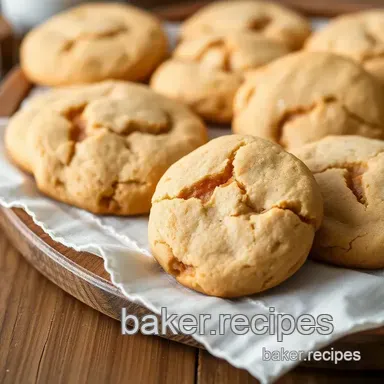
Quick Brown Sugar Shortbread Cookies in 30 Minutes
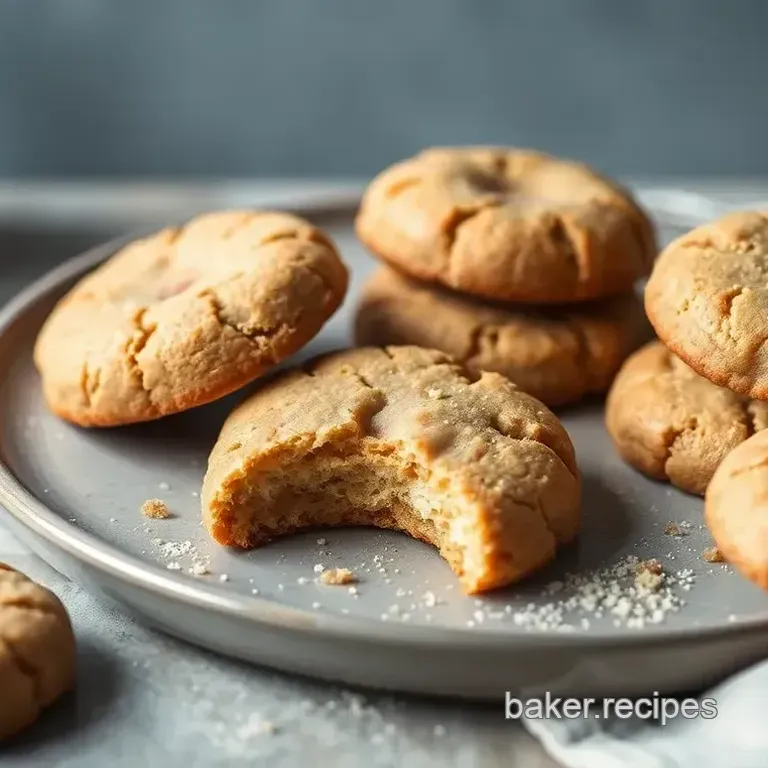
- Timing: 20 minutes of prep and 10 minutes in the oven
- Profile: A buttery, sandy crunch with deep molasses notes
- Best for: Rapid dessert cravings or novice bakers who prefer to skip the dough-chilling step
Quick Brown Sugar Shortbread Cookies
As soon as these enter the oven, the smell of toasted sugar and browned butter fills the air. It's a rich, nutty fragrance that creates an instant feeling of warmth throughout your home. I once believed that making shortbread was a major undertaking involving hours of prep and constant refrigeration.
You'll often hear that the dough must be chilled for hours to prevent the cookies from flattening. In reality, that's unnecessary if you manage your butter temperature correctly. With the right butter consistency, you can move from mixing to tasting in roughly 30 minutes.
This recipe for brown sugar shortbread is a shortcut to achieving a gourmet bakery flavor in a fraction of the time. The use of brown sugar provides a deep mahogany hue and a shattering crispness that you simply won't get with white sugar.
Why This Batch Works
- The "Plastic" Butter State: Using butter that is cool but pliable means the fat stays structured enough to hold the shape, skipping the 2 hour chill time.
- Molasses Impact: Brown sugar adds moisture and acidity, which makes the inside feel velvety while the edges get a deep gold snap.
- Low Air Mixing: Mixing on low speed prevents the dough from puffing up and then collapsing in the oven.
| Approach | Chill Time | Butter Temp | Edge Texture |
|---|---|---|---|
| Traditional | 2 hours | Cold | Sharp & Hard |
| Shortcut | 0 minutes | Cool Room Temp | Soft Crisp |
Basic Recipe Specs
Designed for efficiency, this recipe preserves the iconic sandy crunch of traditional shortbread. You will make 24 buttery, decadent cookies.
The entire process takes 30 minutes: 20 for prep and 10 in the oven. No professional gear is required.
Shopping List Breakdown
For this recipe, you only need five pantry staples. The quality of the butter really shows here, so use a brand you actually like.
| Ingredient | What It Does | Best Swap |
|---|---|---|
| Unsalted Butter | Provides structure and richness | Coconut oil (solid state) |
| Light Brown Sugar | Adds molasses flavor and moisture | Coconut sugar |
| All Purpose Flour | Creates the sandy crumb | Almond flour (denser result) |
| Salt | Balances the sweetness | Sea salt flakes |
| Vanilla Extract | Adds aromatic depth | Almond extract |
Pantry Tips
- Butter (1 cup/225g): Why this? Cool room temp keeps the shape without chilling.
- Brown Sugar (1/2 cup/100g): Why this? Packed tight to ensure the right molasses ratio.
- Flour (2 cups/250g): Why this? Standard AP flour keeps the snap consistent.
- Salt (1/2 tsp/3g): Why this? Essential to stop the butter from tasting flat.
- Vanilla (1 tsp/5ml): Why this? Rounds out the sugar notes.
Tools You'll Need
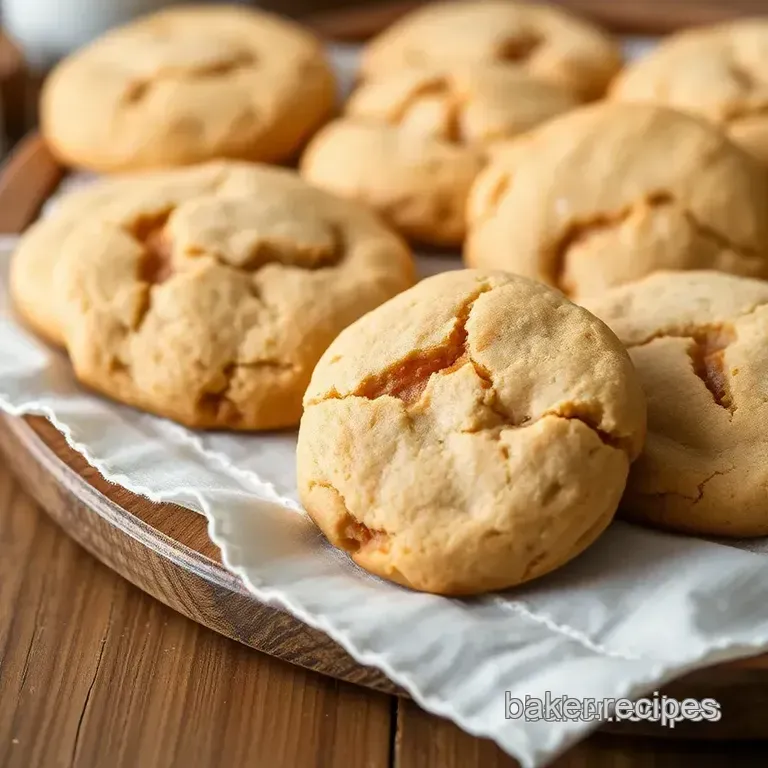
No fancy equipment is required for this recipe. Either a standard hand mixer or a stand mixer, such as a KitchenAid, will do the trick.
Should a mixer be unavailable, you can beat the dough by hand with a fork; just keep in mind that the butter won't achieve the same fluffiness. You'll also need a baking sheet and parchment paper to keep the cookies from sticking.
A basic fork is used for "docking" (pricking the tops), which is a traditional shortbread technique.
Steps to Bake Them
- Cream the butter. Beat the room temperature butter and brown sugar on medium speed until light and fluffy.
- Add flavoring. Stir in the vanilla extract until fully incorporated.
- Prepare dry ingredients. Whisk the flour and salt together in a small bowl.
- Mix gradually. Using the lowest mixer setting, slowly incorporate the flour mixture.
- Stop early. Mix only until the dough clumps and no white streaks are visible. Note: Over mixing makes the cookies tough.
- Heat oven. Set your oven to 325°F (160°C).
- Shape dough. Roll the dough on parchment paper into a rectangle about 1/2 inch thick, or scoop into small balls and flatten them.
- Prick tops. Use a fork to poke holes in the top of each cookie. Note: This lets steam escape so they stay flat.
- Bake. Cook for 10-12 minutes .
- Cool. Let them rest on the baking sheet for 5 minutes before moving to a rack.
Fixing Common Issues
Fixing Spreading Cookies
If your cookies turned into flat discs, your butter was likely too warm. When butter gets oily, it loses its ability to hold air. If you notice the dough feels greasy, pop the shaped cookies in the freezer for 5 minutes before they go into the oven. If you're in a rush and don't want to deal with dough temperature, you might prefer Classic No Bake Cookies instead.
Fixing Crumbly Dough
A dough that won't stay together usually means it's too dry. This happens if you measure flour by scooping the cup directly into the bag, which packs the flour down. Try adding a teaspoon of melted butter or a splash of milk to bring it back together.
Fixing Tough Cookies
If the shortbread feels like a cracker instead of sandy, you over mixed the flour. This develops gluten, which is great for bread but bad for cookies. Next time, stop the mixer the second the flour disappears.
| Goal | Change |
|---|---|
| For a harder snap | Bake 2 mins longer |
| For a softer center | Bake 10 mins exactly |
| For bigger cookies | Scoop 1.5x more dough |
How to Serve Them
These are great on their own, but they shine when paired with something tart. I love serving them with a side of fresh raspberries or a dollop of lemon curd.
Since they have that deep caramel vibe, they also go well with a cold glass of milk or a strong cup of black coffee. If you're feeling fancy, you can dip half of the cooled cookie in melted dark chocolate and sprinkle a bit of flaky salt on top.
Storage and Leftovers
Keep these in a sealed plastic tub at room temperature for up to 5 days. They'll stay crisp as long as they aren't exposed to humidity. You can also freeze them for up to 3 months. Just put them in a freezer bag and thaw them for 20 minutes before eating.
To avoid waste, don't toss the butter wrapper. Use a piece of paper towel to wipe every bit of fat out of the wrapper and add it to your next batch of sautéed vegetables. If you have a little leftover dough, roll it into one giant cookie and bake it as a "chef's treat."
Flavor Twists to Try
You can easily change the vibe of this recipe. For a citrus kick, add the zest of one lemon to the sugar. For something more cozy, swap the vanilla for a pinch of cinnamon and nutmeg.
If you enjoy these, they make a great companion to my Classic Lemon Bars recipe, as the tart lemon cuts through the buttery richness. You could also stir in 1/4 cup of mini chocolate chips or chopped pecans during the final mixing step for added texture.
My Baking Myths
Myth: You must use a stand mixer. Truth: A hand mixer or even a fork works. The only requirement is that the butter and sugar are well combined before adding flour.
Myth: Shortbread needs eggs to bind. Truth: The fat in the butter acts as the binder. Adding eggs would turn these into standard sugar cookies and ruin the sandy texture.
Recipe FAQs
Does brown sugar work for shortbread cookies?
Yes, it adds a rich caramel flavor and a slightly chewier texture than white sugar. The molasses in the sugar also gives the cookies a deeper golden color.
How to make these with only three ingredients?
Omit the vanilla and salt from the recipe. Combine just the butter, brown sugar, and flour to create a very simple, buttery treat.
What does the 321 rule mean for shortbread?
This rule refers to a weight ratio of three parts flour, two parts butter, and one part sugar. If you enjoyed mastering the fat-to-flour ratio here, see how the same principle works in our orange shortbread.
Is it true that you must add eggs to make shortbread bind?
That's a myth. Traditional shortbread relies entirely on the high butter content to hold the dough together without any binders.
Which sugar is better for a crispier result?
White sugar usually produces a crispier cookie. Brown sugar makes these softer and more fragrant because of the moisture in the molasses.
Why did my cookies spread too much?
Your butter was likely too soft or melted before baking. Use cool room temperature butter to ensure the cookies hold their shape at 325°F.
Can these cookies be made without eggs?
Yes, this recipe is naturally egg-free. The combination of butter and flour creates a stable, crumbly structure on its own.
Brown Sugar Shortbread Cookies Recipe