The Golden Age Raisin Spice Pie a Deepdish Classic
- Unearthing the Soul of Comfort: Why This Raisin Pie Stands Apart
- A Nod to Nostalgia: The Allure of This Vintage Dessert
- Assembling the Cornerstone Components for Your Pie
- Essential Mise en Place: Tools & Tenets for Perfect Prep
- The Step-by-Step Mastery of Creating This Magnificent Raisin Pie
- Building the Perfect Structure: From Dough to Done
- Elevating Your Next Slice: Serving Suggestions & Pairing Notes
- Preserving the Pleasure: Handling Leftovers and Future Bakes
- Recipe FAQs
- 📝 Recipe Card
Unearthing the Soul of Comfort: Why This Raisin Pie Stands Apart
There is a specific kind of magic woven into the fabric of truly classic desserts, the kind that doesn't rely on modern trends or complicated techniques, but rather on deep, satisfying flavour. Our Raisin Pie Recipe taps directly into that wellspring of culinary nostalgia.
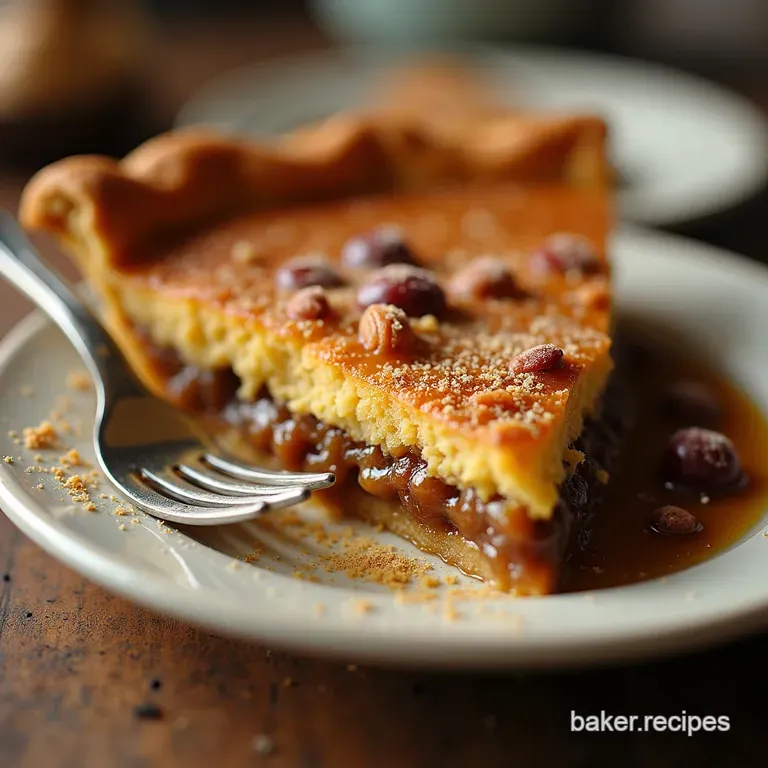
This isn't just another fruit tart; it’s an homage to the robust, beautifully spiced bakes that graced tables generations ago. When you bite into a slice of this Classic Raisin Pie , you taste history a perfect balance of plump, sweet fruit suspended in a rich, warmly spiced custard, all encased in the flakiest, buttery shell imaginable.
It promises warmth, familiarity, and a deeply gratifying experience that immediately elevates it into the upper echelon of Comfort Food Pie Recipes .
A Nod to Nostalgia: The Allure of This Vintage Dessert
The history of Traditional Raisin Pie is rich, often tracing back to the necessity of preserving fruit during colder months, transforming simple dried grapes into an extravagance. What makes this iteration so special is how we treat those humble raisins.
We aren't just tossing them into a slurry; we are coaxing their flavour out through careful maceration and pairing them with spices that sing rather than shout. Our goal is to create a Homemade Raisin Pie that tastes authentically old-fashioned yet perfected for the modern palate deeply flavoured, beautifully set, and never cloyingly sweet.
This Easy Raisin Pie approach ensures you spend less time wrestling with fussy additions and more time anticipating that first perfect bite.
Beyond Basic: The Secret to Our Perfectly Tender Raisin Filling
The texture of the Raisin Pie Filling Recipe is paramount. If the raisins are tough or the custard too runny, the whole experience falls flat. The secret lies in two key actions taken before mixing the final ingredients.
First, we plump the raisins by simmering them gently in liquid we opt for a mix of water and a splash of dark rum, which adds a subtle molasses depth that complements the spice beautifully. This initial softening ensures that they finish baking tender, bursting with juicy sweetness rather than remaining chewy.
Second, we are meticulous about the thickening agent, utilizing a blend of cornstarch and the eggs to create a custard that sets with a clean, knife able texture. This attention to detail results in what I confidently call the Best Raisin Pie Filling .
Why We're Ditching Fussy Techniques for True Homestyle Flavor
While some bakers might advocate for an overly complicated soaking process or using specialized binders, we are committed to simplicity here. This recipe is designed to be approachable. We skip the intensive blind baking of the bottom crust unless you struggle with soggy bottoms and even then, we keep it minimal.
The structure relies on the natural setting power of the custard combined with a proper pre-soak for the fruit. This focus ensures that the final result embodies the spirit of a true homestyle bake: honest, robust, and irresistibly fragrant.
Assembling the Cornerstone Components for Your Pie
A magnificent pie, especially one destined to be remembered, requires two distinct, perfectly executed components: the crust and the filling. For the crust, we insist on an all-butter pastry.
While shortcuts exist, nothing compares to the delicate flakiness and rich flavour derived from high-quality, icy cold butter folded expertly into flour. This forms the golden cage for our treasure. The filling, as we discussed, relies on well hydrated fruit and the perfect aromatic balance.
Understanding these building blocks before you start mixing is half the battle won.
Essential Mise en Place: Tools & Tenets for Perfect Prep
Before your hands touch the flour, ensure your workspace is ready. You will need a sturdy 9 inch pie plate (glass or ceramic conducts heat beautifully for even baking), a rolling pin, and a small saucepan for preparing the fruit.
The preparation time here is deliberately set at 45 minutes, which accounts for the necessary chilling of the dough a critical tenet we must adhere to for achieving that light, layered crust texture.
The Custard Catalyst: Ratio Secrets for Richness
Our filling uses two large eggs not just for binding, but for richness. Eggs emulsify with the butter and moisture to create a creamy mouthfeel that coats the tongue after the bright burst of the raisin.
The ratio of sugar (¾ cup) to thickener (3 tablespoons cornstarch) is calculated precisely to handle the moisture released by the fruit during baking, ensuring a sliceable yet luscious interior.
This precise balance is what differentiates a merely good custard from a truly great one in any Sour Cream Raisin Pie Recipe variation, even though we are using a slightly leaner, brighter custard base here.
Sourcing the Spices: Achieving Depth Beyond Cinnamon
While cinnamon is the expected star in most spiced desserts, neglecting the supporting cast leaves the flavour profile thin. For this Raisin Pie , we layer complexity: a full teaspoon of cinnamon for warmth, half a teaspoon of earthy nutmeg, and a crucial whisper just a quarter teaspoon of ground cloves.
This hint of clove is the 'secret ingredient' that provides an old-world depth, preventing the pie from tasting one-dimensionally sweet. We also integrate the bright lift of lemon zest directly into the dry spice mixture to cut through the richness of the fruit and butter.
Butter vs. Shortening: Choosing Your Crust Foundation
For the ultimate flaky crust worthy of this Classic Raisin Pie , we exclusively use unsalted butter, cut into very cold cubes. Shortening contributes tenderness but lacks the incomparable flavour butter imparts.
By ensuring the butter remains in visible, pea-sized chunks throughout the mixing process, steam generated during baking separates the layers of dough, resulting in that coveted shatter when you cut into the finished product.
Related Recipes Worth Trying
- Best Lemon Meringue Pie Recipe Zesty Custard Cloud Topping — Making a showstopper Lemon Meringue Pie is easier than you think This best recipe features a rich lemon meringue pie filling and stable Swiss topping Get...
- The Secret to a Managed Steak Pie Individual Stout Pies with Flaky Puff Pastry — Master this ultimate British pub grub Use our managed cooling technique controlled pie assembly to prevent soggy bottom pies Learn the ultimate comfort food...
- Grandmas sugar-free Apple Pie A Modern Twist — Craving sugar-free apple pie This modernized recipe is inspired by Grandmas classic but without the sugar A healthy apple pie recipe thats bursting with...
The step-by-step Mastery of Creating This Magnificent Raisin Pie
Now that we understand the philosophy behind the components, the construction is satisfyingly linear. We begin with the foundation. For the all-butter dough, swiftness is key. Cut the cold butter into the flour mixture until the pieces resemble coarse crumbs, then add ice water drop by slow drop, mixing only until the dough reluctantly clings together.
Divide it, wrap it, and banish it to the refrigerator for at least 30 minutes. This chilling period is non-negotiable; it relaxes the gluten and firms the fat, setting the stage for flakiness.
Building the Perfect Structure: From Dough to Done
With the dough chilled, we move to the heart of the dessert: the filling preparation, followed by the final assembly.
Pre-Bake Rituals: Macerating the Fruit for Maximum Plumpness
Take your 1 ½ cups of raisins and place them in a small saucepan with 1 cup of liquid (our water/rum blend). Bring this just to a simmer, then immediately kill the heat, cover the pan, and allow the raisins to steep for 15 minutes. This process rehydrates them beautifully.
Once plumped, drain off any significant excess liquid, reserving only about ¼ cup to incorporate later, which helps bind the custard without making the mixture watery.
The Art of the Blind Bake: Ensuring a Crisp Bottom Crust
While some bakers skip this, if you fear a soggy bottom a cardinal sin in pie baking a partial blind bake is your insurance policy. Roll out one dough disc and fit it into your pie plate. Line the shell with parchment paper and fill with pie weights or dried beans.
Bake at 400° F ( 200° C) for about 12 minutes until the edges look set but the bottom is pale. Remove the weights and paper and proceed. (If you skip this step, reduce the initial bake time slightly.)
Pouring, Sealing, and Achieving that Golden Brown Zenith
Pour your spiced, plumped raisin mixture evenly into the base crust. Dot the top with those small pieces of butter; as they melt, they enrich the custard from above. Drape the top crust over the filling.
Crimp the edges tightly to seal in all that beautiful moisture, then slash 4 to 5 strategic vents into the top to allow steam to escape a necessary release valve for baking success. Brush lavishly with the egg wash, which guarantees that deep, burnished golden hue.
Bake initially at 400° F ( 200° C) for 20 minutes to set the crust quickly, then drop the temperature to 375° F ( 190° C) for the remaining 35 to 45 minutes until you see the filling bubbling thickly through those vents.
Crucially, allow the pie to cool completely for at least four hours before attempting to slice. Patience here yields perfection.
Elevating Your Next Slice: Serving Suggestions & Pairing Notes
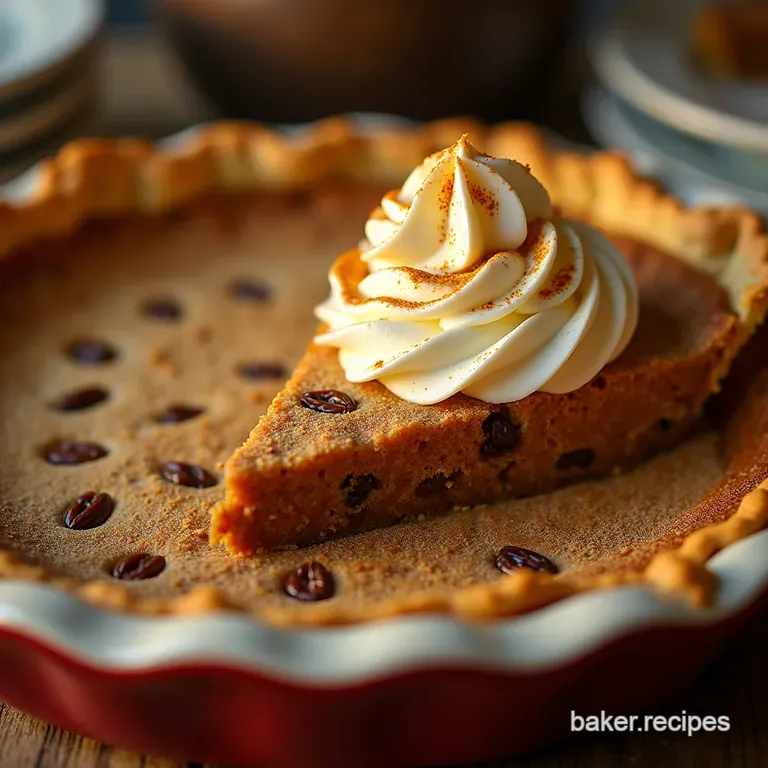
This Raisin Pie is substantial, requiring accompaniments that can balance its rustic richness. While it is fantastic on its own, a slice served slightly warm (after the mandatory cooling period) is exceptional paired with a scoop of high-quality vanilla bean ice cream.
The contrast between the warm, spiced fruit and the melting cold cream is divine. For those who prefer a creamier finish, a generous dollop of unsweetened clotted cream or a sharp, fresh crème fraîche cuts through the sweetness perfectly.
And, of course, never underestimate the pairing of a slice of this Comfort Food Pie with a strong, black cup of coffee or robust English breakfast tea.
Preserving the Pleasure: Handling Leftovers and Future Bakes
Leftovers, should you be lucky enough to have any, store beautifully, maintaining their flavour profile remarkably well. Keep the Raisin Pie loosely covered at room temperature for up to two days, or refrigerate for up to four days.
Allowing the pie to come back to room temperature before serving will bring out the spice aromas most effectively.
Flavor Twists: Unexpected Additions to Your Raisin Mixture
If you’re looking to customize future bakes, consider adding textural variety. Toasted walnuts or pecans provide a delightful crunch against the soft filling. A tablespoon of freshly grated orange zest, swapped for the lemon, introduces a sweeter citrus note.
For a more complex, almost autumnal profile, try swapping a quarter cup of the raisins for dried cranberries or chopped dried apricots.
Troubleshooting Common Baking Hurdles in Your Raisin Pie
The most frequent issue in this style of pie is weeping or running filling. This almost always points back to insufficient cooling time. If your pie appears set but still seems soft in the centre after 3 hours, wait another hour.
If the top crust browns too rapidly before the filling is hot, loosely tent the pie with aluminum foil, draping it over the edges to shield the pastry while allowing the interior to finish cooking.
Storage Secrets: Keeping That Homestyle Taste Fresh for Days
To maximize freshness, never store this pie in an airtight container immediately after baking; this traps moisture and softens the crust. Wait until it’s fully cooled, then cover it loosely with foil or place it under a large inverted bowl on your counter.
When reheating a refrigerated slice, a quick 10-minute blast in a medium oven ( 350° F/ 175° C) revives the pastry better than the microwave ever could.

Recipe FAQs
My Raisin Pie filling seems a bit runny; what did I do wrong?
This usually happens if you cut the pie before it's had a proper rest patience is a virtue here! The cornstarch needs a good 3 to 4 hours at room temperature to fully set up after baking.
If it still seems liquidy after cooling, next time, try increasing the cornstarch by half a tablespoon to give it a bit more backbone.
Can I make this Raisin Pie ahead of time, and how should I store leftovers?
Absolutely, it keeps brilliantly! Once completely cooled, cover the pie tightly with foil or plastic wrap and store it at room temperature for up to two days, or in the fridge for four days.
It tastes fantastic cold, but if you prefer it warm, reheat individual slices gently in the oven rather than the microwave to keep the crust crisp.
What’s the secret to a really flaky crust for this pie?
The trick is keeping everything ice cold butter, water, and even your hands if possible! When you cut the butter into the flour, you want distinct, pea-sized chunks; these melt in the oven, creating steam pockets that give you that lovely, layered flakiness we all crave.
Don’t overwork the dough, or you’ll activate the gluten and end up with something tougher than old boots.
I’m not a fan of just raisins; can I add other dried fruit to this Raisin Pie?
Go right ahead; this recipe is very forgiving! A classic variation is to substitute about a third of the raisins with chopped dried apricots or even currants for a slightly tarter flavour profile.
Just ensure that any added fruit is plumped in hot water first, just like the raisins, to prevent it from stealing moisture from your custard filling during baking.
My pie edges brown too quickly during baking; what's the solution?
That’s a common niggle, especially with rich, buttery crusts! The best bit of advice here is to make a simple foil shield cut strips of aluminium foil and loosely wrap them around the perimeter of the pie about halfway through the baking time.
This protects the delicate edges while allowing the rest of the pie to finish cooking to a perfect golden brown.
Classic Raisin Pie Recipe
Instructions:
Nutrition Facts:
| Calories | 475kcal |
|---|---|
| Fat | 22g |
| Fiber | 4g |
