Green Goddess Dressing: Creamy and Herbaceous
- Time: Active 15 minutes, Passive 0 minutes, Total 15 minutes
- Flavor/Texture Hook: Zesty, velvety, and herbaceous
- Perfect for: Spring brunches or meal prep
- Mastering Your First Batch of Green Goddess Dressing
- The Fresh Herb Secret That Changes Everything
- Why the Dairy and Herbs Stay Creamy
- Analyzing the Essential Components for This Recipe
- Essential Shopping List for High Impact Sauces
- The Essential Equipment for a Smooth Result
- Crucial Steps for Building a Vibrant Dressing
- Smart Tips for Avoiding Common Kitchen Failures
- Adjusting the Recipe for Smaller or Larger Groups
- Swapping Ingredients for Vegan or Paleo Diets
- Keeping the Herbaceous Sauce Fresh and Green
- Creative Ways to Style Your Final Plate
- Debunking Myths About Making Homemade Herb Sauces
- Recipe FAQs
- 📝 Recipe Card
Mastering Your First Batch of Green Goddess Dressing
Imagine walking into a garden party where the sun is just starting to dip, and the table is piled high with crisp radishes, snap peas, and thick wedges of heirloom tomatoes. There is always that one bowl in the center that everyone keeps dipping into, right?
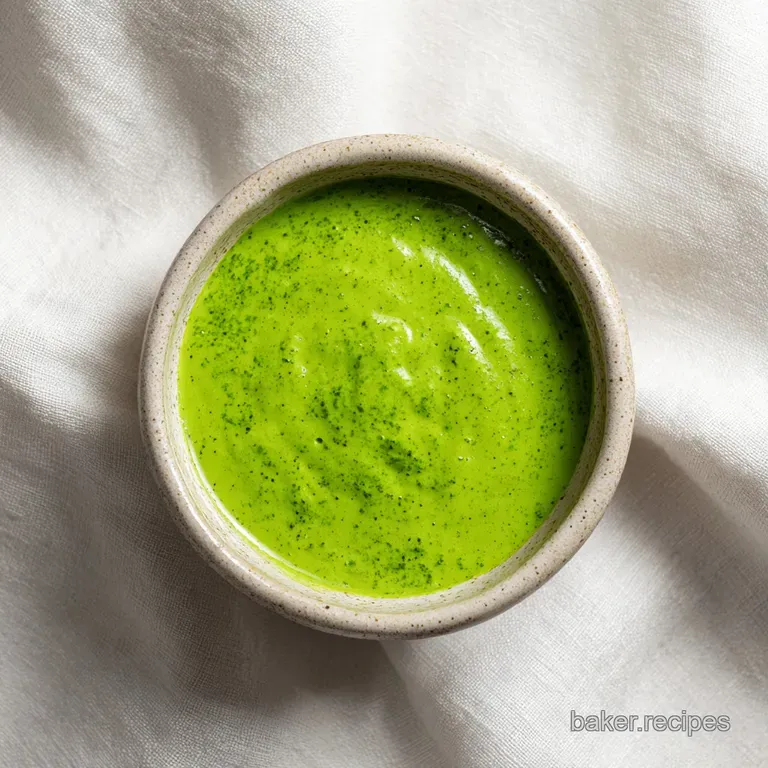
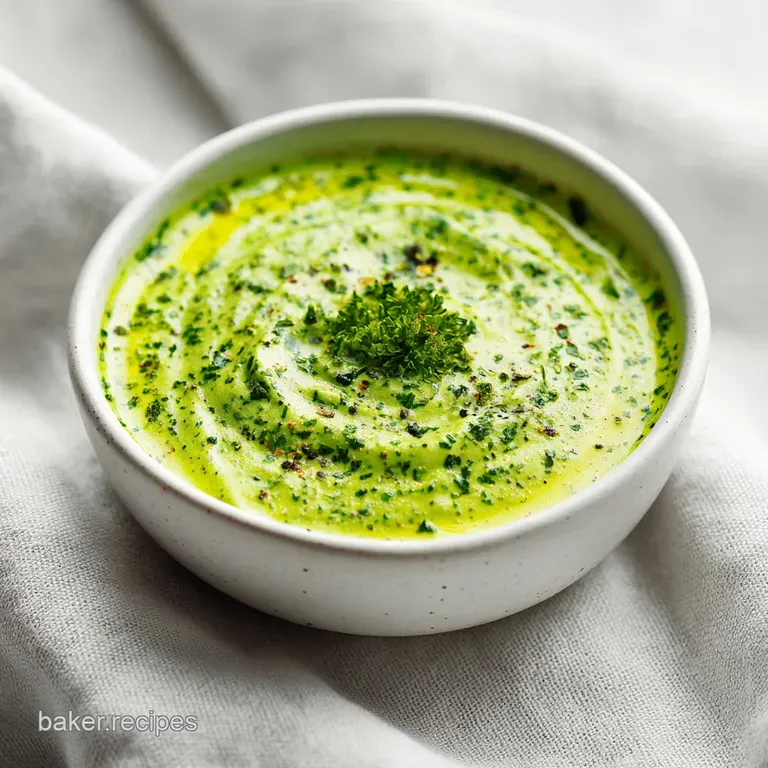
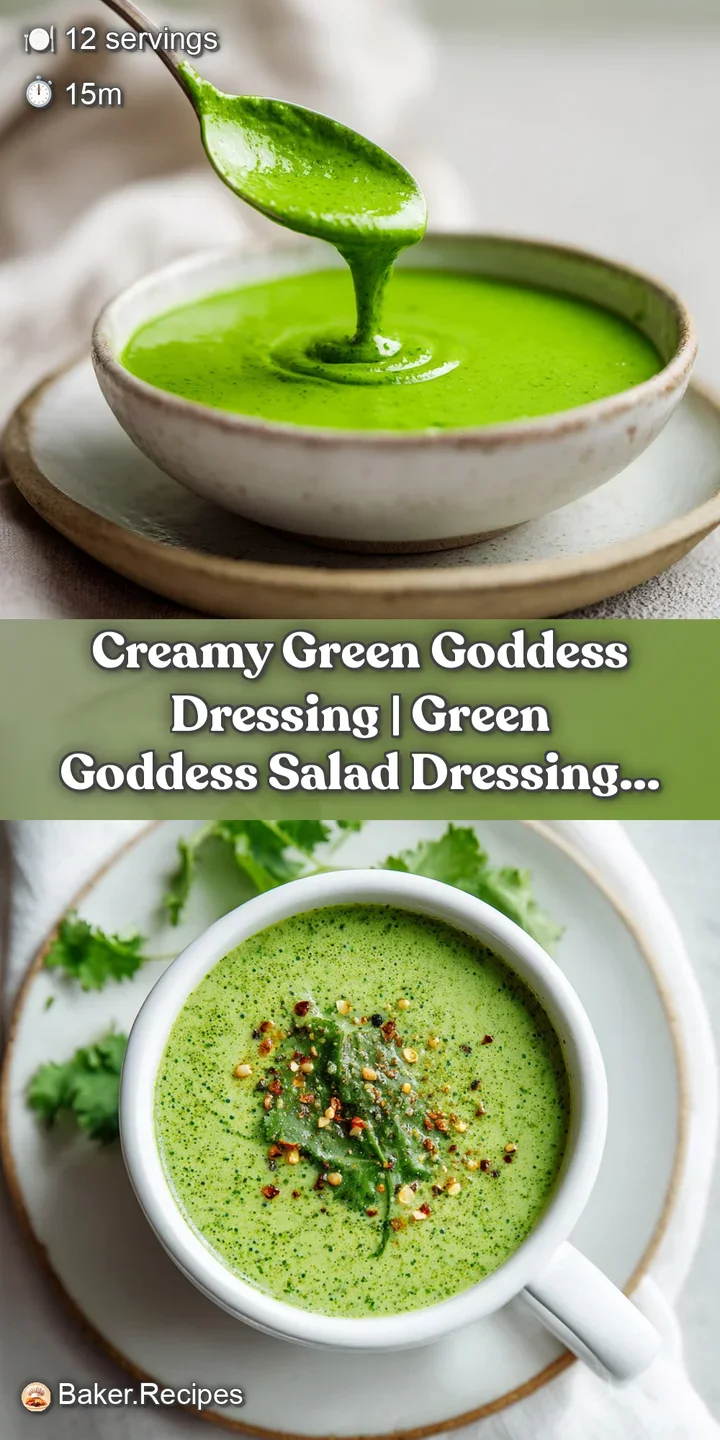
It is that shockingly neon green sauce that looks too bright to be real, but smells like a Mediterranean meadow. That is the magic we are making today.
I remember the first time I tried a real, from scratch version of this. I was used to the bottled stuff that tastes like watered down ranch with a hint of dried parsley. Then, a friend whipped this up using a handful of fresh tarragon and a ripe avocado. It was a revelation.
It was thick enough to hold onto a carrot stick but light enough to drizzle over a delicate butter lettuce salad. We ended up ignoring the actual meal and just dipping crusty bread into the blender jar.
This recipe is not just a salad topper, it is a versatile tool for your kitchen. We are talking about a sauce that works as a marinade, a dip, or even a spread for a high end turkey sandwich. It is all about the balance of those soft herbs against the sharp bite of lemon and the deep, hidden umami of anchovies.
If you have been looking for a way to make your vegetables the star of the show, you have found it.
The Fresh Herb Secret That Changes Everything
There is a specific reason why some dressings look like mud while others look like liquid emeralds. The secret is the temperature of your herbs and the speed of your blades. When you blend greens, the friction of the blender creates heat.
If your herbs are room temperature, that heat can slightly "cook" the delicate chlorophyll, turning your vibrant sauce into a dull, brownish mess.
By washing your herbs in ice cold water and keeping your dairy cold until the very last second, you create a thermal buffer. This preserves the bright pigment. Also, adding a touch of acid like lemon juice early in the process helps stabilize the color.
It is a small detail, but it is what separates a professional looking sauce from a home cook mistake.
Why the Dairy and Herbs Stay Creamy
- Fat Stabilization: The monounsaturated fats in the avocado act as a natural emulsifier, binding the watery lemon juice to the heavy oils in the mayonnaise.
- Chlorophyll Suspension: High speed blending breaks herb cells into microscopic particles, suspending them evenly in the fat for a consistent green hue.
- Acid Balance: Champagne vinegar provides a soft, fruity acidity that cuts through the sour cream without curdling the dairy proteins.
- Umami Depth: Anchovy fillets contain glutamates that enhance the savory notes of the garlic, making the herbs taste "greener" and more intense.
| Cook Method | Prep Time | Resulting Texture | Best For |
|---|---|---|---|
| Raw Blender | 15 minutes | Silky, airy, and vibrant neon green | Salads, dips, and fresh drizzles |
| Stovetop Infused | 25 minutes | Dense, muted green, savory and warm | Warm grain bowls or roasted fish |
| Mortar & Pestle | 20 minutes | Rustic, chunky, and highly aromatic | Thick spreads or steak toppings |
Choosing the blender method is almost always the winner because it incorporates air, making the dressing feel lighter on the tongue despite the high fat content from the avocado and mayonnaise.
Analyzing the Essential Components for This Recipe
| Ingredient | Science Role | Pro Secret |
|---|---|---|
| Ripe Avocado | Thickener and Emulsifier | Use a very soft one to ensure zero lumps in the final texture. |
| Fresh Tarragon | Primary Aromatic | Don't skip this; the anise notes define the "Goddess" profile. |
| Anchovy Fillets | Umami Foundation | They dissolve completely, so even fish haters won't know they are there. |
| Champagne Vinegar | Acidic Brightener | It is milder than white vinegar, preserving the delicate floral herb notes. |
The interaction between the vinegar and the herbs is fascinating. While vinegar usually wilts greens, the thick coating of fat from the mayonnaise and sour cream protects the herb particles, allowing the dressing to stay punchy for days.
Essential Shopping List for High Impact Sauces
To get that restaurant quality finish, you need to be picky about your greens. Look for herbs that aren't wilting or turning yellow at the edges.
- high-quality Mayonnaise (1/2 cup): This provides the stable base. Why this? It contains egg yolks which are the ultimate emulsification champions.
- Full fat Sour Cream (1/2 cup): Adds a necessary tang. Why this? low-fat versions are too watery and won't hold the avocado's weight.
- Ripe Avocado (1/2 large): For creaminess and color. Why this? It adds a buttery mouthfeel that dairy alone cannot achieve.
- Fresh Italian Parsley (1 cup): The volume builder. Why this? Flat leaf has more essential oils and flavor than curly varieties.
- Fresh Tarragon (1/4 cup): The signature scent.
- Fresh Chives (1/4 cup): Provides a mild, grassy onion bite.
- Fresh Basil (2 tbsp): Adds a hint of sweetness.
- Lemon Juice (2 tbsp): For sharp, citrusy brightness.
- Champagne Vinegar (1 tbsp): A sophisticated, light acid.
- Garlic Clove (1 unit): Just one, smashed to release oils.
- Anchovy Fillets (2 units): For that secret salty backbone.
- Kosher Salt (1/2 tsp): To make all the flavors pop.
- Cracked Black Pepper (1/4 tsp): For a tiny bit of floral heat.
| Original Ingredient | Substitute | Why It Works |
|---|---|---|
| Champagne Vinegar | White Wine Vinegar | Similar acidity level, though slightly less fruity and floral. |
| Sour Cream | Greek Yogurt | Same tang. Note: Result will be thicker and slightly more acidic. |
| Tarragon | Fennel Fronds | Provides that necessary anise flavor if tarragon is out of season. |
If you find yourself out of tarragon, don't panic. While it is the traditional soul of the dish, using a mix of dill and fennel fronds can get you into a similar flavor ballpark. Just don't tell the purists!
The Essential Equipment for a Smooth Result
You don't need a professional kitchen, but a high speed blender is your best friend here. A food processor works too, but you might find tiny flecks of herbs rather than a perfectly smooth green liquid.
If you are using a food processor, you will need to run it for about 60 seconds longer than a blender to get that velvety finish.
Chef's Note: If you only have a bowl and a whisk, you'll need to mince the herbs until they are almost a paste before stirring them in. It won't be as green, but it'll still taste incredible.
Also, grab a good salad spinner. Wet herbs are the enemy of a thick dressing. If you add even a tablespoon of extra water from the washing process, your dressing will break and become runny. I usually wash my herbs, spin them, and then let them sit on a paper towel for five minutes just to be sure.
Crucial Steps for Building a Vibrant Dressing
- Dry the greens. Wash the parsley, tarragon, chives, and basil in ice cold water then spin them until they feel bone dry to the touch. Note: Water on the leaves prevents the oils from emulsifying.
- Prep the aromatics. Smash and peel the garlic clove and set aside the anchovy fillets.
- Combine the base. Place the mayonnaise, sour cream, avocado, lemon juice, champagne vinegar, garlic, and anchovies into the blender.
- Pulverize the solids. Pulse the mixture three to four times until the garlic and anchovies are invisible.
- Add the herbs. Pile the parsley, tarragon, chives, and basil on top of the dairy base.
- Blend on medium. Process the mixture until the color turns a consistent neon green.
- Check the texture. If it is too thick, add a teaspoon of water; if too thin, add the other half of the avocado.
- Season the sauce. Add the kosher salt and cracked black pepper.
- Final pulse. Give it one quick second of blending until the pepper is just distributed.
- Chill and set. Transfer to a glass jar and refrigerate for at least 30 minutes. Note: This allows the garlic and tarragon flavors to marry.
Much like an Authentic Roman Carbonara, the success of this dressing relies on the emulsion. If you find the blender getting too warm, stop and let it sit in the fridge for five minutes before finishing.
Smart Tips for Avoiding Common Kitchen Failures
Why Your Dressing Tastes Bitter
Sometimes, blending herbs at high speeds for too long can bruise them, releasing bitter compounds. This is especially true with parsley stems. If your dressing has a sharp, unpleasant aftertaste, you likely over processed the greens or included too many thick stems.
| Problem | Root Cause | Solution |
|---|---|---|
| Dressing is watery | Herbs were wet when added | Spin herbs twice and pat with paper towels. |
| Color is dull olive | Blender got too hot | Use chilled ingredients and pulse instead of continuous blending. |
| Tastes "fishy" | Anchovies didn't dissolve | Blend the base ingredients thoroughly before adding the herbs. |
Common Mistakes Checklist
- ✓ Never use dried herbs; the flavor will be dusty and the texture gritty.
- ✓ Avoid light or fat free mayonnaise as they lack the structure to hold the avocado.
- ✓ Don't skip the anchovies; they provide depth that salt alone cannot mimic.
- ✓ Use a glass container for storage to prevent plastic odors from seeping in.
- ✓ Ensure the avocado is perfectly ripe; an underripe one adds a "cardboard" flavor.
Adjusting the Recipe for Smaller or Larger Groups
If you are hosting a big summer bash, this recipe scales beautifully. For a double batch, you don't actually need to double the garlic. One large clove is usually enough for up to two cups of dressing, otherwise, it becomes overwhelming.
When doubling the liquid ingredients, keep your blender's capacity in mind; don't fill it more than halfway or you won't get enough air circulation for a light texture.
For a half batch, it can be tricky for the blender blades to catch the ingredients. In this case, use a small immersion blender and a tall, narrow jar. This ensures the blades stay submerged, creating a tight emulsion even with smaller quantities.
If you are scaling down, you can use a whole small avocado rather than trying to measure exactly half of a large one.
Swapping Ingredients for Vegan or Paleo Diets
If you are looking for a vegan version, the swap is actually quite simple. Replace the mayonnaise with a high-quality vegan mayo (usually oil and starch based) and use a thick coconut cream or vegan cashew based sour cream.
For the anchovies, a teaspoon of capers or a little bit of white miso paste provides that fermented, salty kick without the fish.
For a Paleo friendly version, ensure your mayonnaise is made with avocado oil or olive oil and swap the sour cream for additional avocado and a splash of full fat coconut milk. The flavor will be slightly nuttier, but the herb profile will still shine through. Much like a hearty Grandmas Hungarian Goulash, this dressing is all about that rich, satisfying mouthfeel that comes from quality fats.
Keeping the Herbaceous Sauce Fresh and Green
Because of the avocado and fresh herbs, this dressing is best enjoyed within 3 to 4 days. Store it in the back of the fridge where it is coldest. To prevent the top from oxidizing (turning brown), you can press a piece of plastic wrap directly onto the surface of the dressing before sealing the jar lid.
Zero Waste Tips
- Herb Stems: Don't throw away the parsley and basil stems. Toss them into a freezer bag for your next batch of vegetable stock.
- Leftover Dressing: If you have a few tablespoons left that won't cover a whole salad, use it as a marinade for chicken thighs or swirl it into a bowl of hot pasta.
- Avocado Pit: Some people swear that leaving the pit in the jar prevents browning. While the science is shaky, it doesn't hurt!
Creative Ways to Style Your Final Plate
If you want that "wow" factor, don't just pour the dressing into a bowl. Use a squeeze bottle to create elegant dots or a bold "swoosh" across a white plate before laying your vegetables on top. This keeps the vegetables crisp and allows your guests to control how much sauce they get in each bite.
1. The Garden Platter
Arrange blanched asparagus, radishes, and boiled fingerling potatoes on a large wooden board. Place the dressing in a hollowed out bell pepper in the center for a rustic, edible bowl.
2. The Mason Jar Layer
For meal prep, put 2 tablespoons of dressing at the bottom of a wide mouth jar. Layer in hearty veggies like chickpeas, cucumbers, and then your greens on top. When you are ready to eat, just shake it up.
3. The Steak Topper
This dressing isn't just for plants. A cold dollop of Green Goddess on a hot, seared steak provides a beautiful temperature contrast and cuts through the richness of the meat.
Debunking Myths About Making Homemade Herb Sauces
Myth: You must use a mortar and pestle for "authentic" flavor. While a mortar and pestle is great for pesto, a high speed blender is actually superior for this specific dressing. The goal here is a completely smooth, aerated emulsion.
A mortar and pestle will give you a chunky, oily sauce that doesn't have the "cloud like" texture that makes this recipe famous.
Myth: Adding the avocado pit to the dressing prevents browning. The pit only protects the area it is physically touching by blocking oxygen. It doesn't have a magical chemical property that protects the whole jar.
The real heroes in preventing browning are the lemon juice, the vinegar, and a tight seal that minimizes air exposure.
Myth: You should always use extra virgin olive oil. Actually, for this dressing, the fat comes from the mayonnaise and avocado. Adding extra virgin olive oil can sometimes make the dressing too heavy or even slightly bitter if the oil is high in polyphenols and gets "sheared" by the blender blades.
Stick to the creamy base and let the avocado provide the "oil" sensation.
Recipe FAQs
What is Green Goddess dressing made of?
It is a blend of creamy fats and fresh herbs. The base consists of mayonnaise, sour cream, and ripe avocado, while the vibrant flavor profile comes from fresh parsley, tarragon, chives, basil, lemon juice, champagne vinegar, garlic, and anchovies.
Is it true that Green Goddess is just a fancy name for ranch dressing?
No, this is a common misconception. While both are creamy, ranch relies on buttermilk and specific dried seasoning blends, whereas Green Goddess is defined by a heavy load of fresh green herbs and the distinct umami depth provided by anchovies.
What is in Panera bread Green Goddess dressing?
Commercial versions vary, but this recipe creates the authentic profile. It focuses on high-quality mayonnaise, sour cream, and fresh aromatics like tarragon and chives to achieve that signature herbaceous finish without using processed additives.
Is Green Goddess the most unhealthy salad dressing?
No, the nutritional profile depends entirely on portion and ingredients. Because this recipe uses real avocado and fresh herbs, it provides more nutrient density than many store-bought options that rely solely on soybean oil and stabilizers.
How to ensure the dressing stays thick and creamy?
Wash your herbs in ice-cold water and spin them completely dry before blending. Excess moisture from damp herbs will thin out the dressing and weaken the emulsion, so ensure your greens are bone dry before they hit the processor. If you enjoyed nailing this stable emulsion, use the same whisking method in our classic deviled eggs to achieve perfectly smooth textures.
How to avoid a gritty texture in the dressing?
Process the garlic and anchovies into the dairy base before adding the herbs. This ensures the solids are pulverized completely, preventing bits of garlic or fish from ruining the smooth, velvety consistency of the final dip.
How to store leftover dressing?
Transfer the mixture immediately to an airtight glass jar. Glass is essential because it prevents the dressing from absorbing plastic odors or off-flavors, helping it maintain its fresh, bright color and taste for as long as possible.
Creamy Green Goddess Dressing
Ingredients:
Instructions:
Nutrition Facts:
| Calories | 101 kcal |
|---|---|
| Protein | 0.8 g |
| Fat | 10.3 g |
| Carbs | 1.7 g |
| Fiber | 0.7 g |
| Sugar | 0.5 g |
| Sodium | 190 mg |
