Creamy Salmon Salad: Zesty and Crunchy
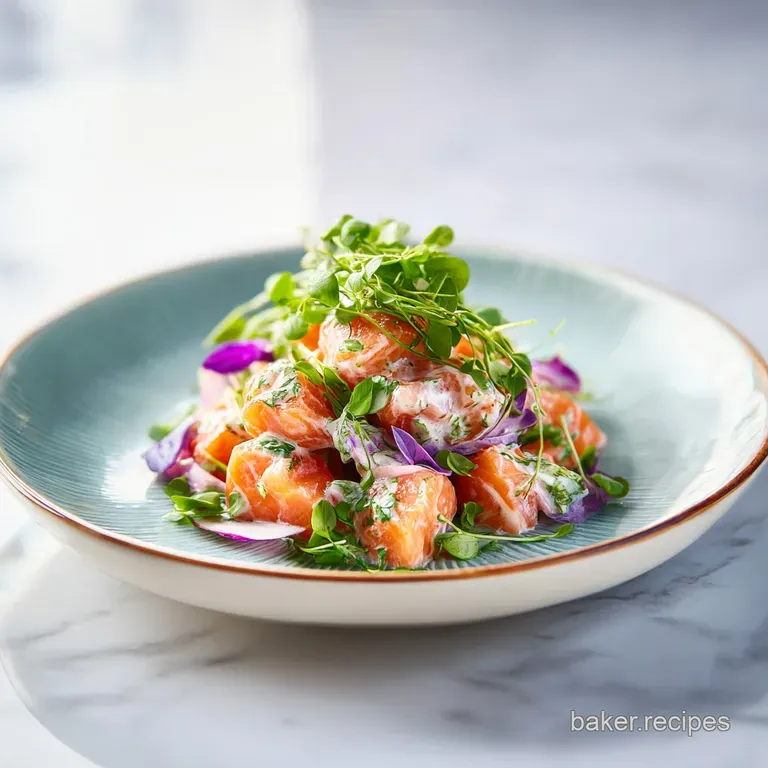
- Time: Active 10 minutes, Passive 0 minutes, Total 10 minutes
- Flavor/Texture Hook: Zesty, crunchy, and meaty
- Perfect for: High protein meal prep or a quick no cook lunch
- Master the Refreshing Texture of Salmon Salad
- Solving the Mushy Texture Problem
- Component Analysis for Salmon Salad
- Smart Shopping and Cheap Swaps
- Minimal Tools for Maximum Flavor
- Simple Steps for Better Results
- Outshining the Local Deli Version
- Fixing Common Mixing Mistakes
- Personalize Your Healthy Bowl
- Kitchen Myths Debunked
- Preservation Secrets and Zero Waste
- Perfect Sides for Your Meal
- Recipe FAQs
- 📝 Recipe Card
Master the Refreshing Texture of Salmon Salad
We've all been there. You open a can of salmon, mix it with a glob of mayo, and end up with something that looks more like a science project than a meal. It's often watery, weirdly gray, and has that metallic aftertaste that makes you wonder why you didn't just order takeout.
The biggest mistake is treating it like a mash rather than a salad, which results in a paste that loses all its dignity the second it hits a piece of bread. It's a common struggle that leads many to believe canned fish is just a sad compromise.
I used to think the soggy mess was just the price you paid for a cheap, convenient lunch. But after one too many sad sandwiches, I realized the secret isn't more mayo. It's actually less.
By introducing Greek yogurt and a specific "triple acid" approach, we can fix the heavy, greasy mouthfeel and bring back the actual taste of the fish. This recipe is the targeted fix for anyone who wants a lunch that feels fresh and crisp rather than heavy and sad.
We're moving away from that cafeteria style gloop and toward something you'd actually want to serve at a weekend brunch.
We're going to use specific techniques, like zesting before juicing and a gentle folding method, to ensure those meaty chunks stay intact. You won't find any mushy, over mixed mush here. Just a bright, crunchy, and incredibly satisfying meal that takes exactly ten minutes to pull together.
We're going to transform a humble pantry staple into a cold salmon salad that tastes like you spent the morning at a high end seafood market.
Solving the Mushy Texture Problem
- Acidic Denaturation: The combination of lemon juice, caper brine, and Dijon mustard cuts through the fatty salmon oils, which prevents that heavy "fishy" coating on your tongue.
- Moisture Suspension: Folding the vegetables into the dressing before adding the fish coats the onion and cucumber in fat, which acts as a barrier so they don't leak water into the salad.
- Texture Preservation: Using a silicone spatula for folding instead of a fork prevents the salmon fibers from breaking down into a paste like consistency.
- Fat Balancing: Swapping part of the mayonnaise for Greek yogurt provides a thick, creamy structure with a lactic tang that brightens the overall flavor profile.
| Method | Time | Texture | Best For |
|---|---|---|---|
| Canned | 0 minutes | Flaky and Meaty | Quick pantry lunches and budget prep |
| Fresh Poached | 15 minutes | Silky and Soft | Elegant dinner leftovers or hosting |
| Smoked | 0 minutes | Firm and Salty | High end brunch platters and bold flavor |
When you choose your method, remember that canned salmon is the king of convenience, but it requires the most care during the mixing stage. If you decide to go with fresh poached fish, ensure it is completely chilled before you even think about adding the mayonnaise.
Mixing warm fish with mayo is a one way ticket to a greasy, broken dressing that won't cling to the ingredients.
Component Analysis for Salmon Salad
To get this right, we need to understand how each piece of the puzzle fits together. The dressing isn't just a binder, it's a flavor vehicle that needs to be stable and vibrant.
| Ingredient | Science Role | Pro Secret |
|---|---|---|
| high-quality Mayo | Primary Emulsifier | Use a brand made with avocado oil for a cleaner finish |
| Persian Cucumber | Structural Crunch | Keep the skin on for extra fiber and a pop of green |
| Fresh Dill | Aromatic Volatiles | Chop it at the very last second to keep the oils fresh |
| Lemon Zest | Essential Oil Delivery | Rub the zest into the mustard first to unlock the citrus scent |
The role of the Greek yogurt is particularly interesting because it introduces a different kind of creaminess than the mayo. While mayo is a pure fat emulsion, yogurt brings protein and moisture, which helps the salad feel lighter.
It also adds a subtle tang that works in tandem with the lemon to keep the palate refreshed.
Smart Shopping and Cheap Swaps
When you're browsing the aisles, look for salmon that specifically says "skinless and boneless." It might cost a few cents more, but the time you save not picking out tiny vertebrae is worth every penny.
If you're on a budget, generic store brands are usually fine, but avoid anything that looks excessively "shredded" in the can. You want big, sturdy flakes for this salmon salad with mayo.
- 12 oz canned salmon (skinless/boneless) Why this? Provides the "meaty" base without the prep work of fresh fish.
- Substitute: Two 6 oz pouches of salmon. This is a bit pricier but has less liquid to drain.
- 1/3 cup high-quality mayonnaiseWhy this? Creates the creamy emulsion that binds everything together.
- Substitute: Avocado oil mayo for a lighter, nuttier flavor profile.
- 2 tbsp plain Greek yogurtWhy this? Adds tang and protein while reducing the heavy fat feel.
- Substitute: Sour cream. It’s slightly less healthy but adds a velvety richness.
- 1 tbsp Dijon mustardWhy this? Acts as a secondary emulsifier and adds a spicy bite.
- Substitute: Yellow mustard. It’s sharper and more vinegar forward, but it works.
- 1/2 cup Persian cucumber, finely dicedWhy this? Adds hydration and a sharp, cooling crunch.
- Substitute: Celery. It's the classic choice and stays crunchy even longer.
- 2 tbsp fresh dill, finely choppedWhy this? Provides the classic "herbaceous" note that defines seafood salads.
- Substitute: Fresh parsley. It’s more neutral but provides that necessary freshness.
- 1 tbsp capers, drained and roughly choppedWhy this? Adds pops of brine and saltiness that cut through the fat.
- Substitute: Finely chopped green olives. They provide a similar salty sour punch.
- 2 tbsp red onion, mincedWhy this? Offers a sharp, pungent bite that balances the rich salmon.
- Substitute: Scallions or chives. These are milder and won't linger as long.
- 1/2 lemon, zested and juicedWhy this? The juice cuts fat, while the zest adds aromatic brightness.
- Substitute: Lime juice. It creates a more tropical, zesty vibe.
Minimal Tools for Maximum Flavor
You don't need a kitchen full of gadgets for this easy salmon salad. In fact, fewer tools usually mean less cleanup and a better result. A simple large glass mixing bowl is your best friend here because it won't react with the acidic lemon juice.
Avoid using plastic bowls if you can, as they can sometimes hold onto old scents that might interfere with the clean smell of the dill.
A sturdy whisk is essential for getting that dressing completely smooth. You want the Dijon and the yogurt to be fully integrated before the chunky ingredients go in. For the actual mixing of the fish, I always reach for a silicone spatula.
Forks tend to "shred" rather than "fold," which is the main cause of the mushy texture we're trying to avoid. Finally, a sharp knife is non negotiable for the cucumber and onion. If your knife is dull, you'll crush the vegetables instead of slicing them, which releases their juices and makes the salad watery.
Simple Steps for Better Results
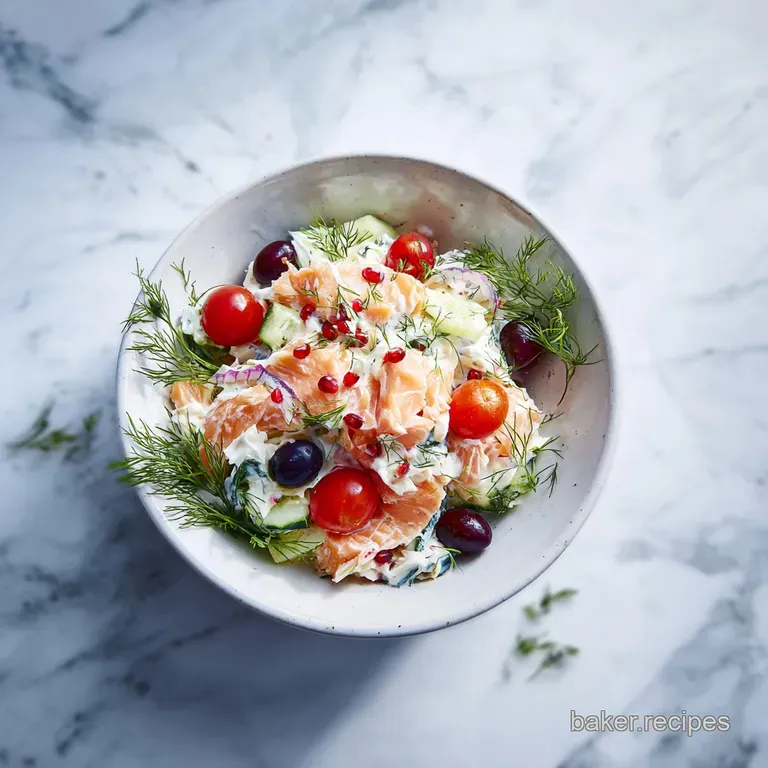
- Drain the 12 oz canned salmon thoroughly in a fine mesh sieve. Note: Pressing down gently removes excess liquid that causes sogginess.
- In a large mixing bowl, combine the 1/3 cup mayonnaise, 2 tbsp Greek yogurt, 1 tbsp Dijon mustard, lemon juice, lemon zest, and a splash of caper brine.
- Whisk the dressing until the mixture is completely smooth and pale yellow.
- Mince the 2 tbsp red onion and finely dice the 1/2 cup Persian cucumber.
- Add the onion, cucumber, 1 tbsp chopped capers, and 2 tbsp fresh dill to the dressing.
- Stir the vegetables until every piece is fully coated in the dressing. Note: This creates a moisture barrier around the vegetables.
- Open the salmon and check for any stray bones, even if the label says boneless.
- Gently fold in the flaked salmon using a silicone spatula.
- Continue folding until the salmon is incorporated but still shows distinct, meaty chunks.
- Taste and add a pinch of salt or pepper if needed, though the capers usually provide enough salt.
Outshining the Local Deli Version
Making a canned salmon salad at home is almost always superior to the version you find sitting in a refrigerated display case for six hours. Deli versions are notorious for being "stretched" with excessive amounts of cheap vegetable oil mayonnaise and sugar.
This is why deli salads often taste heavy and leave a coating in your mouth. By making it yourself, you control the quality of the fats and the ratio of fish to filler.
When you mix this at home, you're also ensuring that the vegetables stay crisp. In a commercial setting, the salt in the dressing eventually draws the water out of the celery or cucumbers, leading to that puddle at the bottom of the container. Since you're serving this fresh, the cucumber keeps its "snap" and the dill keeps its vibrant green color. If you're looking for a warm alternative for a different meal, check out this Mediterranean Stuffed Salmon.
The cost difference is also a major factor. For the price of one small container of deli salad, you can usually buy enough ingredients to make four large servings at home. Plus, you get the satisfaction of knowing exactly what's in your bowl no preservatives or hidden corn syrups required.
It's a win for your wallet and your taste buds.
Fixing Common Mixing Mistakes
Why Your Salmon Salad is Watery
The most common culprit is either poorly drained fish or the vegetables releasing moisture after being cut. If you don't drain that can until it's nearly dry, the liquid will thin out your mayonnaise and ruin the emulsion. Plus,, if you dice your cucumbers too far in advance, they will start to weep.
| Problem | Root Cause | Solution |
|---|---|---|
| Thin/Runny Dressing | Excess liquid in the canned salmon | Use a sieve to press the salmon dry before mixing |
| Soggy Vegetables | Salt drawing out moisture | Mix the veggies into the dressing last to coat them |
| Lack of Flavor | Not enough acid | Add an extra teaspoon of lemon juice or caper brine |
Common Mistakes Checklist
- ✓ Pat the salmon completely dry with a paper towel after draining.
- ✓ Whisk the dressing base until it's a uniform color before adding solids.
- ✓ Dice the cucumber into small, uniform cubes to ensure even distribution.
- ✓ Use fresh dill rather than dried; the flavor difference is massive.
- ✓ Chill the bowl in the fridge for 5 minutes before mixing if it's a hot day.
Why Your Salad Tastes Too Fishy
Sometimes canned salmon can have a very intense "sea" flavor that overwhelms the other ingredients. This usually happens when the fish hasn't been balanced with enough acid. The lemon juice and caper brine aren't just there for flavor; they chemically neutralize the amines that cause that fishy scent.
If it still tastes too strong, try adding a bit more Dijon mustard, which has a sharp heat that can mask the intensity of the salmon.
Personalize Your Healthy Bowl
If you're following a specific diet or just want to change things up, this recipe is incredibly flexible. You can easily turn this into a creamy salmon salad by increasing the Greek yogurt and decreasing the mayo, which boosts the protein while keeping the calories in check.
For those who love a bit of heat, adding a teaspoon of sriracha or some chopped jalapeños can transform the dish into a spicy seafood treat.
| Servings | Salmon Amount | Cucumber Amount | Prep Time |
|---|---|---|---|
| 2 people | 6 oz (1 small can) | 1/4 cup | 7 minutes |
| 4 people | 12 oz (2 cans) | 1/2 cup | 10 minutes |
| 8 people | 24 oz (4 cans) | 1 cup | 15 minutes |
If you want to create a healthy salmon salad bowl, serve this over a bed of massaged kale or arugula. The bitterness of the greens pairs beautifully with the rich, zesty salmon. You can also add some sliced avocado on top for healthy fats that make the meal even more satiating. If you're looking for a warm dinner version, you'll love this baked salmon in foil.
For a smoked salmon salad vibe, you can actually mix in about an ounce of chopped lox with your canned salmon. This adds a deep, smoky undertone and a silky texture that makes the whole dish feel much more expensive than it actually is.
It's a great "cheat" for when you're hosting and want to impress people without spending thirty dollars on fish.
Kitchen Myths Debunked
One of the biggest myths is that you have to use expensive fresh salmon to get a good salad. In reality, the high pressure canning process actually softens the bones (if they are present) and locks in the Omega-3s, making it a nutritional powerhouse that is often more consistent than fresh fish.
You don't need a "fresh" catch for a great lunch; you just need a good dressing.
Another misconception is that salmon salad must be "pink" to be good. Many high-quality wild caught canned salmons are actually a lighter, more tan color depending on the species (like Pink vs. Sockeye).
Don't judge the quality by the vibrancy of the color; judge it by the size of the flakes and the clean smell when you open the can. Finally,, "low-fat" mayo is not your friend here.
It often contains starches and sugars to make up for the lack of fat, which can give your salad a strange, gummy texture that never quite feels right.
Preservation Secrets and Zero Waste
This cold salmon salad is a meal prep champion. It stays fresh in the fridge for up to 3 days when stored in an airtight glass container. However, keep in mind that the longer it sits, the more the flavors will meld, which usually makes it taste even better on day two.
Just give it a quick stir before serving to redistribute any dressing that might have settled.
- Fridge: 3 days in a sealed container. Do not leave it at room temperature for more than 2 hours.
- Freezer: I do not recommend freezing this. The mayonnaise and yogurt will break and become grainy upon thawing.
- Zero Waste Tip: Don't toss the liquid from the canned salmon down the drain if you have a dog! It's full of nutrients and makes a great topper for their kibble. Also, the lemon rinds can be tossed into a jar of white vinegar to create a natural, citrus scented kitchen cleaner.
Perfect Sides for Your Meal
When serving a salmon salad sandwich, the bread choice is everything. A toasted sourdough or a buttery croissant provides the perfect structural contrast to the creamy filling. If you want to keep it lighter, large Bibb lettuce leaves make excellent "boats" that are easy to eat and very low carb.
I also love serving this with a side of salt and vinegar chips; the extra hit of acid and the crunch really elevate the whole experience.
If you're serving this as part of a larger lunch spread, consider pairing it with a simple tomato soup or a crisp green salad. The richness of the salmon needs something bright or acidic to balance it out. For another quick meal idea, you can check out this easy salmon salad approach which uses a different cooking method entirely. No matter how you serve it, this recipe is a reliable, budget friendly way to get more high-quality protein into your week without the hassle of a long cooking process.
Recipe FAQs
What to put on salmon salad?
Combine mayonnaise, Greek yogurt, Dijon mustard, lemon juice, and zest. For texture and flavor, fold in minced red onion, diced Persian cucumber, chopped capers, and fresh dill.
What are some common mistakes when making salmon salad?
Failing to pat the salmon dry after draining is a primary error. Excess moisture ruins the dressing texture; always ensure the fish is dry and whisk your dressing base to a uniform color before adding solids.
What is Jennifer Aniston's salad?
It refers to a specific protein packed salad often associated with the actress, but it is distinct from this salmon recipe. If you enjoyed the fresh crunch in this salad, you will appreciate how similar textural techniques improve cold noodle dishes.
Can you eat cold salmon in a salad?
Yes, using chilled, cooked salmon is the standard way to prepare this dish. The salmon should be skinless, boneless, and flaked gently into the dressing to maintain meaty chunks.
How to keep the cucumber from making the salad watery?
Dice the cucumbers into small, uniform cubes and coat them directly in the dressing before adding the salmon. This process helps seal the vegetables and prevents them from releasing excess moisture into the rest of the salad.
Is it true I should use dried dill to keep the salad fresh longer?
No, this is a common misconception. Fresh dill provides a superior, brighter flavor that dried versions cannot replicate, and it is essential for the quality of this specific recipe.
How to achieve the best consistency when mixing?
Use a silicone spatula to fold the flaked salmon into the dressing with a light hand. Handling the ingredients gently prevents the mixture from turning into a paste and keeps the salmon texture distinct.
Creamy Salmon Salad
Ingredients:
Instructions:
Nutrition Facts:
| Calories | 262 kcal |
|---|---|
| Protein | 18.6 g |
| Fat | 19.4 g |
| Carbs | 2.1 g |
| Fiber | 0.5 g |
| Sugar | 0.8 g |
| Sodium | 585 mg |
