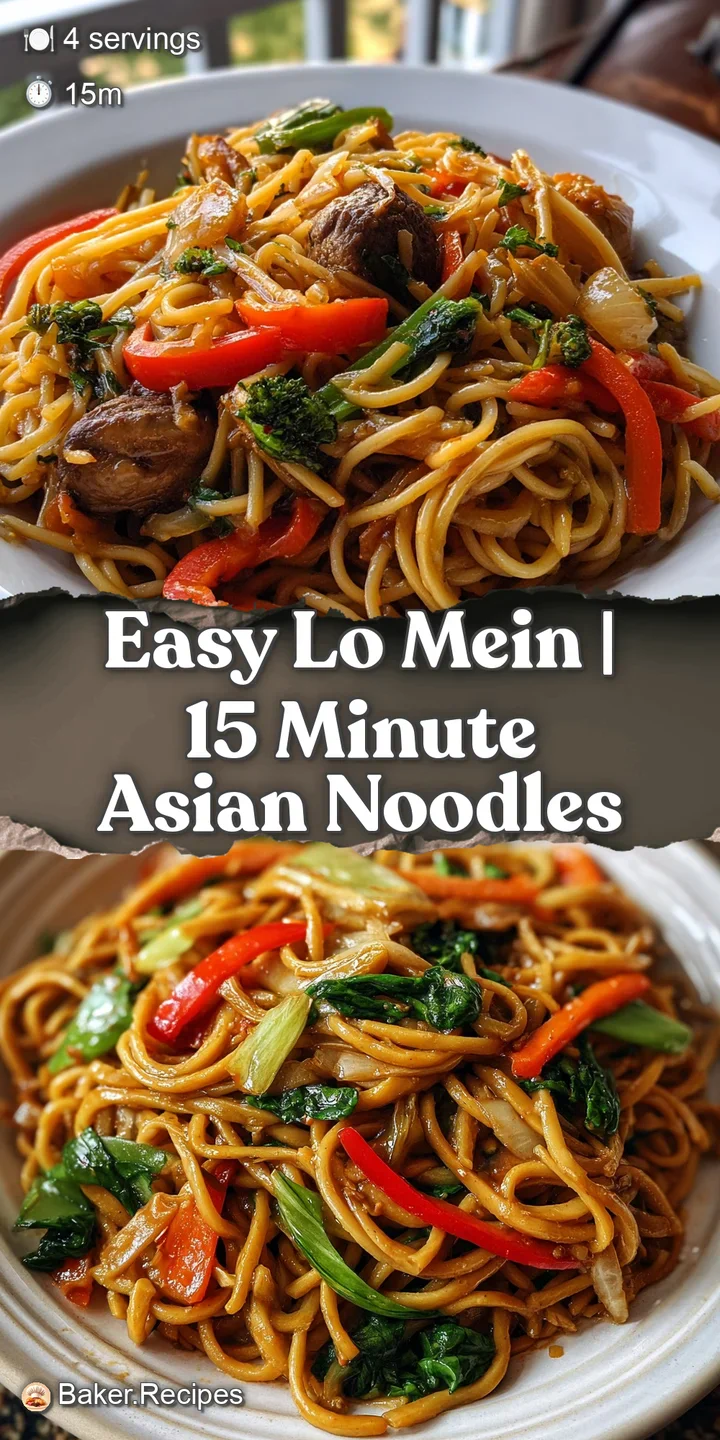
15 Minute Lo Mein

- Time: Active 5 mins, Passive 10 mins, Total 15 mins
- Flavor/Texture Hook: Savory, velvety sauce with snappy vegetables
- Perfect for: Hectic weeknight dinners or a quick desk lunch
- Why You Need This Easy Lo Mein
- Quick Timeline and Yield Data
- The Science of the Glossy Sauce
- Ingredient Deep Dive and Component Roles
- Essential Elements for the Best Result
- Simple Tools for Minimal Cleanup
- Step by Step Flash Sauté Guide
- Solving Common Noodle Texture Issues
- Smart Ways to Scale This Recipe
- Debunking Common Stir Fry Myths
- Guidelines for Keeping Leftovers Fresh
- Best Ways to Serve Your Meal
- Recipe FAQs
- 📝 Recipe Card
Why You Need This Easy Lo Mein
The sound of thinly sliced chicken hitting a scorching pan is one of my favorite kitchen noises. It starts as a sharp, aggressive sizzle that instantly fills the air with the scent of browning protein. When I first started making this at home, I was impatient.
I’d crowd the pan and end up with grey, steamed meat that had zero personality. I finally realized that the secret is letting that avocado oil get shimmering hot before anything touches the surface.
Once you get that sear right, adding the ginger and garlic creates an aroma that’s almost addictive. It’s that deep, earthy pungency that makes you realize you’re about to eat something much better than a frozen meal.
We’ve all had those nights where the thought of cooking feels like a mountain, but this 15 minute lo mein is actually faster than waiting for a delivery driver to find your front door.
I promise you, once you see how the dark soy sauce turns the pale noodles into a rich, mahogany colored masterpiece, you'll never go back to the greasy cardboard boxes. This version is lighter, fresher, and lets you actually taste the snap of the carrots and the sweetness of the peppers.
It is the ultimate "I have nothing in the fridge" meal that tastes like you actually planned your life out.
Quick Timeline and Yield Data
Getting the timing right is the difference between a crisp stir fry and a soggy mess. Because we are working with high heat, you need to have every single ingredient chopped and ready to go before you even think about turning on the stove.
This is a classic "mise en place" situation where the preparation takes the most focus, and the cooking is just a fast paced dance at the burner.
| Thickness of Meat | Internal Temp | Rest Time | Visual Cue |
|---|---|---|---|
| 0.5 cm strips | 74°C | 2 mins | No longer pink, edges are golden |
| 1 cm cubes | 74°C | 3 mins | Firm to the touch with browned crust |
| 2 cm chunks | 74°C | 5 mins | Opaque throughout with juices running clear |
Since this recipe moves so quickly, having a guide for your protein helps prevent overcooking. Thinly sliced chicken breast cooks in a flash, and because we are tossing it back in with the sauce at the end, it will finish beautifully without becoming rubbery or dry.
Trust the high heat; it is your best friend for achieving that restaurant quality finish in a standard home kitchen.
The Science of the Glossy Sauce
The Secret to the Glossy Glaze: Cornstarch acts as a thickening agent that, when heated, undergoes gelatinization, trapping the liquid soy sauce into a velvety coating that clings to the noodles. This prevents the sauce from simply sliding to the bottom of the bowl and ensures every bite is seasoned.
- Emulsification Stability: Toasted sesame oil provides fat that, when whisked with the soy sauce and cornstarch, creates a temporary emulsion that coats the vegetables evenly.
- Amino Acid Interaction: The combination of light and dark soy sauce provides both saltiness and a deep "umami" punch through fermented soy proteins.
- Thermal Conductivity: Using avocado oil allows for a higher smoke point, meaning we can sear the chicken at temperatures that trigger the Maillard reaction without burning the oil.
- Starch Retrogradation: Cooling the noodles quickly after boiling (if not using fresh) prevents them from becoming mushy by stabilizing the starch molecules.
If you enjoy the technique of balancing savory sauces with quick cooking proteins, you might find it similar to the method used in this Restaurant Style Chicken Chow Mein recipe. Understanding how the sauce interacts with the heat is what separates a home cook from a pro.
Ingredient Deep Dive and Component Roles
Every element in this dish serves a specific structural or flavor purpose. We aren't just tossing things in a pan; we are layering textures to keep the palate interested. The cabbage provides a soft crunch, while the carrots add a literal snap that contrasts with the soft, chewy egg noodles.
| Ingredient | Science Role | Pro Secret |
|---|---|---|
| Dark Soy Sauce | Color and viscosity | Adds the signature deep brown hue and a hint of caramel sweetness. |
| Cornstarch | Binding agent | Always whisk it into cold liquid first to avoid "flour lumps" in your sauce. |
| Toasted Sesame Oil | Aromatic fat | Use it at the end of the sauce mix to preserve its delicate, nutty scent. |
| Fresh Ginger | Enzyme breakdown | Contains zingibain which can actually help tenderize the meat slightly during the quick toss. |
While we are focusing on the chicken version today, the beauty of this minute lo mein is its adaptability. You can swap the protein or the greens based on what is currently wilting in your crisper drawer. The core science remains the same: high heat, quick movements, and a stabilized sauce.
Essential Elements for the Best Result
For this 15 minute lo mein recipe, using fresh egg noodles is a huge shortcut. They usually only need a quick rinse or a 1 minute soak in hot water, unlike dried noodles which require a full boil.
If you can't find fresh ones, dried ramen noodles (without the flavor packet!) work in a pinch, though the texture will be slightly less bouncy.
- 45 ml Low sodium soy sauce: Why this? Provides the salty base without making the entire dish inedible.
- Substitute: Tamari (for gluten-free needs).
- 15 ml Dark soy sauce: Why this? Essential for that deep, rich color and thicker consistency.
- Substitute: Double the light soy sauce plus a pinch of brown sugar.
- 10 ml Toasted sesame oil: Why this? Adds a massive hit of nutty aroma that defines the dish.
- Substitute: Peanut oil for a milder, nutty vibe.
- 15 ml Mirin or honey: Why this? Balances the salt with a necessary touch of sweetness.
- Substitute: Brown sugar or maple syrup.
- 5 g Cornstarch: Why this? Thickens the sauce so it sticks to the noodles perfectly.
- Substitute: Arrowroot powder.
- 2 g White pepper: Why this? Provides a subtle, earthy heat that is traditional in Chinese cooking.
- Substitute: Black pepper (though it is more floral).
- 225 g Fresh egg noodles: Why this? The ideal texture for soaking up the sauce while staying chewy.
- Substitute: Dried lo mein or spaghetti in an emergency.
- 200 g Chicken breast: Why this? Lean protein that cooks incredibly fast when sliced thin.
- Substitute: Firm tofu or shrimp.
- 15 ml Avocado oil: Why this? High smoke point allows for the necessary over high heat sear.
- Substitute: Grapeseed or canola oil.
- Vegetable Mix (Cabbage, Carrots, Peppers): Why this? Provides bulk, nutrition, and varied textures.
- Substitute: Bok choy, snap peas, or broccoli florets.
Simple Tools for Minimal Cleanup
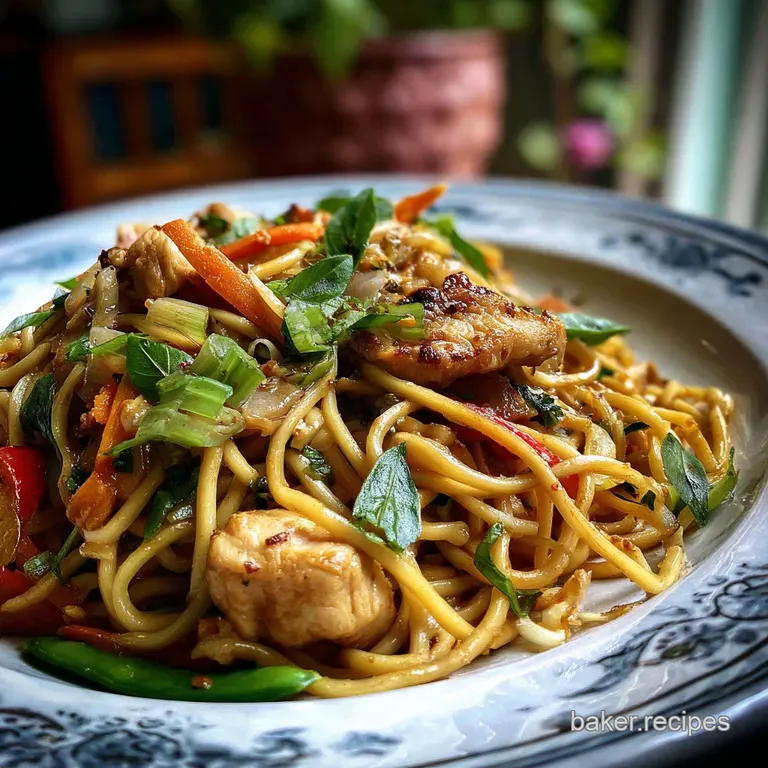
You don't need a professional kitchen to pull this off. In fact, I often make this in a large stainless steel skillet when my wok is buried in the back of the cupboard. The key is surface area. You want the ingredients to touch the hot metal, not sit on top of each other.
- Large Wok or 30 cm Skillet: A wide pan allows moisture to evaporate quickly, preventing the "steaming" effect.
- Small Glass Jar: Perfect for shaking the sauce ingredients together to ensure the cornstarch is fully dissolved.
- Sharp Chef's Knife: Essential for getting those paper thin slices of chicken and julienned carrots.
- Tongs: Much better than a spatula for tossing noodles and ensuring they get evenly coated in the sauce.
Chef's Tip: If you find your noodles sticking to the pan, don't add more oil. Add a splash of water or extra sauce. The steam will help release the starches from the metal surface without making the dish greasy.
step-by-step Flash Sauté Guide
- Whisk the sauce. Combine the 45 ml low sodium soy sauce, 15 ml dark soy sauce, 10 ml sesame oil, 15 ml mirin, 5 g cornstarch, and 2 g white pepper in a jar. Note: Shake vigorously to ensure the cornstarch doesn't settle at the bottom.
- Prepare the noodles. If using fresh egg noodles, rinse them under warm water to loosen the strands. Wait until they are slippery and separated before setting them aside.
- Heat the pan. Place your skillet over high heat and add 15 ml avocado oil. Heat until the oil is shimmering and just starting to wisps of smoke.
- Sear the chicken. Add the 200 g thinly sliced chicken in a single layer. Cook 2 minutes without moving to get a golden crust, then flip and cook for another minute.
- Add aromatics. Toss in the minced garlic and grated ginger. Stir fry for 30 seconds until fragrant but not browned.
- Sauté the vegetables. Add the 150 g cabbage, julienned carrot, and sliced red pepper. Cook 2 minutes until the cabbage begins to wilt but the carrots still have a bite.
- Combine. Add the noodles to the pan with the chicken and vegetables. Toss using tongs for 1 minute to distribute the heat.
- Glaze everything. Give the sauce jar one last shake and pour it over the noodles. Cook for 1-2 minutes until the sauce thickens and looks glossy.
- Final touch. Toss in the green onion batons. Remove from heat immediately to keep the onions bright green and crunchy.
- Rest and serve. Let the dish sit for 60 seconds. This allows the sauce to fully set and the flavors to meld before you plate it up.
Solving Common Noodle Texture Issues
The most common mistake people make with an easy 15 minute lo mein is overcooking the vegetables. You want them "tender crisp," which means they are cooked through but still have a structural integrity that resists the tooth.
If your dish looks like a uniform pile of brown mush, you likely spent too long in the sauté phase.
Why Your Lo Mein Is Soggy
If the noodles feel limp and heavy, it's usually due to excess moisture. This can happen if you wash the vegetables right before throwing them in or if your pan wasn't hot enough to evaporate the liquid from the cabbage.
| Problem | Root Cause | Solution |
|---|---|---|
| Watery sauce | Cornstarch didn't activate | Ensure the pan hits a simmer once the sauce is added. |
| Clumpy noodles | Starch buildup | Rinse noodles in cold water and toss with a drop of oil before stir frying. |
| Burnt garlic | Heat too high for aromatics | Add garlic and ginger after the meat is seared, not before. |
Common Mistakes Checklist:
- ✓ Pat the chicken dry with a paper towel before slicing (helps with browning).
- ✓ Don't double the sauce without doubling the cornstarch (it will stay thin).
- ✓ Keep the vegetables roughly the same size for even cooking.
- ✓ Never cover the pan with a lid; this traps steam and ruins the texture.
- ✓ Use a neutral oil with a high smoke point, not olive oil.
Smart Ways to Scale This Recipe
When you are doubling this 15 minute lo mein recipe for a crowd, the biggest challenge is maintaining pan temperature. If you put 400 g of cold chicken into a skillet, the temperature will drop instantly, and you'll end up boiling the meat in its own juices.
- Scaling Up (2x): Cook the chicken and vegetables in two separate batches. Combine everything at the very end when you add the noodles and sauce. This keeps the "sear" quality high.
- Scaling Down (0.5x): You can use the same pan, but reduce the cook time for the vegetables by about 30 seconds since they will heat up much faster in a less crowded space.
- The 1.5x Rule: When increasing spices like white pepper or ginger, only increase by 1.5x even if you are doubling the volume, as these flavors can become overpowering very quickly.
If you find yourself needing a larger volume but want a different flavor profile, check out this Better Than Takeout recipe which offers some great tips on handling larger noodle portions without them breaking.
Debunking Common Stir Fry Myths
One of the biggest lies in the kitchen is that you need a "seasoned" carbon steel wok to make a decent lo mein. While a wok is a great tool, a heavy bottomed stainless steel or cast iron skillet can produce incredible results. The "breath of the wok" (wok hei) is about heat management, not just the shape of the bowl.
Another myth is that you must boil the noodles separately for a long time. In reality, most fresh lo mein noodles are already par cooked. Over boiling them before they hit the pan is the fastest way to get a gummy, sticky mess.
A quick rinse to remove excess surface starch is usually all that is required for a quick easy lo mein recipe.
Finally,, don't believe that "low-fat" versions are just as good. You need the oil to conduct the heat to the ingredients. If you try to make this with just a spray of oil, the noodles will stick, and the aromatics won't release their fat soluble flavor compounds. Balance is everything.
Guidelines for Keeping Leftovers Fresh
Lo mein actually makes one of the best next day lunches because the noodles have more time to absorb the savory sauce. However, storing it correctly is key to preventing the chicken from becoming tough or the noodles from drying out.
- Fridge: Store in an airtight container for up to 3 days.
- Freezer: I don't recommend freezing this dish. The cellular structure of the vegetables breaks down when frozen, making them mushy upon thawing, and the noodles tend to lose their "snap."
- Reheating: Avoid the microwave if possible. Instead, toss the leftovers back into a hot skillet with a tablespoon of water. The steam will revive the sauce and the heat will refresh the textures.
Zero Waste Tip: Don't throw away the woody ends of the green onions or the peelings from the carrots. Toss them into a freezer bag. Once you have enough, you can boil them down with some ginger scraps to make a quick, homemade vegetable stock for your next soup night.
Best Ways to Serve Your Meal
While this is a complete meal on its own, I love serving it with a few little extras to make it feel like a feast. A side of smashed cucumber salad with plenty of chili oil provides a cold, spicy contrast to the warm, savory noodles.
If you are cooking for people who like heat, I always put a jar of Lao Gan Ma (chili crisp) on the table. The crunch of the fried chili bits adds a new dimension to the easy lo mein recipe.
You can also sprinkle some toasted sesame seeds over the top right before serving for a bit of visual flair and an extra hit of nuttiness.
If you’re looking for a slightly different take on the noodle theme, you might want to try this Speedy Chicken Chow Mein recipe for your next meal prep session. It’s all about finding that rotation of quick meals that keep you excited to stay in the kitchen!
Recipe FAQs
What's the secret to flavorful lo mein?
High heat and proper sauce emulsification. A screaming hot wok or skillet sears ingredients quickly, locking in flavor, while a cornstarch thickened sauce clings to the noodles, preventing a watery mess.
Mastering the Maillard reaction here is key, much like achieving that perfect crust on seared scallops.
What is the simple sauce for lo mein?
It’s a balance of soy sauce, dark soy sauce, sesame oil, and a touch of sweetener, thickened with cornstarch. This combination provides saltiness, depth, aroma, and a glossy coating that adheres beautifully to the noodles. If you enjoy balancing savory with sweet, you might appreciate the flavor profiling in our How to Make Korean Banana Milk At Home Fast.
How long do lo mein noodles take to cook?
Fresh lo mein noodles usually only need a 1-minute soak in hot water or a quick rinse. Unlike dried pasta, they are often par-cooked, so over boiling them will result in a mushy texture. Always check the package instructions for the specific type you're using.
How to pimp up 2 minute noodles?
Add a sauce and fresh ingredients. Discard the flavor packet and quickly stir fry fresh garlic and ginger in a hot pan with a little oil. Add some quick cooking vegetables like shredded cabbage or snap peas, then toss with a simple sauce made from soy sauce, sesame oil, and a touch of sweetener.
You can even add a protein like scrambled egg or pre-cooked chicken.
Can I use spaghetti for lo mein?
Yes, in a pinch, spaghetti can substitute for lo mein noodles. While the texture won't be as perfectly chewy or bouncy, cooked spaghetti will absorb the sauce reasonably well. You might need to slightly adjust cooking time to achieve an al dente texture that holds up in the stir fry.
What vegetables are best for lo mein?
Cabbage, carrots, and bell peppers offer a great balance of crunch and color. These vegetables hold up well to high heat stir frying without becoming too soft. Bok choy, snap peas, and broccoli florets are also excellent choices for adding texture and nutrition.
Why is my lo mein sauce watery?
The cornstarch likely wasn't activated by sufficient heat or wasn't fully dissolved. Ensure your sauce mixture is well whisked before adding it to the pan, and that the pan is hot enough to bring the sauce to a simmer.
The heat allows the cornstarch to gelatinize and thicken the sauce properly, creating that desirable glossy coating.
Easy 15 Minute Lo Mein
Ingredients:
Instructions:
Nutrition Facts:
| Calories | 248 kcal |
|---|---|
| Protein | 16.4 g |
| Fat | 7.8 g |
| Carbs | 28.5 g |
| Fiber | 3.2 g |
| Sugar | 4.5 g |
| Sodium | 715 mg |
