The Simply Sublime Classic Quiche Lorraine with Flaky Allbutter Crust
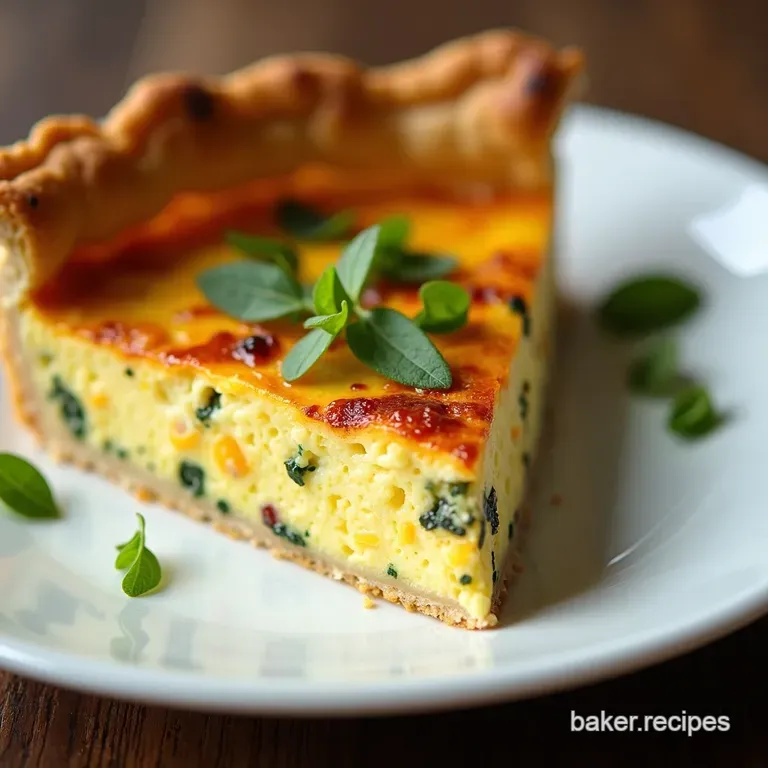
- Why This Quiche Lorraine Recipe Claims Culinary Supremacy
- The Anatomy of Perfection: Flakiness Meets Silky Custard
- Procuring the Pillars: Essential Components for Your Savoury Tart
- Phase One: Forging the Golden Foundation (The Pâte Brisée)
- Phase Two: Building the Creamy Heart of the Quiche
- Baking Dynamics: Achieving Deep Golden Brown Perfection
- Elevating Your Dish: Variations Beyond the Classic Lorraine
- Storage Strategies for Leftover Savoury Goodness
- Recipe FAQs
- 📝 Recipe Card
Why This Quiche Lorraine Recipe Claims Culinary Supremacy
There are endless ways to approach the humble Quiche , but few achieve the sublime textural balance of the authentic Quiche Lorraine. This particular quiche recipe is not just a collection of ingredients; it’s a philosophy built around achieving two key textural triumphs: a flaky quiche crust that shatters beautifully, and a creamy quiche filling that sets perfectly without ever feeling heavy or rubbery.
We are elevating the classic French staple, ensuring that every bite delivers smoky depth from the lardons and nutty richness from the Gruyère, all encased in that signature buttery shell.
Achieving this level of excellence might sound daunting, but by focusing on temperature control and ingredient quality, you will unlock what I firmly believe is the best quiche recipe you’ll ever prepare.
The Anatomy of Perfection: Flakiness Meets Silky Custard
A truly magnificent savory quiche recipes entry relies on the marriage of contrasting elements. The crust must stand up to the moist interior, providing necessary structure and crunch.
Simultaneously, the custard must be supple, rich, and deeply savoury, flavoured delicately with the saltiness of cured pork and the warmth of nutmeg. The success of this balance hinges on mastering both the pastry foundation and the liquid components of the interior blend.
Shattering the Myth: Mastering the Effortless Pastry Base
Many home cooks are intimidated by pastry, fearing the dreaded soggy bottom. Our quiche crust recipe , a classic pâte brisée , combats this by utilising an incredibly cold environment.
When making this dough, the goal is to keep the butter as distinct as possible from the flour. As the pastry heats in the oven, those tiny, separated pieces of cold butter melt, releasing steam that creates separation between the dough layers, resulting in that coveted flakiness.
If you’re truly short on time, consider an alternative approach for an easy quiche recipe —a quiche recipe no crust modification but for the supreme experience, the effort in this pastry pays dividends.
The Essential Role of Quality Bacon in Authentic Flavour
The flavour profile of Quiche Lorraine is anchored by its cured pork. For the best results, we insist on using thick cut, high-quality bacon or traditional French lardons. The key here is the pre-cooking stage: the bacon must be cooked until crisp and thoroughly drained of excess fat before being added to the tart.
Any residual grease will leach into the delicate custard during baking, compromising the texture and muting the intended flavour profile.
Why We Swear by Whole Milk (and Just a Touch of Cream)
The secret to a velvety, non-weeping custard lies in the dairy ratio. While some recipes lean entirely on heavy cream, this can often result in a filling that feels overly dense or even slightly greasy once cooled. Our approach uses a generous portion of whole milk balanced by a smaller measure of heavy cream.
This combination ensures enough fat content for richness (thanks to the cream) while maintaining enough moisture (thanks to the milk) for a lighter, silkier final texture.
Procuring the Pillars: Essential Components for Your Savoury Tart
To execute this recipe flawlessly, attention must be paid to the quality and preparation of every component, from the foundational fats to the final seasonings.
Precise Measurements for the Signature Custard Blend
The ratio of eggs to dairy is critical for proper coagulation. We utilize a blend of three whole eggs plus two extra yolks. The extra yolks contribute essential fat and lecithin, which acts as a natural emulsifier, binding the mixture beautifully and adding an unctuous mouthfeel.
Remember, the mixture must be whisked just enough to combine the yolks and whites; over whisking incorporates too much air, leading to an unstable set.
Sourcing Gruyère: Age and Texture Matters
Gruyère is non-negotiable for true Lorraine flavour. When selecting, look for a variety that is aged but not excessively dry. You need a cheese that melts smoothly and pools slightly, retaining its distinct, earthy sweetness.
Avoid pre-shredded varieties if possible, as they often contain anti caking agents that can slightly inhibit the smooth melt we desire.
The Cold Truth: Preparing Butter for the Ultimate Crust
When making your flaky quiche crust , the butter must be frigid. Cube the unsalted butter and toss it with the flour mixture quickly. If the butter starts to soften becoming slick or oily stop immediately and return the bowl to the refrigerator for ten minutes.
This adherence to cold temperatures is the single most important step in creating a structurally sound and flaky pastry.
Phase One: Forging the Golden Foundation (The Pâte Brisée)
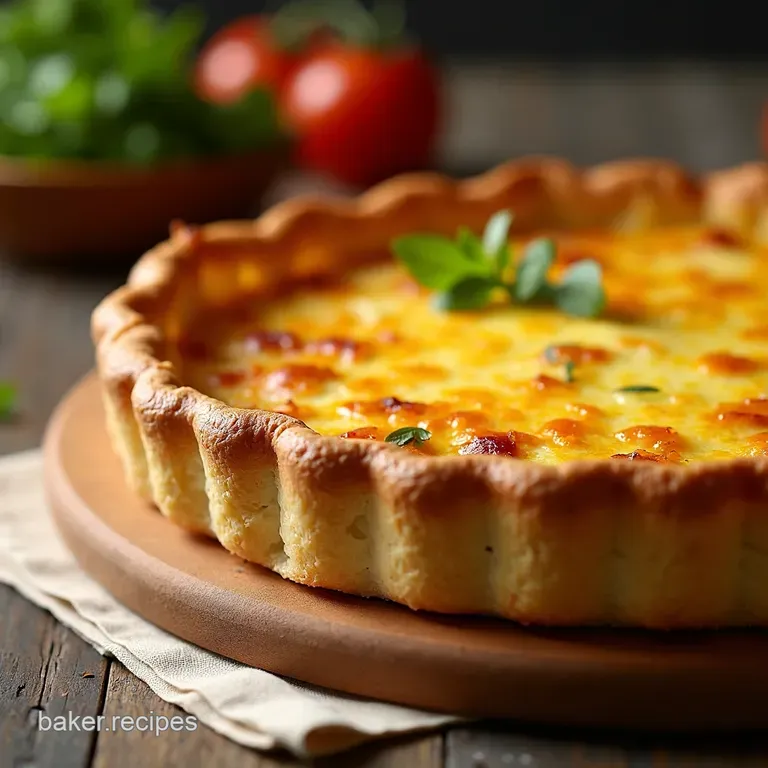
Begin by processing your flour and salt. Next, introduce the ice-cold butter cubes. Pulse the mixture only until the butter pieces are roughly the size of small peas. Now, slowly stream in the ice water, adding just enough until the dough barely comes together when pressed between your fingers.
Over mixing develops gluten, leading to a tough crust, so restraint is key. Form the dough into a flat disc, wrap it tightly, and let it rest in the refrigerator for at least one hour. This chilling period allows the gluten network to relax and the fat to firm up again, both vital steps before rolling.
Related Recipes Worth Trying
- Broccoli Cheddar Quiche Squares Easy Potluck Dishes — Looking for best potluck dishes These Broccoli Cheddar Quiche Squares are easy portable and a total crowdpleaser Like broccoli cheddar soup in quiche form...
- Tangy Goat Cheese Quiche Recipe Spring Veggie Delight — This Goat Cheese Quiche recipe is a Spring delight Creamy goat cheese fresh veggies in a flaky crust Mary Berry would approve Get the easy recipe now
- Easy Cheese Quiche A Weekend Brunch Treat — Need an easy quiche recipe This simple cheese and egg quiche is perfect for brunch or a light supper Cheddar cheese creamy custard utterly scrumptious Check...
Phase Two: Building the Creamy Heart of the Quiche
While the dough chills, turn your attention to the fillings. Render your bacon or lardons slowly in a skillet until they are perfectly crisp. Once cooked, spread them out on a thick layer of paper towels to drain completely this step cannot be rushed.
In a separate bowl, gently whisk together your eggs, extra yolks, whole milk, heavy cream, a generous pinch of nutmeg, salt, and pepper. The nutmeg is crucial; it provides the subtle warmth that distinguishes this quiche recipe as classic.
Baking Dynamics: Achieving Deep Golden Brown Perfection
The baking process is a two-stage affair designed to guarantee a crisp bottom and a perfectly set interior.
Blind Baking Secrets: Preventing the Soggy Bottom Epidemic
To combat moisture migration from the custard, we execute a partial blind bake. After rolling and fitting the chilled dough into your tart pan, prick the base thoroughly with a fork. Line the shell with parchment paper and fill it completely with ceramic pie weights or dried beans.
Bake at a higher temperature ( 400° F/ 200° C) for 15 minutes, then carefully remove the weights and paper and return the shell to the oven for another 5– 7 minutes until the base looks dry and pale golden.
Immediately reduce the oven temperature to 375° F ( 190° C) for the final bake.
The Gentle Art of Folding in the Bacon and Cheese Mixture
Once the crust has been blind baked, distribute the drained bacon and roughly half of your shredded Gruyère evenly across the bottom of the warm shell. This creates a flavour barrier between the crust and the liquid custard. Carefully pour the whisked custard mixture over the bacon and cheese layer.
Finally, sprinkle the remaining Gruyère over the top surface.
Temperature Control: The Key to a Set, Non-Weeping Filling
The final bake should be slow enough to allow the custard to coagulate evenly. Bake for 35 to 45 minutes. The quiche is done when the edges are set and slightly puffed, and the centre has only a minor, gentle wobble when the pan is lightly nudged.
If the top browns too quickly, you can loosely tent it with foil. Allowing the finished Quiche to cool on a wire rack for at least 20 minutes before slicing ensures that the residual heat completes the setting process without compromising the structure.
Elevating Your Dish: Variations Beyond the Classic Lorraine
While the Lorraine is the benchmark, this versatile base allows for endless culinary creativity. If you are looking for something vegetarian, consider sautéed leeks and goat cheese for a tangy profile. For a heartier meal, swap the bacon for sautéed mushrooms and thyme.
When exploring different fillings, remember the cardinal rule: any added vegetable must be pre-cooked until all its intrinsic moisture has evaporated to maintain the integrity of your creamy quiche filling .
Storage Strategies for Leftover Savoury Goodness
This easy quiche recipe holds up beautifully, making it perfect for meal prep.
Cheese Substitutions: Exploring Alternative Tart Toppings
While Gruyère offers the best melt and flavour pairing, Fontina is an excellent creamy substitute. For a sharper flavour profile, a mixture of aged white cheddar and Parmesan can replace the Gruyère, though this will shift the dish slightly away from the traditional Lorraine flavour profile.
Freezing and Reheating Your Beautifully Baked Quiche
Once completely cooled, the entire quiche can be wrapped tightly in plastic wrap followed by foil and frozen for up to two months. To reheat, remove all wrapping and bake at 350° F ( 175° C) for 25– 35 minutes, or until heated through.
Individual slices reheat perfectly in a toaster oven for 10– 12 minutes to re-crisp the crust.
Pairing Suggestions: Wine Choices to Complement the Richness
The richness of the bacon and cream demands a wine with high acidity to cut through the fat. A crisp, unoaked white, such as a Sancerre or a dry Sauvignon Blanc, works wonderfully.
Alternatively, for a red wine pairing that won't overpower the subtle egg flavour, look for a very light bodied Beaujolais served slightly chilled.

Recipe FAQs
My Quiche custard always sinks or cracks after baking what am I doing wrong?
This is usually down to two things: over whisking the custard or cooking it too hot or too long. Try to whisk the eggs and cream just until combined we don't want foam! Also, if the oven temperature is too high, the edges set too quickly while the middle is still raw, leading to cracking as it settles.
A slightly lower temperature (like the 375°F suggested) and using the water bath trick are your best bets for a silky finish.
How can I ensure the bottom crust doesn't go soggy underneath the filling?
The key here is aggressive blind baking! Make sure your butter is rock hard when making the pastry, and really prick the base all over before baking it with weights. You need that base to be dry and lightly golden before you pour in the wet filling, which is why the two-stage blind bake is crucial.
If you’re using a lot of wet ingredients like spinach, ensure they are sautéed and thoroughly squeezed dry first.
Can I make the pastry dough for this Quiche recipe ahead of time?
Absolutely, that's a top tip for weekend baking! You can make the pastry dough up to three days in advance; just wrap it tightly in cling film and keep it tucked away in the fridge. Remember to let it warm up for about 10-15 minutes on the counter before rolling it out, or it will be too stiff and might crack.
I need a lighter option can I reduce the fat content in the custard filling?
You certainly can, although traditional French recipes prize that full fat richness! You can substitute the heavy cream with an equal volume of half and-half or whole milk, but be aware the texture will be less rich and slightly looser.
Avoid using skim milk entirely, as the fat content is essential for binding the custard correctly.
How long will a leftover Quiche keep, and is it best served hot or cold?
Once cooled completely, leftover quiche keeps brilliantly in the fridge for up to 4 days, wrapped loosely in foil or plastic wrap. While it’s delicious served cold perfect for a packed lunch or a picnic many prefer it gently reheated.
Pop it back in a moderate oven (around 325°F or 160°C) for about 15 minutes until warmed through but not piping hot.
Flaky Quiche Lorraine Recipe

Ingredients:
Instructions:
Nutrition Facts:
| Calories | 450 kcal |
|---|---|
| Fat | 35g |
| Fiber | 1g |
