German Pancakes Recipe: Towering Golden Masterpiece
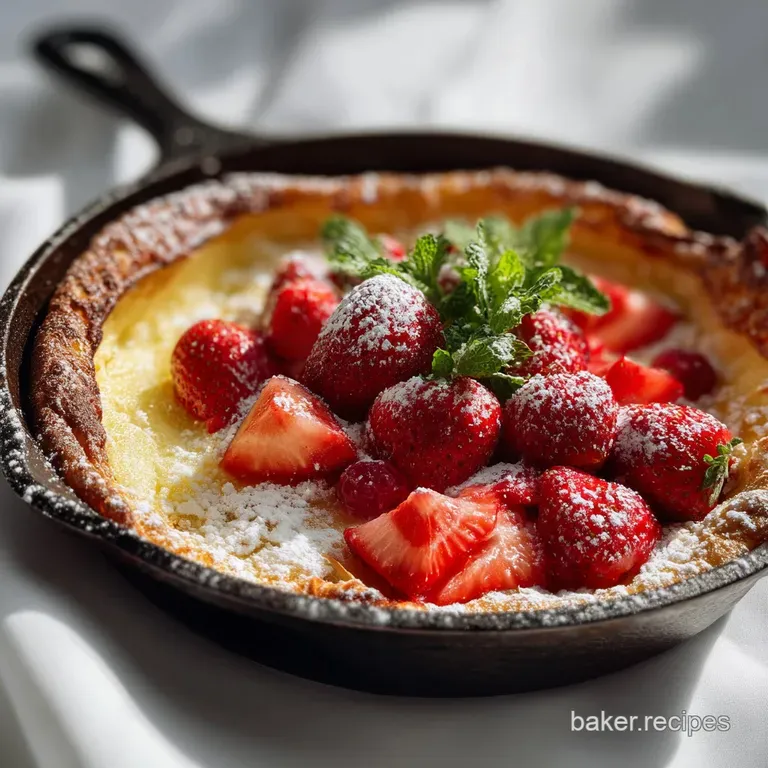
- Time: Active 5 minutes, Passive 20 minutes, Total 25 minutes
- Flavor/Texture Hook: A custard like center with buttery, shatter crisp edges
- Perfect for: Lazy Sunday brunches or a show stopping weekday surprise
- Master This Golden German Pancakes Recipe
- Physics Behind the Batter Rise
- Vital Statistics and Recipe Specs
- Choosing High Quality Base Ingredients
- Tools for a Superior Bake
- Simple Stages of the Bake
- Fixing Common Pancake Mistakes
- Creative Swaps and Variations
- Storing and Using Leftovers
- Finishing With the Right Toppings
- Recipe FAQs
- 📝 Recipe Card
Master This Golden German Pancakes Recipe
Imagine walking into a kitchen filled with the scent of toasted butter and warm nutmeg. You peek through the oven glass and see a batter that has somehow defied gravity, climbing up the sides of the skillet like a golden canyon. That is the magic of this dish.
It is a total drama queen in the best way possible, puffing up into a giant, airy cloud before settling into a velvety, custard rich treat the second it hits the table.
I used to think you needed a culinary degree or some secret leavening agent to get that kind of height. I tried adding extra baking powder and whisking until my arm felt like lead, but the results were always heavy. Then I realized the secret isn't in what you add, but in the physics of the heat.
It is about that sudden "shatter" of cold batter hitting a blistering hot pan.
Once you get the hang of this german pancakes recipe, you'll never go back to flipping individual circles on a griddle. It is efficient, impressive, and honestly, just a lot of fun to watch through the oven door.
Whether you call it a Dutch Baby or a Bismarck, the result is a breakfast that feels like a celebration without the mountain of messy bowls.
Physics Behind the Batter Rise
Understanding the mechanics of the "puff" helps you avoid a flat, dense pancake every single time. Here is the breakdown of the invisible forces at work in your skillet.
- Steam Leavening: High heat causes the moisture in the milk and eggs to rapidly evaporate, creating steam that pushes the batter upward before the proteins can solidify.
- Protein Structure: The high egg to flour ratio creates a flexible but strong network that traps the steam bubbles, allowing the pancake to expand without popping.
- Starch Gelatinization: As the temperature rises, the flour starches absorb the surrounding liquid and swell, providing the structural "walls" that keep the pancake from collapsing immediately.
| Cooking Method | Cook Time | Texture Outcome | Best For |
|---|---|---|---|
| Oven (Skillet) | 20 minutes | Dramatic rise, crispy edges, custard center | Traditional presentation and airy texture |
| Stovetop (Lidded) | 12 minutes | Dense, crepe like, no significant rise | Quick meals when the oven is occupied |
| Air Fryer | 12 minutes | Extra crispy, very dark edges, uneven rise | Small batches or single servings |
The temperature differential is the most critical factor here. If your pan is cold or your oven isn't fully preheated, you lose that immediate burst of steam, resulting in a flat, rubbery disc rather than a towering crown.
Vital Statistics and Recipe Specs
Before you start cracking eggs, let's look at the "why" behind the specific components of this recipe. Using the right parts of the puzzle ensures that the custard sets without becoming tough.
| Ingredient | Science Role | Pro Secret |
|---|---|---|
| Large Eggs | Emulsifier and structure | Use room temp eggs to ensure they bond perfectly with the fat in the milk. |
| Whole Milk | Hydration and richness | The fat content in whole milk supports the protein structure better than skim. |
| All Purpose Flour | Structural backbone | Sifting the flour prevents heavy clumps that could weigh down the delicate rise. |
If you are looking to round out your morning spread, these pancakes pair beautifully with savory sides. I often serve them alongside the The Homemade Breakfast recipe to balance the sweetness of the vanilla and nutmeg. The contrast between the salty sausage and the buttery pancake is nothing short of incredible.
Choosing high-quality Base Ingredients
For this german pancakes recipe, the quality of your staples really shines through because there are so few of them. I always reach for the freshest eggs I can find, as they provide the best lift and that deep yellow hue we all love.
- 3 large eggs: Why this? Provides the protein structure and leavening power for the rise.
- ¾ cup (180ml) whole milk: Why this? Adds the necessary moisture for steam production and a rich mouthfeel.
- ¾ cup (95g) all purpose flour: Why this? Sifted flour ensures a smooth, lump free batter that rises evenly.
- 1 tbsp granulated sugar: Why this? Aids in browning through the Maillard reaction and balances the salt.
- 1 tsp pure vanilla extract: Why this? Provides a deep, aromatic base that complements the nutmeg.
- 1/4 tsp fine sea salt: Why this? Enhances the flavors of the butter and eggs.
- 1/4 tsp ground nutmeg: Why this? The classic "secret" spice that makes these taste authentic.
- 3 tbsp (42g) unsalted butter: Why this? Creates the non stick barrier and the crispy, fried edges.
| Original Ingredient | Substitute | Why It Works |
|---|---|---|
| Whole Milk | Oat Milk (Full Fat) | Similar viscosity. Note: Adds a slight toasted grain flavor to the batter. |
| Unsalted Butter | Ghee | Higher smoke point. Note: Results in even crispier edges but less "brown butter" aroma. |
| Granulated Sugar | Maple Sugar | Same crystal structure. Note: Deepens the color and adds a woody sweetness. |
For those mornings when you want a single serve version of this concept, you might want to see How to Cook recipe which simplifies the process for one person. It uses a similar steam based logic but is tailored for a smaller vessel.
Tools for a Superior Bake
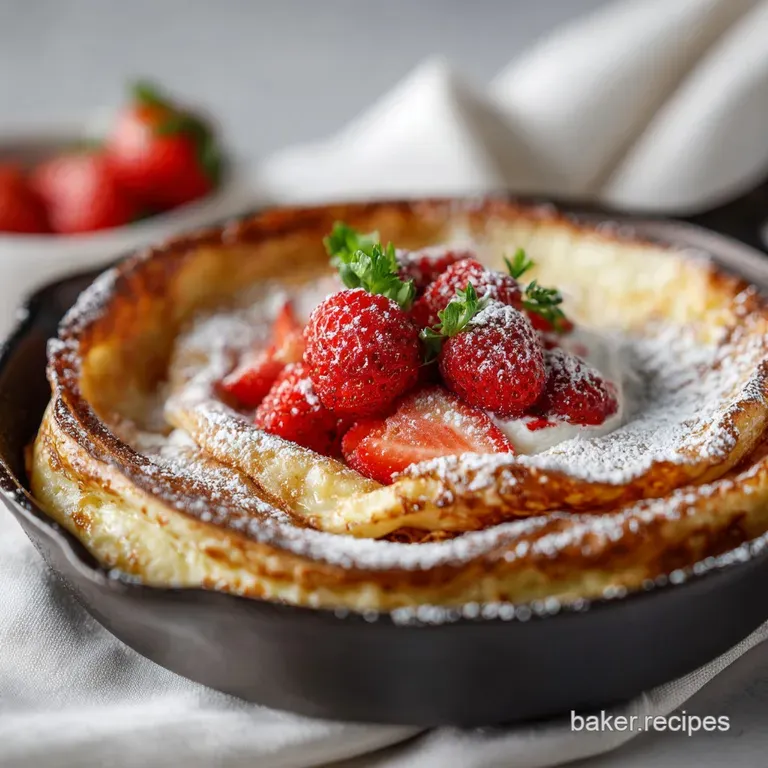
You don't need a pantry full of gadgets, but the vessel you choose will dictate the shape and crunch of your final pancake. I swear by a well seasoned cast iron skillet, like a 10 inch Lodge, because it holds onto heat like a champ.
- Cast Iron Skillet (10 inch): This is the gold standard. The heavy metal ensures the butter stays sizzling even after you pour in the cold batter.
- High Speed Blender: While you can use a whisk, a blender aerates the batter more efficiently, breaking down every tiny flour pocket.
- Fine Mesh Sieve: Essential for sifting your flour to ensure that "velvety" interior texture.
Chef's Tip: Place your empty skillet in the oven while it preheats. Heating the pan for a full 15 minutes before adding the butter ensures that the thermal shock is strong enough to trigger an immediate rise.
Simple Stages of the Bake
Follow this flow to ensure your kitchen remains organized and your pancake comes out perfectly. The timing is tight once the butter hits the pan, so have everything ready to go.
- Preheat the vessel. Place your 10 inch skillet in the oven and preheat to 425°F (220°C). Note: A screaming hot pan is non negotiable.
- Sift the flour. Pass your flour through a sieve into a small bowl to remove any packed clumps.
- Combine the liquids. Place the 3 eggs, ¾ cup milk, vanilla, sugar, salt, and nutmeg into your blender.
- Aerate the mixture. Pulse the liquid ingredients for 10 seconds until frothy and light.
- Add the dry. Tip in the sifted flour and blend for another 20 seconds until completely smooth.
- Melt the butter. Carefully remove the hot skillet from the oven and drop in the 3 tbsp of butter.
- Swirl and sizzle. Rotate the pan so the butter coats the bottom and sides until it stops foaming and starts to brown.
- Pour the batter. Quickly pour the batter into the center of the hot buttered skillet.
- Execute the bake. Return the pan to the oven and bake for 20 minutes until the edges are high, dark golden, and crackling.
- Rest and serve. Let it sit for 1 minute to slightly deflate, then dust with powdered sugar.
Fixing Common Pancake Mistakes
Even the best cooks run into a "flat" day now and then. Usually, it comes down to temperature or over mixing. Let's look at how to save your breakfast if things go sideways.
Avoiding the Flat Deflate
If your pancake looks like a regular flat crepe, your oven temperature was likely too low. The air inside the batter needs to expand quickly; if the heat is sluggish, the proteins will set before the air can push them up. Always use an oven thermometer to verify your heat.
Fixing a Rubbery Texture
A rubbery pancake is usually the result of over blending the flour, which develops too much gluten. You want to blend just until the flour disappears. If you see bubbles on top of the batter, that's good, but if it looks like thick elastic, you've gone too far.
| Problem | Root Cause | Solution |
|---|---|---|
| Greasy Bottom | Butter wasn't hot enough | Wait for the butter to brown slightly before pouring the batter. |
| Burnt Edges | Skillet was too thin | Use a heavy bottomed pan or move the oven rack to the center. |
| Soggy Center | Underbaked or too much fruit | Bake for the full 20 minutes; add watery toppings after baking. |
Common Mistakes Checklist:
- ✓ Ensure eggs and milk are truly at room temperature (dip them in warm water if needed).
- ✓ Never open the oven door during the first 15 minutes of baking.
- ✓ Sift the flour; even small lumps can act as weights that prevent the rise.
- ✓ Use a 10 inch skillet; a 12 inch pan will result in a much thinner, less dramatic pancake.
Creative Swaps and Variations
Once you have mastered the base version, you can start tweaking the recipe to fit different dietary needs or flavor profiles. This batter is surprisingly resilient to small changes.
Recipe for Two People
To scale this down, use 2 eggs and roughly half of the other ingredients. However, the best way to scale for two is to use 1.5 eggs beat one egg in a cup, pour out half, and add it to one whole egg. Bake in a smaller 6 inch or 8 inch skillet for about 15 minutes.
gluten-free Batter Option
You can create a gluten-free german pancakes recipe by swapping the all purpose flour for a high-quality 1:1 gluten-free flour blend (like King Arthur or Cup4Cup). Because gluten-free flours don't have the same protein structure, the pancake might not climb quite as high, but it will still be delicious.
Thin German Pancake Style
If you prefer the traditional "Pfannkuchen" which are more like thick crepes, simply cook the batter in a buttered skillet on the stovetop over medium heat. You won't get the dramatic rise, but the flavor remains identical.
Storing and Using Leftovers
These are definitely best served fresh, as they lose their "poof" within minutes of leaving the oven. However, if you have leftovers, they don't have to go to waste.
- Storage: Keep leftovers in an airtight container in the fridge for up to 2 days. The texture will become more dense and custard like, similar to a clafoutis.
- Freezing: I don't recommend freezing the whole pancake, but you can freeze slices for up to a month. Wrap them tightly in plastic wrap and then foil.
- Reheating: Avoid the microwave, as it makes the batter rubbery. Instead, pop slices back into a 350°F oven for 5 minutes until the edges crisp up again.
- Zero Waste: If you have scraps, chop them up and use them as a "bread" base for a quick bread pudding or toss them with cinnamon sugar for "pancake fries."
Finishing With the Right Toppings
The classic way to eat this is with a heavy squeeze of fresh lemon juice and a dusting of powdered sugar. The acidity of the lemon cuts through the richness of the butter and eggs perfectly.
The Classic Lemon Brightener
Whisk together 2 tablespoons of powdered sugar with a pinch of extra nutmeg. Dust it over the hot pancake, then squeeze half a lemon over the top. The sugar and lemon will melt together into a light glaze that seeps into the nooks and crannies.
Making a Savory Pivot
You can easily turn this into a lunch dish. Omit the vanilla and the tablespoon of sugar from the batter. Instead, top the finished pancake with smoked salmon, a dollop of crème fraîche, and fresh chives. The buttery base acts like a giant blini.
Kitchen Myths Debunked
One common myth is that you need baking powder for this recipe. You absolutely do not. In fact, adding baking powder often results in a "cakey" texture that lacks the signature hollow center. Another myth is that the batter must be ice cold.
While some recipes suggest this, I have found that room temperature ingredients actually bond better with the hot fat, leading to a more consistent rise.
This german pancakes recipe is one of those back pocket wins that every home cook should have. It uses ingredients you likely already have, takes almost no active effort, and never fails to get a "wow" from whoever is sitting at the table.
Just remember: keep the oven door closed, let the skillet get hot, and enjoy the show!
Recipe FAQs
What is the difference between German pancakes and regular pancakes?
German pancakes are baked, not fried. They are made with a simple, thin batter of eggs, flour, and milk, and baked in a hot oven, causing them to puff dramatically. Regular pancakes are typically fried on a griddle or pan and are often leavened with baking powder or soda for a fluffier texture.
What are the ingredients in a German pancake?
Eggs, milk, flour, sugar, salt, vanilla extract, and nutmeg are the core ingredients. Butter is also essential for greasing the pan and creating crispy edges. The high ratio of eggs to flour is key to its unique texture.
What is the difference between German pancakes and crêpes?
German pancakes are baked and puff up, while crêpes are thin and fried. Crêpes have a much thinner batter and are cooked on a stovetop until very thin and pliable. German pancakes rely on oven heat to achieve their signature rise and a custard like interior.
What is the secret to a puffy Dutch baby?
A screaming hot pan and oven are the secrets to a puffy Dutch baby. The sudden blast of intense heat causes the moisture in the batter to rapidly turn to steam, creating that dramatic puff. Room temperature ingredients and not opening the oven door during baking are also crucial.
Can I make a German pancake ahead of time?
No, they are best enjoyed immediately after baking. German pancakes deflate quickly as they cool, losing their characteristic puffiness. While leftovers can be reheated, they won't achieve the same dramatic rise.
What kind of pan should I use for German pancakes?
A heavy, oven safe skillet, preferably cast iron, is ideal. The heavy material retains heat exceptionally well, ensuring the intense temperature needed for the batter to puff up quickly and evenly.
What are some good toppings for German pancakes?
Classic toppings include powdered sugar and fresh lemon juice. Other delicious options include fresh berries, whipped cream, maple syrup, or even savory toppings like smoked salmon and crème fraîche, similar to how you might enjoy a large blini.
German Pancakes Recipe
Ingredients:
Instructions:
Nutrition Facts:
| Calories | 255 kcal |
|---|---|
| Protein | 8.7 g |
| Fat | 13.8 g |
| Carbs | 23.6 g |
| Fiber | 0.7 g |
| Sugar | 5.2 g |
| Sodium | 215 mg |
