Classic Bbq Sauce Recipe
- Time: Active 5 minutes, Passive 15 minutes, Total 20 minutes
- Flavor/Texture Hook: Tangy sweet with a glossy, clingy finish
- Perfect for: Weekend backyard grilling or quick weeknight sheet pan chicken
- Unlock the Secrets to This Signature BBQ Sauce Recipe
- The Science Behind a Glossy and Balanced Sauce
- Quick Facts and Cooking Times for This Batch
- Pantry Staples That Build the Best Flavor Base
- The Only Simple Tools You Need to Finish
- Walking Through the Simple Simmer and Glaze Process
- Fixing Common Problems Before They Ruin Your Ribs
- Creative Ways to Customize Your Homemade Sauce Blend
- Keeping Your Homemade Sauce Fresh and Ready to Go
- The Best Ways to Use Your New Favorite Sauce
- Recipe FAQs
- 📝 Recipe Card
Unlock the Secrets to This Signature BBQ Sauce Recipe
The first time I tried making my own sauce, I ended up with a pot of thin, purple liquid that tasted mostly like ketchup. It was a mess. I realized I was missing that deep, smoky backbone and the velvety texture that makes a sauce stick to a rib like it's meant to be there.
This specific bbq sauce recipe is the result of years of tinkering in my own kitchen, focusing on what actually matters: balance and body.
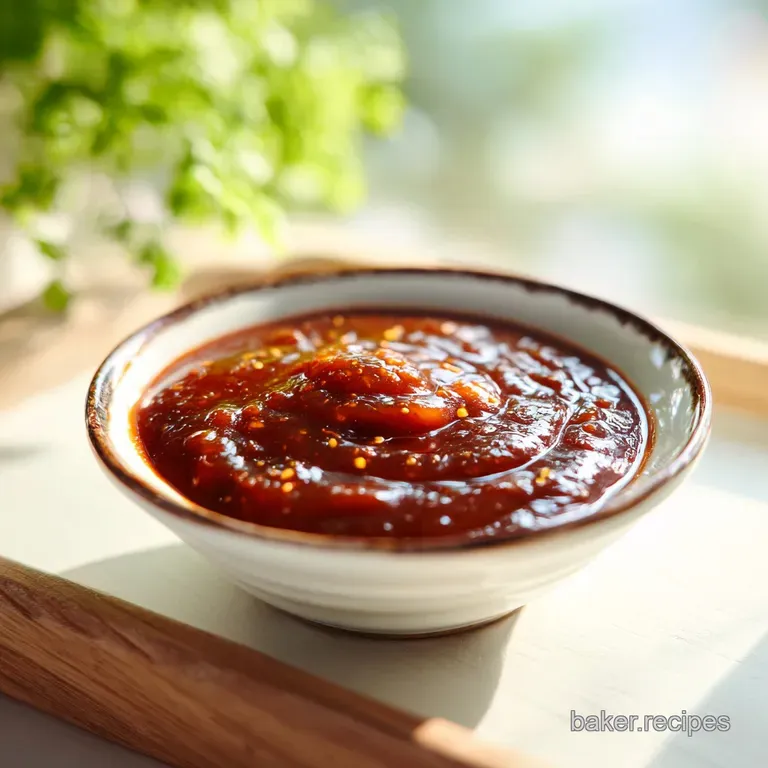
When you start simmering these ingredients, the kitchen fills with a sharp, vinegary aroma that slowly mellows into a rich, dark sweetness. It's a sensory shift you'll start to recognize. The sauce goes from a bright red to a deep, mahogany hue, and that's when you know the flavors have properly married.
It's a small victory that makes a huge difference on the plate.
We've all been there, standing in the grocery aisle looking at fifty different bottles, but honestly, nothing beats the control you have at home. You can make it punchier, sweeter, or smokier depending on what's on the grill.
This version is my "ride or die" base it's reliable, fast, and uses tools you already have in the drawer. Let's get into how to make this happen.
The Science Behind a Glossy and Balanced Sauce
Understanding the "why" helps you avoid mistakes before they happen. This isn't just about mixing liquids; it's about chemistry.
- Maillard Reaction: The dark brown sugar and molasses contain amino acids and reducing sugars that, when heated, undergo a non enzymatic browning. This creates complex, savory flavor compounds that simple sugar can't provide.
- Emulsification Stability: The mustard acts as a natural emulsifier, helping the water and vinegar stay bonded with the tomato solids and fats from the Worcestershire. This prevents that unappealing water ring from forming around the sauce on your plate.
- Starch Gelatinization: Tomato ketchup already contains starch and pectin. As we simmer the mixture, these molecules swell and trap water, changing the sauce from a thin liquid into a thick, glossy coating.
| Method | Time | Texture | Best For |
|---|---|---|---|
| Quick Simmer | 15 minutes | Light and pourable | Dipping nuggets or fries |
| Slow Reduction | 35 minutes | Thick and jammy | Glazing ribs or brisket |
| No Cook Mix | 2 minutes | Thin and sharp | Thin marinades for pork |
Choosing the right method depends entirely on your afternoon. If I'm in a rush, the 15 minute simmer is my go to because it gives enough time for the flavors to meld without requiring me to stand over the stove for half an hour.
Quick Facts and Cooking Times for This Batch
When you're planning a meal, you need to know exactly how much you're making and how long it takes. This recipe is designed for efficiency.
| Batch Detail | Measurement |
|---|---|
| Total Yield | 16 servings (approx. 2.5 cups) |
| Active Prep | 5 minutes |
| Simmer Time | 15 minutes |
| Internal Finish | Glossy and coats a spoon |
Pantry Staples That Build the Best Flavor Base
Creating a standout bbq sauce recipe doesn't require a trip to a specialty store. You likely have most of this in your cabinet right now. I've found that using unsulfured molasses is the secret to that "pro" taste without the bitter aftertaste.
- 2 cups tomato ketchup: Why this? Provides the acidic, tomatoey foundation and built in thickness. (Sub: Tomato paste + extra water/vinegar).
- 1/4 cup apple cider vinegar: Why this? Offers a fruity tang that cuts through heavy fats. (Sub: White wine vinegar).
- 2 tbsp Worcestershire sauce: Why this? Adds fermented depth and essential savory saltiness. (Sub: Soy sauce).
- 1/2 cup water: Why this? thins the mixture to allow for a proper simmer without burning. (Sub: Apple juice).
- 1/2 cup dark brown sugar, packed: Why this? Provides sweetness and a hint of caramel flavor. (Sub: Light brown sugar).
- 2 tbsp unsulfured molasses: Why this? The key to that deep mahogany color and thick texture. (Sub: Honey).
- 1 tbsp yellow mustard: Why this? Adds a sharp bite and helps emulsify the sauce. (Sub: Dijon mustard).
- 1 tsp smoked paprika: Why this? Mimics the flavor of a wood fired pit without the actual smoke. (Sub: Liquid smoke).
- 1 tsp garlic powder: Why this? Distributes flavor more evenly than fresh garlic in a smooth sauce. (Sub: Onion powder).
- 1/2 tsp onion powder: Why this? Adds a savory, aromatic baseline. (Sub: Shallot powder).
- 1/2 tsp ground black pepper: Why this? Provides a subtle, lingering warmth. (Sub: White pepper).
- 1/4 tsp cayenne pepper: Why this? Just enough to wake up the palate without being "hot." (Sub: Red pepper flakes).
If you want to take the savory notes even further, you might enjoy the techniques used in our AllPurpose Umami Bomb recipe, which shares some of these fermented flavor profiles.
| Ingredient | Science Role | Pro Secret |
|---|---|---|
| Dark Brown Sugar | Humectant | Pack it tight to ensure the correct moisture to sugar ratio. |
| Apple Cider Vinegar | pH Balancer | Use raw/unfiltered for a more complex, funky tang. |
| Yellow Mustard | Emulsifier | Never skip this; it prevents the sauce from breaking. |
The Only Simple Tools You Need to Finish
You don't need a high tech kitchen for this. In fact, a fancy blender might actually introduce too much air, making the sauce look foamy rather than glossy.
- Medium Saucepan: A heavy bottomed pan is best to prevent the sugars from scorching on the bottom.
- Whisk: Essential for breaking up the spices and mustard into the liquid.
- Silicon Spatula: Great for scraping the sides of the pan as the sauce thickens and reduces.
- Glass Mason Jar: My favorite vessel for cooling and storing the finished product.
Chef's Tip: Freeze your molasses spoon for 5 minutes before measuring. The cold metal prevents the thick syrup from sticking, so it slides right off into the pan.
Walking Through the Simple Simmer and Glaze Process
- Combine the liquids. Whisk 2 cups tomato ketchup, 1/4 cup apple cider vinegar, 2 tbsp Worcestershire sauce, and 1/2 cup water in your saucepan. Note: This creates a consistent base before adding solids.
- Add the sweeteners. Stir in 1/2 cup dark brown sugar and 2 tbsp unsulfured molasses until the sugar crystals begin to dissolve.
- Incorporate the aromatics. Add 1 tbsp yellow mustard, 1 tsp smoked paprika, 1 tsp garlic powder, 1/2 tsp onion powder, 1/2 tsp ground black pepper, and 1/4 tsp cayenne pepper.
- Whisk until smooth. Keep stirring until no spice clumps remain on the surface.
- Heat the mixture. Place the pan over medium heat and bring to a gentle bubble.
- Reduce to a simmer. Turn the heat to low until the sauce begins to darken slightly. Note: High heat will burn the sugar, making the sauce bitter.
- Cook for 15 minutes. Stir occasionally to prevent sticking.
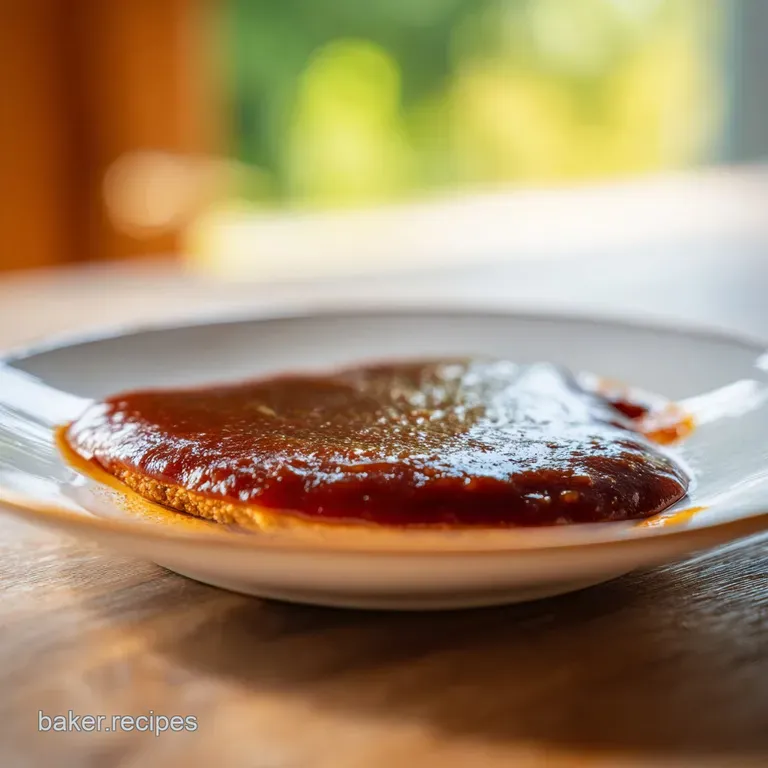
- Check the consistency. The sauce is ready when it coats the back of a spoon and leaves a clear path when you run a finger through it.
- Cool completely. Let the sauce sit at room temperature for at least 30 minutes.
- Final stir. Give it one last whisk before transferring to a jar to ensure a silky finish.
Fixing Common Problems Before They Ruin Your Ribs
Even the most straightforward sauce can go sideways if the heat is too high or the measurements are off. Most issues are easily fixed with a little more liquid or a few extra minutes on the stove.
Why Your Sauce Is Too Thin
If the sauce looks more like juice than a glaze, it simply hasn't reduced enough. The water content needs to evaporate to concentrate the sugars and pectins. Let it simmer uncovered for another 5-10 minutes.
Why Your Sauce Tastes Too Sharp
Sometimes the vinegar can be overpowering. This usually happens if you haven't simmered it long enough for the harsh acetic acid to mellow out. A tiny pinch of salt or an extra teaspoon of brown sugar can help balance the acidity.
| Problem | Root Cause | Solution |
|---|---|---|
| Gritty Texture | Undissolved dry spices | Simmer longer and whisk vigorously to hydrate the powders. |
| Burnt Aftertaste | Heat too high | Add a splash of cream or butter to mask the bitterness. |
| Separating in Jar | Lack of emulsifier | Whisk in 1/2 tsp more mustard and heat slightly to recombine. |
Common Mistakes Checklist
- ✓ Never boil the sauce rapidly; a gentle simmer is all you need.
- ✓ Don't skip the water; it provides the medium for the flavors to meld before the sauce thickens.
- ✓ Avoid using "blackstrap" molasses unless you want a very bitter, medicinal flavor.
- ✓ Wait until the sauce is cool before tasting for final seasoning; heat masks sweetness.
Creative Ways to Customize Your Homemade Sauce Blend
The beauty of this recipe is how easily it adapts. I often make a double batch and split it into two different flavor profiles.
- If you want more heat, add a teaspoon of chipotle in adobo sauce.
- If you want it "Carolina style", double the apple cider vinegar and add more mustard.
- If you want a fruit forward glaze, replace the water with peach nectar or pineapple juice.
For a completely different flavor profile that's great for meal prep, you might want to try our KnockYourSocksOff Homemade BBQ recipe, which offers a slightly different take on the classic proportions.
Adjusting the Batch SizeTo make a half batch: Use a smaller saucepan to prevent the sauce from evaporating too quickly. Reduce the simmer time by about 3-5 minutes.
To double the batch: Use a large pot and keep the spices at 1.5x the original amount first, then taste. Large volumes of sauce retain heat longer, so it may take 20-25 minutes to thicken properly.
Keeping Your Homemade Sauce Fresh and Ready to Go
Since we aren't using industrial preservatives, storage is key. This sauce actually tastes better on day two after the spices have had time to fully bloom in the liquid.
Storage: Keep the sauce in an airtight glass jar in the refrigerator for up to 2 weeks. Glass is better than plastic as it won't absorb the strong vinegar and onion odors.
Freezing: You can freeze this sauce for up to 3 months. I recommend freezing it in ice cube trays first, then transferring the cubes to a freezer bag. This way, you can pop out exactly what you need for a single chicken breast or a burger.
Zero Waste Tip: If you have a near empty ketchup bottle, don't toss it! Pour your vinegar and water into the bottle, shake it up to get every last bit of ketchup, and pour that mixture into your saucepan. You've just saved a tablespoon of base and cleaned the bottle for recycling.
The Best Ways to Use Your New Favorite Sauce
While ribs are the obvious choice, this sauce is surprisingly versatile. Because it has a balanced sugar to acid ratio, it works well as both a marinade and a finishing glaze.
Fast vs Classic Comparison
| Feature | This Recipe (Fast) | Traditional Pitmaster Sauce |
|---|---|---|
| Base | Ketchup (Pre balanced) | Tomato Puree + Vinegar + Sugar |
| Total Cook | 20 minutes | 2-4 hours |
| Consistency | Smooth and glossy | Often chunky or rustic |
This sauce is excellent for "Dressing Shredded Protein." If you've got leftover pulled pork or rotisserie chicken, toss it with a few tablespoons of this sauce in a warm skillet. The sugars will slightly caramelize around the meat, giving it a second life that tastes better than the first.
You can also brush it onto grilled pineapple for a smoky sweet dessert that will genuinely surprise your guests. It's a simple way to make a basic meal feel a bit more intentional.
Chef's Tip: Add a teaspoon of instant espresso powder to the sauce if you're serving it with beef. It deepens the color and enhances the savory notes of the meat without tasting like coffee.
Recipe FAQs
How to make your own barbecue sauce?
Combine the liquid base first. Whisk ketchup, apple cider vinegar, Worcestershire sauce, and water in a saucepan until fully combined. Next, dissolve the brown sugar and molasses into the liquid before simmering for 15 minutes until the sauce coats the back of a spoon.
What is the secret to good barbecue sauce?
The secret is proper flavor balancing and reduction. You must balance the acid from the vinegar against the sweetness of the molasses and sugar; if it's too sharp, simmer it longer. If you enjoyed mastering the sweet tart balance here, see how the same acid technique works in My GoTo Seafood recipe.
What are the basic components of barbecue sauce?
The basics are a tomato base, acid, and sweetener. This recipe uses ketchup for the base, apple cider vinegar for the acid, and brown sugar/molasses for deep, complex sweetness. Don't forget emulsifiers like mustard, which prevent the sauce from separating.
How to make a rich barbecue sauce?
Reduce the sauce slowly over low heat. Simmer uncovered for 20-25 minutes, stirring occasionally, until the sauce thickens enough to leave a clean trail on a spoon. Reducing the liquid concentrates the solids, leading to a rich, clingy texture perfect for glazing.
Why is my homemade barbecue sauce too thin?
No, it just needs more time on the heat. Thinness usually means there is still too much water content that hasn't evaporated. Continue simmering uncovered for an additional 5 to 10 minutes, watching carefully to prevent the sugars from scorching on the bottom of the pan.
Can I skip the molasses in this barbecue sauce?
No, I strongly advise against skipping molasses. Molasses is key to achieving the deep mahogany color and the earthy, slightly bitter depth that distinguishes great BBQ sauce from simple ketchup glaze. You can substitute honey, but it won't provide the same rich color profile.
How long is this barbecue sauce good for in the refrigerator?
Yes, it stores well for up to two weeks. Store the cooled sauce in an airtight glass jar to prevent odor absorption from other fridge items. For longer storage, freezing in ice cube trays is an excellent way to portion it out for future meals.
Homemade Bbq Sauce Recipe
Ingredients:
Instructions:
Nutrition Facts:
| Calories | 67 calories |
|---|---|
| Protein | 0.4 g |
| Fat | 0.1 g |
| Carbs | 17.1 g |
| Fiber | 0.3 g |
| Sugar | 15.6 g |
| Sodium | 356 mg |
