Wild Wonderful a Chefs Guide to Bright Earthy Homemade Dandelion Syrup
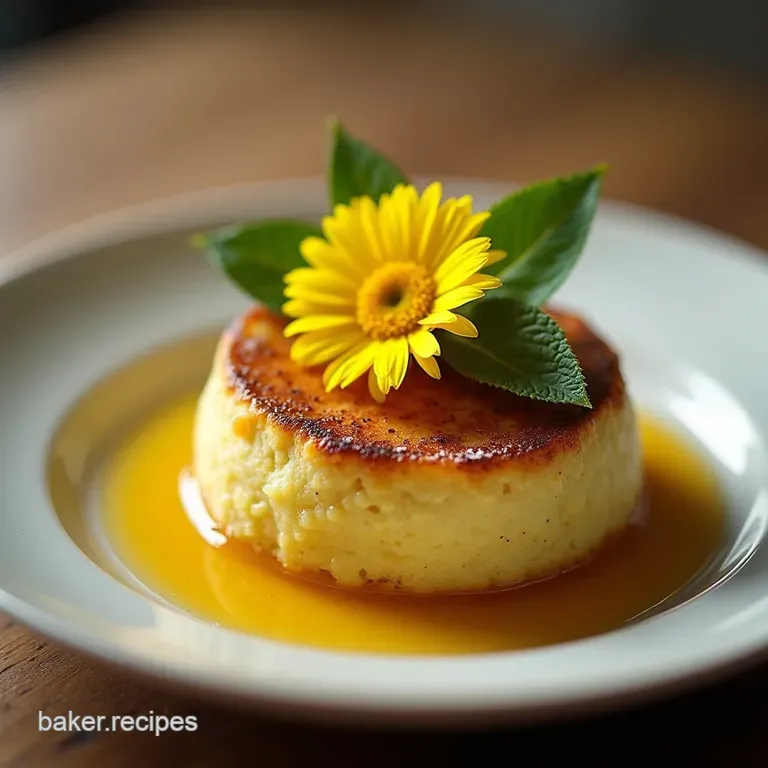
- Reclaiming the Foraged Treasure: The Magic of Golden Dandelion Syrup
- A Sweet Nostalgia: Why This Edible Weed Belongs in Your Kitchen
- Gathering Your Golden Harvest: Essential Components and Tools
- The Alchemical Process: Transforming Petals into Liquid Gold
- Mastering the Simmer: Achieving the Right Viscosity
- Maximizing Longevity and Creative Applications
- Troubleshooting and Flavor Customization
- Recipe FAQs
- 📝 Recipe Card
Reclaiming the Foraged Treasure: The Magic of Golden Dandelion Syrup
Right then, let's get these magnificent, often overlooked weeds into a beautiful, golden syrup! Dandelion syrup it’s a bit of a throwback, reminding me of scrambling through the garden as a nipper, much like picking blackberries for a crumble.
This recipe transforms the bright yellow petals of the common dandelion often dismissed as a garden pest into a surprisingly delicate, naturally sweet syrup with subtle floral and honeyed undertones. It’s a taste of spring bottled up!
This particular Dandelion Syrup recipe is surprisingly easy, requiring just simple infusion and reduction, making it a perfect project even for novice preservers.
A Sweet Nostalgia: Why This Edible Weed Belongs in Your Kitchen
There is something deeply satisfying about transforming a wild ingredient, typically relegated to the compost bin, into something luxurious. This project captures that very essence. The resulting liquid is a wonderful infusion perfect for drizzling over pancakes, sweetening tea, or even using as a sophisticated mixer.
Making Dandelion Syrup connects you directly to the rhythm of the early growing season.
Unearthing the Earthy Sweetness of Spring Blooms
The foraging aspect is arguably the most rewarding part of this endeavor. We are seeking that pure, sun-drenched yellow, signaling the peak moment of the flower’s delicate sweetness.
The process begins not in the kitchen, but outdoors, connecting you with the source material before we even consider heating the stove. We aim to capture the fleeting flavour of early spring in a jar.
More Than Just a Pest: Celebrating the Humble Dandelion Petal
So often, we reach for cultivated ingredients, forgetting the rich bounty right beneath our noses. The dandelion petal, when stripped of its bitter green base, yields a flavour reminiscent of mild honey mixed with a faint, herbaceous note.
This subtle profile is precisely what makes homemade Dandelion Syrup so unique compared to standard corn syrups or even plain simple syrup. It offers a complex, natural sweetness that elevates simple dishes.
Setting Expectations: The Unique Flavor Profile of Homemade Dandelion Syrup
Before we dive in, it’s important to set expectations regarding the Dandelion Syrup flavor . If you’re expecting an overpowering floral punch, you might be surprised.
The true flavour is delicate, subtle, and distinctly earthy, often described as having notes similar to clover honey, but lighter. It is this subtlety that makes it so versatile, especially when considering Dandelion Syrup uses in beverages where an aggressive flavour would dominate.
Gathering Your Golden Harvest: Essential Components and Tools
Success in making this golden nectar hinges entirely on the quality of your raw materials and preparation. Since we are infusing a delicate flavour, cleanliness and precision are key at this initial stage. This is an easy difficulty recipe overall, but meticulous harvesting ensures a superior final product.
Sourcing Superior Petals for the Best Infusion
The golden rule of dandelion harvesting is purity. You must gather petals that have been kissed by the sun and are completely free from roadside pollutants or garden chemicals. Look for blooms far from traffic or treated lawns.
We are aiming for about 4 packed cups of petals, which, though it sounds like a lot, translates to only about 80 grams when lightly packed, illustrating how airy these petals are.
Precise Proportions: What You Need for Perfect Consistency
To achieve that perfect, pourable consistency, we rely on tried and-true ratios. For every 4 packed cups of petals, we use 4 cups of filtered water to create a strong infusion base. Once strained, this liquid is combined with 2 cups of standard granulated sugar (400g) to ensure proper viscosity upon reduction.
A squeeze and the zest of one medium lemon are vital to brighten the earthy tones of the infusion. This batch yields approximately 1.5 cups of finished syrup.
Necessary Equipment for Syrup Crafting
You will need a large, non-reactive saucepan stainless steel is ideal to prevent any metallic flavour transfer. Essential tools also include a fine mesh sieve, and critically, cheesecloth or a nut milk bag.
This latter item is non-negotiable if you want a beautifully clear Dandelion Syrup rather than a cloudy brew, as it filters out the smallest plant matter. You’ll also need sterilized airtight jars for storage once the process is complete.
Related Recipes Worth Trying
- How to Make Aromatic Rosemary Simple Syrup Easy Recipe — Whip up this easy Rosemary Simple Syrup recipe in under 20 minutes Perfect for elevating cocktails mocktails or drizzling over bakes
- Foolproof Rosemary Syrup Recipe for Cocktails Baking — Elevate your drinks with this easy Rosemary Syrup recipe Learn the gentle steeping trick for a perfectly aromatic infusion brilliant for cocktails or coffee
- The Foragers Nectar Simple Homemade Dandelion Syrup Recipe — Learn how to make authentic homemade Dandelion Syrup using this foolproof recipe Capture that hint of spring sunshine to drizzle over scones See Dandelion...
The Alchemical Process: Transforming Petals into Liquid Gold
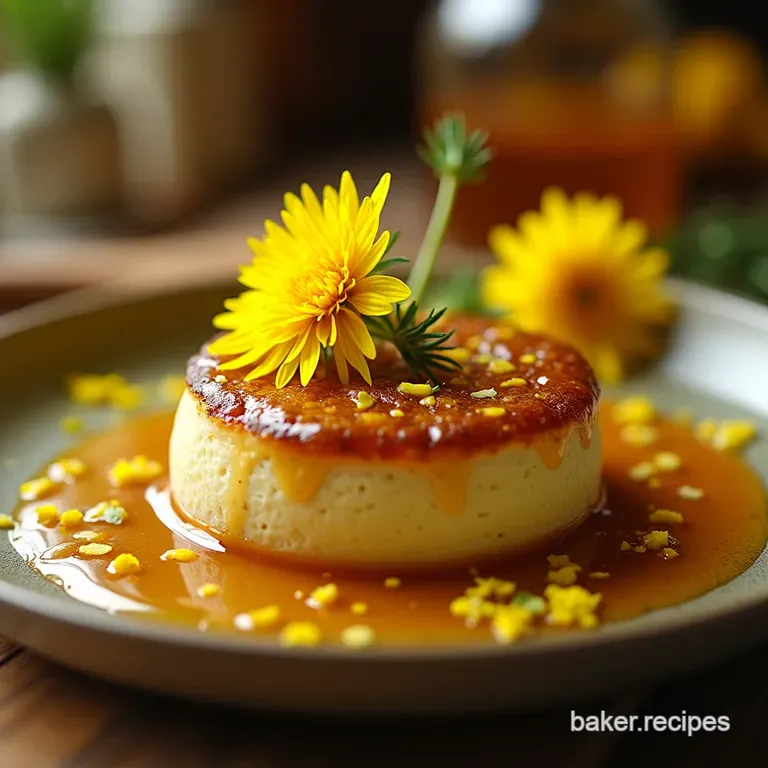
The transformation from raw flower heads to golden liquid involves two primary stages: a long, cool infusion to draw out the essence, followed by careful reduction with sugar to concentrate and preserve that essence. This step-by-step approach guarantees maximum flavour extraction without any bitterness.
Mastering the Simmer: Achieving the Right Viscosity
The simmering stage is where patience pays off, concentrating the liquid slowly to the correct thickness. Remember, this syrup must coat the back of a spoon without being overly sticky like hard candy.
Step One: The Gentle Separation of Yellow from Green
This is the most time consuming, yet most crucial, part of the preparation: ensuring you only collect the bright yellow petals. The green sepals and white bases of the flower heads contain bitter saponins that will ruin the delicate profile of your final product.
Spend at least 30 minutes gently pulling the petals free from the bases. Rinse them very gently if needed, and ensure they are completely dry before proceeding to the infusion.
Creating the Concentrated Dandelion Flower Tea Base
Combine your meticulously separated, dried petals and 4 cups of filtered water in your non-reactive pot. Bring this mixture only to a bare simmer, then immediately remove it from the heat, cover it, and allow it to steep.
While a few hours will work, the best results come from letting this mixture infuse overnight, ideally in the refrigerator if your kitchen runs warm. This slow, cool process extracts the flavour without introducing unwanted vegetal notes.
The Art of Reduction: Boiling Down the Sweet Infusion
After straining the liquid through cheesecloth (discarding the spent petals), return the resulting "tea" to the clean saucepan. Add the 2 cups of granulated sugar, the lemon zest, and the lemon juice. Heat slowly, stirring until every grain of sugar has dissolved completely.
Once clear, bring the mixture to a gentle, rolling boil. This reduction phase should take about 20 to 30 minutes. Resist aggressive stirring; allow the water to slowly evaporate, concentrating the flavour and achieving the necessary viscosity.
Final Filtration: Ensuring a Crystal Clear Dandelion Syrup Finish
Once the syrup coats the back of a spoon or registers 220° F ( 104° C) on a candy thermometer, it’s ready. For a truly professional finish, pour the hot syrup one last time through a fresh, clean piece of cheesecloth or a lined sieve directly into your sterilized jars.
This final pass catches any tiny particles that might have separated during the reduction, resulting in a pristine, clear Dandelion Syrup . Seal immediately while hot.
Maximizing Longevity and Creative Applications
Once cooled, this beautiful nectar opens up a world of culinary opportunities. Beyond its role as a breakfast topping, understanding Dandelion Syrup uses can elevate everything from baking to mixology.
Troubleshooting and Flavor Customization
Even the simplest recipes can sometimes present minor hiccups. Knowing how to troubleshoot cloudiness or how to safely store your homemade creation ensures you maximize the joy from your foraging efforts.
Shelf Stability Secrets: How Long Does This Nectar Last?
Because this syrup has a high sugar content relative to its water content, it keeps well. Properly sterilized jars, sealed while the syrup is boiling hot, will keep this creation shelf stable for several months if unopened.
Once opened, however, you must store your Dandelion Syrup UK and elsewhere in the refrigerator, where it should maintain peak quality for up to three months.
Elevating Breakfast: Serving Suggestions Beyond the Ordinary
While drizzling it over pancakes is a classic, try whisking a tablespoon into Greek yogurt topped with toasted nuts for an unexpectedly complex breakfast bowl. It also pairs beautifully spooned over fresh ricotta cheese served with a sprinkle of sea salt.
Infusing Variations: Lemon Zest and Spice Additions
If you enjoy a richer profile, consider infusing spices during the initial overnight steep. Adding a few strips of orange peel or a cinnamon stick alongside the lemon zest provides warmth.
For a truly sophisticated twist, a Dandelion Syrup cocktail base shines when paired with gin, offering a beautifully floral and slightly bitter counterpoint to the alcohol.
Why is My Syrup Cloudy? Quick Fixes and Clarification Tips
If your final product appears cloudy rather than brilliantly golden, it is usually due to fine particulate matter escaping the first strain, or perhaps some residual sugar graininess. The best remedy is gentle reheating and performing that final, meticulous strain through fresh cheesecloth.
Do not re-boil aggressively; just warm it gently, strain it slowly, and pour it into fresh, sterile containers to cool.
Recipe FAQs
What's the biggest mistake people make when creating Dandelion Syrup?
The most common blunder is forgetting to meticulously remove the green parts of the flower head the sepals and base as these are terribly bitter. If your syrup tastes more like grass clippings than honey, that's usually the culprit!
How long does homemade Dandelion Syrup last, and how should I store it?
Provided you sterilize your jars properly and seal them while the syrup is hot, it should keep happily in the back of the fridge for up to three months, much like a good jar of homemade jam. Just ensure the lid seal is tight when storing after cooling.
Can I use honey instead of sugar in the Dandelion Syrup recipe?
You absolutely can substitute some or all of the sugar with honey for a richer flavour, though you might need slightly less liquid overall during the reduction phase. Be aware that honey imparts its own distinct flavour profile, so it won't taste exactly like the standard version.
My syrup isn't thickening up; what's gone wrong?
The reduction stage is crucial; if it's taking forever, you likely didn't simmer it long enough, or your heat was too low. You need a gentle, rolling boil to evaporate the water until the syrup coats the back of a spoon reliably, so be patient!
Is there a way to make this Dandelion Syrup better for savoury dishes, like glazing a roast?
For a savoury twist that pairs wonderfully with poultry or root vegetables, try adding a sprig of fresh rosemary or thyme during the overnight infusion stage. Also, using just a pinch of salt instead of the full amount of lemon juice can balance the sweetness beautifully.
Homemade Dandelion Syrup
Ingredients:
Instructions:
Nutrition Facts:
| Calories | 407 kcal |
|---|---|
| Protein | 0.3 g |
| Fat | 0.6 g |
| Carbs | 106.5 g |
| Fiber | 0.3 g |
| Sodium | 2 mg |
