Fajita Seasoning: a Smoky Homemade Blend
- Time: Active 5 minutes, Passive 0 minutes, Total 5 minutes
- Flavor/Texture Hook: Smoky, earthy, and citrusy bright
- Perfect for: Budget-friendly meal prep, quick weeknight fajitas, or DIY gifts
- The Best Budget Friendly Fajita Seasoning Recipe
- Fast Cooking Times and Specs
- Why the Heat Stays Balanced
- Ingredient Deep Dive
- Essential Elements for Maximum Flavor
- Simple Tools for Spice Blending
- Steps to Create the Blend
- Solving Common Spice Mix Issues
- Smart Variations for Every Protein
- Debunking Seasoning Myths
- Proper Storage and Saving Scraps
- Serving Tips for Sizzling Fajitas
- Recipe FAQs
- 📝 Recipe Card
The Best Budget Friendly Fajita Seasoning Recipe
Forget everything you think you know about those little yellow paper packets at the grocery store. Most people assume that to get that "authentic" restaurant flavor, you need a long list of stabilizers and thickeners like cornstarch or maltodextrin.
I used to think the same thing until I realized those fillers actually mask the punch of the real spices. When you dump a packet into your pan, you often end up with a gummy, dull sauce that hides the natural sweetness of your bell peppers and the char on your steak.
This fajita seasoning recipe is designed to cut through the noise. The aroma of smoked paprika hitting a hot, oiled skillet is enough to make anyone in the house come running to the kitchen. It’s that sharp, peppery scent mixed with the deep, heavy base of cumin that defines a great Tex Mex meal.
I remember the first time I ditched the store-bought stuff; the kitchen didn't just smell like "taco night," it smelled like a real cantina. The colors were more vibrant, and the flavors didn't feel heavy or artificial.
If you are looking for a way to save money while actually improving the quality of your dinners, this is it. We are going to use basic pantry staples to create something that tastes expensive.
This mix gives you total control over the salt and the heat, which is a massive win if you are cooking for kids or just trying to be a bit more mindful of what goes into your body.
It is simple, fast, and honestly, a bit of a kitchen flex when someone asks what brand of seasoning you used and you get to say you made it from scratch.
Fast Cooking Times and Specs
| Method | Prep Time | Total Time | Cook Temperature | Result |
|---|---|---|---|---|
| Classic Bowl Mix | 5 minutes | 5 minutes | Room Temp | Uniform Blend |
| Bulk Prep | 10 minutes | 10 minutes | Room Temp | 6 Month Supply |
| Mortar & Pestle | 8 minutes | 8 minutes | Room Temp | Maximum Oil Release |
Why the Heat Stays Balanced
Most people just toss spices onto cold meat and hope for the best, but that is why the flavor often feels "dusty" or one dimensional. The secret to this fajita seasoning recipe is the lack of anti caking agents, which allows the pure oils in the chili powder and cumin to interact directly with the fat in your pan.
Oil Activation: Spices are fat soluble, meaning their flavor compounds "unlock" and spread much more effectively when they hit hot oil compared to water.
Sugar Caramelization: The tiny half teaspoon of coconut sugar isn't there to make it sweet; it reacts with the heat to create a slight crust on the protein through a fast browning process.
| Method | Time | Texture | Best For |
|---|---|---|---|
| Stovetop Sizzle | 10 minutes | Charred & Crispy | Classic Steak Fajitas |
| Sheet Pan Bake | 20 minutes | Tender & Even | Hands off Weeknights |
| Air Fryer | 12 minutes | Extra Crunchy Edges | Quick Chicken Strips |
When you use this mix, you will notice the difference in the pan immediately. There is no sludge, just a beautiful coating of spices that clings to the food. If you find yourself wanting to experiment with more hearty meals, this blend is actually quite versatile. For instance, it provides a nice smoky backbone if you are making a big batch of Classic Irish Vegetable Soup and want to give it a Southwest twist.
Ingredient Deep Dive
| Ingredient | Science Role | Pro Secret |
|---|---|---|
| Smoked Paprika | Adds "faux" grill flavor | Use Spanish pimentón for extra depth |
| Ground Cumin | Provides earthy base notes | Toast whole seeds first for 10x flavor |
| Mexican Oregano | Adds citrus/floral citrus notes | Rub between palms to release oils |
| Coconut Sugar | Promotes surface browning | Can be swapped for brown sugar in a pinch |
Essential Elements for Maximum Flavor
- 2 tbsp Mild Chili Powder: Why this? Provides the foundational color and mild heat without overwhelming other spices.
- 1 tbsp Smoked Paprika: Why this? Essential for that "cooked over fire" flavor even if using a stovetop.
- 1 tsp Ground Cumin: Why this? The signature scent of Tex Mex; provides a heavy, savory anchor.
- 1 tsp Garlic Powder: Why this? Distributes savory flavor more evenly than fresh garlic in a dry rub.
- 1 tsp Onion Powder: Why this? Adds a concentrated sweetness and umami base to the mix.
- 1 tsp Dried Mexican Oregano: Why this? It's more citrus forward than Mediterranean oregano, perfect for lime heavy dishes.
- 1 tsp Kosher Salt: Why this? Large grains help physically "scrub" the seasoning into the meat fibers.
- 0.5 tsp Freshly Ground Black Pepper: Why this? Adds a sharp, lingering back heat that builds slowly.
- 0.5 tsp Cayenne Pepper: Why this? This is your heat dial; half a teaspoon keeps it family friendly.
- 0.5 tsp Coconut Sugar: Why this? Aids in caramelization and balances the acidity of lime juice later.
| Original Ingredient | Substitute | Why It Works |
|---|---|---|
| Mexican Oregano | Regular Oregano + Marjoram | Mimics the floral notes. Note: It will be less citrusy. |
| Coconut Sugar | Brown Sugar | Similar moisture and sweetness. Note: Adds a hint of molasses. |
| Mild Chili Powder | Ancho Chili Powder | Deeper, raisiny flavor. Note: Much darker color payoff. |
Simple Tools for Spice Blending
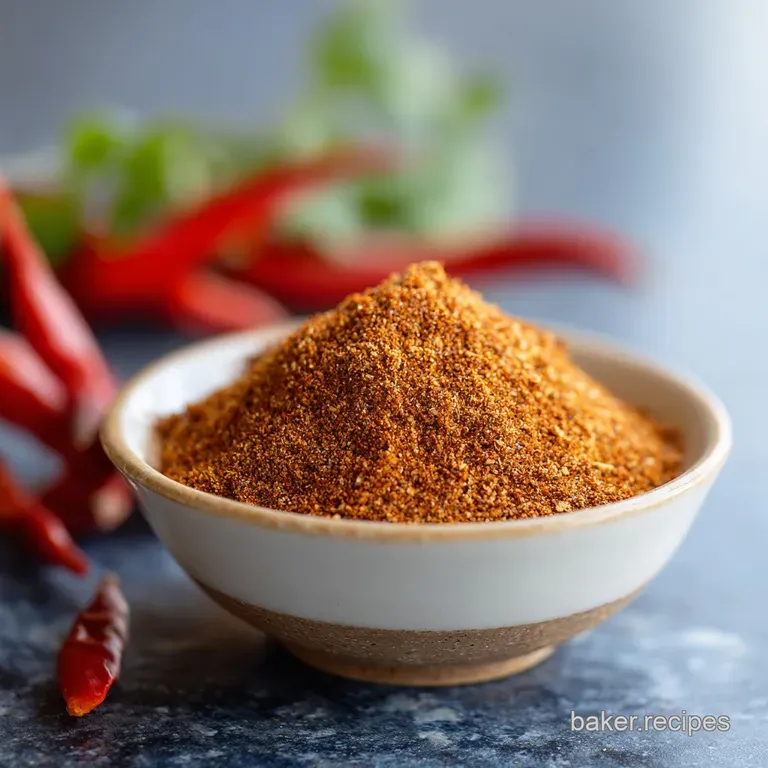
You don't need a lab to make a great fajita seasoning recipe. I usually just use a small glass bowl and a balloon whisk. The whisk is actually important because spices like garlic powder and onion powder love to clump up in the jar.
If you don't break those clumps down, you'll end up with one bite of steak that tastes like a salt lick and another that tastes like nothing.
I also highly recommend using a glass mason jar for storage. Plastic containers tend to absorb the smell of the cumin and chili powder, and honestly, the spices stay fresher much longer when they are sealed in glass.
If you're feeling fancy, a small funnel helps get the mix into the jar without making a mess of your counter.
Steps to Create the Blend
- Measure out your chili powder, smoked paprika, cumin, garlic powder, onion powder, oregano, salt, pepper, cayenne, and sugar into a clean, dry bowl.
- Use a small balloon whisk or a fork to stir the mixture. Keep whisking until no clumps of garlic or onion powder remain.Note: This ensures every tablespoon of the mix has the same flavor profile.
- Transfer the finished blend into an airtight glass mason jar. Note: Glass prevents the aromatic oils from leaching out or being absorbed.
- Seal the lid tightly and store the jar in a cool, dark place like a pantry or spice drawer.
- When you are ready to cook, shake the jar vigorously. Note: Since we aren't using anti caking agents, the heavier salt can settle at the bottom.
- For every 1 pound of protein (chicken, beef, or shrimp), measure out 2 tablespoons of the seasoning.
- Heat your skillet with a tablespoon of oil until it is shimmering.
- Add the spices to the oil for 30 seconds until they smell fragrant and slightly toasted. Note: This "blooming" technique doubles the flavor intensity.
- Immediately add your meat to the pan to coat it in the seasoned oil.
- Toss in your sliced onions and peppers once the meat has a good sear on it.
Solving Common Spice Mix Issues
Why Your Spice Mix Clumps
If you open your jar and find a solid brick of seasoning, moisture is the culprit. This often happens if you use a wet spoon to measure out your spices or if you store the jar right above the stove where steam from boiling pots can get inside.
Because this is a DIY fajita seasoning without silicon dioxide (the stuff in packets that keeps it free flowing), it's a bit more sensitive to humidity.
Why the Flavor Seems Bitter
Bitterness usually comes from two things: old spices or burnt garlic. If your cumin or chili powder has been sitting in the back of the pantry for three years, the oils have gone rancid, which tastes sharp and metallic.
Also, if you "bloom" your spices in a pan that is screaming hot for more than 30-40 seconds, the garlic powder will scorch. Burnt garlic is notoriously bitter and can ruin the whole batch.
| Problem | Root Cause | Solution |
|---|---|---|
| Gritty Texture | Salt grains too large | Pulse the final mix in a spice grinder for 3 seconds. |
| Muted Flavor | Spices are stale | Buy whole cumin seeds and toast/grind them fresh. |
| Too Much Heat | Too much cayenne | Add another 0.5 tsp of sugar to neutralize the burn. |
Common Mistakes Checklist
- ✓ Always use a completely dry measuring spoon to prevent clumping in the jar.
- ✓ Shake the jar before every single use to redistribute the heavier salt and sugar.
- ✓ Avoid storing your spice blend in direct sunlight, which bleaches the flavor out of paprika.
- ✓ Don't skip the sugar; it is the secret to getting that dark, caramelized crust on the meat.
- ✓ Pat your meat dry with paper towels before adding it to the seasoned oil to prevent steaming.
Smart Variations for Every Protein
When you're scaling this up for a party, the math is pretty easy. If you're doing a massive sheet pan for 12 people, you'll want to triple the recipe. I find that when I scale up, I like to be a bit more conservative with the salt.
You can always add a pinch of salt at the table, but you can't take it out once it's in the pan. For every pound of meat, 2 tablespoons is the "sweet spot" for a bold flavor.
If you find yourself making a huge batch of this, it's also a great way to use up those half empty spice jars. It’s a zero waste win. For another party ready favorite that uses some of these same pantry staples like garlic and onion powder, you've got to try Mamas Pimento Cheese. It’s a totally different vibe but hits that same comfort food note.
If you are cooking for a crowd with different heat tolerances, make a "base" mix without the cayenne. You can then split the batch and add the cayenne to one jar, labeling it "Spicy," while keeping the other one "Mild." It’s a simple trick that makes everyone happy at the dinner table.
Debunking Seasoning Myths
One of the biggest myths is that you need cornstarch to make the seasoning "stick" to the meat. In reality, the natural proteins in the meat and a little bit of oil are all you need. Cornstarch actually creates a barrier that prevents the spices from deeply seasoning the fibers.
By skipping it, you get a much more intense flavor.
Another myth is that you shouldn't use sugar in savory rubs. A tiny amount of sugar doesn't make the fajitas taste like dessert; it aids in the Maillard reaction. This is the chemical process that gives seared steak its delicious brown crust and complex flavor.
Without that half teaspoon of sugar, your meat might look grey and boiled rather than charred and delicious.
Proper Storage and Saving Scraps
Storage Guidelines Keep your mix in a cool, dark place. A kitchen cabinet that is far away from the oven is perfect. In a glass jar, this mix will stay potent for up to 6 months. After that, the volatile oils start to dissipate, and you'll find you need to use more of it to get the same flavor.
If you want to test if it's still good, rub a little between your fingers and smell it. If the aroma doesn't jump out at you, it's time to toss it and make a fresh batch.
Zero Waste Tips If you have small amounts of spices left in their original jars that aren't enough for a full recipe, don't throw them out! Dump them into your "house blend" fajita jar.
Even if the ratios aren't exact, those little bits of coriander, dried thyme, or even a stray pinch of cinnamon can add incredible complexity to your fajita seasoning recipe. Also, if you have whole dried chilies that are getting a bit old, toast them in a dry pan, grind them up, and add them to this mix for an incredible smoky kick.
Serving Tips for Sizzling Fajitas
To get that restaurant style sizzle, the temperature of your pan is everything. You want a heavy bottomed skillet cast iron is the gold standard here heated until it’s almost smoking. Add the oil, then the spices, and then the meat. The sound should be immediate and loud.
If it’s just a quiet hiss, your pan isn't hot enough, and you'll end up steaming the meat rather than searing it.
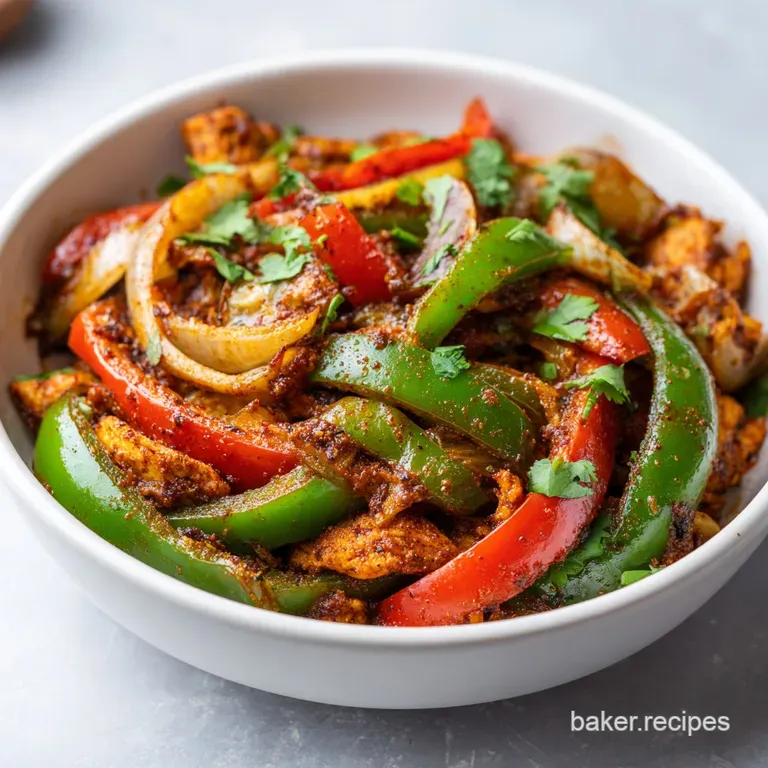
Don't forget the power of fresh acid. Right before you take the pan off the heat, squeeze half a fresh lime over everything. The juice will deglaze the pan, picking up all those toasted bits of fajita seasoning recipe and turning them into a light, bright sauce that coats every slice of pepper and onion.
Serve it with warm tortillas, a dollop of sour cream, and maybe some fresh cilantro. This simple blend turns a cheap bag of chicken breasts into a meal that feels like a celebration.
Recipe FAQs
What ingredients go into fajita seasoning?
This blend relies on ten specific pantry staples. You will need mild chili powder, smoked paprika, ground cumin, garlic powder, onion powder, dried Mexican oregano, kosher salt, freshly ground black pepper, cayenne pepper, and coconut sugar.
Are fajitas ok for diabetics?
Yes, this seasoning is suitable. It contains only a negligible amount of coconut sugar, making it a low-glycemic way to season lean proteins and fresh vegetables.
What's the difference between taco seasoning and fajita seasoning?
Fajita seasoning focuses on a brighter, smokier profile. While taco blends often lean heavily on extra cumin and thickeners like cornstarch, this fajita mix emphasizes smoked paprika and oregano to highlight the charred flavor of grilled proteins.
What do Mexican restaurants put on their fajitas?
They typically bloom the spices in hot oil. If you enjoyed learning how to toast spices here, you can apply this same flavor extraction technique to your meat sauces to deepen the overall profile.
How to make the seasoning uniform?
Whisk the dry ingredients thoroughly with a balloon whisk or fork. Continue stirring until no clumps of garlic or onion powder remain to ensure every tablespoon provides an identical flavor profile.
How to store homemade seasoning?
Transfer the mixture to an airtight glass mason jar and keep it in a cool, dark place. Because this blend lacks anti caking agents, remember to give the jar a quick shake before each use.
How to use the seasoning for cooking?
Use two tablespoons of seasoning for every pound of protein. Bloom the spices in your hot oil for exactly 30 seconds before adding your vegetables to fully release the aromatic oils.
Homemade Fajita Seasoning
Ingredients:
Instructions:
Nutrition Facts:
| Calories | 27 kcal |
|---|---|
| Protein | 1.1 g |
| Fat | 1.0 g |
| Carbs | 5.2 g |
| Fiber | 2.4 g |
| Sugar | 0.5 g |
| Sodium | 580 mg |
