Lemon Ricotta Poundcake: Dense and Tender
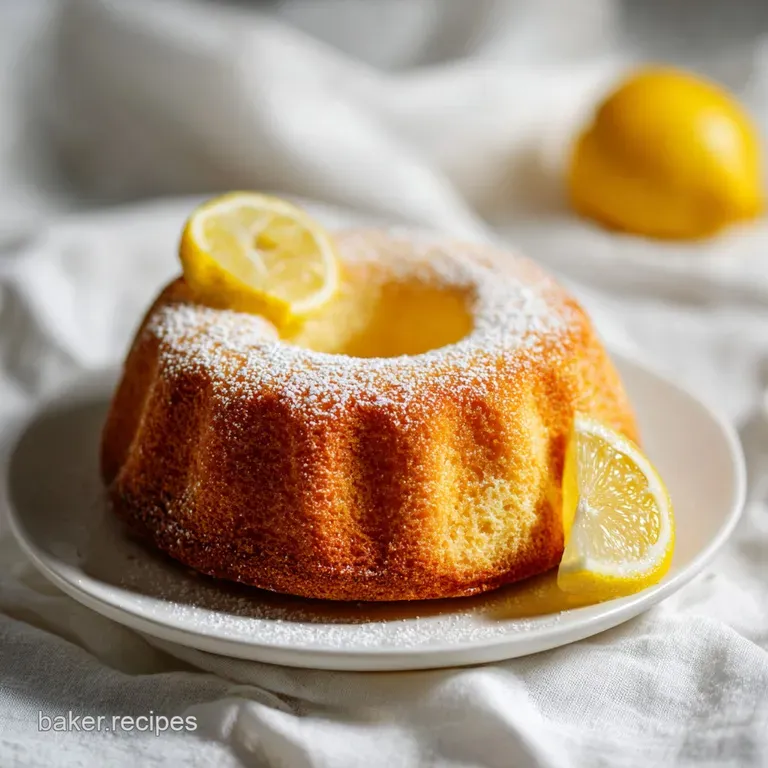
- Time: Active 20 minutes, Passive 55 minutes, Total 75 minutes
- Flavor/Texture Hook: Zesty citrus paired with a rich, buttery, and incredibly tender crumb
- Perfect for: Seasonal afternoon tea, garden parties, or a cozy weekend treat
- Making a Luscious Lemon Ricotta Poundcake
- How the Crumb Stays Velvety
- Understanding the Core Components
- Fresh Elements for Your Cake
- Step-by-Step Orchard Fresh Baking
- Fixing Common Baking Hurries
- Adjusting the Batch Size
- Debunking Traditional Baking Beliefs
- Storage and Seasonal Scraps
- Recipe FAQs
- 📝 Recipe Card
Making a Luscious Lemon Ricotta Poundcake
The first time I rubbed fresh lemon zest into granulated sugar, the aroma that hit me was a total shock. It wasn't just "lemony"; it was like standing in the middle of a sun drenched orchard during a harvest.
That bright, punchy scent immediately filled my kitchen, clinging to my fingertips and promising something much better than a standard box mix. This Lemon Ricotta Poundcake relies on that very first step to build layers of flavor that most people miss when they just toss everything into a bowl at once.
You're going to love how this cake feels. It’s not airy like a sponge or dry like some traditional loaves can be. Instead, it has this velvety, tight crumb that almost melts because of the ricotta.
I remember a friend asking if I’d used some secret custard filling because it was so moist, but no, it’s just the magic of the cheese doing the heavy lifting. We’re going for a texture that has a slight crackle on the top crust once the glaze sets, providing a beautiful contrast to the soft interior.
Honestly, don't even bother with low-fat ricotta here. I made that mistake once when I was trying to be "healthy," and the cake ended up rubbery and sad. You need that full fat, farm fresh richness to get the right mouthfeel.
We’re building flavor from the ground up, starting with those citrus oils and finishing with a glaze that’s so sharp it makes your mouth water before you even take a bite. Let’s get into why this specific method works so well for this classic bake.
How the Crumb Stays Velvety
Acid Base Tenderization: The lactic acid in the ricotta reacts slightly with the baking powder, creating tiny carbon dioxide bubbles that lift the dense batter without making it crumbly.
Sugar Rubbing: By massaging the lemon zest into the sugar grains, you're using the abrasive texture of the sugar to rupture the oil glands in the zest, releasing essential oils that would otherwise stay trapped in the peel.
Fat Based Moisture: Unlike liquid fats like oil, the solid fat in ricotta provides a creamy structure that remains stable at room temperature, preventing the cake from feeling greasy while keeping it moist.
| Thickness | Internal Temp | Rest Time | Visual Cue |
|---|---|---|---|
| 9x5 Loaf | 200°F (93°C) | 15 minutes | Deep golden top with a clean skewer |
| Standard Muffins | 195°F (90°C) | 5 minutes | Springy touch in the center |
| Bundt Cake | 205°F (96°C) | 20 minutes | Edges pull away from the pan |
It is worth noting that the internal temperature is your best friend when baking a dense loaf like this one. Because the ricotta adds so much moisture, the "toothpick test" can sometimes be a bit deceiving if you hit a tiny pocket of cheese.
Using a digital thermometer ensures you aren't pulling it out too early, which leads to that dreaded sunken middle we all want to avoid.
Understanding the Core Components
The chemistry of this Lemon Ricotta Poundcake is all about balance. We have the heavy, moisture rich ricotta playing against the structural integrity of the eggs and flour. If we didn't have the 10g of baking powder, this would essentially be a very thick cheesecake.
The powder provides the necessary lift to turn a dense batter into a sliceable, tender cake.
| Ingredient | Science Role | Pro Secret |
|---|---|---|
| Whole Milk Ricotta | Adds moisture and fat | Drain off any excess liquid before measuring to keep the hydration level consistent. |
| Granulated Sugar | Tenderizer and humectant | Rubbing the zest in first creates a "citrus sugar" that perfumes the entire crumb. |
| Unsalted Butter | Structural fat | Use European style butter with higher fat content for a silkier, more luxurious mouthfeel. |
| Large Eggs | Emulsifier | Ensure they are room temperature so they don't seize the creamed butter and ricotta. |
When you are looking for that vibrant citrus hit, the quality of your lemons matters. I always try to find Meyer lemons if they are in season because they have a floral note that is simply unbeatable. If you're a fan of those deep citrus flavors, you might also enjoy learning how to bake lemon kolaches which use a similar zest rubbing technique for their bright filling.
Fresh Elements for Your Cake
- 113g unsalted butter, room temperature: Provides the base for our creamed structure. Why this? Salt free allows total control over the seasoning of the crumb.
- Substitute: Vegan butter sticks (not tub margarine) for a dairy-free fat base.
- 250g granulated sugar: Sweetens and helps the butter aerate during the creaming stage. Why this? Fine crystals dissolve quickly into the fats.
- Substitute: Caster sugar for an even finer, smoother texture.
- 250g whole milk ricotta, full fat: The star for moisture and richness. Why this? Provides a unique, velvety density unlike milk or cream.
- Substitute: Full fat Greek yogurt (drained) for a tangier, slightly lighter finish.
- 3 large eggs, room temperature: Holds the emulsion together. Why this? Adds structure and leavening through protein coagulation.
- Substitute: 150g of silken tofu blended smooth for an egg free experiment.
- 2 tbsp fresh lemon zest: The primary source of flavor. Why this? Contains the aromatic oils that baking extracts can't replicate.
- Substitute: Lime zest for a tropical, sharper citrus profile.
- 5ml pure vanilla extract: Rounds out the sharpness of the lemon. Why this? Adds a warm back note to the bright citrus.
- Substitute: Almond extract (use half) for a more "bakery style" scent.
- 190g all purpose flour: The structural backbone. Why this? Provides enough gluten for height without being tough.
- Substitute: A 1:1 gluten-free flour blend with xanthan gum.
- 10g baking powder: The lifting agent. Why this? Necessary to lighten the heavy ricotta batter.
- Substitute: 2.5g baking soda plus 5ml lemon juice (though powder is preferred).
- 2g fine sea salt: Enhances all other flavors. Why this? Cuts through the sugar to highlight the lemon.
- Substitute: Kosher salt (use double the volume).
- 120g powdered sugar, sifted: The base for the zingy glaze. Why this? Dissolves into a smooth, opaque finish.
- Substitute: Granulated sugar melted with juice for a clear, crunchy syrup.
- 40ml fresh lemon juice: For the glaze acidity. Why this? Provides the "punch" that balances the sweet cake.
- Substitute: Apple cider vinegar (1 tbsp) mixed with water (not recommended).
- 1 tsp lemon zest for garnish: For visual appeal. Why this? Signals the flavor of the cake inside.
- Substitute: Candied lemon peel for a fancy orchard look.
step-by-step Orchard Fresh Baking
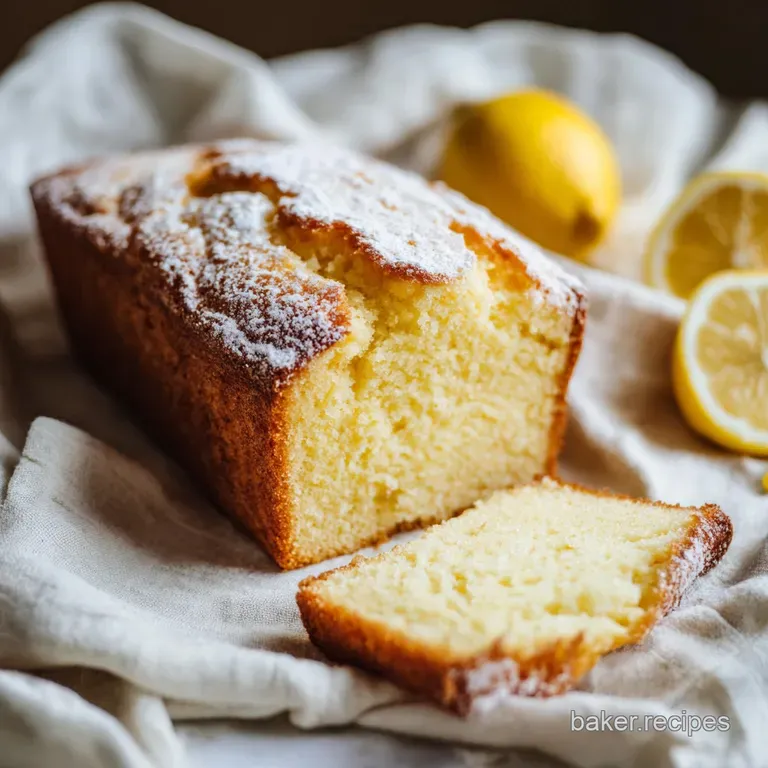
- Preheat and prep: Heat your oven to 350°F (175°C). Grease a 9x5 inch loaf pan and line with parchment paper. Note: Parchment "slings" make it easy to lift the cake out without breaking the delicate crust.
- Infuse the sugar: In a mixer bowl, combine granulated sugar and 2 tbsp lemon zest. Rub the zest into the sugar with your fingertips until the sugar looks damp and smells like a fresh orchard.
- Cream the fats: Add the softened butter to the sugar. Cream on medium high for 4–5 minutes until the mixture is pale, voluminous, and fluffy.
- Add the ricotta: Incorporate the room temperature ricotta and vanilla extract. Beat for 2 minutes until the batter is smooth and fully integrated.
- Emulsify the eggs: Add eggs one at a time, beating well after each addition until the batter looks silky and no longer curdled.
- Sift and combine: Sift together flour, baking powder, and salt. Gently fold the dry ingredients into the wet batter until just combined and no streaks of flour remain. Note: Overmixing here will develop too much gluten, making the cake tough.
- Bake the loaf: Pour batter into the prepared pan and bake for 50-55 minutes until a skewer comes out clean and the top is golden brown.
- Prepare the glaze: Whisk powdered sugar and 40ml lemon juice until you have a thick, pourable consistency.
- Cool and finish: Let the cake cool completely in the pan before lifting it out. Pour the glaze over the top and garnish until the zest is evenly distributed.
Fixing Common Baking Hurries
A common issue I see with this Lemon Ricotta Poundcake is the "soggy bottom" or a center that just won't cook. Usually, this happens because the ricotta was too wet. If you see a lot of liquid sitting on top of your cheese in the container, please, for the love of all things buttery, drain it off.
I like to let mine sit in a fine mesh sieve for 10 minutes before I start my prep. It makes a world of difference in the final structure.
Another thing to watch for is the "over browning" on the edges while the middle is still raw. This usually means your oven is running a bit hot. If you notice the top getting dark at the 30 minute mark, just loosely tent some foil over the pan. This allows the center to keep cooking without burning the exterior.
| Problem | Root Cause | Solution |
|---|---|---|
| Sunken Center | Too much air beaten into the eggs or underbaking. | Beat eggs just until mixed and use a thermometer to check for 200°F (93°C). |
| Dense/Gummy Base | Ricotta was too watery or ingredients were cold. | Drain the ricotta and ensure all dairy is at room temperature before mixing. |
| Dry Crumb | Overbaking or too much flour. | Measure flour by weight (190g) and start checking doneness at 50 minutes. |
Common Mistakes Checklist
- ✓ Use full fat ricotta only; low-fat versions contain too much water and fillers.
- ✓ Ensure eggs are at room temperature to prevent the butter from seizing.
- ✓ Don't skip the "rubbing the zest" step; it’s where 80% of the flavor lives.
- ✓ Sift your dry ingredients to avoid clumps of baking powder in the dense batter.
- ✓ Let the cake cool completely before glazing, or the glaze will just soak in and disappear.
- ✓ Use a parchment paper sling to avoid damaging the sides of the cake during removal.
Adjusting the Batch Size
If you're baking for a larger crowd, doubling this recipe is fairly straightforward, but you’ll want to be careful with the leavening agents. For a double batch, I typically recommend only using 1.5 times the salt and spices to keep the flavors from becoming overwhelming.
You'll also need to work in batches if your stand mixer is on the smaller side, as this batter is quite heavy.
For a smaller household, you can easily halve this recipe. When you get to the eggs, since it calls for 3, just beat one egg in a small bowl and use half of it (about 25g) along with one other whole egg.
Use a smaller 8x4 inch loaf pan and start checking the bake time about 10 minutes earlier than the original recipe suggests.
| Method | Time | Texture | Best For |
|---|---|---|---|
| Standard Oven | 55 minutes | Even, golden crust | Traditional finish and height |
| Stovetop (Dutch Oven) | 65 minutes | Softer, steamier crust | Keeping the kitchen cool in summer |
| Air Fryer | 40 minutes | Very crispy exterior | Small batches/individual portions |
If you find yourself with extra berries from the garden, you might want to try an Easy Homemade Berry Upside Down Cake as a seasonal companion to this citrus loaf. The two look beautiful served side-by-side at a brunch.
Debunking Traditional Baking Beliefs
One myth that needs to go is that you should "always cream butter and sugar for 10 minutes." For this specific Ricotta Poundcake, 4-5 minutes is the sweet spot.
If you go too long, you incorporate too much air, which will cause the cake to rise aggressively in the oven and then collapse as it cools. We want a dense, tight crumb, not a sponge cake.
Another misconception is that the "glaze is just for decoration." In this recipe, the glaze provides the necessary acid punch to balance the high fat content of the ricotta. Without it, the cake can taste a bit one note.
Think of the glaze as the final "layer" of flavor that brings the whole orchard experience together.
Storage and Seasonal Scraps
This cake is a rare breed because it actually tastes better on day two. The moisture from the ricotta migrates through the crumb, and the lemon oils have more time to perfume the batter. Keep it in an airtight container at room temperature for up to 3 days.
If you want it to last longer, the fridge will give you about a week, though the butter will firm up, so I’d suggest letting a slice sit out for 20 minutes before eating.
For freezing, this cake handles it like a champ. Wrap individual slices in plastic wrap and then foil. They’ll stay fresh for up to 3 months. To reheat, just a quick 15 second zap in the microwave makes it taste like it just came out of the oven.
Don't throw away those squeezed lemon halves! You can toss them into a jar of white vinegar for a few weeks to make a natural, citrus scented kitchen cleaner, or zest them completely before juicing and freeze the zest in a small bag for future bakes.
If you have leftover ricotta, it works beautifully as a base for a savory toast with herbs, ensuring nothing from your farm fresh haul goes to waste. Each layer of this process, from the zest to the scraps, celebrates the harvest in the best way possible.
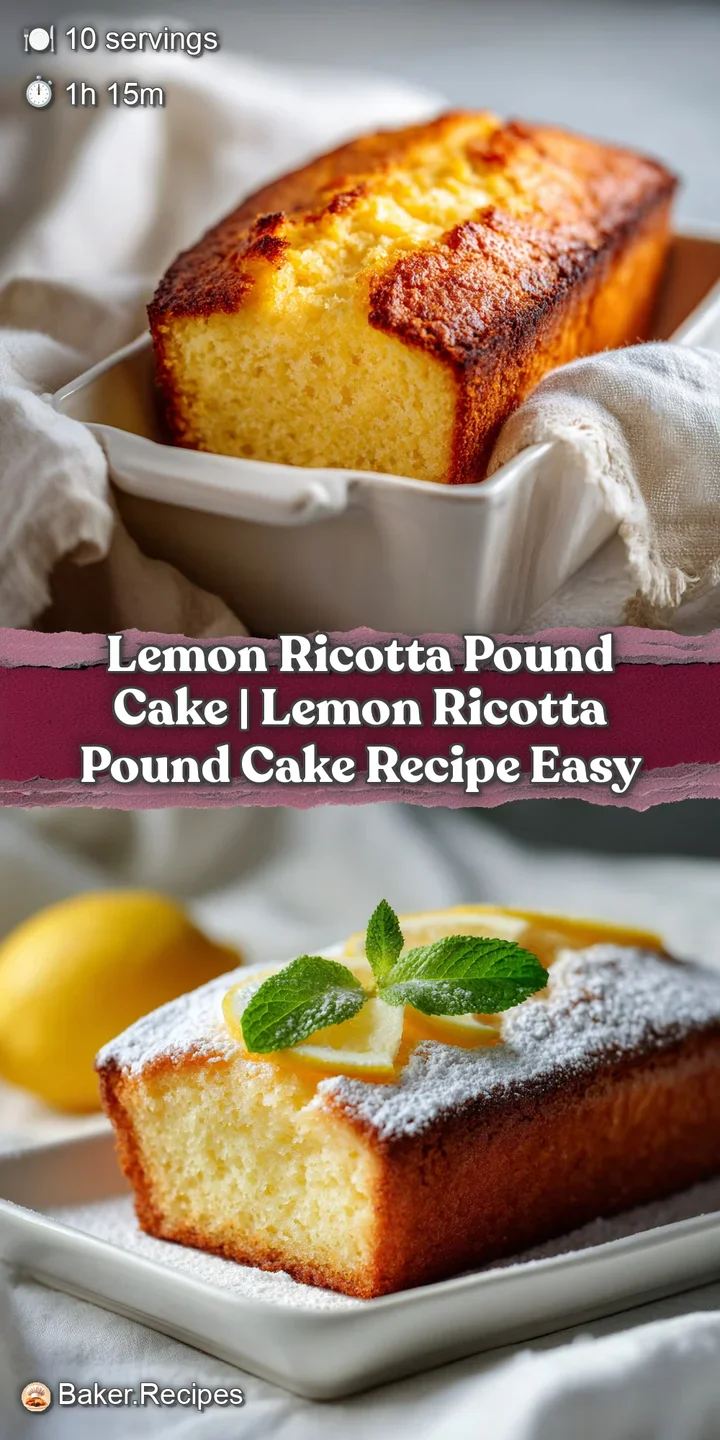
Recipe FAQs
How to ensure the lemon flavor is as intense as possible?
Rub the lemon zest directly into the sugar with your fingertips until the sugar feels damp and smells fragrant. This technique releases the aromatic oils from the zest into the sugar base, ensuring the flavor permeates the entire cake.
Is it necessary to use full fat ricotta for this recipe?
Yes, always use full fat whole milk ricotta. low-fat versions contain excess water and stabilizers that can ruin the texture and result in a soggy, dense cake.
How to store the cake so it stays moist?
Keep it in an airtight container at room temperature for up to three days. If you need to store it for longer, you can move it to the fridge for up to a week, though you should let each slice sit at room temperature for 20 minutes before serving to soften the butter.
Why is my cake batter curdling when I add the eggs?
The ingredients were likely at different temperatures. Ensure your butter, eggs, and ricotta are all at room temperature before you start; if you enjoyed mastering this emulsification technique here, you will find it crucial for achieving a stable batter in many other butter based cakes.
How to tell when the cake is fully baked?
Insert a skewer into the center and check that it comes out clean. The total bake time is 50-55 minutes at 350°F (175°C), but checking for a clean skewer is the most reliable way to confirm the internal structure is set.
Is it true I can use a stand-in for the lemon juice in the glaze?
No, this is a common misconception. You must use fresh lemon juice to achieve the correct acidity and consistency for the glaze; using other liquids will alter the flavor profile and may prevent the glaze from setting properly.
How to remove the cake from the pan without it breaking?
Line your 9x5 inch loaf pan with a parchment paper "sling" before pouring in the batter. This allows you to lift the cooled cake out easily by the handles, keeping the delicate sides intact.
Lemon Ricotta Poundcake
Ingredients:
Instructions:
Nutrition Facts:
| Calories | 362 calories |
|---|---|
| Protein | 6.7g |
| Fat | 14.1g |
| Carbs | 52.8g |
| Fiber | 0.5g |
| Sugar | 37.7g |
| Sodium | 203mg |
