Mapleglazed Autumn Harvest Traybake a Squash and Root Vegetable Triumph
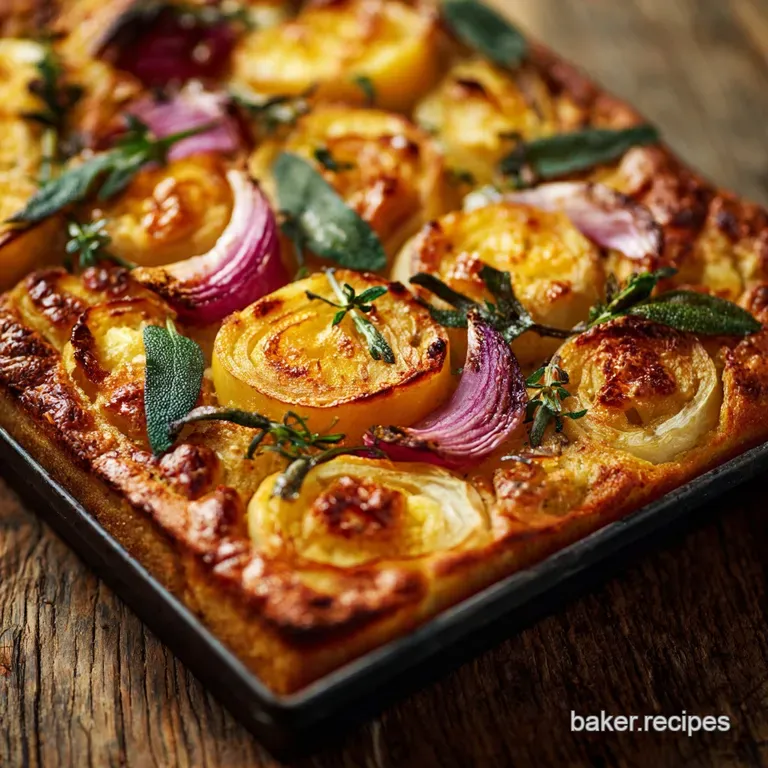
- Harnessing the Peak Flavors: Your Seasonal Produce Guide October Dinner
- Mastering the Art of Autumn Comfort Food
- Curating Your October Harvest Basket: Essential Vegetables
- Equipment Checklist for the Ultimate Roasting Experience
- Step-by-Step Guide to the Perfect Autumn Traybake
- Roasting Mastery: Temperatures and Timing for Tender Results
- Expanding Your Menu: More Ideas from the Seasonal Produce Guide October
- Pairing Perfection: What to Serve Alongside Your Traybake
- Elevating Your October Cooking: Nutrition and Efficiency Tips
- Recipe FAQs
- 📝 Recipe Card
Harnessing the Peak Flavors: Your Seasonal Produce Guide October Dinner
October stands as the undisputed champion of the harvest season, delivering an abundance of hearty, flavorful roots and gourds perfect for transforming into deeply comforting dishes.
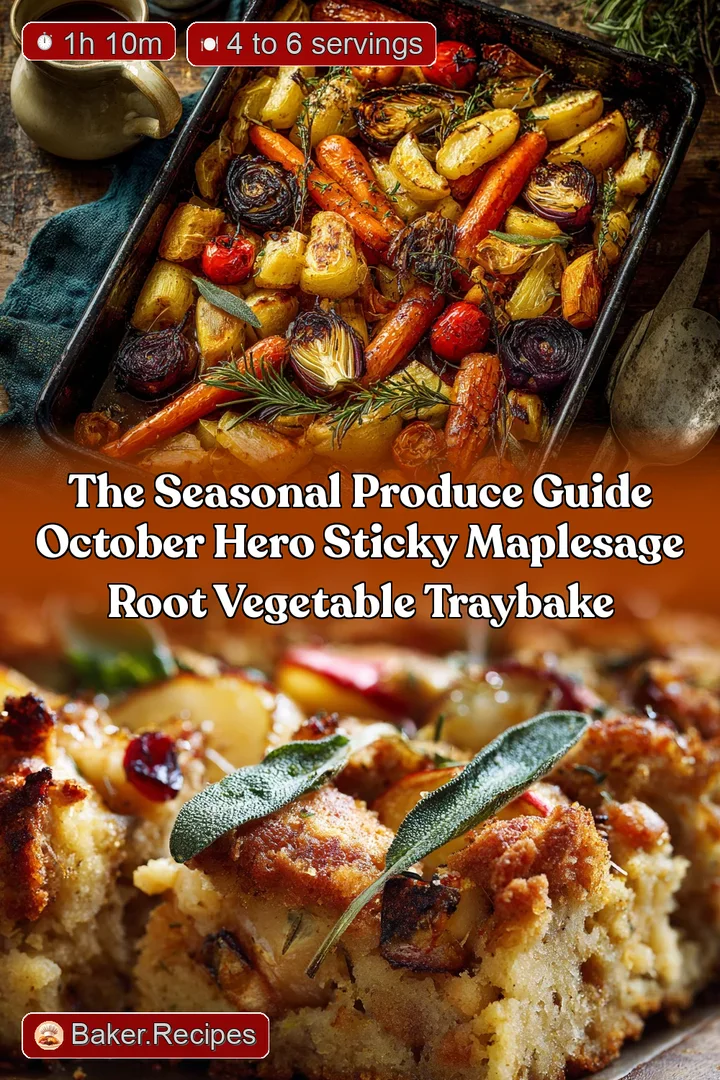
This recipe, the Maple Glazed Autumn Harvest Traybake, is designed not just to utilize these seasonal ingredients but to celebrate them, fusing sweet, earthy, and aromatic notes into a spectacular side dish or a robust vegetarian main.
It is the ultimate expression of simplicity meeting sophisticated flavor, capturing the essence of the seasonal produce guide october by combining the creamy texture of butternut squash with the grounding taste of parsnips and the sharp tang of fresh apple, all pulled together by a sticky, fragrant glaze.
Mastering the Art of Autumn Comfort Food
True comfort food should warm the soul without taxing the cook, and this approach minimizes fuss while maximizing flavor. The magic lies in the uniform heat distribution of the oven and the chemical reaction achieved when sugars meet high temperatures.
Why the Traybake Technique is Your Autumn Weeknight Hero
The traybake method is fundamentally efficient. It requires little attention once the initial preparation is complete and is a huge boon for minimal cleanup. By utilizing a standard half sheet pan (approximately 18x13 inches) lined with parchment paper, we ensure that the vegetables have enough breathing room to caramelize beautifully rather than steam.
This technique allows the exterior of the roots to crisp up and develop deep, savory notes, which is crucial for achieving that superior roasted texture.
The Magic Behind the Maple Sage Glaze
The success of this dish hinges on its signature Maple Sage Glaze. This is far more than simple seasoning; it is an emulsified blend of pure maple syrup (preferably a dark, robust grade for depth), apple cider vinegar, and earthy fresh sage.
The maple delivers the requisite sweetness and encourages rapid browning, while the apple cider vinegar provides an essential acid counterpoint, preventing the final dish from becoming cloyingly sweet.
The sage infuses the vegetables as they roast, yielding a savory, woodsy aroma that is synonymous with cool weather cooking.
Understanding the Medium Difficulty: Prep vs. Cook Time
While the total time clocks in between 65 to 70 minutes, the vast majority of this duration is passive oven time. The dish is rated Medium not due to complex steps, but because of the required knife skills.
The 25 minutes of active preparation time is critical for carefully peeling and dicing dense ingredients like the butternut squash. To ensure the final outcome is perfectly cooked tender but not mushy the vegetables must be cut into precise, uniform sizes, a task that demands focus and a sturdy cutting board.
Curating Your October Harvest Basket: Essential Vegetables
The foundation of this seasonal masterpiece is built upon three pillars of October abundance. We start with approximately 900 grams of creamy butternut squash, which lends a deep sweetness and buttery texture.
Next are the earthy parsnips (about 450 grams), whose density and subtle spice profile stand up beautifully to the heavy glaze. Finally, a large red onion, quartered, provides a pungent counterpoint that sweetens and mellows as it roasts, adding necessary depth to the overall profile.
Equipment Checklist for the Ultimate Roasting Experience
A successful roast relies as much on high-quality ingredients as it does on having the right tools for preparation and execution.
Selecting the Perfect Butternut and Parsnip
When selecting your roots, choose firm, unblemished specimens. The butternut squash should feel heavy for its size, indicating high moisture content, and the parsnips should be firm and pale, ideally with thinner ends to ensure quick, uniform cooking once diced.
You will also need one large, tart apple a Bramley or Granny Smith is ideal to be used later in the process.
Unexpected Addition: Introducing Tart Apple for Balance
The addition of a single, roughly chopped tart apple (skin on, cored) provides a delightful surprise. Apples are typically harvested alongside root vegetables in the seasonal produce guide october , but their role here is purely structural and flavor driven.
The acidity cuts through the richness of the maple and the density of the root vegetables, adding a light, fruity bite that prevents the dish from feeling heavy.
Precision Cutting: Tools to Master Root Vegetable Prep
Given the required uniformity of the diced vegetables, a large, well sharpened Chef’s knife is non-negotiable. Root vegetable prep also necessitates a robust peeler, especially for removing the tough skin from the butternut squash and the sometimes waxy coating on parsnips.
Remember, we are aiming for 1 inch cubes for the squash and slightly smaller 1/2 inch cubes for the denser parsnips to compensate for differing cooking times.
Building the Sticky Glaze: Pantry Staples Required
The glaze itself requires simple, standard pantry items: 60 ml of quality maple syrup, 30 ml of apple cider vinegar (or balsamic for a deeper color), and enough extra virgin olive oil (4 tablespoons total) to coat the vegetables and assist in caramelization.
Crucially, gather 15 to 20 fresh sage leaves, which should be used whole or roughly chopped to best release their essential oils during the heat of the oven.
Related Recipes Worth Trying
- Easy Homemade Berry UpsideDown Cake Recipe Seasonal Bake — Forget pineapple This easy Berry UpsideDown Cake recipe delivers glossy jeweled berries baked over a buttery caramel A true summer showstopper Get the...
- Perfect Turkey How Long Does It Take My Roast Turkey Guide — Worried how long does it take to roast a perfect turkey Fear not This foolproof guide guarantees juicy results every time Includes turkey cook time per...
- Foolproof turkey cook time My Juicy Roast Turkey Guide — Nailing the turkey cook time This roast turkey recipe guarantees a juicy flavorful bird every time Get my tips for a perfect Thanksgiving or Christmas dinner
step-by-step Guide to the Perfect Autumn Traybake
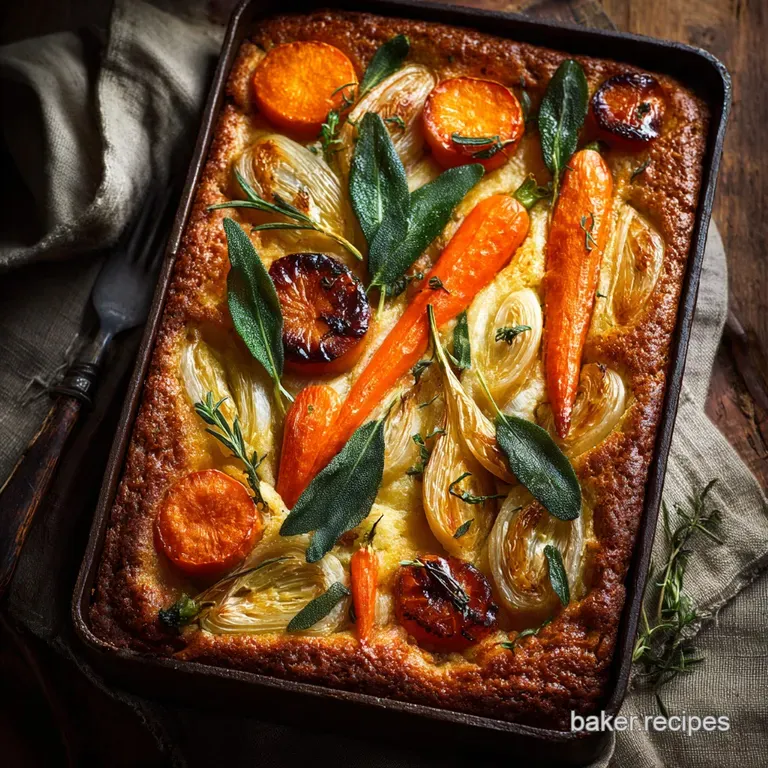
Execution is simple, provided the timing is respected. The process involves three distinct stages: initial prep and glaze application, high heat roasting of the dense roots, and the final inclusion of the more delicate ingredients and the reserved glaze.
This staging ensures everything reaches tender, caramelized perfection simultaneously. We start by preheating the oven to a hot 200°C (400°F) and lining our baking sheet. The dense roots are tossed with three quarters of the maple glaze before their initial 20-minute head start, allowing them to soften before the apples and sage are introduced.
Roasting Mastery: Temperatures and Timing for Tender Results
Achieving that perfect balance of tenderness inside and crisp, sticky exterior is dependent on maintaining a consistently high oven temperature throughout the 40 to 45 minutes of cooking time.
Stage One: The Precision Chop and Vegetable Prep
After the oven reaches temperature, the first key step is to combine the diced squash, parsnips, and red onion in a large mixing bowl. The deliberate size difference the 1 inch squash cubes and 1/2 inch parsnips is paramount for even cooking. Once combined, they are ready for the initial glaze application.
Stage Two: Achieving Uniform Maple Glaze Coverage
Prepare the glaze by whisking the maple syrup, vinegar, three tablespoons of olive oil, and the seasonings in a separate small bowl. Pouring this mixture over the roots and tossing vigorously ensures every surface is coated; this is critical for promoting widespread caramelization.
Remember to set aside the remaining quarter of the glaze for the final, glossy finish. Spread the coated roots onto the prepared baking sheet in a single layer to ensure proper air circulation.
Mid-Roast Rotation: Ensuring Caramelization, Not Burning
The initial roast runs for 20 minutes, giving the hard roots a significant head start. When the time is up, pull the tray out. This is the moment to introduce the chopped apples and the whole sage leaves, which have been tossed separately with the final tablespoon of olive oil.
Distribute them evenly, toss the whole pan gently to redistribute the ingredients, and return it to the oven for a further 15 to 20 minutes. Once the roots are tender and the edges of the squash are browned, drizzle the reserved glaze over the top and bake for one final, intense five minute burst to create a magnificent, sticky crust.
Expanding Your Menu: More Ideas from the Seasonal Produce Guide October
While this traybake serves as a stunning center point, the bounty of the seasonal produce guide october offers numerous opportunities for menu expansion. You can easily adapt this core preparation method roasting with a sweet, acidic glaze to other compatible autumnal ingredients.
Consider substituting sweet potato or carnival squash for the butternut, or using celeriac or carrots in place of parsnips. On top of that,, adding smoked paprika or a pinch of cayenne pepper to the glaze offers a warming, smoky depth that complements the sweetness beautifully.
Pairing Perfection: What to Serve Alongside Your Traybake
This deeply flavored, rich dish requires thoughtful pairing to ensure a balanced meal. The sweetness and inherent earthiness of the traybake make it a versatile companion. Serve it alongside a beautifully slow roasted pork tenderloin, which benefits from the sweetness, or pair it with pan-seared chicken breast finished simply with thyme and butter.
To cut through the richness, a simple, bright green salad dressed with a sharp lemon vinaigrette provides the perfect counterpoint. Beverage wise, a crisp, dry cider echoes the apple notes, while a light to medium bodied Pinot Noir complements the earthy sage and root vegetables exquisitely.
Elevating Your October Cooking: Nutrition and Efficiency Tips
Maximizing flavor and minimizing waste are hallmarks of expert autumn cooking.
Recipe Variations: Swapping out Vegetables and Herbs
Flexibility is key to seasonal cooking. If parsnips are unavailable, carrots or small, diced potatoes (ensuring they are cut to the same small size as the parsnips) work well. For those seeking texture, stirring in toasted pumpkin seeds (pepitas) or walnuts during the final glazing step adds a delightful crunch and enhances the nutritional profile.
Optimal Storage and Reheating Techniques
Leftovers of this Maple Glazed Autumn Harvest Traybake store well in an airtight container for up to four days in the refrigerator. For the best reheating results, avoid the microwave, which causes steaming.
Instead, spread the leftovers in a single layer on a sheet pan and reheat in a hot oven (180°C/350°F) for 10 to 15 minutes. This ensures the caramelized edges crisp back up beautifully.
Making it a Main Course: Protein and Grain Integrations
Transforming this side dish into a substantial main course is straightforward. Incorporate protein directly into the traybake by adding approximately 450 grams of sliced high-quality pork or chicken sausage alongside the root vegetables during the initial 20-minute roasting stage.
Alternatively, serve the finished traybake topped with crumbled goat cheese or cubes of Halloumi (roasted separately) or layered over a bed of nutritious grains like quinoa or farro to create a truly filling vegetarian meal.
Nutritional Breakdown: Benefits of Root Vegetables
This traybake offers more than just comfort; it delivers significant nutritional value. Excluding optional cheese toppings, each serving provides roughly 260 kcal and is notably high in dietary fiber (about 7 grams per serving), thanks primarily to the dense root vegetables.
Butternut squash is an excellent source of Vitamin A, while the parsnips contribute essential Vitamin K and folate, making this a delicious and powerfully nutritious way to enjoy the very best of the season.
Recipe FAQs
Why do my vegetables always cook unevenly in traybakes, and how do I avoid that soggy bottom?
Ah, the classic traybake conundrum! The key is uniformity of size, tailored to the density of the vegetable. Hard roots like parsnips need to be chopped slightly smaller (half an inch) than the softer squash (one inch) to ensure they finish cooking at the same time.
Crucially, don't overcrowd the pan; if they are too close together, they’ll steam rather than roast, leaving you with that dreaded soggy bottom instead of glorious caramelisation.
What other brilliant vegetables from the seasonal produce guide october could I include in this traybake?
October is the absolute sweet spot for root vegetables, so you have plenty of brilliant options! Try swapping in celeriac (celery root) or chunks of sweet potato for the squash. If you’re keen on adding greens, toss in thick ribbons of kale or halved Brussels sprouts during the last 10-15 minutes of roasting for an extra earthy depth and a lovely texture contrast.
They’ll crisp up nicely without wilting too soon.
Can I prep the vegetables for this traybake ahead of time, like the night before?
Absolutely, you can be clever and prep the majority of the chopping early it’s a proper boon for busy cooks! Dice all your root vegetables (squash, parsnips, onion) and store them together in an airtight container in the fridge overnight.
However, hold off on adding the maple glaze until literally moments before they go into the oven, as the salt and sugar can draw out moisture and ruin that crisp texture you’re aiming for.
What’s the secret to getting beautiful, crispy, non-burnt fresh sage leaves?
It’s all down to timing, old bean! Sage is quite delicate, and adding it at the beginning of a high heat roast guarantees it will turn into bitter charcoal before the roots are tender.
By mixing the fresh sage in halfway through (during the last 20 minutes with the apples), the leaves crisp up perfectly, releasing their gorgeous aroma without tasting burnt or becoming brittle.
I don’t have maple syrup. What’s a good substitute for the glaze?
Not to worry, you can easily swap the maple syrup for runny honey, which offers a similar sticky sweetness and depth of flavour. Alternatively, dissolve a quarter cup of dark brown sugar in a tablespoon of hot water and use that liquid in the glaze mixture.
You could also try swapping the apple cider vinegar for balsamic to add another layer of autumnal richness to the coating.
October Seasonal Harvest Traybake
Ingredients:
Instructions:
Nutrition Facts:
| Calories | 864 kcal |
|---|---|
| Protein | 13.7 g |
| Fat | 13.1 g |
| Carbs | 45.4 g |
| Fiber | 19.3 g |
| Sodium | 9944 mg |
