Baked Salmon with Parmesan Herb Crust
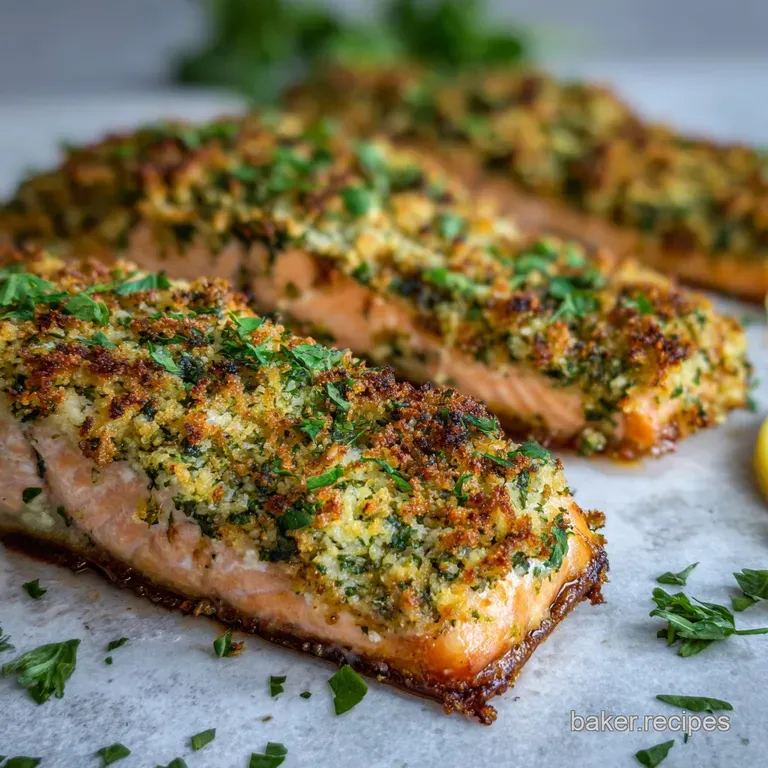
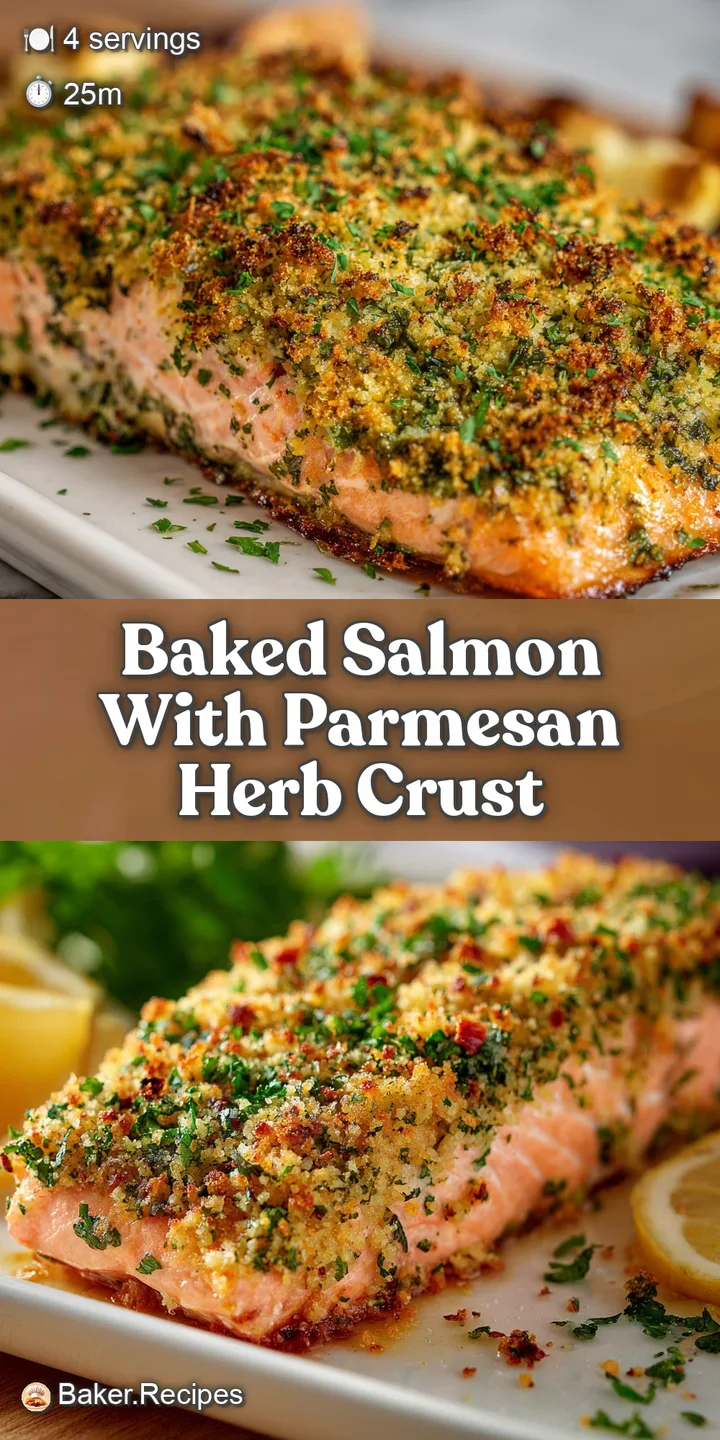
- Time: Active 10 minutes, Passive 15 minutes, Total 25 minutes
- Flavor/Texture Hook: A shattering panko parmesan topping over velvety, melt in-your mouth fillets.
- Perfect for: Stress free weeknight dinners or impressive but low effort entertaining.
- Make Great Baked Salmon with Parmesan Herb Crust
- The Physics of the Perfect Fish Crunch
- Component Analysis for Salmon Success
- Pantry Essentials for a Golden Topping
- Essential Tools for Low Mess Cooking
- The Step-by-Step Path to Golden Crusts
- Fixing Common Salmon Cooking Errors
- Simple Swaps for Different Diets
- Decoding Kitchen Myths
- Smart Strategies for Keeping Leftovers Fresh
- Completing the Meal with Side Dishes
- Recipe FAQs
- 📝 Recipe Card
Make Great Baked Salmon with Parmesan Herb Crust
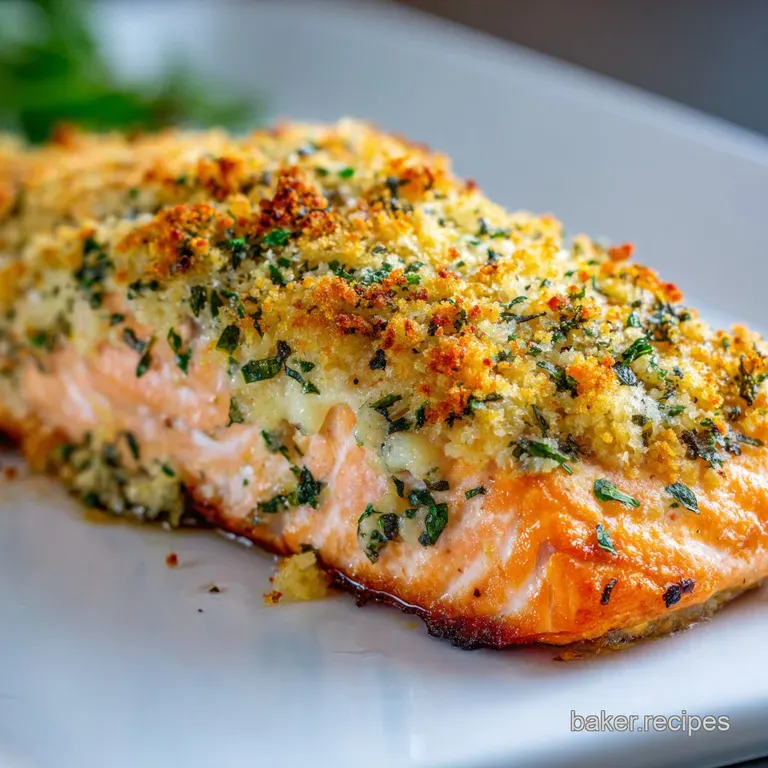
The second those fillets hit the oven, the kitchen fills with the sharp, salty aroma of toasted parmesan and the earthy, garden fresh scent of dried dill. It’s that specific sizzle when the melted butter interacts with the panko that tells you dinner is going to be special.
I remember the first time I tried a version of this; I made the mistake of just piling breadcrumbs on top of wet fish, and they turned into a soggy, sad paste.
Learning the hard way taught me that the secret isn't just in the ingredients, but in the architecture of the crust. You need a binder that adds flavor without making the breadcrumbs mushy. Once I figured out that a thin layer of Dijon mustard acts as the ultimate "glue," everything changed.
This recipe is now my go to when I want a meal that looks like I spent an hour in the kitchen, even though I mostly just sat on the couch while the oven did the heavy lifting.
We aren't just making dinner here; we’re playing with textures that make every bite interesting. The "shatter" of the panko against the tender, pink meat of the salmon is something you’ll find yourself craving. It’s reliable, fast, and uses tools you already have in your drawer.
Let's get into why this method actually works every single time.
The Physics of the Perfect Fish Crunch
Understanding how heat interacts with moisture is the key to preventing that dreaded "boiled fish" texture. When we bake salmon, we are essentially managing the release of internal juices while trying to dehydrate the surface to achieve a crisp finish.
It’s a delicate balance that relies on a few specific chemical reactions.
- Protein Denaturation: Gentle heat at 400°F uncoils the salmon proteins slowly, preventing the muscle fibers from tightening too quickly and squeezing out all the moisture.
- Emulsified Adhesion: The Dijon mustard acts as a bridge between the lean fish and the fatty crust, preventing the topping from sliding off as the fish releases steam.
- The Maillard Reaction: High heat transforms the parmesan and panko into a complex, nutty crust by rearranging sugars and amino acids into aromatic compounds.
- Thermal Insulation: The thick layer of panko acts as a heat shield, protecting the top of the delicate salmon from drying out while it cooks through.
For a Shattering, Never Soggy Crust
The biggest enemy of a good crust is moisture. If the salmon is wet when you apply the binder, the steam will trapped between the fish and the crumbs, leading to a "steamed" coating. By patting the fish bone dry, you allow the oil and mustard to form a true seal.
This ensures the panko stays dry enough to crisp up rather than absorbing the fish’s natural juices.
The Insulation Effect
Think of the parmesan and panko as a cozy blanket. Salmon is prone to overcooking because it’s a lean protein. The crust slows down the heat transfer to the top of the fillet, which is the most exposed part.
This means the interior can reach that perfect, translucent pink stage without the exterior becoming tough or rubbery.
| Thickness | Internal Temp | Rest Time | Visual Cue |
|---|---|---|---|
| 0.5 inch | 145°F | 2 mins | Opaque and easily flaked |
| 1 inch | 145°F | 3 mins | Pink center turns pale |
| 1.5 inches | 145°F | 5 mins | Side fibers begin to separate |
Before we start measuring our spices, it is helpful to look at how each component contributes to the final structural integrity of the dish.
Component Analysis for Salmon Success
| Ingredient | Science Role | Pro Secret |
|---|---|---|
| Panko Breadcrumbs | Textural Matrix | Use Japanese style panko for larger air pockets and a louder "crunch." |
| Parmesan Cheese | Umami Binder | Grate it fresh; pre shredded cheese has anti caking agents that prevent melting. |
| Dijon Mustard | Surfactant Glue | It contains vinegar which cuts through the fatty richness of the salmon. |
| Melted Butter | Thermal Conductor | Fat carries the heat into the panko, ensuring even browning throughout. |
Selecting the right ingredients isn't about spending the most money; it's about choosing the versions that behave correctly under heat. For example, using regular breadcrumbs instead of panko will result in a much denser, heavier topping that lacks that signature "snap."
Pantry Essentials for a Golden Topping
For this recipe, we are using the official measurements to ensure the ratio of crust to fish is balanced. You don't want the topping to overwhelm the salmon, but you also don't want it so thin that it disappears.
- 4 (6 oz) salmon fillets: Look for center cut pieces for even cooking.
- Substitute: Steelhead trout works beautifully here with almost no flavor change.
- 1 tsp olive oil: Used to coat the bottom of the pan and the fish skin.
- Substitute: Avocado oil or any neutral oil with a high smoke point.
- 0.5 tsp salt & 0.25 tsp black pepper: Essential for basic seasoning.
- Substitute: Sea salt or kosher salt both work well.
- 0.5 cup panko breadcrumbs: These provide the structural "shatter." Why this? Panko is fluffier and airier than standard crumbs, leading to a better crunch.
- 0.25 cup grated parmesan cheese: Adds saltiness and helps the crumbs brown.
- Substitute: Pecorino Romano for a sharper, saltier kick.
- 2 tbsp fresh parsley, minced: Adds a pop of color and freshness.
- Substitute: Fresh cilantro if you want a more citrusy profile.
- 1 tsp dried dill: The classic pairing for salmon. Why this? Dried dill is more concentrated than fresh, standing up better to high oven heat.
- 0.5 tsp garlic powder: Adds depth without the risk of burning fresh garlic.
- Substitute: Onion powder for a sweeter, milder savory note.
- 2 tbsp unsalted butter, melted: The vehicle for browning and flavor.
- Substitute: Ghee or clarified butter for a nuttier, more intense flavor.
- 1 tbsp Dijon mustard: The "glue" that holds the crust to the fish.
- Substitute: Whole grain mustard for a more rustic, textured appearance.
Essential Tools for Low Mess Cooking
I’m a big fan of minimal cleanup, so I always reach for a rimmed baking sheet lined with parchment paper. This prevents the salmon skin from sticking and makes the "after dinner" part of your life much easier. You don't need a fancy fish spatula, though it helps; a regular wide turner will do.
A small mixing bowl is necessary for the topping. I prefer a glass one so I can see if the butter is evenly distributed among the crumbs. You'll also want a pastry brush for the mustard, though if you're like me and hate washing brushes, the back of a spoon works just as well.
Trust me, the salmon won't know the difference.
Finally,, if you really want to be precise, an instant read thermometer is your best friend. It’s the difference between "is it done yet?" and knowing exactly when to pull it out. Salmon can go from velvety to dry in about 90 seconds, so having that data is a lifesaver.
The step-by-step Path to Golden Crusts
- Preheat the oven to 400°F. Note: A hot oven is crucial for immediate browning of the crust before the fish overcooks.
- Pat the 4 salmon fillets dry with paper towels.Look for a matte surface to ensure the mustard sticks properly.
- Lightly grease a baking sheet with 1 tsp olive oil. Place the salmon skin side down on the prepared sheet.
- Season the tops of the fillets with 0.5 tsp salt and 0.25 tsp pepper.
- Mix the topping. In a small bowl, combine 0.5 cup panko, 0.25 cup parmesan, 2 tbsp parsley, 1 tsp dill, and 0.5 tsp garlic powder.
- Incorporate the butter. Drizzle 2 tbsp melted butter over the panko mixture and stir until it looks like wet sand.
- Apply the binder. Spread 1 tbsp Dijon mustard evenly over the top of each fillet. Note: This creates the moisture barrier.
- Press the crust. Spoon the panko mixture onto the mustard coated salmon and gently press with your fingers so it adheres.
- Bake for 12-15 minutes.The crust should be golden brown and the fish should flake easily with a fork at its thickest part.
- Rest before serving. Let the fish sit for 3 minutes to allow the juices to redistribute.
Fixing Common Salmon Cooking Errors
Sometimes things don't go exactly to plan, usually because of variations in oven temperature or the thickness of the fish. If your crust is browning too fast but the fish is still raw in the middle, simply tent a piece of foil over the top.
This reflects the direct heat away from the panko while allowing the ambient heat to finish the salmon.
Why Your Salmon Crust Is Soggy
If you find that your topping is more of a paste than a crunch, it usually comes down to one of two things: either the fish wasn't dried properly, or you used too much butter in the mix. Steam is the enemy of the crunch.
If the fish is releasing too much moisture from the top, it saturates the breadcrumbs from the bottom up.
Dealing with "White Stuff" (Albumin)
That white goo that sometimes leaks out of salmon is called albumin. It’s perfectly safe to eat, but it can look a bit messy. It happens when the muscle fibers contract too quickly and push the protein out to the surface.
To minimize this, don't overcook the fish and try to avoid drastic temperature swings (let the fish sit out of the fridge for 10 minutes before cooking).
| Problem | Root Cause | Solution |
|---|---|---|
| Topping won't stick | Surface too wet | Pat fish dry; use more Dijon as a binder |
| Crust is burnt, fish raw | Oven rack too high | Move rack to center; tent with foil |
| Fish is dry/chalky | Internal temp too high | Pull fish out at 140°F; it will hit 145°F while resting |
Common Mistakes Checklist
- ✓ Forgot to pat the fish dry (results in a sliding crust)
- ✓ Using "fine" breadcrumbs instead of panko (makes the topping dense)
- ✓ Skipping the resting period (causes juice loss when cutting)
- ✓ Overcrowding the baking sheet (steams the fish instead of roasting)
- ✓ Not seasoning the fish BEFORE adding the crust (bland protein)
Simple Swaps for Different Diets
If you’re looking to lighten things up or have dietary restrictions, this recipe is incredibly flexible. For a keto friendly version, you can swap the panko for crushed pork rinds or more parmesan cheese.
The texture will be slightly different more of a "melted cheese" vibe than a breaded crunch but the flavor remains intensely savory.
When making substitutions, keep in mind that the fat content is what drives the browning. If you use a low-fat cheese substitute, you might need to spritz the top with a bit of oil to get that golden color. Similar to how we adjust the coating in My Baked Chicken recipe, the goal is always to balance moisture and heat.
| Original Ingredient | Substitute | Why It Works |
|---|---|---|
| Panko Breadcrumbs | Almond Flour (0.5 cup) | Provides bulk and nuttiness. Note: Result is softer, not crunchy. |
| Butter | Coconut Oil (melted) | High fat content for browning. Note: Adds a slight tropical hint. |
| Parmesan | Nutritional Yeast (3 tbsp) | Provides a cheesy, nutty flavor for dairy-free needs. |
Decoding Kitchen Myths
One of the most persistent myths is that you must flip salmon halfway through cooking. This is a recipe for disaster with a crusted fish. Flipping will destroy your hard earned parmesan topping and likely cause the fish to break apart. Always cook crusted salmon skin side down and leave it alone until it's done.
Another common misconception is that "sushi grade" salmon is a legal requirement for safety. In reality, "sushi grade" is a marketing term. For baking, you want the freshest wild caught or high-quality farmed salmon you can find.
The cooking process (reaching 145°F) is what ensures safety, not a label on the package.
Smart Strategies for Keeping Leftovers Fresh
Storage: You can keep cooked salmon in an airtight container in the fridge for up to 3 days. However, be warned: the crust will lose its crunch in the refrigerator as it absorbs moisture from the fish. To bring it back to life, avoid the microwave.
Instead, pop it back into a 350°F oven or an air fryer for 4-5 minutes until the topping sizzles again.
Freezing: I don't generally recommend freezing the cooked version of this dish, as salmon can become quite dry once thawed and reheated. If you must, wrap it tightly in plastic wrap and then foil. It will stay safe for up to 2 months.
Zero Waste: If you have leftover fillets that look a bit sad, flake the meat and the crust into a bowl. Add a little mayo and lemon zest, and you have the world's best salmon salad.
You can also toss the flakes into a hot pasta dish; the parmesan in the crust will melt into the sauce, adding a wonderful depth of flavor.
Completing the Meal with Side Dishes
Because this salmon is so rich and textured, I like to pair it with something bright and acidic. A simple arugula salad with a lemon vinaigrette is usually enough to balance the fatty salmon and buttery panko.
If you're feeling a bit more ambitious, roasted asparagus or steamed green beans provide a nice snap that complements the soft fish.
If you want to take the flavor profile even further, a drizzle of Lemon Butter Sauce recipe over the plate adds a professional touch. The citrus notes in the sauce pull the dill and parsley flavors together beautifully.
For a Light Summer Meal
- Chilled Quinoa: Tossed with cucumber and mint.
- Grilled Zucchini: Adds a smoky char that plays well with the parmesan.
- Iced White Wine: A crisp Sauvignon Blanc cuts through the butter.
For a Hearty Sunday Dinner
- Garlic Mashed Potatoes: Use the leftover butter from the salmon prep.
- Roasted Root Vegetables: Carrots and parsnips add a natural sweetness.
- Warm Crusty Bread: Perfect for soaking up any juices left on the plate.
This dish proves that you don't need a pantry full of exotic ingredients to make a restaurant quality meal. By focusing on the science of the crunch and respecting the cook time of the fish, you'll end up with a result that is consistently flaky, flavorful, and incredibly satisfying.
Right then, let's get that oven preheated and start cooking!
Recipe FAQs
How do you bake salmon with parmesan?
Yes, you bake it at 400°F after binding the crust with Dijon mustard. Pat the fish very dry, season lightly, spread a thin layer of Dijon over the top surface, and then firmly press the panko parmesan mixture onto the mustard.
Baking at 400°F allows the crust to brown quickly without overcooking the delicate fillet.
Is it better to bake salmon at 350 or 400 in the oven?
400°F is recommended for this specific crusted preparation. A higher temperature ensures the panko dehydrates and toasts quickly, achieving maximum crispness before the internal temperature of the salmon rises too high. At 350°F, the topping is more likely to become dense or slightly steamed.
How to make a herb crust for salmon in the oven?
Combine panko, grated parmesan, dried dill, fresh parsley, and garlic powder. Drizzle melted butter over this dry mixture until it resembles wet sand, ensuring all the breadcrumbs are coated but not saturated.
This binder must be firmly pressed onto a mustard layer on the salmon to ensure adhesion during baking.
Does parmesan work with salmon?
Yes, parmesan adds necessary umami and helps bind the crust. The saltiness and fat content in the aged cheese toast beautifully, creating a complex flavor profile that contrasts the mild richness of the fish. If you are seeking a drier, crispier topping, be sure to grate the cheese fresh, similar to how you'd manage texture in the The Homemade Green recipe.
What is the secret to keeping the crust from sliding off the salmon?
Use Dijon mustard as an adhesive binder before applying the topping. The mustard forms a sticky barrier that anchors the dry panko mixture to the moist surface of the fish fillet. Additionally, ensure the fish surface is completely dry before applying the mustard layer.
What internal temperature should the salmon reach before I remove it from the oven?
Pull the salmon when the internal temperature hits 140°F for medium rare to medium doneness. Salmon will continue to cook on the sheet pan for several minutes after removal due to carryover heat. For a full opaque cook, aim for 145°F, but be cautious as it can easily dry out above that point.
Can I use an egg wash instead of mustard to adhere the herb crust?
No, avoid using egg wash for this crust style. Egg wash tends to scramble or cook into a solid, opaque layer that traps moisture, leading to a soggy base. Dijon mustard acts as an emulsified glue that remains thin enough to brown without sealing in steam, which is crucial for maintaining texture, a concept also key to mastering stable emulsions in our Turkey Gravy with Drippings recipe.
Parmesan Herb Baked Salmon
Ingredients:
Instructions:
Nutrition Facts:
| Calories | 468 kcal |
|---|---|
| Protein | 37.8 g |
| Fat | 31.2 g |
| Carbs | 8.4 g |
| Fiber | 0.6 g |
| Sugar | 0.5 g |
| Sodium | 525 mg |
