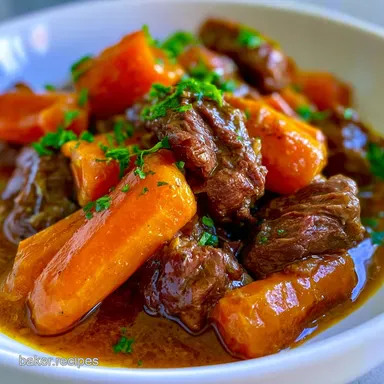
Pioneer Woman Crockpot Beef Stew: Tender and Hearty
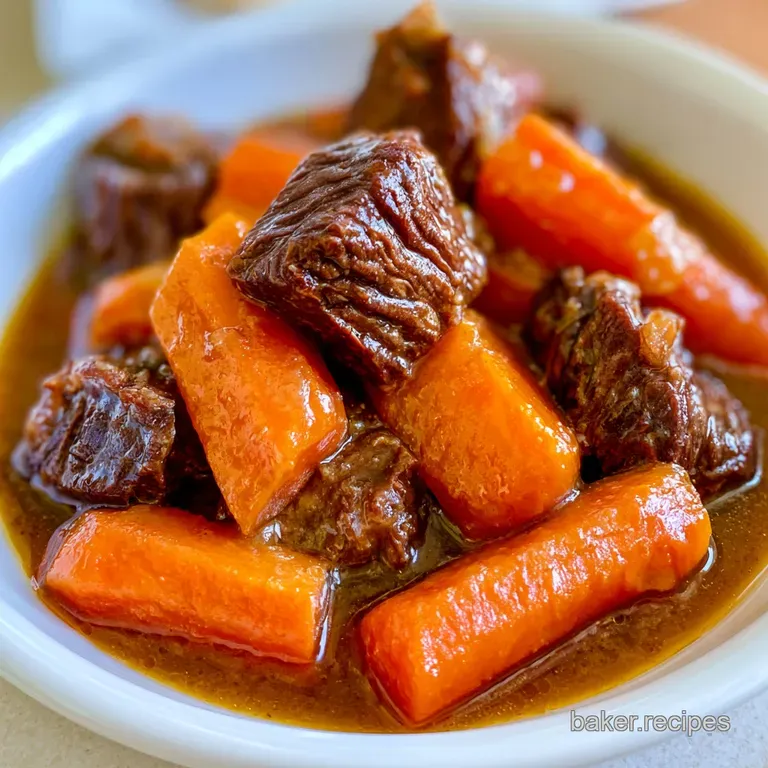
- Time:20 minutes active + 8 hours cooking = Total 8 hours 30 mins
- Flavor/Texture Hook: Velvety gravy with fork tender beef and buttery potatoes
- Perfect for: Cold weeknights, meal prep, and beginner cooks wanting a win
Easy pioneer womans crockpot beef stew
The smell of rosemary and slow simmering beef hitting you the second you walk through the front door is basically a hug in scent form. I remember the first time I tried a version of this, and I was convinced that to get that rich, dark color, I needed to spend half my Sunday standing over a hot stove.
I thought the secret was some fancy, expensive cut of meat or a complicated deglazing process that required a chemistry degree.
But here is the truth: you don't need the most expensive steak in the butcher case or a four hour searing process to get a deep flavor. The beauty of this easy pioneer womans crockpot beef stew is that it lets the slow cooker do the hard work.
We use a humble chuck roast, which is actually the best choice because it has the right amount of fat and connective tissue to survive a long simmer without drying out.
If you've ever had a stew that tasted "flat" or looked pale, it is usually because the meat wasn't browned enough or there wasn't enough acidity to balance the richness. This recipe fixes that by using a quick sear and a touch of tomato paste.
It is a straightforward, honest meal that doesn't pretend to be fancy, but it tastes like a Sunday dinner at grandma's house every single time.
Why this tastes great
The magic here isn't about luck, it is about how the ingredients behave over eight hours of steady heat. We aren't just boiling meat, we are transforming it.
- Collagen Melt
- Low heat slowly turns the tough connective tissues in the chuck roast into gelatin, which gives the beef that velvety texture.
- Flavor Layering
- Browning the meat creates a crust that adds depth, while the tomato paste provides a subtle tang to cut through the heavy fats.
- Starch Release
- Using Yukon Gold potatoes allows some of the potato starch to leak into the broth, naturally thickening the base before we even add the cornstarch.
- Aromatic Infusion
- The bay leaf and thyme release their oils slowly, ensuring the herbs don't taste "burnt" or overwhelming.
| Method | Time | Texture | Best For |
|---|---|---|---|
| Slow Cooker | 8 hours | Velvety, falling apart | Busy workdays |
| Stovetop | 3 hours | Slightly firmer beef | When you're in a rush |
| Oven | 4 hours | Rich, caramelized top | Small batches |
Key ingredient breakdown
I've spent a lot of time figuring out which ingredients actually matter and which ones are just filler. For this easy pioneer womans crockpot beef stew, every item has a specific job to do.
| Ingredient | Science Role | Pro Secret |
|---|---|---|
| Beef Chuck | Collagen source | Cut into 1 inch cubes for even cooking |
| Yukon Gold | Texture stabilizer | Holds shape better than Russets |
| Tomato Paste | Umami booster | Sear it slightly with the meat for more depth |
| Beef Broth | Solvent/Base | Use low sodium to control the salt level |
Right then, let's look at what you need to gather. I'm a big believer in getting everything chopped and ready before the heat goes on. It makes the whole process feel less chaotic.
The basic stats
For the beef, you want a chuck roast. If you're not sure how to pick one, check out this guide on how to cook chuck roast to see why it's the gold standard for slow cooking.
- 2 lbs beef chuck roast, cut into 1 inch cubes Why this? High collagen for maximum tenderness
- 2 tbsp vegetable oil Why this? High smoke point for browning
- 1/2 cup all purpose flour Why this? Helps beef brown and thickens sauce
- 1 tsp salt
- 1/2 tsp black pepper
- 3 large carrots, sliced into thick coins Why this? Thick cuts prevent them from turning to mush
- 1.5 lbs Yukon Gold potatoes, cubed Why this? Creamy texture and holds shape
- 1 medium yellow onion, diced
- 2 stalks celery, chopped
- 3 cloves garlic, minced
- 4 cups low sodium beef broth Why this? Prevents the stew from becoming too salty
- 2 tbsp tomato paste Why this? Adds rich color and acidity
- 1 tbsp Worcestershire sauce Why this? Deepens the savory, salty profile
- 1 bay leaf
- 1 tsp dried thyme
- 1 tsp dried rosemary
- 2 tbsp cornstarch
- 2 tbsp cold water
| Original Ingredient | Substitute | Why It Works |
|---|---|---|
| Yukon Gold Potatoes | Red Potatoes | Similar hold, Note: slightly waxier texture |
| Beef Broth | Vegetable Broth | Works for flavor, Note: less rich, a bit lighter |
| All purpose Flour | Cornstarch | gluten-free option, Note: won't brown as well |
| Dried Thyme | Dried Oregano | Earthy flavor, Note: slightly more "pizza like" |
Honestly, don't even bother with low-fat beef cuts like sirloin for this. They will just turn into rubber after eight hours. You need that fat.
Tools for the job
You don't need a professional kitchen to pull this off. Just a few basics will do. I use a standard 6 quart slow cooker, but any size that fits the ingredients will work. A heavy skillet is a must for the browning phase, as a thin pan will warp or cause the meat to steam instead of sear.
I also suggest using a whisk for the slurry at the end. If you just stir it in with a spoon, you might end up with little clumps of cornstarch that look like tiny gelatin bubbles in your stew. Trust me on this, a whisk is your best friend here.
Easy cooking steps
Let's crack on with the actual cooking. Remember, the goal here is to build flavor in stages. Don't rush the browning, as that is where all the richness comes from.
- Toss the cubed beef with salt, pepper, and flour in a bowl until evenly coated. Note: The flour creates a barrier that helps the beef brown and later thickens the gravy.
- Heat oil in a skillet over medium high heat. Brown the beef in batches until a deep brown crust forms on all sides. Note: Don't crowd the pan or the meat will boil in its own juices instead of searing.
- Transfer the seared beef into the slow cooker.
- Layer the diced onions, minced garlic, sliced carrots, chopped celery, and cubed potatoes on top of the beef. Note: Placing veg on top prevents them from overcooking against the bottom heat source.
- Whisk together the beef broth, tomato paste, and Worcestershire sauce in a small bowl, then pour the mixture over the ingredients.
- Add the bay leaf, dried thyme, and dried rosemary to the pot.
- Cover and cook on Low for 8 hours until the beef is fork tender and yields easily.
- To thicken the gravy, whisk 2 tbsp cornstarch with 2 tbsp cold water and stir the slurry into the stew during the last 30 minutes of cooking. Note: Cold water is key to prevent the cornstarch from clumping.
- Turn off the heat and let the stew rest for 10 minutes before serving.
Chef's Tip: To get an even deeper color, stir the tomato paste into the skillet for 60 seconds after browning the beef but before adding everything to the crockpot. This "toasts" the paste and removes the raw metallic taste.
Fixing common issues
Even with a recipe as straightforward as this easy pioneer womans crockpot beef stew, things can occasionally go sideways. Usually, it's just a matter of heat or ingredient ratios.
Watery stew causes
If your stew looks more like a soup, it's usually because of too much liquid or not enough starch. This often happens if you use a larger beef roast that releases more water or if the potatoes were too small.
The cornstarch slurry is your safety net here, but you can also simmer it on High for an extra 30 minutes with the lid slightly ajar to let steam escape.
Beef still tough
Tough beef in a slow cooker is almost always a timing issue. Most people think the meat is "done" because it's hot, but collagen needs time and a specific temperature to melt. If the beef is resisting your fork, give it another hour.
It's a weird phenomenon, but sometimes meat gets tougher before it suddenly becomes tender.
Preventing mushy vegetables
If your carrots are disappearing into the sauce, you're likely cutting them too thin. I always slice my carrots into "thick coins" (about half an inch). Also, adding them to the top of the pot instead of the bottom keeps them away from the most intense heat.
| Problem | Root Cause | Solution |
|---|---|---|
| Pale broth | Skipped browning | Brown beef in batches next time |
| Too salty | Broth reduction | Stir in a splash of water or unsalted stock |
| Cornstarch lumps | Added slurry too fast | Whisk slurry with cold water first |
Common Mistakes Checklist:
- ✓ Did you brown the beef in batches? (Avoid crowding)
- ✓ Are the potatoes Yukon Gold? (Russets might disintegrate)
- ✓ Did you use cold water for the slurry? (Prevents lumps)
- ✓ Did you let the stew rest for 10 minutes? (Settles the flavors)
Customizing your stew
Once you've nailed the basic version, you can start playing around. This is where you make the easy pioneer womans crockpot beef stew your own. If you want to move away from the traditional route, there are a few directions you can take.
For those who want a richer, more "restaurant style" depth, I highly recommend replacing one cup of beef broth with a dry red wine like Cabernet Sauvignon. The acidity of the wine cuts through the beef fat and adds a sophisticated note.
If you're looking for a way to use up other pantry items, feel free to add parsnips or turnips along with the carrots for a root vegetable medley.
If you're trying to make this gluten-free, simply swap the all purpose flour for a 1:1 gluten-free blend or just skip the flour coating entirely. You'll lose a bit of the browning crust, but the cornstarch slurry at the end will still give you that velvety texture.
For a low sodium version, use a "no salt added" broth and replace the Worcestershire sauce with a squeeze of lemon juice and a pinch of brown sugar.
If you love other slow cooked meals, you might also enjoy my Slow Cooker Dump Go Meat Sauce, which uses a similar "set it and forget it" philosophy. For more detailed nutritional information and alternatives to suit your dietary needs, check out resources at the USDA FoodData Central.
Storage and freezing
Stew is one of those rare dishes that actually tastes better the next day. The flavors have more time to marry, and the sauce thickens naturally in the fridge.
Fridge Storage: Store your stew in an airtight container for up to 4 days. The potatoes may absorb some of the liquid as they sit, so you might need to add a splash of water when reheating.
Freezing Guidelines: This recipe freezes beautifully for up to 3 months. However, I recommend freezing the stew without the potatoes if you have the patience to cook them separately. Potatoes can sometimes get a slightly grainy, mealy texture after being frozen and thawed.
If you don't mind that, just freeze it all together in freezer safe bags, squeezing out as much air as possible.
Reheating Tips: The best way to reheat is on the stovetop over medium low heat. Avoid the microwave if you can, as it tends to heat the beef unevenly. If the sauce has become too thick, just stir in a tablespoon of broth or water to bring back that silky consistency.
Zero Waste Tip: Don't throw away the browned bits (the fond) left in your skillet after searing the beef. Pour a bit of the beef broth into the hot pan, scrape up all those brown bits with a wooden spoon, and pour that liquid gold into the crockpot. That is where the most concentrated flavor lives.
Serving suggestions
To really make this easy pioneer womans crockpot beef stew shine, you need the right pairing. While the potatoes are already inside, I love serving this in a wide bowl with a thick slice of crusty sourdough bread. The bread is essential for mopping up every last drop of that velvety gravy.
If you want to add a fresh element to the plate, a side of steamed green beans or a crisp garden salad with a vinaigrette helps balance the heaviness of the beef. For more tips on side dishes to elevate your cooking, check out sources like Serious Eats for inspiration.
The Comfort Combo: For the ultimate cozy meal, serve the stew over a bed of mashed potatoes or egg noodles. I know it sounds like "carb overload," but there is something about the way the gravy soaks into the noodles that makes it feel like a complete hug.
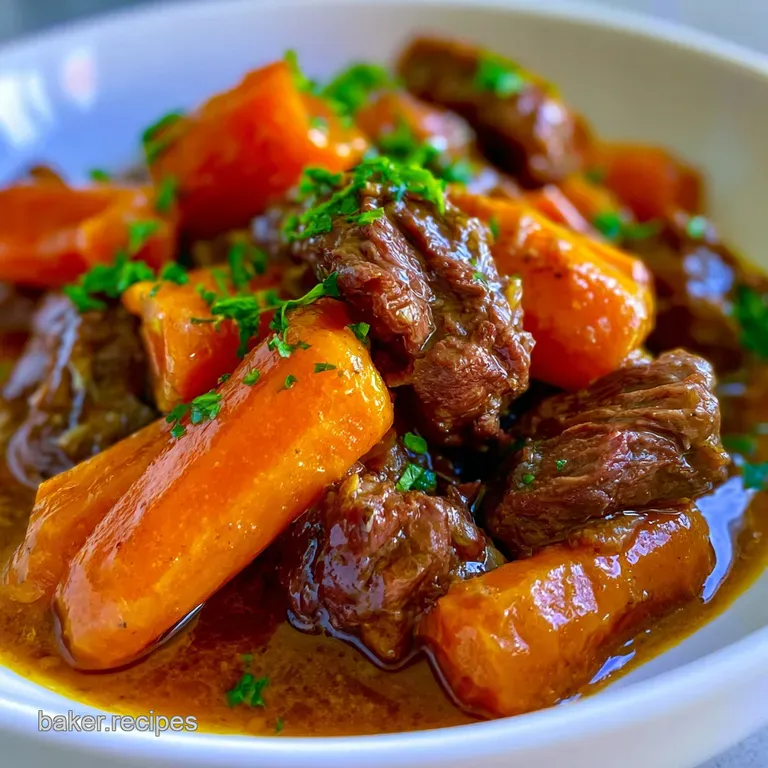
Final Touch: Always garnish with a sprinkle of fresh parsley or a crack of fresh black pepper right before serving. It adds a pop of color and a hint of brightness that wakes up the deep, earthy tones of the stew. Right then, you're ready to dig in. Enjoy!
Recipe FAQs
Can I skip browning the beef?
No, browning is essential. Searing the meat first creates a deep brown crust that adds significant flavor and richness to the overall stew.
How to thicken the gravy?
Whisk 2 tbsp cornstarch with 2 tbsp cold water. Stir this slurry into the stew during the last 30 minutes of cooking to achieve a thicker consistency.
Is it true that you shouldn't freeze stew containing potatoes?
No, this is a common misconception. You can freeze the stew for up to 3 months, although the potatoes may change texture slightly during the process.
How to store leftover stew?
Place the stew in an airtight container. Keep it in the fridge for up to 4 days and add a splash of water when reheating since potatoes absorb liquid.
Should I use a different cut of meat than chuck roast?
No, stick with beef chuck roast. This cut contains the necessary fat and connective tissue to ensure the meat remains moist and tender after 8 hours of cooking.
How to prepare the beef for the skillet?
Toss the beef cubes with salt, pepper, and flour. Ensure they are evenly coated to help the meat sear properly and contribute to the sauce's thickness.
Which slow cooker setting produces the most tender results?
Cook on Low for 8 hours. This gradual heat allows the beef to become truly fork tender, using the same slow braising principle found in our slow cooker beef stew.
Pioneer Woman Crockpot Beef Stew