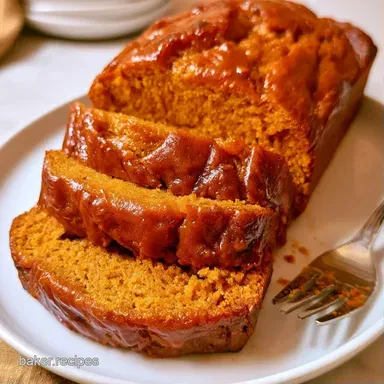
Failure-Proof Pumpkin Bread: Tender Crumb
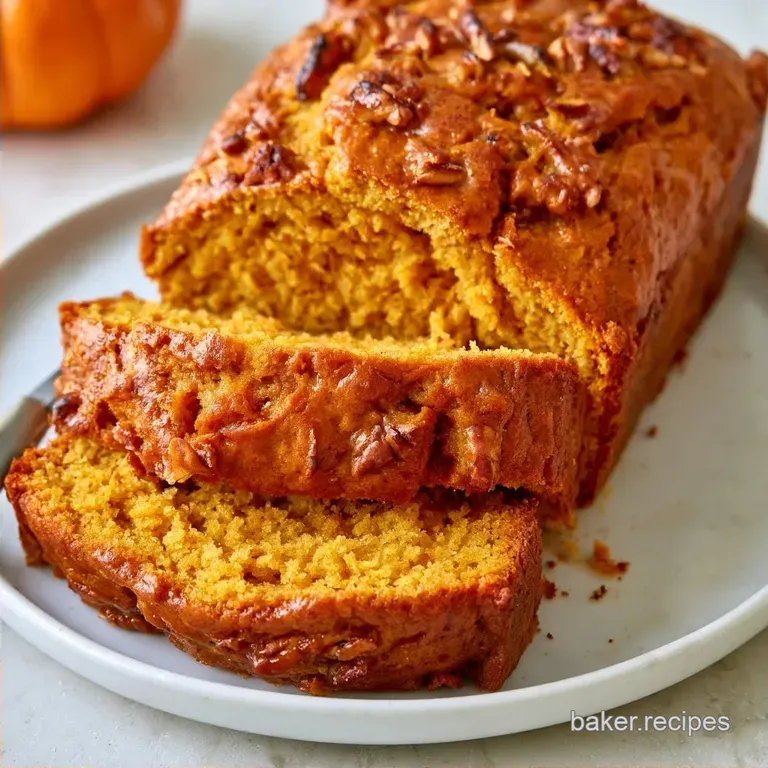
- Time: 10 min active + 50 min bake
- Flavor/Texture Hook: Mahogany crust with a tender, rich crumb
- Perfect for: Cozy autumn mornings or seasonal gifting
- Choosing the Best Pumpkin for Pumpkin Bread
- Recipe Specs
- Gathering Your Pantry Essentials
- The Necessary Kitchen Tools
- Ingredients & Substitutes
- Bringing the Loaves Together
- Fixing Common Batter Issues
- The Best Serving Ideas
- Storage and Waste Tips
- Trying Different Flavor Mixes
- Recipe FAQs
- 📝 Recipe Card
The scent of cinnamon and nutmeg always drifts through my kitchen just as the first chill hits the windows. I remember watching my grandmother slide two heavy pans into the oven, the mahogany crusts forming slowly while we waited. That aroma is the actual signal that autumn has arrived.
The trick to a great loaf is getting the pumpkin for pumpkin bread just right. If the puree is too watery, the bread sinks. If it is too dry, you get a crumb that feels like a sponge. It is all about that balance of moisture and lift.
This recipe focuses on building flavors in layers. We start with a rich base, bridge it with warm spices, and finish with a light glaze. You can expect a loaf that feels heavy in the hand but melts in the mouth.
Choosing the Best Pumpkin for Pumpkin Bread
Oil vs Butter: Using vegetable oil coats the flour proteins more effectively than butter. This prevents the gluten from toughening up, which keeps the crumb tender even after a few days in the cooler.
The Sifting Step: Sifting the flour and spices together removes lumps and adds air. King Arthur Baking suggests that sifting is vital for quick breads to ensure an even rise without huge air pockets.
Gentle Folding: Folding the dry ingredients into the wet mixture by hand prevents overworking the batter. If you overmix, the bread becomes rubbery rather than tender.
If you enjoy this kind of seasonal bake, you might also like my Cranberry Nut No Knead Bread, which uses a similar warm spice profile but a crustier finish.
| Method | Time | Texture | Best For |
|---|---|---|---|
| Fast (Canned) | 10 min prep | Consistent, soft | Weekday baking |
| Classic (Fresh) | 40 min prep | Denser, earthy | Farm fresh harvests |
Recipe Specs
Here is a quick breakdown of the timing and yield. This recipe produces two loaves, so you can keep one and gift the other.
- Total Time
- 1 hours 10 mins
- Prep Time
- 10 minutes
- Cook Time
- 50 minutes
- Yield
- 16 slices (2 loaves)
| Goal | What to change |
|---|---|
| Deeper Spice | Add 0.5 tsp cloves |
| Lighter Crumb | Sift flour twice |
| Extra Moisture | Add 1 tbsp oil |
Gathering Your Pantry Essentials
The base of this bread relies on the moisture content of your puree. Whether you use a can or roast your own, the pumpkin for pumpkin bread needs to be thick. If it looks runny, strain it through a cheesecloth for 30 minutes.
The Base: The sugar and oil create a rich, moist environment. The eggs provide the structure that holds the heavy pumpkin puree aloft.
The Spice Bridge: Cinnamon provides the warmth, nutmeg adds a slight floral note, and cloves give it that deep, autumnal punch. Using these three together creates a complex flavor that tastes like a harvest festival.
The Glaze: A bit of extra pumpkin in the glaze ties the whole thing together. It adds a touch of sweetness without being cloying.
The Necessary Kitchen Tools
Standard kitchen gear is all you'll need to get started.
- Two 8x4 inch loaf pans (metal works best for a dark crust)
- A large mixing bowl for the wet base
- A whisk to smooth out the pumpkin
- A rubber spatula for folding
- A wire cooling rack to prevent soggy bottoms
- A sifter or fine mesh strainer
Ingredients & Substitutes
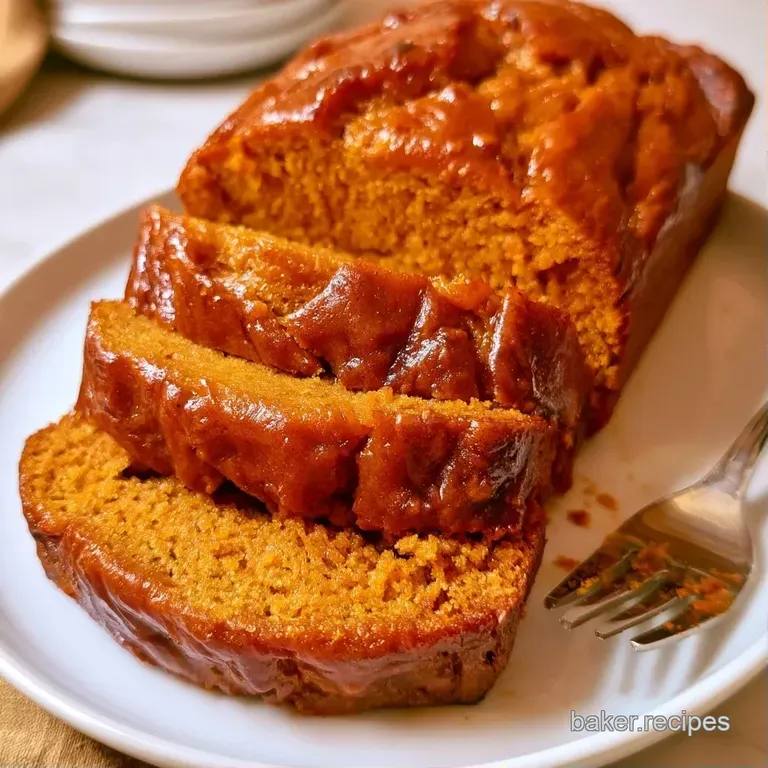
Here is the complete list of ingredients. To prevent the emulsion from breaking, use eggs that have warmed up before blending them with the pumpkin and oil.
- 1.5 cups pumpkin puree Why this? Supplies the primary moisture and color
- Substitute: Roasted butternut squash puree (offers a nuttier, sweeter flavor)
- 1 cup granulated sugar Why this? Sweetens and ensures a tender crumb
- Substitute: Brown sugar (creates a deeper, molasses like taste)
- 0.5 cup vegetable oil Why this? Ensures the loaf stays moist for days
- Substitute: Melted coconut oil (introduces a light coconut aroma)
- 2 large eggs Why this? Provides structure and helps the bread rise
- Substitute: 2 flax eggs (a vegan option, though slightly denser)
- 2 cups all purpose flour Why this? The standard base for a quick bread
- Substitute: White whole wheat flour (adds heartiness, use 1.75 cups)
- 1 tsp baking soda Why this? Lifts the loaf by reacting with the pumpkin's acidity
- Substitute: 3 tsp baking powder (slightly alters the rise)
- 1 tsp ground cinnamon Why this? The main warm spice note
- Substitute: Pumpkin pie spice (use 3 tsp total and skip other spices)
- 0.25 tsp ground nutmeg Why this? Contributes a hint of earthy depth
- Substitute: Mace (comparable but less intense)
- 0.25 tsp ground cloves Why this? Provides a bold, autumnal punch
- Substitute: Allspice (offers a similar warm profile)
- 0.5 tsp salt Why this? Balances the sweetness and spices
- Substitute: Sea salt for a crisper taste
For the Pumpkin Glaze:
- 1 cup powdered sugar
- 1 tbsp pumpkin pureeWhy this? Links the glaze to the flavor of the bread
- 2 tbsp milkWhy this? Ensures a pourable consistency
- 0.5 tsp vanilla extractWhy this? Mellows out the sugar
| Original Ingredient | Substitute | Why It Works |
|---|---|---|
| Vegetable Oil (0.5 cup) | Melted Butter (0.5 cup) | Enhanced flavor. Note: Loaf may dry out quicker |
| All Purpose Flour (2 cups) | Almond Flour (1.5 cups) | Low carb. Note: Result is denser and more delicate |
| Granulated Sugar (1 cup) | Maple Syrup (0.75 cup) | Natural sweetness. Note: Increases moisture; decrease milk in glaze |
Bringing the Loaves Together
Let's get started. The most critical step is ensuring you don't overmix the batter. Once the flour is added, keep your movements light and gentle.
- Preheat your oven to 350°F (175°C). Grease two 8x4 inch loaf pans with butter or oil.
- In a large bowl, whisk the pumpkin puree, sugar, oil, and eggs. Stir until the mixture is completely smooth and the sugar grains have mostly dissolved.
- Sift the flour, baking soda, cinnamon, nutmeg, cloves, and salt straight into the wet batter. Note: This helps avoid flour clumps in the finished bread.
- Using a spatula, gently fold the flour into the pumpkin. Stop the moment no white streaks remain. Stirring too much will knock out the air and result in a tough loaf.
- Divide the batter evenly between your two pans. Level the tops with your spatula.
- Bake for 50-60 minutes. At the 50 minute mark, test the center with a toothpick; it should emerge clean or with just a few moist crumbs. The top should be a deep mahogany color.
- Leave the loaves in the pans for 10 minutes. This allows the structure to firm up so they won't crumble during transfer.
- Move the loaves onto a cooling rack until they have cooled completely.
- Whisk the powdered sugar, 1 tbsp pumpkin puree, milk, and vanilla. Stir until it's a smooth, pourable glaze and drizzle it over the cooled loaves.
Fixing Common Batter Issues
Even when you have the perfect ingredients, mistakes can happen. Most of these solutions focus on adjusting your timing and temperature.
Stopping a Sunken Middle
A dip in the center typically occurs if the oven door is opened too frequently or the baking soda has lost its potency. Refrain from peeking for the first 30 minutes. If the bread sinks, double check the expiration dates on your leavening agents.
The loaf is still edible, though the texture will be fudgier than cake like.
Fixing Undercooked Centers
If the exterior is browned but the interior remains gooey, your oven may be running too hot, which is common with older models. Next time, cover the loaves with aluminum foil after 30 minutes. This protects the crust while the middle finishes cooking.
Preventing Heavy Crumbs
A rubbery or dense loaf is usually a sign of overmixing. When incorporating the flour into the pumpkin puree, use a gentle folding motion (scoop from the bottom and fold over the top). It is perfectly fine if the batter looks slightly lumpy; those bits will disappear as it bakes.
The Best Serving Ideas
While delicious as is, a few simple additions turn this loaf into a real indulgence. I recommend toasting a piece and topping it with salted butter to bring out the warmth of the cinnamon and cloves.
For an extra decadent touch, try it with a scoop of cream cheese or some whipped cream, which balances the spicy notes. If you are serving this for brunch, it goes perfectly with a bold coffee or a cup of spiced chai.
Because the bread is so rich, it also complements savory starters. For a complete autumnal feast, serve these slices with my Baked Brie Bliss.
Storage and Waste Tips
To maintain moisture, keep your loaves in an airtight container in the refrigerator for 3-4 days. They remain fresh on the counter for roughly 2 days, though chilling them helps preserve the oil-based crumb longer.
For longer storage, wrap each slice with parchment and store them inside a freezer safe bag. These will keep for 3 months. For a fresh from-the-oven taste, toast a slice for 2 minutes.
Avoid wasting any remaining pumpkin puree. If you're left with a half can after baking, try mixing it into your morning oats or blending it into a smoothie along with ginger and a frozen banana.
Trying Different Flavor Mixes
Once you've got the base down, you can play around with the add ins. The richness of the pumpkin for pumpkin bread can handle a lot of extra texture.
Crunchy Additions: Fold in 0.5 cup of toasted walnuts or pecans during the final mixing step. The earthiness of the nuts complements the nutmeg.
Sweet Swirls: Stir in a handful of dark chocolate chips. The bitterness of the chocolate cuts through the sugar and makes the bread feel more like a dessert.
Maple Twist: Replace the granulated sugar with maple sugar or add 2 tablespoons of maple syrup to the glaze. This gives it a woody, forest like sweetness that feels very orchard fresh.
Right then, that is how you handle the pumpkin for pumpkin bread. It is a simple process, but focusing on those small details like sifting and folding makes a huge difference. Trust me on this, the patience you spend during the cooling phase is what prevents the bread from falling apart.
Enjoy your bake!
Recipe FAQs
Which pumpkin variety works best for baking?
Use sugar pumpkins or pie pumpkins. These varieties offer a denser texture and sweeter flavor than larger pumpkins.
Is it true that carving pumpkins work well for bread?
No, and here's why. Carving pumpkins are too watery and bland, which ruins the loaf's structure.
Does canned pumpkin equal pumpkin puree?
Surprisingly, no. Puree is just pumpkin, while pumpkin pie filling has added sugar and spices that will throw off the recipe balance.
Why did my loaf turn out too dense?
Overmixing the batter typically causes a heavy texture. Gently fold in the flour until just combined to ensure a tender crumb.
How to bake this pumpkin bread?
Whisk the wet ingredients before folding in the sifted dry components. Bake at 350°F for 50 60 minutes until a toothpick comes out clean.
Can I freeze the finished slices?
Wrap individual slices in parchment paper and store them in a freezer bag for 3 months. If you enjoyed mastering the moisture control here, see how the same principle works in our sourdough brioche rolls.
Pumpkin For Pumpkin Bread