Salted Caramel Cookie Recipe
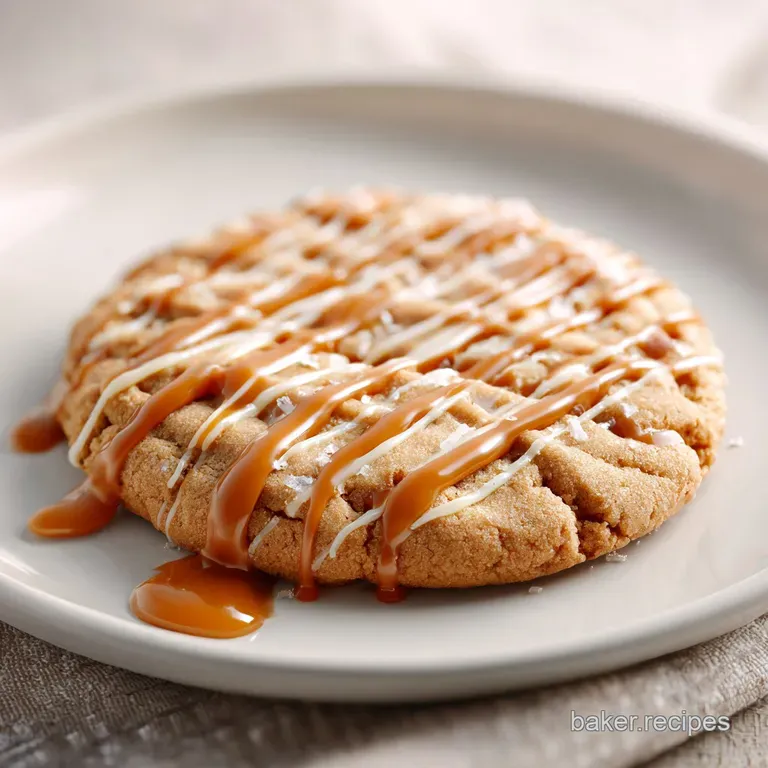
- Time: Active 20 minutes, Passive 1 hours 40 mins, Total 2 hours
- Flavor/Texture Hook: Toffee like depth with velvety caramel pockets
- Perfect for: Stress free weekend baking or impressing guests
- Get Bakery Results With This Salted Caramel Cookie Recipe
- Unlocking Flavor Through Molecular Browning and Starch Dynamics
- Essential Data for Perfect Golden Brown Batch Results
- The Essential Pantry Elements for Rich Toffee Notes
- Minimal Tool Setup for Maximum Cookie Texture Success
- Step by Step Guide to Achieving the Perfect Bake
- Fixing Common Texture Issues for Consistently Crispy Edges
- Simple Modifications for Dietary Needs and Flavor Twists
- How to Keep Your Cookies Fresh and Shatteringly Crisp
- Creative Ways to Enjoy Your Salty Sweet Treats
- Salted Caramel Cookie Recipe FAQs
- 📝 Recipe Card
Get Bakery Results With This Salted Caramel Cookie Recipe
The aroma of butter browning in a heavy pan is my absolute favorite kitchen scent. It's nutty, toasted, and signals that something incredible is about to happen. I remember the first time I tried making a salted caramel cookie recipe; I used liquid caramel sauce inside the dough. It was a disaster.
The sugar melted, the dough spread into a giant, greasy puddle, and I spent an hour scrubbing my baking sheet. It was a mess, but it taught me that structure matters just as much as flavor.
We aren't going to make that mistake today. We're using caramel bits because they hold their shape while softening into molten gold during the bake. This recipe is designed for the cook who wants that professional bakery look without needing a dozen specialized tools.
We’ll focus on the science of temperature and the power of a good rest to make sure every single cookie comes out looking like it belongs in a shop window.
You'll notice we're going heavy on the dark brown sugar and adding a splash of vanilla bean paste. These small choices build a massive flavor profile that mimics the complex taste of slow cooked toffee.
By the time we top these with a pinch of flaky sea salt, you'll have a balance of sweet, salty, and buttery that is genuinely hard to stop eating. Trust me, I've "taste tested" three of these in one sitting more times than I’d like to admit.
Unlocking Flavor Through Molecular Browning and Starch Dynamics
Understanding what happens inside the oven helps us control the final texture of the cookie. It isn't just about mixing ingredients; it's about managing how fats and sugars interact under heat.
- Maillard Transformation: Browning the butter creates toasted milk solids that infuse the dough with a deep, savory complexity that raw butter lacks.
- Starch Gelatinization: The inclusion of cornstarch interferes with gluten formation, resulting in a tender, velvety crumb rather than a bread like bite.
- Enzymatic Delay: Chilling the dough allows the flour to fully hydrate and enzymes to break down starches into simpler sugars, improving browning.
Speed vs. Tradition Comparison
| Method | Prep Time | Texture Result | Flavor Profile |
|---|---|---|---|
| Fast Method | 15 minutes | Softer, cake like | Mild, buttery |
| Classic Chilled | 1 hours 50 mins | Chewy, dense center | Deep toffee, complex |
| Aged Dough | 24 hours | Shatter crisp edges | Intense, caramelized |
The classic chilled method, which we are using today, provides the best balance of effort and professional grade results. If you're in a massive rush, you can skip the chill, but you'll lose that specific "bakery" thickness that makes this salted caramel cookie recipe stand out.
| Component | Science Role | Pro Secret |
|---|---|---|
| Dark Brown Sugar | Provides acid for soda reaction | Pack it tight to ensure accurate moisture levels |
| Cornstarch | Softens flour proteins | Always whisk into dry ingredients to avoid clumps |
| Egg Yolk | Increases fat and emulsification | Use room temp eggs to prevent the butter from seizing |
Essential Data for Perfect Golden Brown Batch Results
Before you start, make sure your kitchen isn't too hot, as the butter needs to stay at a specific consistency during the mixing phase. If you're looking for another project while these chill, you might enjoy the process of making The Fluffy Homemade recipe which also relies on high-quality butter for that signature pull apart texture.
- Yield: 20 servings
- Butter Temperature: Browned and then cooled to a soft solid state.
- Oven Calibration:350°F (175°C) is the sweet spot for sugar caramelization.
- Dough Weight: Aim for 55-60g per ball for uniform baking.
The Essential Pantry Elements for Rich Toffee Notes
- 225g unsalted European style butter: Use high fat butter for a richer mouthfeel. Why this? Higher fat content means less water and better browning.
- Substitute: Regular unsalted butter (cookies may spread slightly more).
- 200g dark brown sugar, packed: Provides the molasses kick.
- Substitute: Light brown sugar (will result in a milder flavor).
- 100g granulated white sugar: Creates the crispy edges we crave.
- Substitute: Raw cane sugar for a bit of extra crunch.
- 325g all purpose flour: The structural backbone.
- Substitute: 1:1 gluten-free baking flour (add 1/2 tsp Xanthan gum if not included).
- 1 tsp baking soda: Necessary for browning and lift.
- 1 tsp cornstarch: The secret to a tender, non crumbly bite.
- 0.5 tsp fine sea salt: Balances the heavy sugar content.
- 1 large egg + 1 large egg yolk: The extra yolk adds a fudgy richness.
- 2 tsp pure vanilla bean paste: Adds those beautiful black specks. Why this? More concentrated flavor than standard extract.
- Substitute: 2 tsp pure vanilla extract.
- 150g high-quality caramel bits: Specifically designed for baking.
- Substitute: Chopped hard toffee bits.
- 2g Maldon flaky sea salt: For that essential finishing crunch.
Minimal Tool Setup for Maximum Cookie Texture Success

You don't need a massive stand mixer for this, though you can certainly use one. A simple medium saucepan for browning the butter and a sturdy spatula will do the trick. You will also need a large mixing bowl and a couple of flat baking sheets lined with parchment paper.
Honestly, don't even bother with greasing the pan; parchment is the only way to ensure the caramel bits don't stick and tear the bottom of your cookies. A wire cooling rack is also helpful to prevent the bottoms from getting soggy while they cool.
step-by-step Guide to Achieving the Perfect Bake
- Brown the butter. Melt 225g unsalted butter in a saucepan over medium heat, swirling constantly until it turns deep amber and smells nutty. Note: This takes about 5-8 minutes; watch it closely as it burns fast.
- Cool the fat. Pour the browned butter into a bowl and let it sit at room temp until it reaches a soft, spreadable consistency.
- Cream the sugars. Combine the cooled butter with 200g dark brown sugar and 100g granulated sugar.
- Add the binders. Beat in the large egg, the extra yolk, and 2 tsp vanilla bean paste until the mixture looks pale and glossy.
- Whisk dry ingredients. In a separate bowl, stir together 325g all purpose flour, 1 tsp baking soda, 1 tsp cornstarch, and 0.5 tsp fine sea salt.
- Combine the masses. Fold the dry ingredients into the wet until just a few streaks of flour remain. Note: Overmixing at this stage will make the cookies tough.
- Fold in caramel. Add the 150g caramel bits and distribute them evenly throughout the dough.
- Chill the dough. Cover and refrigerate for 1 hours 30 mins. This is mandatory for the best flavor.
- Portion and prep. Scoop 2 tablespoon sized balls onto your lined sheets, spacing them 3 inches apart.
- Bake the batch. Heat your oven to 350°F and bake for 10 minutes until the edges are set and golden.
- Finish with salt. Immediately sprinkle the 2g Maldon flaky sea salt over the warm cookies.
Fixing Common Texture Issues for Consistently Crispy Edges
If your cookies aren't turning out quite right, it's usually a matter of temperature or measurement precision. Let's look at the most common hiccups.
Why Your Cookies Spread Too Much
This usually happens if the butter was too warm when you started mixing, or if you skipped the chilling step. When the fat is already near its melting point, it doesn't have the structural integrity to hold up the flour as the oven heats up.
Always make sure your browned butter has solidified back into a soft paste before you cream it with the sugars.
Why Your Caramel Is Leaking
If the caramel bits are on the very bottom or the thin edge of the dough ball, they will melt out onto the parchment. To fix this, try to "tuck" any exposed caramel bits into the center of the dough ball before placing it on the sheet. This keeps the molten sugar encased in the dough.
| Problem | Root Cause | Solution |
|---|---|---|
| Tough, bread like texture | Overworking the flour | Mix until flour just disappears; don't use a mixer on high. |
| Oily surface | Butter was too hot | Chill the dough for an extra 30 minutes before baking. |
| Bottoms burning | Dark baking sheets | Reduce oven temp by 25°F or use a double layer of parchment. |
Common Mistakes Checklist
- ✓ Never use hot browned butter; it will melt the sugars prematurely.
- ✓ Don't skip the cornstarch; it's what gives that specific "soft batch" feel.
- ✓ Use a kitchen scale for the flour; 325g can vary wildly in a measuring cup.
- ✓ Let the baking sheets cool completely between batches to prevent premature spreading.
- ✓ Give the cookies 5 minutes on the pan after baking to let the caramel set.
Simple Modifications for Dietary Needs and Flavor Twists
If you need to change things up based on what's in your pantry or who is coming over for coffee, these swaps are reliable. Just remember that changing the fat or flour will always slightly alter that "shatter" factor on the edges.
| Original Ingredient | Substitute | Why It Works |
|---|---|---|
| Butter (225g) | Refined Coconut Oil (solid) | Provides necessary fat. Note: Result is crispier and lacks the nutty browned butter notes. |
| Caramel Bits | Chopped Dark Chocolate | Same volume. Note: Changes the profile to a classic sweet salty chip cookie. |
| All purpose Flour | Oat Flour (325g) | Similar weight. Note: Creates a much softer, more crumbly cookie. |
For a truly decadent variation, you could serve these alongside a scoop of The Ultimate Rocky Road Ice Cream. The cold, chocolatey base of the ice cream against the warm, salty caramel of the cookie is a combination that honestly rivals any restaurant dessert I've had.
Budget Alternatives for Home Cooks
| Premium Item | Budget Option | Flavor Impact | Savings |
|---|---|---|---|
| Vanilla Bean Paste | Imitation Vanilla | Less floral, more "boxed" scent | $15.00 |
| European Butter | Store Brand Unsalted | Lower fat, slightly more spread | $3.00 |
| Maldon Salt | Coarse Kosher Salt | Same saltiness, less crunch | $5.00 |
How to Keep Your Cookies Fresh and Shatteringly Crisp
Storage: Keep these in an airtight container at room temperature for up to 5 days. To keep them soft, you can put a small piece of white bread in the container; the cookies will absorb the moisture from the bread.
Freezing: You can freeze the baked cookies for up to 2 months. However, I prefer freezing the raw dough balls. Just pop the frozen balls directly into the oven and add 2 minutes to the bake time. It's the best way to have "fresh from the oven" treats whenever the craving hits.
Zero Waste Tip: If you end up with a few cookies that have gone stale, don't toss them! Crush them up and use them as a crust for a cheesecake or as a topping for yogurt. The salty caramel bits add a great texture to almost any creamy dessert.
Also, those browned butter bits stuck to the bottom of your saucepan? Scrape those into your morning oatmeal it's liquid gold.
Creative Ways to Enjoy Your Salty Sweet Treats
While these are perfect with a cold glass of milk, you can really lean into the "modern simplicity" of this dish by serving them with a sharp espresso. The bitterness of the coffee cuts right through the rich, dark brown sugar.
If you want to get fancy, try making "cookie sandwiches" with a thin layer of sea salt buttercream in the middle.
Another great trick is to crumble one of these over a warm apple tart. The salt in the cookie enhances the fruit, and the caramel bits act like little pockets of extra sauce. Whether you're eating them standing up in the kitchen or serving them on a platter for a party, the key is that finishing salt.
It’s what turns a "good" cookie into the salted caramel cookie recipe that people will actually ask you for. Right then, let's get that butter browning!

Salted Caramel Cookie Recipe FAQs
Can I use liquid caramel sauce instead of caramel bits?
No, it's best to stick with caramel bits for this recipe. Liquid caramel sauce contains too much moisture and sugar, which can cause the cookies to spread excessively and become greasy, ruining their structure.
Why is chilling the dough so important?
Chilling the dough is crucial for flavor and texture development. It allows the flour to fully hydrate and enzymes to break down starches, leading to deeper caramelization and a chewier cookie with crispier edges, similar to the principles in our Xmas Cookie Recipes Classic Orange Shortbread Stars.
How do I prevent my cookies from spreading too much?
Ensure your browned butter has cooled to a soft, solid state before creaming it with sugars. Using butter that is too warm is a common cause of excessive spreading, as it doesn't provide enough structure to hold the cookie's shape during baking.
What makes the edges shatteringly crisp?
The combination of granulated sugar and proper baking temperature is key. Granulated sugar caramelizes more readily than brown sugar, creating those delicate, crisp edges. Baking at 350°F (175°C) ensures optimal sugar caramelization without burning.
Can I substitute the European style butter?
Yes, you can use regular unsalted butter, but expect slight differences. European style butter typically has a higher fat content, which contributes to a richer mouthfeel and better browning; regular butter may cause the cookies to spread a bit more.
How should I store baked salted caramel cookies?
Store them in an airtight container at room temperature for up to 5 days. For extra softness, you can place a small piece of white bread in the container to absorb excess moisture, helping to maintain that tender interior.
What's the best way to use up stale cookies?
Crumble stale cookies to use as a crust for cheesecakes or as a topping for yogurt. The salty caramel bits add a wonderful texture and flavor dimension, much like the delightful crunch you might find in a topping for something like The Ultimate Homemade Green Bean Casserole with Crispy Shallots.
Salted Caramel Cookies

Ingredients:
Instructions:
Nutrition Facts:
| Calories | 234 calories |
|---|---|
| Protein | 2.4g |
| Fat | 10.4g |
| Carbs | 33.3g |
| Fiber | 0.4g |
| Sugar | 20.1g |
| Sodium | 215mg |
