Sausage Peppers and Onions Recipe
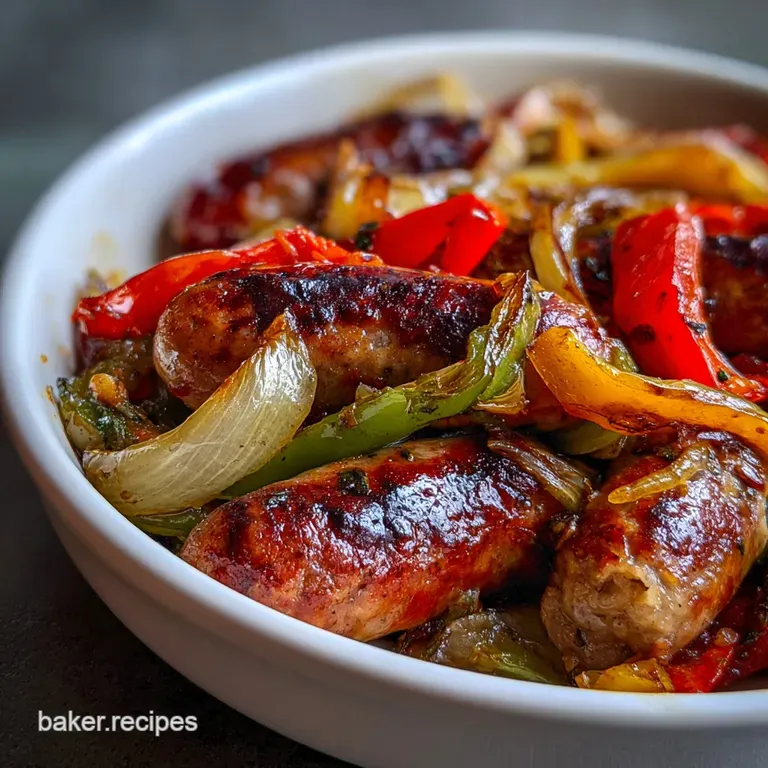
- Time: Active 10 minutes, Passive 20 minutes, Total 30 minutes
- Flavor/Texture Hook: Charred, snap crisp vegetables paired with juicy, caramelized sausage
- Perfect for: High protein weeknight dinners, meal prep, and easy outdoor entertaining
- Master This Sausage Peppers and Onions Recipe
- Science of Searing and Softening
- Essential Specs and Timing Notes
- Quality Elements and Flavor Profiles
- Simple Tools for Better Browning
- Searing and Simmering Steps
- Fixing Texture and Heat Problems
- Smart Swaps for Dietary Needs
- Chemistry Myths Debunked
- Storage Tips and Zero Waste
- Best Ways to Serve Sausage
- HIGH in Sodium
- Recipe FAQs
- 📝 Recipe Card
Master This Sausage Peppers and Onions Recipe
The high pitched sizzle of a pork link hitting a hot cast iron pan is basically my dinner bell. We’ve all been there: you’re craving something that feels like a street fair but you don't want to deal with the grease or the heavy cost of takeout.
This recipe is my absolute go to because it relies on basic pantry staples to create a massive profile of flavors. Honestly, the smell of sautéing onions and peppers is enough to make anyone in the house gravitate toward the kitchen.
I used to make the mistake of just tossing everything in the pan at once, which usually ended in a steaming, gray mess of soggy vegetables and rubbery meat. We aren't doing that today.
We’re going for those charred edges and that specific velvety texture you get when the peppers have softened just enough to release their sweetness but still keep their shape. Trust me on this the order of operations is everything when you want to nail this Italian classic.
This is a budget smart version that doesn't skimp on the results. By using a few clever techniques like deglazing with red wine vinegar, we can mimic the depth of a long simmered sauce in under half an hour.
It’s accessible, it’s fast, and it’s become a staple in our home because it feels like a treat without the "gourmet" price tag. Let's get into the details so you can get this on the table tonight.
Science of Searing and Softening
The success of this dish lies in the Maillard reaction, which occurs when the proteins in the 1 lb Italian sausage links meet high heat, creating a brown crust full of complex flavor.
Simultaneously, the heat breaks down the pectin in the bell peppers, causing them to soften while their natural sucrose caramelizes into a deep, rich sweetness.
When we add the 2 tbsp red wine vinegar, we are performing a technique called deglazing. The acidity of the vinegar dissolves the "fond" those brown, caramelized bits stuck to the bottom of the pan and incorporates them back into the dish to form a light, punchy sauce.
This acidity is crucial for balancing the 32.4 g of fat per serving, ensuring the meal feels bright rather than heavy.
| Cooking Method | Total Time | Resulting Texture | Best For |
|---|---|---|---|
| Stovetop Skillet | 25 minutes | Crispy edges, snap | Quick weeknight meals |
| oven-roasted | 45 minutes | Soft, jammy, sweet | Large family batches |
| Slow Cooker | 4 hours | Very tender, saucy | Set and forget days |
If you are looking for more traditional inspirations, you might find similarities in the way we handle the aromatics here and in a Grandma's Secret! Classic recipe. Both rely on the peppers acting as a sweet vessel for the savory meat.
Essential Specs and Timing Notes
| Component | Science Role | Pro Secret |
|---|---|---|
| Italian Sausage | Protein & Fat | Sear links whole first to keep the interior juices from escaping too early. |
| Bell Peppers | Natural Sugars | Use a mix of colors; red and yellow have higher sugar content for better browning. |
| Red Wine Vinegar | Acidity | Adds a sharp "lift" that mimics the complexity of a dry red wine at a fraction of the cost. |
| Dried Oregano | Volatile Oils | Rub the herbs between your palms before adding to "wake up" the essential oils. |
Selecting the right pan is half the battle. I prefer a heavy bottomed skillet because it holds heat more consistently, which is what we need for that beautiful browning. If you use a thin pan, the temperature drops the second you add the vegetables, and you’ll end up steaming them instead of searing them.
Quality Elements and Flavor Profiles
- 1 lb Italian sausage links: Use mild or hot depending on your heat tolerance. Why this? The casing provides a snap that ground sausage lacks.
- 1 tbsp extra virgin olive oil: For the initial sear. Why this? High smoke point enough for medium high browning.
- 1 large red bell pepper: Sliced into 1/4 inch strips. Why this? Adds the highest amount of natural sweetness.
- 1 large green bell pepper: Sliced into 1/4 inch strips. Why this? Provides a necessary bitter counterpoint to the sweet red pepper.
- 1 large yellow onion: Halved and thinly sliced. Why this? Sweet onions caramelize faster and more evenly than white onions.
- 3 cloves garlic: Minced. Why this? Fresh garlic provides a sharper aroma than jarred varieties.
- 0.5 tsp dried oregano: Classic herb profile.
- 0.25 tsp red pepper flakes: For a subtle back of-the throat warmth.
- 2 tbsp red wine vinegar: The secret to the pan sauce.
- 2 tbsp fresh parsley: For a bright, green finish.
- 0.25 tsp salt: Enhances the natural vegetable flavors.
- 0.25 tsp black pepper: For a woody, pungent heat.
| Original Ingredient | Substitute | Why It Works |
|---|---|---|
| Italian Sausage | Turkey Sausage | Lower fat content. Note: Needs more oil in the pan to prevent sticking. |
| Red Wine Vinegar | Apple Cider Vinegar | Similar acidity. Note: Adds a fruitier, slightly sweeter profile. |
| Bell Peppers | Poblano Peppers | Earthy, smoky flavor. Note: Adds a mild heat compared to bells. |
The beauty of this easy sausage peppers and onions approach is its flexibility. If you've got leftover sausages from a breakfast cookout, you can easily adapt this method to fit whatever you have on hand, much like how you would prep the The Homemade Breakfast recipe for a weekend brunch.
Simple Tools for Better Browning
You don't need a professional kitchen to make this work, but a few specific tools make the process much smoother. A 12 inch cast iron skillet is the gold standard here. Its ability to maintain high heat ensures that the sausages get that shatter crisp casing without overcooking the center.
If you don't have cast iron, any heavy stainless steel pan will do.
You'll also want a good pair of tongs. Slicing the sausages halfway through cooking is a trick I learned to get more surface area for browning. A sharp chef's knife is non negotiable for getting those uniform 1/4 inch strips of peppers. If the slices are different sizes, some will turn to mush while others stay raw.
Chef's Tip: Freeze your sausage links for about 10 minutes before you start. This firms them up just enough so that when you slice them into coins after the initial sear, they don't squash or lose their shape.
Searing and Simmering Steps
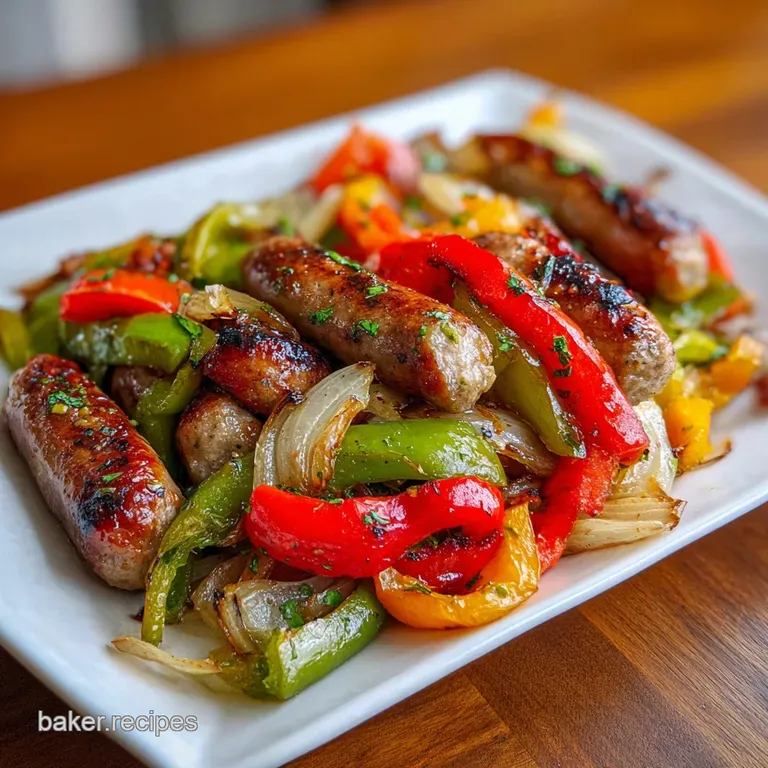
- Heat the pan. Add 1 tbsp extra virgin olive oil to a large skillet over medium high heat. Note: Wait until the oil shimmers before adding meat.
- Sear the links. Place 1 lb Italian sausage links in the pan. Cook 5 minutes until browned on all sides. They don't need to be fully cooked through yet.
- Slice the meat. Remove sausages to a plate and slice into 1/2 inch rounds. Note: This creates more surface area for the second browning phase.
- Sauté the onions. In the same pan, add 1 large yellow onion. Cook 3 minutes until translucent and slightly golden.
- Add the peppers. Toss in 1 large red and 1 large green bell pepper along with 0.25 tsp salt and 0.25 tsp black pepper. Cook 7 minutes until the edges are charred and softened.
- Bloom the aromatics. Stir in 3 cloves garlic, 0.5 tsp dried oregano, and 0.25 tsp red pepper flakes. Cook 1 minute until fragrant and the garlic is pale gold.
- Return the sausage. Add the sliced sausages back into the skillet. Note: The juices on the plate go back in too that’s pure flavor.
- Deglaze the skillet. Pour in 2 tbsp red wine vinegar. Scrape the bottom of the pan until the liquid reduces by half.
- Simmer and unite. Reduce heat to medium. Cook 4 minutes until the sausages are cooked through and the sauce is velvety.
- Finish with freshness. Stir in 2 tbsp fresh parsley. Serve immediately while the peppers still have a slight snap.
Fixing Texture and Heat Problems
Why Your Vegetables are Soggy
If your peppers look limp and gray instead of vibrant and charred, you likely overcrowded the pan. When too many vegetables are added at once, they release moisture that can't evaporate fast enough, causing them to steam in their own juices.
| Problem | Root Cause | Solution |
|---|---|---|
| Rubbery Sausage | Overcooking whole links | Sear for color only, then finish cooking as slices in the sauce. |
| Bitter Aftertaste | Burnt garlic | Add garlic only in the last 60 seconds of sautéing the vegetables. |
| Thin, Watery Sauce | Not enough reduction | Increase heat for 2 minutes after adding vinegar to burn off excess liquid. |
Common Mistakes Checklist:
- ✓ Pat the sausage links dry with a paper towel before searing to ensure a crispy crust.
- ✓ Don't stir the peppers constantly; let them sit for 2 minutes at a time to develop a char.
- ✓ Use a large enough skillet (at least 12 inches) to prevent the "steaming" effect.
- ✓ Add the salt halfway through the vegetable cook time, not at the start, to prevent too much water release.
- ✓ Ensure the vinegar is added only after the pan is very hot to effectively lift the fond.
Smart Swaps for Dietary Needs
If you're looking for an Italian sausage peppers and onions version that fits a specific diet, it’s actually quite easy. For a keto or low carb version, this recipe is naturally almost there with 11.2 g of carbs.
To lower it further, you can reduce the amount of onion or use more green peppers than red, as green ones have slightly less sugar.
Scaling this recipe is straightforward. If you're cooking for two, simply halve the ingredients but keep the skillet size the same; the extra space will actually help the vegetables brown even better. If you're doubling it for a crowd, I recommend searing the sausages in two batches. If you cram 2 lbs of meat into one pan, the temperature will plumet and you'll lose that "shatter" texture on the casing. For those who prefer a different veggie forward approach, you can see how peppers are used as a main vessel in this Hearty stuffed green recipe.
| If you want... | Do this... |
|---|---|
| A spicier kick | Swap the mild sausage for "Hot Italian" and double the red pepper flakes. |
| A richer sauce | Add 1/2 cup of tomato purée during the final 4 minute simmer. |
| A vegan version | Use plant based sausages and add a splash of soy sauce for umami. |
Chemistry Myths Debunked
One common myth is that you need to boil sausages in water before searing them to ensure they cook through. This is actually counterproductive; boiling leaches out the salt and fat that give the sausage its flavor.
Searing them whole and then slicing them to finish in the pan is much more effective for flavor retention.
Another misconception is that the color of the bell pepper doesn't matter. Scientifically, green peppers are harvested earlier and contain more chlorophyll and less sugar. Red, yellow, and orange peppers have matured longer, resulting in higher fructose levels.
This is why red peppers char so much more beautifully and provide that "sweet and savory" balance this sausage and peppers skillet recipe is known for.
Storage Tips and Zero Waste
Storage: This dish keeps exceptionally well in the fridge for up to 4 days. In fact, the flavors often deepen overnight as the oregano and garlic meld with the fats. To reheat, I suggest a quick toss in a hot skillet rather than the microwave; it helps re crisp the sausage skin.
Freezing: You can freeze this for up to 3 months. However, be aware that the peppers will lose their "snap" and become much softer upon thawing. I like to use thawed leftovers as a base for a quick pasta sauce or a frittata filling.
Zero Waste Tip: Don't throw away the pepper scraps or onion skins! Keep a bag in your freezer for vegetable scraps. When the bag is full, boil them with some water and salt to create a quick vegetable stock.
Also, if you have leftover parsley stems, chop them finely and add them to the pan at the same time as the garlic for extra herbal depth.
Best Ways to Serve Sausage
The most classic way to enjoy this is as a "Better Than The Fair" hoagie. Slice a crusty Italian roll, smear it with a little garlic butter, and pile the mixture high. The bread soaks up the vinegary pan sauce, making every bite incredibly flavorful.
If you're looking for something more formal, serve it over a bed of creamy polenta or even a simple portion of buttery pasta.
For a rustic dinner, I often serve this alongside a big green salad with a sharp lemon vinaigrette. The brightness of the salad cuts through the richness of the 16.8 g of protein and the savory fats.
No matter how you serve it, this best sausage peppers and onions method ensures a meal that is consistently satisfying without being complicated. It’s the kind of cooking that makes you feel like a pro without needing a sink full of dishes or an expensive grocery bill. Enjoy the sizzle!
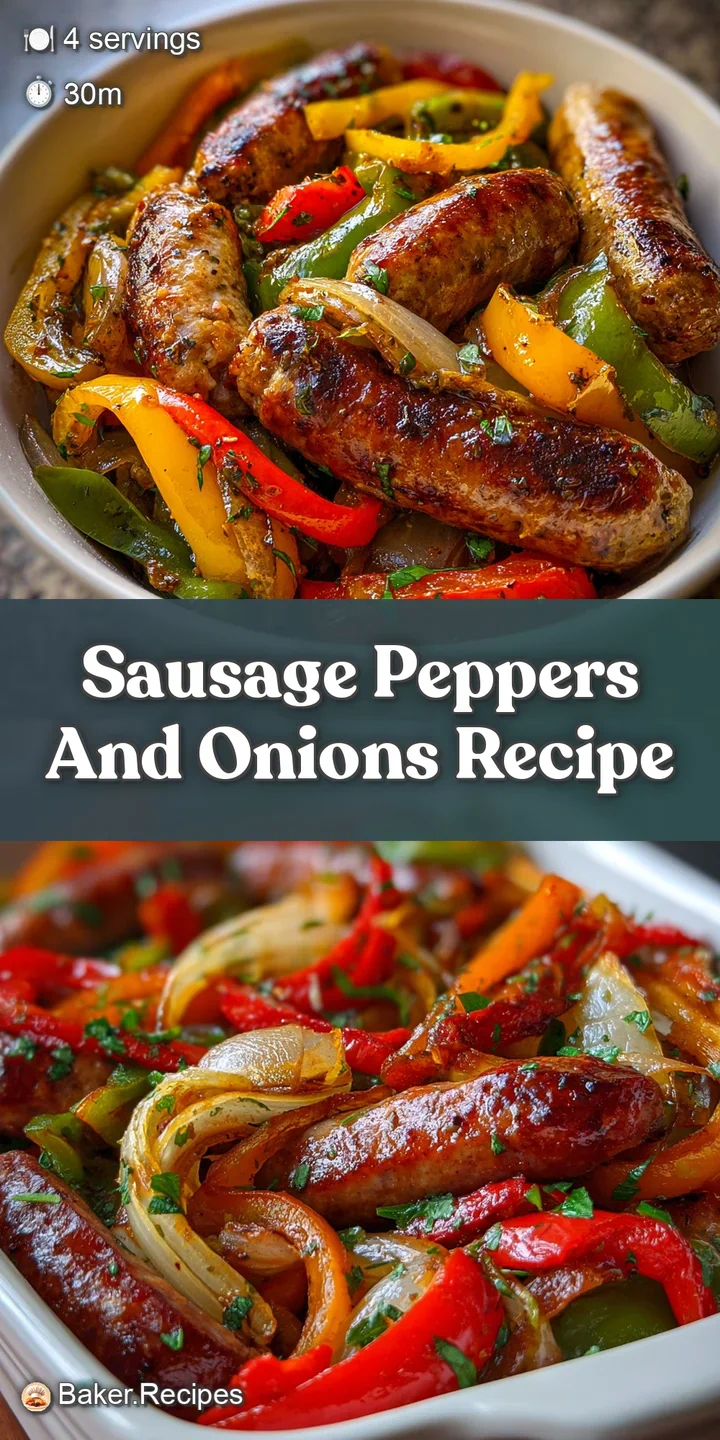
HIGH in Sodium
985 mg of sodium per serving (43% of daily value)
American Heart Association recommendation: Limit sodium intake to about 2,300mg per day.
Tips to Reduce Sodium
-
Swap Sausage-25%
Use low-sodium or no-salt added Italian sausage links. This can significantly reduce the sodium content of the dish.
-
Omit Added Salt-25%
Eliminate the 1/4 tsp of added salt entirely. Taste the dish after cooking and add a tiny pinch only if absolutely necessary.
-
Spice it Up!
Increase the red pepper flakes or add a pinch of cayenne pepper for more flavor without sodium. This boosts the overall taste profile.
-
Double the Herbs
Increase the amount of dried oregano and fresh parsley. Fresh herbs add flavor without adding sodium. Consider adding other herbs like basil or thyme.
-
Vinegar Boost-5%
Try adding a splash of apple cider vinegar in addition to the red wine vinegar to enhance the tangy flavor, reducing the need for salt.
-
Caramelize Onions-5%
Take extra time to caramelize the onions. This brings out their natural sweetness and depth of flavor, which can help to offset the lack of salt.
Recipe FAQs
What goes well with sausage, peppers, and onions?
Serve it as a hoagie or over pasta/polenta. This mixture is fantastic piled high on crusty Italian rolls for a hearty sandwich. It also pairs wonderfully with creamy polenta or simple pasta for a more rustic meal.
Do you cook sausage or onions first?
Sear the sausage first, then cook onions. Searing the sausage links whole first creates a nice crust and locks in juices. After removing the sausage, sauté the onions until they start to turn golden.
Should I cook peppers and onions at the same time?
Cook onions briefly before adding peppers. Sautéing the onions for a few minutes first allows them to soften slightly before the peppers are added. This ensures both vegetables reach their ideal tenderness without one becoming mushy.
What do you put in sausage and peppers?
The base includes Italian sausage, bell peppers, and onions. Essential aromatics like garlic and dried oregano are common, with red wine vinegar added to create a light, flavorful pan sauce. Fresh parsley adds a bright finish.
How do I prevent my peppers and onions from getting soggy?
Use a hot pan and don't overcrowd it. High heat is crucial for searing and allowing moisture to evaporate quickly. Cook ingredients in batches if necessary to maintain pan temperature and achieve charred edges rather than steaming.
Can I use different types of sausage?
Yes, but consider flavor and fat content. While Italian sausage is classic, other types can work. If you use a leaner sausage, you might need to add a little more oil to the pan to prevent sticking, similar to how one might prepare Homemade Breakfast Sausage.
Why do my peppers taste bland?
Ensure you are searing the peppers until charred and deglazing the pan. The charring develops natural sweetness in the peppers, and deglazing with something like red wine vinegar incorporates those caramelized bits into the sauce, adding depth of flavor.
Sausage Peppers Onions Recipe

Ingredients:
Instructions:
Nutrition Facts:
| Calories | 412 kcal |
|---|---|
| Protein | 16.8 g |
| Fat | 32.4 g |
| Carbs | 11.2 g |
| Fiber | 2.8 g |
| Sugar | 4.6 g |
| Sodium | 985 mg |
