Mashed Potatoes: Silky Smooth and Ultra-Fluffy (The Proper British Way)
- Achieving the Ultimate: Silky Smooth Mashed Potatoes Overview
- The Science of Fluff: Why This Method Guarantees the Best Texture
- Essential Ingredients for Ultra-Fluffy Mashed Potatoes
- Step-by-Step: Crafting Your Perfect Mashed Potatoes
- Expert Tips to Avoid Gluey Mash and Troubleshooting Common Errors
- Handling Leftover Mashed Potatoes: Storage, Reheating, and Refreshing
- The Indispensable Side: How to Serve and Enhance Your Mash
- Frequently Asked Questions About Mashed Potatoes
- Recipe FAQs
- 📝 Recipe Card
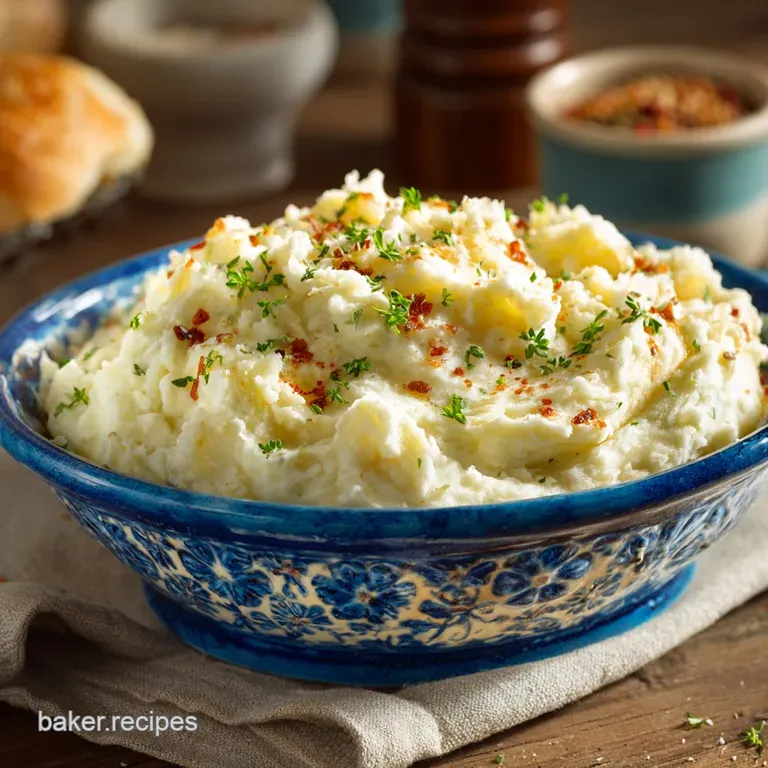
Achieving the Ultimate: Silky Smooth Mashed Potatoes Overview
When you’ve just finished making a perfect batch of these, the smell alone is enough to stop you in your tracks. It’s that deep, savory aroma of hot, cooked potato utterly saturated with melted butter, mingling with a hint of salt and white pepper.
Seriously, I’m talking about a texture so fine it practically floats off the plate, not that dense, heavy paste we sometimes get stuck with.
Mashed potatoes are the foundation of comfort food; they are simple, incredibly cheap to make, and generally beloved by everyone. They are the great equalizer on a holiday table or the perfect base for whipping up a quick weeknight meal like a cottage pie or even our favorite Leftover Turkey Casserole: The Creamiest Hotpot with Sliced Potatoes . Why settle for lumpy when perfection is just a few steps away?
I’ve made every mashed potato mistake in the book hello, gluey disaster! This recipe focuses on technique over ingredients, ensuring every bite is light, airy, and creamy beyond belief. If you’ve ever wondered how the chefs get that incredibly silky finish, like the kind Chef Ramsay is famous for, look no further than my dive into Gordon Ramsay Perfect Mashed Potatoes: Secret to Silky, Creamy Mash .
The Science of Fluff: Why This Method Guarantees the Best Texture
The Pursuit of Potato Perfection: Why Fluffiness Matters
The enemy of excellent mashed potatoes is starch, specifically how we manage it. When you crush potato cells (especially waxy ones) too violently or over mix them, the starches rupture and release a sticky, gluey substance. We want fluffy!
That means separating those starch cells gently, allowing them to absorb the hot butter and cream without turning into wallpaper paste.
Defining the ‘Proper’ British Mash: Texture vs. Density
A proper mash shouldn't be thin and runny, but it absolutely must not be heavy. British mash, often made with Maris Pipers or King Edwards, leans heavily into rich butter content for depth and uses high starch potatoes to maintain a light structure.
It’s dense enough to support a river of gravy, yet miraculously soft on your palate.
Quick Glance: Preparation Time and Difficulty Level
This recipe is simple, but requires attention to detail especially during the drying phase. Expect about 15 minutes of hands-on prep time, mainly peeling and chopping.
The total cooking and finishing time is around 50 minutes, which is nothing for perfect mashed potatoes!
Starch Control: Selecting the Perfect Potato Variety
To get truly fluffy results, you must use a high starch potato. Starches break down beautifully when cooked, crumbling easily and leaving air pockets when mashed gently. If you use waxy potatoes (like red potatoes), they contain too much water and structure, guaranteeing a gummy texture, especially if you try to make them as smooth as our ultimate Creamy Mashed Potatoes: The Ultimate Silky Smooth Recipe .
The Vapour Method: Eliminating Excess Water
Water is the main culprit behind dense, poorly seasoned mash; it prevents fat absorption. The "Vapour Method" is essential: after boiling, we return the potatoes to the hot, empty pan to steam off the excess moisture. Do not skip this step.
It concentrates the potato flavor and primes them to suck up all that glorious butter.
Heating the Dairy: Preventing the Mash from Cooling
This is a trick I learned the hard way. Adding cold milk or cream to piping hot potatoes instantly drops the temperature, stiffening the starches and making the mixture tough. We always warm the dairy and melt the butter into it first, ensuring a smooth, seamless emulsion when combining.
Essential Ingredients for Ultra Fluffy Mashed Potatoes
Potato Selection: High Starch Varieties Explained
Russet potatoes (known as Idaho in some regions) are the easiest and most reliable choice in the US for creating fluffy mash. In the UK, look for Maris Piper or King Edward potatoes. They are floury, fall apart easily, and are absolutely perfect for this technique.
Butter Selection: Salted vs. Unsalted and Optimal Quantity
I insist on unsalted butter here because potatoes require a significant amount of salt, and using salted butter makes it too hard to control the final seasoning level. We use a lot of butter, almost half a block per three pounds of potatoes. Seriously, commit to the fat!
Creamy Liquids: Milk, Cream, and low-fat Alternatives
Whole milk or heavy cream provides the best richness and moisture without adding unnecessary water. If you want truly luxurious, indulgent mashed potatoes, use half and half or heavy whipping cream. They incorporate beautifully into the dry starch.
Seasoning Strategy: When and How to Salt Correctly
Potatoes are famously bland and demand proper salting in two stages. First, salt the cooking water so the potato cells absorb flavor as they cook. Second, adjust the seasoning aggressively at the very end with fine sea salt and white pepper once the fat is incorporated. If it tastes flat, add more salt.
| Ingredient | Substitute Suggestion | Chef’s Note |
|---|---|---|
| Russet Potatoes | Yukon Gold Potatoes | Use a ricer, but they will be slightly wetter and richer. |
| Whole Milk | Chicken or Vegetable Stock (hot) | Great if you want mashed potatoes without milk, but they’ll be less rich. |
| Heavy Cream | Cream Cheese or Sour Cream | Add up to 4 oz of cream cheese or sour cream for a tangy twist. |
| Unsalted Butter | Ghee or high-quality Olive Oil | Ghee adds a nutty depth; olive oil makes it surprisingly light. |
step-by-step: Crafting Your Perfect Mashed Potatoes
Preparation and Initial Cooking (Starting Potatoes Cold)
Peel all your potatoes and cut them into 1 inch pieces; keep them uniform so they cook at the same rate. Place them in a large pot and cover with cold water. Now, add your cooking salt this water needs to taste aggressively salty!
Bring them to a rolling boil and simmer for 20- 25 minutes until they are totally tender and easily crumble when pierced.
Meticulous Draining and Steaming Dry
Immediately drain the potatoes in a colander. Return the empty pot to the heat for 30 seconds to burn off any residual water, then dump the hot potatoes back in. Shake the pot gently over low heat for 1– 2 minutes. This is the Vapour Method, and it guarantees maximum fluffiness.
Chef’s Note: The potatoes must be steaming hot when you start mashing. If they cool down, the starch hardens, and you are inviting lumpiness. Work fast!
The Key Technique: Mashing and Incorporation (The Right Order)
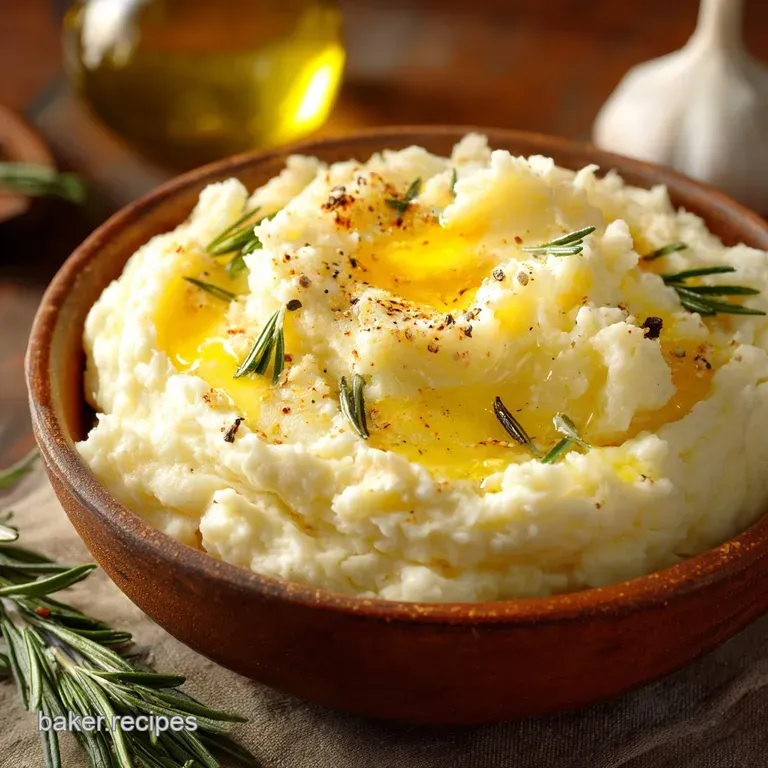
While the potatoes steam, gently warm your milk/cream with most of the butter until fully melted. Now, pass those hot, dry potatoes directly into the clean pot using a potato ricer . Seriously, a ricer is non-negotiable for silky texture.
Add the remaining cold, cubed butter first and fold gently until melted. This fat coats the starch grains before the liquid hits, keeping things fluffy.
Whipping the Finished Mash for Maximum Air
Once the butter is integrated, start slowly folding in the warm dairy mixture. Add it in stages until you reach that beautiful, creamy, yet still firm consistency. Now, taste it and season liberally with fine sea salt and white pepper.
A quick, gentle fold with a rubber spatula will add air, making your finished mash truly fluffy and ready to serve.
Expert Tips to Avoid Gluey Mash and Troubleshooting Common Errors
People often ask me, "Why are my mashed potatoes so gummy?" It usually comes down to one of three things. Luckily, they are all fixable, or at least avoidable!
The number one mistake is using the wrong tool . Do not use a food processor, hand mixer, or immersion blender. These kitchen tools spin blades so fast they obliterate the starch cells, releasing all the sticky, gluey compounds.
Stick to a ricer, food mill, or, failing that, a simple hand masher used gently.
Another huge fail is starting the potatoes in hot water . Starting them cold ensures the center cooks at the same rate as the exterior. If you drop potatoes into boiling water, the outside turns mushy while the inside stays rock hard and undercooked. Always start cold!
Finally, remember the rule about liquids: Never add cold dairy. Cold liquid cools the starches immediately, stopping the fat absorption process and making the mash dense. Always heat your butter and milk together until steaming before combining.
Handling Leftover Mashed Potatoes: Storage, Reheating, and Refreshing
Mashed potatoes are fantastic keepers, especially if they are rich like this recipe. You can store them in an airtight container in the fridge for up to 4 days.
But does it freeze well? You bet, though you need to take precautions. Mashed potatoes with a higher fat content freeze much better, so feel free to add an extra tablespoon of butter or cream before freezing in a thick, freezer safe bag. Thaw them overnight in the fridge.
To reheat, the microwave is quick, but can dry them out. The best way is to place the cold mash in a saucepan with a splash of milk or cream over very low heat. Stir gently until they are hot and revived. You can also bake them covered in a casserole dish at 350°F (175°C) until warmed through.
The Indispensable Side: How to Serve and Enhance Your Mash
Mashed potatoes are a blank canvas designed to soak up flavor. They are obviously the perfect companion for a huge roast or alongside our delicious Ultimate Sheet Pan Parmesan Chicken and Potatoes Recipe . However, they are also amazing with sharp flavors.
Try incorporating fresh herbs like chives or rosemary right at the end for brightness. If you are feeling extra cheesy, adding some sharp cheddar and crumbled bacon is never a bad idea. For me, a deep, earthy mushroom gravy or a thick, meaty brown gravy is absolutely essential.
Frequently Asked Questions About Mashed Potatoes
The Danger of Over Mashing (Glue Alert)
If you find yourself still stirring after the dairy is fully incorporated, stop! Over mashing is caused by working the potatoes too long, which releases excess starch. If you notice a tacky, gluey shine developing, you have gone too far. Sadly, there is no true rescue for super gluey mash, only prevention.
Which Tools Work Best: Ricing vs. Hand Mashing
The potato ricer is the supreme champion for silky, smooth mashed potatoes. It forces the cooked potato through tiny holes, separating the starch cells without tearing them, which minimizes the release of sticky compounds.
Hand mashers are fine for a slightly chunkier, rustic mash, but they require much more gentle handling.
Fixing Undercooked or Lumpy Potatoes
If your mash is lumpy, it means the potatoes were unevenly cooked or drained poorly. If you find a few lumps, press them gently against the side of the pot with a spatula. If the whole batch is too firm, you can try adding an extra splash of very hot cream or stock to help hydrate the remaining starch.
Optimal Refrigeration: Keeping the Mash Moist
When storing leftover mash, always cover it tightly with plastic wrap pressed directly onto the surface before sealing the container. This prevents a dry crust from forming and helps maintain moisture.
Freezing Mashed Potatoes: Best Practices for Texture Retention
For freezing, always err on the side of adding more fat (butter and cream) than you think you need before freezing them. The extra fat helps stabilize the texture when thawing and reheating, minimizing that grainy quality sometimes associated with frozen potatoes.
Reviving Day-Old Mash (The Liquid Refresh Method)
Day-old mash often stiffens because the starches solidify as they cool. To revive them, skip the microwave! Heat them gently on the stovetop and slowly fold in a little warm milk or heavy cream, maybe a tablespoon at a time, until they loosen back up to their desired creamy consistency.

Recipe FAQs
Why did my mashed potatoes turn out sticky, dense, or gluey?
This texture is caused by overworking the starch. When potato cell walls break down excessively usually through aggressive mixing, or using a blender or food processor they release excessive starch, leading to a glue like consistency.
To prevent this, always use a potato ricer or food mill immediately after draining, and incorporate the liquids gently and briefly.
What is the secret to achieving that ultra fluffy and silky texture?
The secret lies in proper draining, using a ricer, and temperature control. After the potatoes are dried out post boil, run them through a ricer or food mill, then ensure your butter and cream/milk are heated until piping hot before incorporating them.
Cold liquids instantly cool the potatoes and prevent the butter and starch from emulsifying smoothly.
Can I make this recipe completely vegan or dairy-free?
Absolutely. For butter, substitute an equal amount of high-quality plant based butter sticks that have a high fat content. Replace the milk or cream with full fat oat milk or the thick cream scooped from the top of a chilled can of full fat coconut milk for optimal richness and texture.
Can I make the mashed potatoes ahead of time, and how should I store them?
Mashed potatoes can be made up to two hours ahead. Keep them warm by transferring them to a slow cooker set to "Keep Warm," or place the bowl over a pot of simmering water (bain marie), stirring occasionally. For storage, refrigerate leftovers in an airtight container for up to four days.
What is the best way to reheat leftover mashed potatoes without them drying out?
Reheat the mash gently in a heavy bottomed saucepan over very low heat. As they warm, add an extra splash of hot milk or cream and a small knob of butter, stirring constantly until they return to their original silky consistency.
Alternatively, cover them tightly in an oven safe dish and bake at 325°F (160°C) until heated through.
I only have waxy potatoes (like new or red potatoes). Can I still use them for a fluffy mash?
Waxy potatoes are lower in starch and contain more moisture, making them resist breakdown and resulting in a denser, gluey mash when aggressively worked. While they can be used, they are best suited for chunkier, skin-on mashes rather than the ultra fluffy style described here.
Stick to high starch varieties like Russets or Yukon Golds for the best results.
Should I salt the water when boiling the potatoes, or wait until they are mashed?
Always heavily salt the water during the boiling phase, as this seasons the potatoes from the inside out. Potatoes absorb a great deal of the water they cook in, so seasoning the water is the only way to ensure the potato cells themselves are properly flavored.
You can always adjust the final seasoning once the mash is complete, but the initial salting is non-negotiable.
Silky Fluffy Mashed Potatoes Recipe
Ingredients:
Instructions:
Nutrition Facts:
| Calories | 651 kcal |
|---|---|
| Protein | 8.8 g |
| Fat | 39.1 g |
| Carbs | 67.8 g |
