Poached Pears Recipe: Velvety Dessert
- Time: Active 10 minutes, Passive 20 minutes, Total 30 minutes
- Flavor/Texture Hook: Velvety, spiced fruit with a shimmering syrup glaze
- Perfect for: budget-friendly dinner parties or a cozy weeknight treat
The first time I tried to make a poached pears recipe, I was absolutely terrified of turning the fruit into expensive baby food. I stood over the pot, poking them every thirty seconds, convinced they would disintegrate the moment I looked away.
But then, this incredible aroma of warm cinnamon and star anise started wafting through my tiny kitchen, and I realized something. This isn't high stakes chemistry; it’s basically giving a pear a luxury spa treatment in red wine.
You don't need a culinary degree to make this work, just a bit of patience and a decent bottle of dry red. Honestly, skip the expensive stuff a budget friendly Malbec or Cabernet works wonders here.
The magic happens when that sharp, tannic wine meets the granulated sugar and the floral notes of the vanilla paste. It creates a syrup so rich you'll want to drizzle it over everything from yogurt to your morning oatmeal.
Trust me, there is nothing quite like the moment you slice into a pear that has been dyed a deep, dramatic crimson all the way through. It feels like a total triumph, even though you mostly just sat there and let the stove do the heavy lifting.
We're going to use simple tricks, like a parchment paper lid, to make sure they cook evenly and look like they came straight out of a bistro kitchen.
Recipe Specs and Fast Comparisons
The Science of Infusion: Sugar acts as a stabilizer for the fruit's structure while the heat breaks down tough cellulose. Through osmosis, the spiced wine replaces the pear's natural juices, saturating every cell with color and flavor without the fruit falling apart.
- Cellular Integrity: Simmering at a low temperature prevents the pectin from dissolving too quickly, keeping the pear firm yet tender.
- Sugar Saturation: The 0.75 cup sugar creates a high density liquid that forces flavor into the fruit.
- Alcohol Evaporation: Most of the ethanol boils off at 173°F (78°C), leaving behind the complex fruit notes of the wine.
- Acid Balance: The lemon juice prevents the pears from browning during prep and brightens the deep flavors of the wine.
| Method | Total Time | Texture | Best For |
|---|---|---|---|
| Stovetop (This Recipe) | 30 minutes | Silky and firm | Quick weeknight cravings |
| Slow Cooker | 4 hours | Very soft/deep color | Large holiday parties |
| Pressure Cooker | 12 minutes | Soft throughout | Last minute guests |
Right then, choosing the right method depends on how much time you have. If you're in a rush, this stovetop version is the gold standard. It gives you the most control over the texture, which is vital because nobody wants a mushy pear. It’s a bit like making the sauce for my favorite Cranberry Sauce recipe — you want that perfect balance of sweetness and tang that only comes from a controlled simmer.
The Essential Ingredient Deep Dive
Component Analysis
| Ingredient | Science Role | Pro Secret |
|---|---|---|
| Dry Red Wine | Provides acidity and tannin | Use a Malbec for the deepest ruby color. |
| Granulated Sugar | Creates syrup viscosity | Don't reduce the amount; it preserves the fruit shape. |
| Bosc Pears | Holds shape under heat | Pick them firm; if they're soft now, they'll be mush later. |
| Star Anise | Adds licorice like depth | Toast the pods in the dry pot for 30 seconds first. |
Ingredients & Substitutes
- 4 medium Bosc or Anjou pears: These varieties are the best because they don't collapse when heated. Why this? They maintain a structural "snap" even after a long simmer.
- Substitute: Firm Bartlett pears (will be softer/sweeter).
- 1 tbsp fresh lemon juice: Essential for balancing the sugar. Why this? Prevents oxidation and adds a necessary citrus high note.
- Substitute: 1 tsp apple cider vinegar.
- 2 cups dry red wine: The heart of the poaching liquid. Why this? Provides the base flavor and the iconic dark red hue.
- Substitute: 2 cups pomegranate juice for a poached pears recipe no wine version.
- 0.75 cup granulated sugar: For sweetness and syrup body. Why this? Helps the liquid reduce into a thick, pourable glaze.
- Substitute: 0.75 cup honey (note: will make the syrup much thicker and floral).
- 1 cinnamon stick: For classic warm spice. Why this? Infuses flavor slowly without making the liquid gritty.
- Substitute: 0.5 tsp ground cinnamon (will make the liquid cloudy).
- 2 star anise pods: Adds a sophisticated, aromatic edge. Why this? Cuts through the heaviness of the red wine.
- Substitute: 0.5 tsp fennel seeds tied in cheesecloth.
- 1 tsp vanilla paste: For those beautiful little black specks and rich flavor. Why this? Stronger and more visual than standard extract.
- Substitute: 1 tsp pure vanilla extract.
Basic Kitchen Equipment Needed
You really don't need fancy gear for this pears recipe, but a few specific tools make the job much easier. A sharp vegetable peeler is non negotiable you want to remove just the skin without hacking away at the fruit.
If you have a melon baller, use it to scoop out the seeds from the bottom of the pear; it keeps the stem intact and looks much more professional on the plate.
A medium saucepan is perfect here. You want the pears to fit somewhat snugly so they stay submerged in the 2 cups of wine without needing gallons of extra liquid. I also recommend keeping some parchment paper handy. Cutting a circle of parchment to fit over the top of the liquid (a "cartouche") is a total pro move.
It traps the steam and keeps the tops of the pears from drying out or staying pale while the bottoms cook.
step-by-step Instructions for Success
Phase 1: Precision Prep
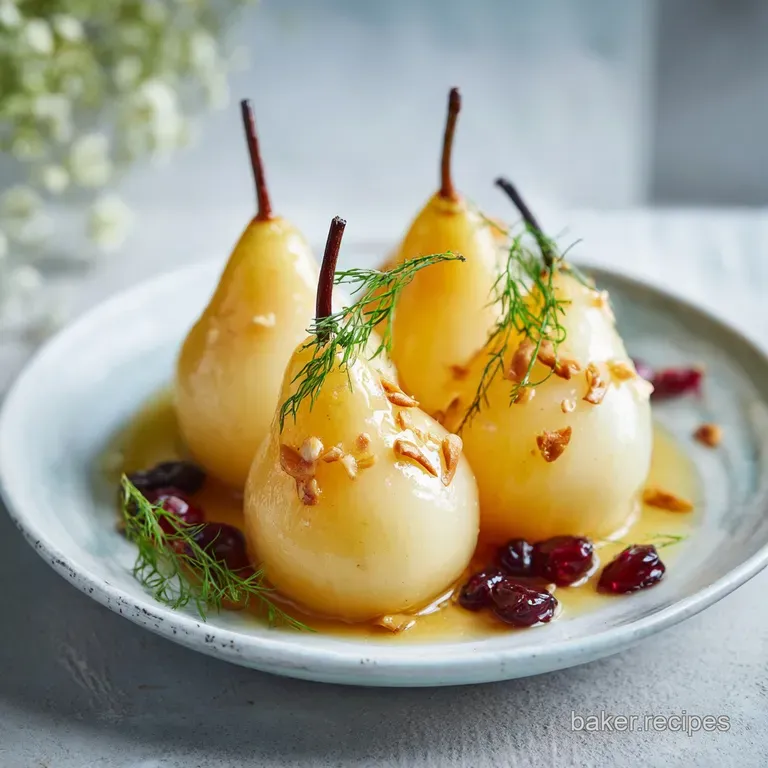
- Peel the fruit. Remove the skin from the 4 medium Bosc pears using a vegetable peeler. Note: Peel in long, vertical strokes from stem to base for a smooth, elegant finish.
- Level the base. Slice a tiny bit off the bottom of each pear so they can stand upright. Note: This makes plating much easier later.
- Acidify the surface. Rub the 1 tbsp fresh lemon juice all over the peeled pears. Keep them from turning brown while you prep the liquid.
Phase 2: The Controlled Simmer
- Combine liquid ingredients. Pour the 2 cups dry red wine into a saucepan. Add 0.75 cup granulated sugar, 1 cinnamon stick, 2 star anise pods, and 1 tsp vanilla paste.
- Dissolve the sugar. Bring the mixture to a simmer over medium heat, stirring gently. Wait for the sugar grains to vanish completely before adding the fruit.
- Submerge the pears. Carefully place the pears into the bubbling wine. Ensure the liquid covers at least two thirds of the fruit.
- Apply the parchment. Place a parchment paper circle directly on top of the liquid. Note: This keeps the pears submerged and ensures even coloration.
- Simmer carefully. Cook for 20 minutes on low heat. Check with a knife; it should slide into the thickest part with almost no resistance.
Phase 3: The Glaze & Finish
- Rest the fruit. Remove the pears from the pot and set them aside on a plate. Let them cool slightly so they firm up.
- Reduce the syrup. Boil the remaining wine mixture for 10-15 minutes on high. Cook until it coats a spoon and looks like a thick, dark ruby glaze.
Chef's Tip: If you want an even deeper color, let the pears sit in the poaching liquid in the fridge overnight. The color will migrate from a light pink rim to a deep, saturated purple through to the core.
Fixing Common Mistakes and Issues
The biggest mistake I ever made was using pears that were already soft and juicy. They turned into a literal puddle in the pot. You want fruit that feels like a baseball firm and under ripe. The heat and sugar will do the softening for you.
If you realize your pears are too ripe halfway through, cut the simmering time by 5 minutes and let them finish "cooking" in the cooling liquid instead.
To Fix Mushy Pears
If they overcook, don't throw them away! Carefully remove them and serve them in a bowl rather than standing up. You can also mash them into a rustic compote and serve it over vanilla bean ice cream. It’s essentially a deconstructed version of this recipe, and I promise your guests won't know it wasn't the plan.
To Fix Pale Pears
If your pears come out looking a bit anaemic, it usually means the liquid wasn't concentrated enough or the variety of wine was too light. A simple fix is to let them soak longer. If you're using a poached pears recipe white wine version, they are supposed to be golden, so don't expect a deep red!
| Problem | Root Cause | Solution |
|---|---|---|
| Grainy Texture | Pear was over ripe | Choose firm Bosc or Anjou next time. |
| Bitter Syrup | Burnt spices/wine | Keep the simmer low; don't let it reach a rolling boil. |
| Uneven Color | Pear was floating | Use a parchment cartouche or a small plate to weigh them down. |
Common Mistakes Checklist:
- ✓ Always use firm, under ripe pears (prevents mushiness).
- ✓ Don't skip the lemon juice (prevents unappetizing brown spots).
- ✓ Keep the simmer gentle (prevents the fruit from breaking apart).
- ✓ Reduce the syrup separately (ensures a glossy, thick finish).
- ✓ Core from the bottom (keeps the elegant stem intact).
Creative Flavor Mix It Up
The Sophisticated Earl Grey Twist
Instead of using wine, you can poach these in strong Earl Grey tea. The bergamot notes pair beautifully with the pears. Follow the same sugar and spice measurements, but swap the 2 cups of wine for 2 cups of very strong brewed tea. This creates a much lighter, floral version that is incredible for brunch.
The Maple & Bourbon Variation
For a "warm hug" kind of dessert, swap half the sugar for maple syrup and add 2 tablespoons of bourbon to the poaching liquid at the very end. It adds a smoky, caramel depth that makes this simple poached pears recipe feel like something from a high end steakhouse.
Budget Ingredient Shortcuts
| Premium | Budget | Flavor Impact |
|---|---|---|
| Vanilla Bean | Vanilla Paste | Identical flavor, easier to use. |
| Expensive Port | Cheap Merlot | Merlot is less sweet; add 2 tbsp extra sugar. |
| Fresh Spices | Ground Spices | Ground makes syrup cloudy; strain through coffee filter. |
If you're looking for other fruit forward bakes, this technique of balancing sweetness and acid is very similar to what I use in my Apple Pie recipe. It’s all about respecting the integrity of the fruit while heightening its natural sugars.
Smart Storage and Zero Waste
Storage: You can keep these in the fridge for up to 5 days. The trick is to keep them submerged in their syrup in a sealed container. This keeps them from drying out and actually intensifies the flavor. I don't recommend freezing the whole poached pear as the texture becomes quite spongy when thawed.
However, you can freeze the reduced syrup for months!
Zero Waste: Don't you dare throw away the pear peels or the leftover syrup. The peels can be simmered with a bit of water and sugar to make a quick pear simple syrup for cocktails. The leftover wine syrup from this best poached pears recipe is liquid gold. I use it to glaze roast pork, stir it into sparkling water for a homemade soda, or even drizzle it over a The Homemade Green recipe if I'm feeling experimental with sweet and savory side dishes.
Elegant Restaurant Quality Presentation Tips
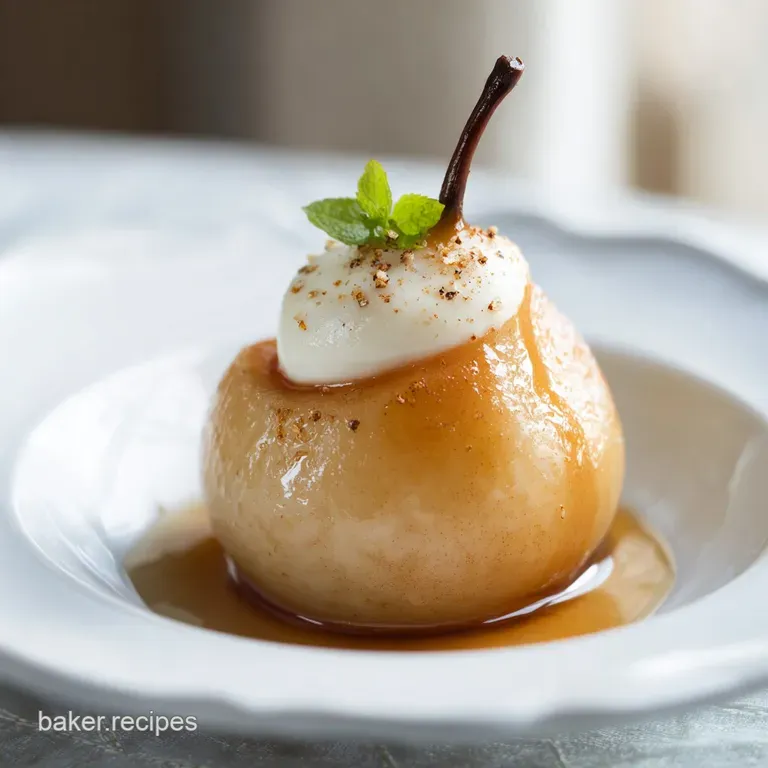
Plating is where this dish really shines. To get that "wow" factor, place the pear in the center of a shallow white bowl. Use a spoon to drizzle the reduced syrup slowly over the top, letting it run down the sides in thick, glossy ribbons.
A dollop of mascarpone cheese or slightly sweetened whipped cream on the side provides a beautiful color contrast against the deep red.
For added texture, sprinkle some toasted almond slivers or crushed pistachios around the base. The "shatter" of the nuts against the "velvety" pear is a sensory dream. If you really want to go all out, garnish with a fresh sprig of mint or a small piece of the star anise used in the poaching liquid.
It signals to your guests exactly what flavors they are about to experience.
If you want X, do Y: If you want a poached pears recipe dessert that's extra indulgent, serve it inside a warm puff pastry shell. If you want a lighter finish, serve with a scoop of lemon sorbet.
If you want a "modern" look, slice the pear into thin fans but keep it connected at the stem.
This dish proves that you don't need a huge budget or a lot of time to make something that looks and tastes like a masterpiece. Just remember: firm pears, low heat, and don't forget the parchment lid! Happy poaching!
Recipe FAQs
What is the best way to poach pears?
Simmering gently in a saucepan with a parchment paper lid. This ensures even cooking and consistent coloration across the entire pear.
What liquid is best for poaching pears?
A dry red wine provides the deepest color and flavor complexity. For a non-alcoholic option, strong brewed black tea or pomegranate juice are excellent substitutes.
How long do pears need to be poached?
Typically 20 to 30 minutes on a gentle simmer. The pear is done when a paring knife slides into the thickest part with very little resistance, but the fruit still holds its shape.
What is the difference between poached and baked pears?
Poached pears are cooked submerged in liquid, resulting in a silky texture and deep flavor infusion. Baked pears are cooked dry in the oven, usually resulting in a slightly firmer texture and concentrating the natural fruit sugars.
Can I use soft pears for poaching?
No, stick with firm, underripe fruit. Soft pears will break down quickly in the hot liquid and turn into an unappetizing mush.
How do I ensure the syrup is thick and glossy?
Remove the pears and rapidly boil the remaining poaching liquid until reduced. This concentrates the sugar and creates the perfect glaze consistency; mastering this viscosity skill is key, similar to finishing sauces in our Cranberry Sauce Recipe.
Can poached pears be made ahead of time?
Yes, they are often better when made ahead. Store them completely submerged in their cooled syrup in an airtight container in the refrigerator for up to five days.
Simple Poached Pears Recipe
Ingredients:
Instructions:
Nutrition Facts:
| Calories | 321 kcal |
|---|---|
| Protein | 0.8 g |
| Fat | 0.3 g |
| Carbs | 64 g |
| Fiber | 5.2 g |
| Sugar | 58 g |
| Sodium | 7 mg |
