Soft and Chewy Oatmeal Scotchies: a Brown Butter Masterclass
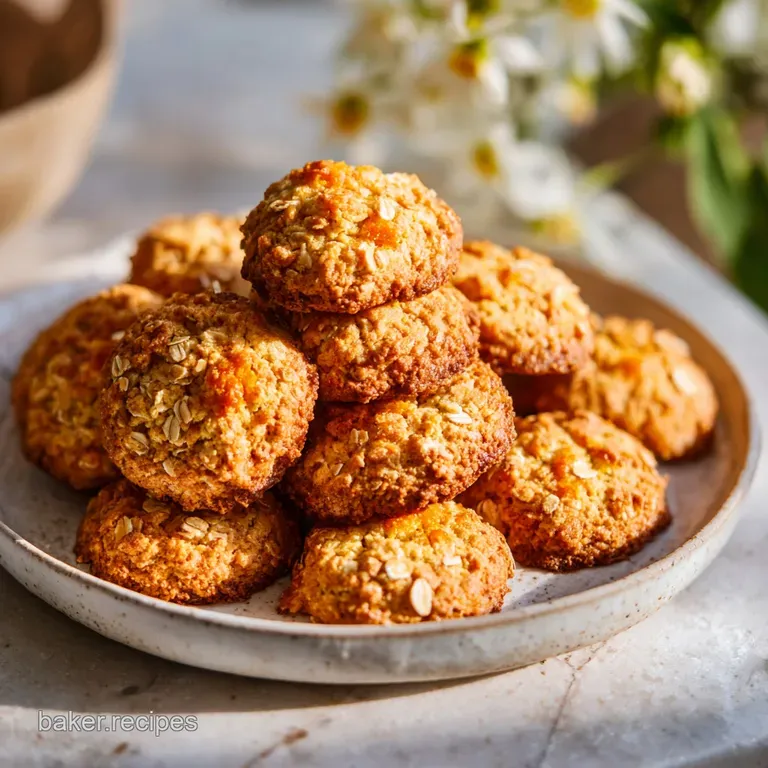
- Time: Active 35 minutes, Passive 10 minutes, Total 45 minutes
- Flavor/Texture Hook: Shatter crisp edges with a bendy, toffee rich center
- Perfect for: School bake sales, weekend meal prep, or cozy nights
- Master Soft and Chewy Oatmeal Scotchies
- Why This Recipe Works
- Ingredient Deep Dive Breakdown
- Gathering Your Essentials
- Easy Minimal Tool Setup
- From Prep to Plate
- Troubleshooting Your Cookie Batch
- Making the Recipe Fit
- Myths About Oatmeal Cookies
- Storage and Zero Waste
- Serving Suggestions
- Recipe FAQs
- 📝 Recipe Card
Master Soft and Chewy Oatmeal Scotchies
Listen, I used to think oatmeal cookies were just a vehicle for raisins, and frankly, I wasn't interested. Then I had a butterscotch version at a local bakery that changed my entire outlook on life.
The smell of that nutty, toasted butter hitting the dark brown sugar was enough to make me rethink every snack choice I'd ever made.
But most recipes I tried at home came out either like dry granola pucks or greasy puddles that spread across the pan. It was frustrating. I wanted that specific bendy, chewy center that holds its shape but feels like fudge when you bite into it.
After tweaking the fat ratios and obsessing over how oats actually absorb moisture, I realized the secret isn't just the ingredients it’s how you treat the butter.
This isn't your grandma’s recipe from the back of a yellow bag. We’re using brown butter, an extra egg yolk for richness, and a mandatory "rest" period that ensures the oats don't suck the moisture out of the dough while it bakes.
The result is a cookie that stays soft for days, provided you don't eat them all while they’re still warm on the tray.
Why This Recipe Works
Most people just toss everything in a bowl and hope for the best, but a little bit of kitchen logic goes a long way here. We aren't just making a cookie; we are managing how moisture moves between the flour, the oats, and the sugar.
- Maillard Depth: Browning the butter creates toasted milk solids that mimic the flavor of the butterscotch chips, creating a cohesive taste.
- Lecithin Boost: Using one whole egg plus an extra yolk adds extra fat and emulsifiers, which yields a much denser, fudgier crumb.
- Starch Hydration: Resting the dough for 10 minutes allows the dry oats to soak up liquid from the eggs and butter so they soften properly.
- Hygroscopic Pull: The high ratio of dark brown sugar pulls moisture from the air, keeping the cookies from turning into crackers overnight.
| Method | Total Time | Texture | Best For |
|---|---|---|---|
| Brown Butter (This Recipe) | 45 minutes | Velvety, nutty, deeply chewy | Maximum flavor and soft texture |
| Traditional Creamed Butter | 35 minutes | Lighter, fluffier, more cake like | Speed and a classic airy bite |
| Chilled Dough Method | 3 hours+ | Thick, bakery style, less spread | Those who want a massive, tall cookie |
Choosing the brown butter method adds about 5 minutes to your active time, but the payoff in flavor is massive. It creates a profile that tastes like homemade toffee without the effort of actually making candy.
Ingredient Deep Dive Breakdown
| Component | Role in Recipe | Pro Secret |
|---|---|---|
| Old Fashioned Oats | Provides the essential structure and hearty chew | Never use quick oats; they turn into mush and lose the "shatter" texture. |
| Dark Brown Sugar | Adds moisture and a deep molasses undertone | Pack it tight into the cup to ensure you're getting the full acidity needed for the soda. |
| Unsalted Butter | The primary fat source and flavor carrier | Using unsalted lets you control the seasoning with flaky salt at the end. |
| Butterscotch Chips | The star flavor profile | Look for chips with real vanilla for a less "artificial" sweetness. |
Getting the right ingredients is half the battle. If you're a fan of these deep, caramelized notes, you might also enjoy my ultimate salted toffee crunch which uses a similar flavor profile but in a candy format.
Gathering Your Essentials
You need 1 cup of unsalted butter to start. This gets melted and browned, so don't worry about softening it beforehand. For the sugars, we’re using a heavy hand with 1 cup of packed dark brown sugar and 1/2 cup of granulated white sugar.
The dark brown sugar is non negotiable here; the molasses content is what gives us that "soft and chewy" promise.
For the binder, grab 1 large egg and 1 large egg yolk. Both should be at room temperature so they don't seize the warm butter. You'll also need 1 tablespoon of vanilla extract yes, a full tablespoon and 1.5 cups of all purpose flour.
The heart of the cookie comes from 3 cups of old fashioned rolled oats. Don't forget the leavening and seasoning: 1 teaspoon each of baking soda, ground cinnamon, and flaky sea salt. Finally, the 11 oz bag of butterscotch chips brings it all home.
| Original Ingredient | Substitute | Why It Works |
|---|---|---|
| Dark Brown Sugar | Light Brown Sugar | Works, but you'll lose some of the deep toffee color and chewiness. |
| Butterscotch Chips | Cinnamon Chips | Changes the flavor but keeps the same melting point and texture. |
| All Purpose Flour | 1 to-1 gluten-free Blend | Rice based blends work well here because the oats provide so much structure. |
Easy Minimal Tool Setup
One of the reasons I love this recipe is that you don't need a heavy stand mixer. In fact, using a whisk and a spatula actually prevents you from over aerating the dough, which keeps it dense and chewy rather than cakey. You'll need a medium heavy bottomed saucepan for the butter.
A light colored pan is best so you can actually see the butter bits turning brown.
You also need a large mixing bowl, a sturdy whisk, and a #20 cookie scoop, which holds about 3 tablespoons of dough. Using a scoop is the only way to ensure every cookie bakes at the same rate. Finally, line two large baking sheets with parchment paper.
Trust me, butterscotch chips love to stick to bare metal, and you don't want to be scrubbing pans all night.
From Prep to Plate
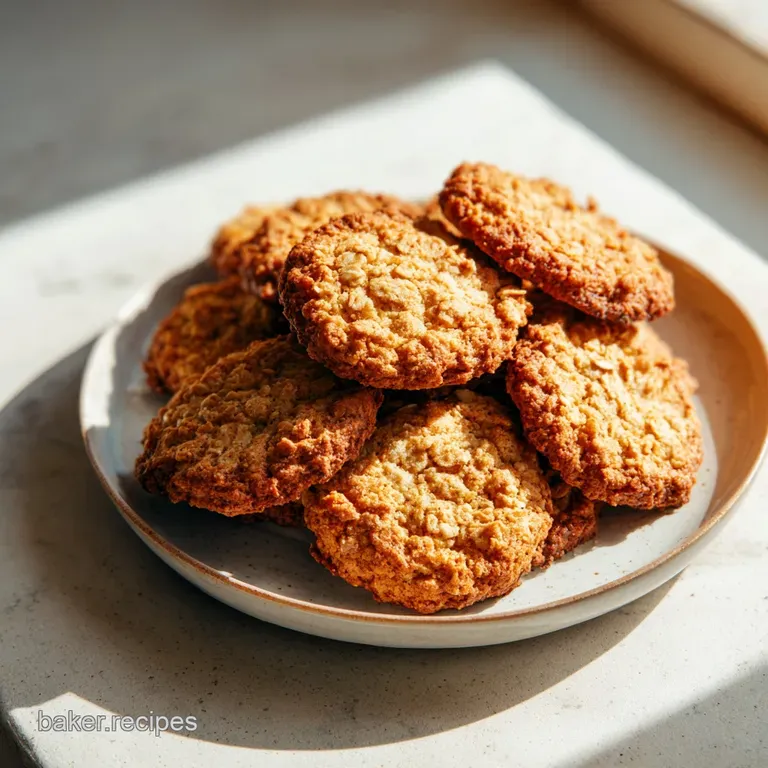
- Brown the butter. Melt 1 cup of butter in your saucepan over medium heat. Whisk it constantly. It will bubble, then foam, and then you'll see little brown specks. When it smells like toasted hazelnuts, take it off the heat immediately.
- Cool it down. Pour that liquid gold into a large bowl and let it sit for about 5 to 10 minutes. It should be warm but not scalding.
- Mix the sugars. Add 1 cup dark brown sugar and 1/2 cup white sugar. Whisk it until it looks like wet, gritty sand.
- Emulsify the fats. Whisk in the egg, the extra egg yolk, and 1 tablespoon of vanilla. You need to whisk this vigorously for about 2 minutes. Stop when the mixture is glossy and smooth.
- Add dry ingredients. Fold in 1.5 cups flour, 1 teaspoon baking soda, 1 teaspoon cinnamon, and 1 teaspoon sea salt. Use a spatula and stop the second the flour streaks disappear.
- Stir in texture. Fold in the 3 cups of oats and the 11 oz of butterscotch chips until evenly distributed.
- The crucial rest. Let the dough sit on the counter for 10 minutes. This allows the oats to hydrate. While it rests, preheat your oven to 350°F.
- Scoop and bake. Use your #20 scoop to drop dough balls onto the parchment. Space them 2 inches apart.
- Watch the timer. Bake for 9 to 11 minutes. The edges should be golden, but the centers must look slightly underbaked.
- Final cool. Let them sit on the hot pan for 5 minutes to firm up. If you like, sprinkle a little extra sea salt on top while they're still tacky.
Troubleshooting Your Cookie Batch
Why Your Cookies Spread Too Much
If your cookies turned into one giant sheet cake on the pan, your butter was likely still too hot when you added the sugar and eggs. When the butter is too warm, it doesn't hold the air bubbles or the sugar structure properly. Next time, give the browned butter a full 10 minutes to cool down.
Also, check that your baking soda isn't expired; without that little lift, the dough just collapses outward.
Why Your Cookies Are Tough
Tough cookies usually come from over mixing once the flour is added. Flour contains gluten, which develops and gets stronger the more you stir it. You want to fold the flour in just until you can’t see any white patches left.
If you keep stirring like you’re trying to win a marathon, you’ll end up with bread like cookies.
| Problem | Root Cause | Solution |
|---|---|---|
| Gritty texture | Sugars didn't dissolve | Whisk the butter and sugar for a full minute longer before adding eggs. |
| Dry and crumbly | Too many oats or old eggs | Use large eggs and ensure you aren't packing the oats into the measuring cup. |
| Burnt bottoms | Dark baking sheets | Use light colored pans or double up on parchment paper to insulate the dough. |
Common Mistakes Checklist
- ✓ Never skip the 10 minute rest; it’s the difference between a soft cookie and a dry one.
- ✓ Use Old Fashioned oats, not the "Quick" or "Instant" variety.
- ✓ Don't overbake; the centers should look slightly "wet" when you pull them out.
- ✓ Measure your flour by spooning it into the cup rather than dipping the cup into the bag.
- ✓ Make sure your egg and yolk are at room temperature to prevent the butter from clumping.
Making the Recipe Fit
If you only need a small batch, you can easily halve this. Beat one whole egg in a small bowl and use exactly half of it, then use just the yolk from a second egg. You'll want to use smaller baking sheets and check the oven about 2 minutes earlier since the smaller mass of dough in the bowl might not retain heat as long.
If you're doubling the recipe for a party, don't just double the salt and cinnamon. Spices can become overwhelming when scaled up linearly. Use 1.5x the salt and cinnamon instead of 2x. Also, work in batches.
Don't try to crowd three trays into the oven at once; the airflow will be blocked, and you'll get uneven browning. Bake one or two trays at a time on the middle rack for the best results.
Myths About Oatmeal Cookies
One of the biggest misconceptions is that you need to chill this dough overnight for it to be good. While chilling does deepen the flavor, the brown butter we use provides that "aged" flavor immediately.
You can bake these 10 minutes after mixing and they will taste better than traditional dough that sat for 24 hours.
Another myth is that "more oats equals more health." In reality, adding too many oats just dries out the cookie. The ratio in this recipe is carefully balanced to ensure there is enough fat and sugar to coat every single oat flake. If you want a hearty side to balance the sweetness of a cookie heavy lunch, try serving these after a fresh egg macaroni salad for a classic picnic feel.
Storage and Zero Waste
These cookies are champions at staying fresh. Keep them in an airtight container at room temperature for up to 5 days. If they do start to get a little firm, toss a piece of plain white bread into the container. The cookies will pull the moisture out of the bread and soften right back up.
You can also freeze the baked cookies for up to 3 months just wrap them individually in plastic wrap so they don't pick up "freezer smells."
For zero waste, don't throw away the "fines" or the dusty bits at the bottom of your oat bag. Sift them into your flour! They add a concentrated oat flavor and help thicken the dough.
If you have leftover butterscotch chips, chop them up and use them as a topping for morning oatmeal or stir them into your coffee for a DIY butterscotch latte.
Serving Suggestions
These are obviously a dream with a cold glass of milk, but if you want to get fancy, try making ice cream sandwiches. Sandwich a scoop of vanilla bean or salted caramel ice cream between two cookies and freeze them for an hour. The cookies are soft enough that they won't break your teeth even when frozen.
If you're serving these at a gathering, a sprinkle of flaky sea salt on top right after baking is the move. It cuts through the intense sweetness of the butterscotch and makes the whole thing feel more "adult." They also pair beautifully with a sharp espresso or a dark roast coffee, as the bitterness of the bean balances the buttery, sugary profile of the scotchie.

Recipe FAQs
Are oatmeal scotchies hard or soft?
They are soft and chewy. By resting the dough for 10 minutes to hydrate the oats and baking them only until the centers still look slightly soft, you achieve a perfectly moist texture.
What is the secret to soft oatmeal cookies?
The secret is whisking the egg, yolk, and sugars vigorously for 2 minutes. This emulsification creates a glossy, stable base that maintains a tender crumb; if you enjoyed mastering this aeration technique, apply the same principle to our soft chocolate chip cookies.
What are oatmeal scotchies?
They are a classic cookie variant featuring a base of old-fashioned rolled oats and butterscotch chips. The addition of brown butter and cinnamon gives them a distinctively deep, nutty, and spiced profile compared to standard oatmeal raisin cookies.
How to make oatmeal cookies chewy and soft?
Allow the dough to rest for 10 minutes at room temperature before scooping. This resting time allows the rolled oats to fully hydrate, which prevents the cookies from becoming dry or gritty during the 9-11 minute bake time.
Is it true I should bake these at a higher temperature for crunchier edges?
No, this is a common misconception. Sticking to the 350°F (175°C) setting is essential for consistency, as higher heat will cause the sugars and butterscotch to burn before the centers have a chance to set properly.
How to keep these cookies soft after baking?
Store them in an airtight container with a slice of plain white bread. The cookies will absorb residual moisture from the bread, keeping them soft for up to 5 days.
How to prevent the cookies from spreading too much?
Use room temperature eggs and ensure the brown butter has cooled for at least 5 10 minutes before mixing. If the butter is too warm when it hits the sugars, the fat will melt prematurely in the oven, leading to flat, thin cookies instead of thick, chewy ones.
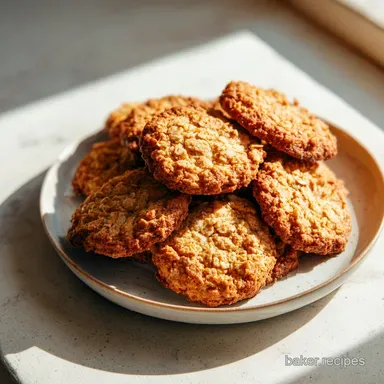
Soft And Chewy Oatmeal Scotchies
Ingredients:
Instructions:
Nutrition Facts:
| Calories | 260 kcal |
|---|---|
| Protein | 2.5 g |
| Fat | 12.4 g |
| Carbs | 35.1 g |
| Fiber | 1.3 g |
| Sugar | 21.3 g |
| Sodium | 125 mg |
