Soft and Chewy Chocolate Chip Cookies
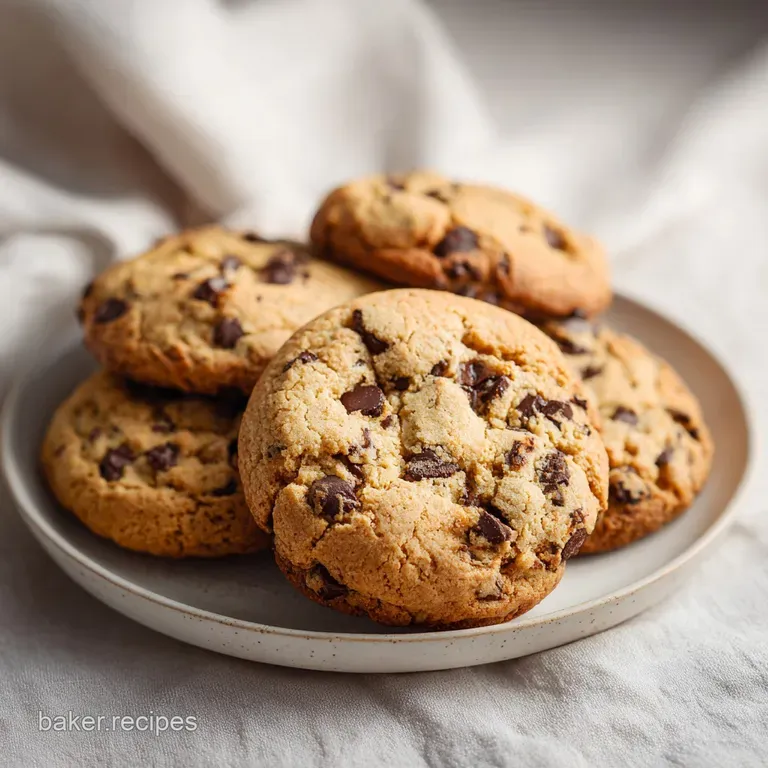
- Time: Active 15 minutes, Passive 10 minutes, Total 25 minutes
- Flavor/Texture Hook: Buttery, bendable, and intensely brown sugar forward
- Perfect for: Late night cravings or anyone who hates cleaning a stand mixer
- Bake This Soft and Chewy Chocolate Chip Cookie Recipe
- Why This Works
- The Secret Science of Cookie Components
- Tools Needed for Better Baking
- Step-by-Step Guide to Perfect Cookies
- Fix Your Cookie Baking Problems
- Scaling the Batch Up or Down
- Common Baking Myths Debunked
- Keeping Your Cookies Fresh Longer
- Perfect Pairings for Your Treats
- Recipe FAQs
- 📝 Recipe Card
Bake This Soft and Chewy Chocolate Chip Cookie Recipe
Forget everything you’ve been told about needing a heavy duty mixer or cold, cubed butter to make the ultimate treat. There's a common myth that you have to beat butter and sugar for five minutes to get a good cookie, but that actually incorporates too much air.
If you want that specific bakery style "bend," air is actually your enemy. We want density, we want moisture, and we want that glossy, crackled top that only comes from a specific type of sugar saturation.
Here's the one standout recipe for the softest and chewiest chocolate chip cookies you'll ever bake. When you pull these out of the oven, the aroma of toasted vanilla and caramelized molasses will literally fill every corner of your kitchen.
You don't need fancy equipment, and you definitely don't need to wait for butter to soften on the counter for three hours. We're going for a method that focuses on simplicity and results rather than tradition.
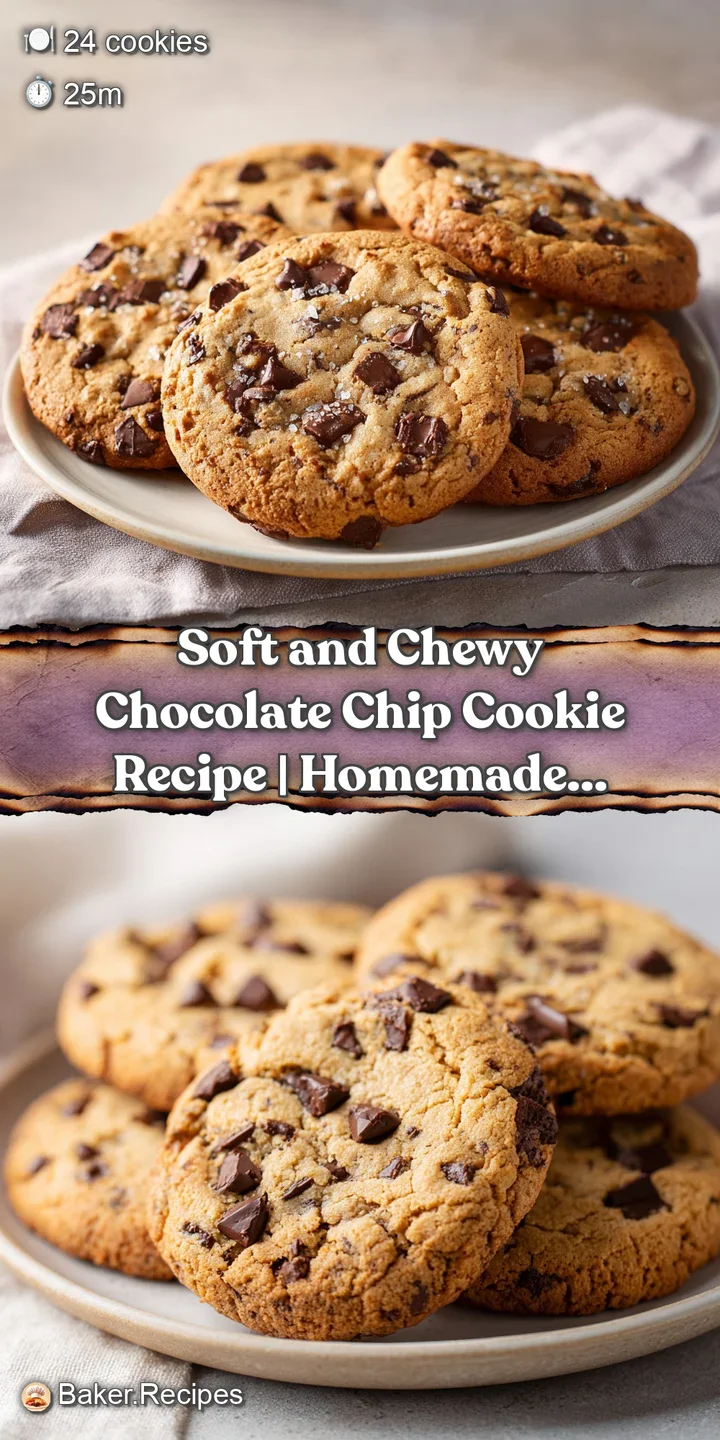
I remember the first time I tried this melted butter trick. I was used to the "creaming" method and expected these to come out flat and greasy. Instead, they were the most velvety, rich cookies I’d ever tasted. The edges had this subtle snap while the center remained almost dough like in the best way possible.
This recipe isn't about fluff; it's about that deep, satisfying chew that makes you reach for a glass of milk immediately.
Why This Works
- Low Air Incorporation: Using melted butter instead of softened butter prevents the "creaming" process, which keeps the dough dense and chewy rather than light and cake like.
- Fat to Protein Ratio: The addition of one extra egg yolk adds lecithin and extra fat, which creates a rich, tender crumb that resists drying out.
- Sugar Hygroscopy: Dark brown sugar contains more molasses than light brown sugar, which means it naturally attracts and holds onto moisture even after baking.
- Maillard Reaction Timing: Baking at 350°F allows the edges to set and caramelize quickly while the high moisture content in the center stays soft.
| Method | Time | Texture | Best For |
|---|---|---|---|
| Standard Oven | 10 minutes | Crisp edges, soft center | Large batches and classic results |
| Air Fryer | 7 minutes | Extra crispy exterior | Single servings or small cravings |
| Cast Iron Skillet | 20 minutes | Fudgy and deep dish style | Sharing with spoons and ice cream |
Choosing the right method depends entirely on your patience and how many people you're trying to feed. The oven is the gold standard for this specific Soft and Chewy Chocolate Chip Cookie Recipe because it provides the most even heat distribution.
While the air fryer is fast, it can sometimes dry out the center if you aren't careful. If you decide to go the skillet route, keep in mind that the residual heat will continue cooking the dough for a long time after it leaves the heat, so pull it early.
The Secret Science of Cookie Components
| Ingredient | Science Role | Pro Secret |
|---|---|---|
| Melted Butter | Fat & Hydration | Let it cool slightly so it doesn't scramble the eggs or dissolve all the sugar crystals instantly. |
| Dark Brown Sugar | Moisture Retention | Pack it tight in the cup to ensure the molasses content is high enough for that "bend." |
| Egg Yolk | Emulsifier | The extra yolk provides the structural "glue" that keeps the cookie from crumbling when you bite it. |
| Baking Soda | Leavening & Browning | It reacts with the acidic molasses in the brown sugar to create a subtle lift and beautiful golden color. |
When we talk about the Soft and Chewy Chocolate Chip Cookie Recipe, the interaction between these four items is where the magic happens. The melted butter coats the flour proteins, which actually slows down gluten development. This is why these cookies don't turn out tough like bread. If you're interested in how different fats behave in the oven, you might find that my Peanut Butter Bread recipe uses a similar fat to flour logic to keep things tender.
Tools Needed for Better Baking
You don't need a massive arsenal of gadgets to pull this off. In fact, a simple glass bowl and a sturdy whisk are usually better than a stand mixer for this method. Because we aren't creaming butter, a hand held whisk allows you to feel the texture of the sugar as it dissolves into the fat.
You'll also want a medium cookie scoop if you have one, but two spoons work just as well for that rustic look.
Parchment paper is another non negotiable for me. Silpat mats are fine, but parchment actually helps the bottom of the cookies brown more evenly without making them spread too much. If you use a dark colored baking sheet, the bottoms might brown faster than the tops, so keep a close eye on the clock.
A simple wire cooling rack is the final piece of the puzzle, as it stops the "steaming" process that happens when cookies sit on a hot pan for too long.
step-by-step Guide to Perfect Cookies
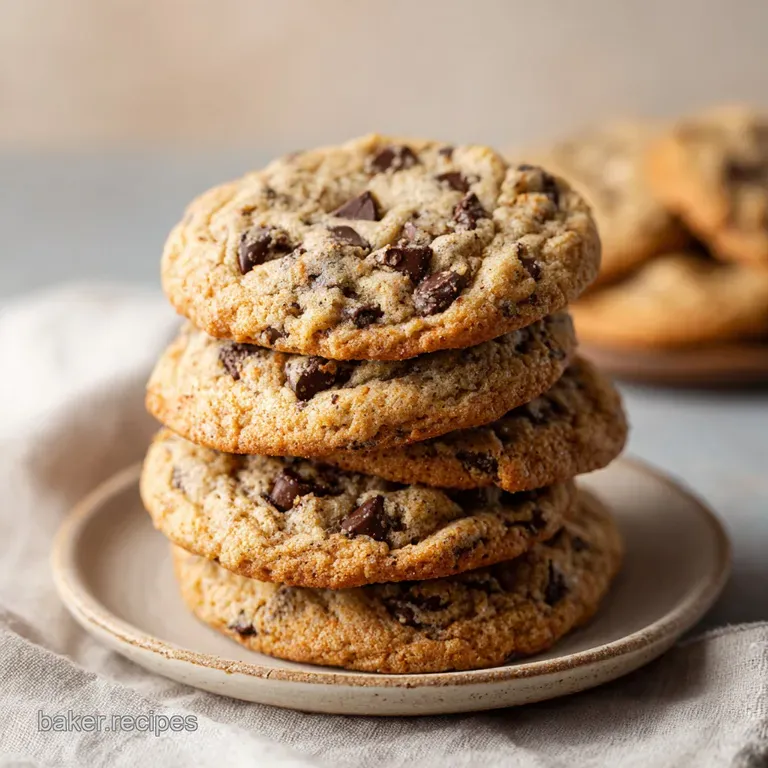
- Whisk the fats. Combine 1 cup (226g) of melted and slightly cooled unsalted butter with 1 cup (200g) of dark brown sugar and 0.5 cup (100g) of granulated white sugar. Note: Whisk for 2 minutes until it looks like wet sand and no oil is visible.
- Emulsify the eggs. Add 1 large egg, 1 large egg yolk, and 1 tbsp vanilla bean paste. Note: Whisk vigorously until the batter is glossy and lightened.
- Prepare dry base. Sift 2.25 cups (280g) all purpose flour, 1 tsp baking soda, and 0.75 tsp sea salt directly into the wet mixture.
- Fold the dough. Use a spatula to gently fold the flour into the butter mixture until just a few white streaks remain. Note: Over mixing here will make the cookies tough.
- Add the chips. Fold in 2 cups (340g) of semi sweet chocolate chips. Note: Reserve a handful to press into the tops for a professional look.
- Portion the dough. Scoop rounded tablespoons onto parchment lined sheets, leaving 2 inches of space between each ball.
- Bake the batch. Place in a preheated 350°F (175°C) oven for 9–11 minutes until edges are set but centers are pale.
- Finish and set. Remove from the oven and immediately sprinkle with 1 tsp flaky sea salt. Let them firm up on the pan for at least 5 minutes.
Chef's Tip: If your cookies come out in irregular shapes, use a large round glass or cookie cutter to gently "scoot" the warm cookies into perfect circles immediately after they come out of the oven.
Fix Your Cookie Baking Problems
Why Your Cookies Spread Too Much
If your cookies end up looking like thin pancakes, the butter was likely too hot when you mixed it with the sugar. When the butter is hot, it melts the sugars too quickly and doesn't provide enough structure to hold the flour.
Another culprit could be a warm baking sheet; never put raw dough onto a pan that just came out of the oven.
| Problem | Root Cause | Solution |
|---|---|---|
| Thin/Greasy | Butter was too hot | Let melted butter sit for 5-10 mins before mixing. |
| Cakey/Puffy | Too much egg or flour | Use a kitchen scale for flour; don't skip the extra yolk. |
| Hard/Dry | Overbaked | Pull them out when the centers still look slightly "underdone." |
The "underbaked" look is the most important part of this Soft and Chewy Chocolate Chip Cookie Recipe. If they look done in the oven, they will be overdone by the time they cool. The residual heat on the baking sheet is what finishes the cooking process.
- ✓ Measure flour by spooning it into the cup and leveling it (or use a scale).
- ✓ Ensure the egg is at room temperature so it emulsifies properly with the butter.
- ✓ Do not over mix once the flour is added; stop as soon as you see no white streaks.
- ✓ Use dark brown sugar specifically; light brown sugar won't give the same depth.
Scaling the Batch Up or Down
If you're baking for a crowd, you can easily double this recipe. However, when doubling, I recommend only using 1.5 times the salt and baking soda to avoid a metallic aftertaste. You should also work in batches; don't try to crowd three trays into the oven at once, as this drops the oven temperature and messes with the rise.
For a half batch, use one whole egg but skip the extra yolk, or beat one egg and use exactly half of it by weight. When reducing the recipe, the baking time remains the same, but you’ll want to be even more precise with your flour measurements. A small error in a half batch is much more noticeable than in a full batch. If you love variety, you can use the second half of your dough to experiment with my Andes Mint chocolate cookies method by swapping the chips for mint chunks.
Common Baking Myths Debunked
One major myth is that you must chill the dough for 24 hours to get a good flavor. While chilling does help the flour hydrate, this specific recipe is designed for immediate baking. The high ratio of dark brown sugar and vanilla provides plenty of flavor without the wait.
Chilling is great if you have time, but it's not a requirement for a "Soft and Chewy Chocolate Chip Cookie Recipe."
Another myth is that "more flour equals a thicker cookie." While true, more flour also equals a drier, more crumbly cookie. If you want thickness, you're better off chilling the dough for 30 minutes rather than adding extra flour.
Adding too much flour masks the buttery flavor and ruins that velvety mouthfeel we're after.
Keeping Your Cookies Fresh Longer
To keep these cookies soft, store them in an airtight container with a single slice of white bread. The cookies will actually absorb the moisture from the bread, keeping them bendable for up to five days. You can also freeze the baked cookies for up to 3 months.
Just make sure they are completely cool before hitting the freezer, or the condensation will make them soggy.
For the zero waste cook, don't toss those tiny crumbs at the bottom of the jar! I love to save the broken bits and chocolate shards to fold into vanilla ice cream or sprinkle over a morning bowl of yogurt. If you have leftover dough that you don't want to bake right now, roll it into balls and freeze them on a tray.
Once solid, toss them into a freezer bag; you can bake them directly from frozen by adding just 2 minutes to the total bake time.
Perfect Pairings for Your Treats
The classic move is a cold glass of whole milk, but if you want to get fancy, try pairing these with a sharp espresso or a dark roast coffee. The bitterness of the coffee cuts through the richness of the dark brown sugar and sea salt perfectly.
For a more indulgent dessert, sandwich a scoop of salted caramel ice cream between two cookies while they are still slightly warm.
If you are hosting a brunch and want something less traditional, these cookies actually go surprisingly well with a bowl of fresh raspberries or tart strawberries. The acidity of the fruit balances the heavy fat content of the butter.
Whether you're eating them standing over the kitchen counter or serving them on a platter, these are always the first things to disappear. Don't be surprised if people ask you for the secret - just tell them it's all in the melted butter.
Recipe FAQs
What makes chocolate chip cookies soft and chewy?
The ratio of brown sugar to white sugar is key. Brown sugar contains molasses, which adds moisture and creates a deeper, chewier texture compared to pure white sugar.
What makes a cookie softer and chewier?
Using an extra egg yolk helps significantly. The additional fat and protein from the extra yolk provide structure while keeping the center tender and dense.
What is the secret to making a chewy cookie?
The secret is pulling them from the oven while the centers still look soft. If you enjoyed mastering this precise timing here, you can apply the same principle of sensory doneness to our Peanut Butter Cookies for equally perfect results.
What is the trick for soft cookies?
Avoid over mixing the flour. Once you add the flour, fold the mixture just until a few streaks remain to keep the gluten development low and the final texture soft.
How to ensure cookies don't dry out in the oven?
Bake at 350°F (175°C) for exactly 9 11 minutes. Removing them when the edges are barely golden ensures the centers finish firming up on the hot pan without losing their moisture.
Is it true I should let the dough rest before baking?
No, this is a common misconception. While some recipes suggest chilling, this specific formula is designed for immediate scooping and baking to maintain the ideal soft profile.
How to get that glossy, crackly surface?
Whisk the eggs and sugars vigorously until the batter lightens in color. This intense whisking creates a stable emulsion with the melted butter and sugars, which is essential for that signature professional finish.
Soft Chewy Chocolate Chip Cookies
Ingredients:
Instructions:
Nutrition Facts:
| Calories | 233 kcal |
|---|---|
| Protein | 2.1 g |
| Fat | 12.9 g |
| Carbs | 29.9 g |
| Fiber | 0.8 g |
| Sugar | 21.2 g |
| Sodium | 121 mg |
