The Ultimate Soft Chewy Oatmeal Cookies
- Time: Active 10 minutes, Passive 10 minutes, Total 20 minutes
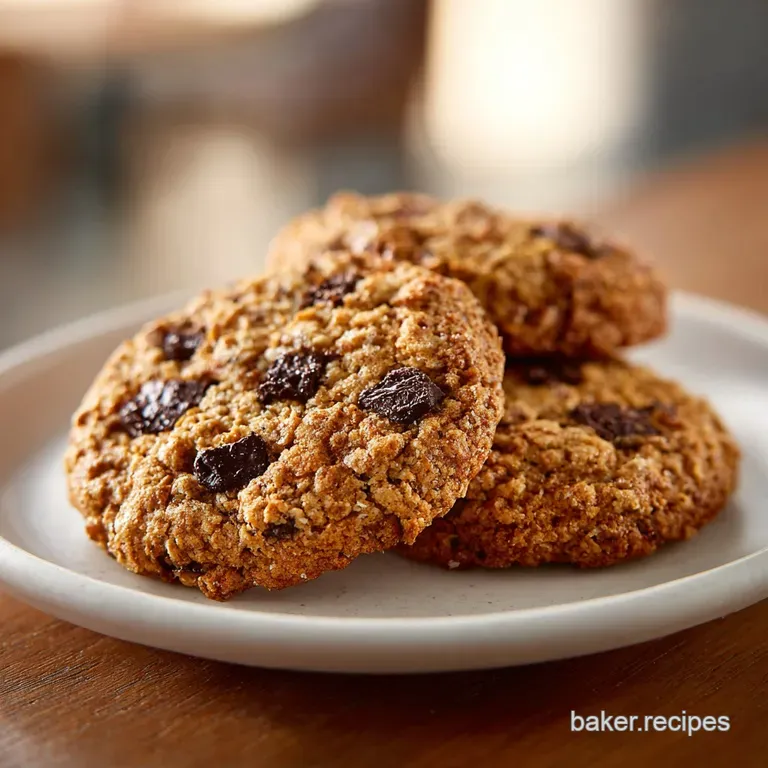
- Flavor/Texture Hook: Toasty, brown butter notes with a bendable, fudgy center and a slight oat chew.
- Perfect for: After school snacks, holiday cookie swaps, or whenever you need comfort food fast.
- Mastering Soft Chewy Oatmeal Chocolate Chip Cookies
- Essential Recipe Timing and Specs
- Choosing the Right Ingredient Components
- Equipment for Superior Baking Results
- The Complete Baking Walkthrough
- Solving Common Baking Problems
- Easy Substitutions and Flavor Twists
- Scaling the Recipe Up or Down
- Preserving Freshness and Flavor
- Creative Ways to Serve
- Cookie Myths Debunked
- Recipe FAQs
- 📝 Recipe Card
Mastering Soft Chewy Oatmeal Chocolate Chip Cookies
Have you ever wondered why some oatmeal cookies come out like dry, crumbly pucks while others have that specific, bendable fudge like center? It’s a question that kept me up far too long until I realized the answer wasn't just in the oats, but in the specific way we handle the moisture levels.
There is something almost hypnotic about the way the scent of toasted oats and warm cinnamon starts to drift through the hallways around the seven minute mark of baking. It’s a heavy, sweet aroma that signals something truly cozy is about to happen.
When you pull these out, the edges are just barely set, almost shimmering with a bit of butter, while the center looks like it might still be a little underdone. That is the exact moment of victory.
If you wait until they look "finished" in the oven, you've already lost the battle for that soft, chewy texture we're after. These are the cookies that make people stop and ask for the recipe before they've even finished their first bite.
They have enough structure to hold a mountain of chocolate chips but enough give to practically melt when they hit your tongue.
We are going for a texture that bridges the gap between a classic chocolate chip cookie and a hearty granola bar, but without any of the toughness. By using a mix of two different types of oats and a specific liquid sweetener trick, we ensure that the hydration stays locked inside the dough.
You won’t need to chill this dough for hours or hunt down obscure ingredients; it’s all about the chemistry of how the pantry staples you already have interact under heat. Let's get into what makes these the only oatmeal cookies you'll ever need to bake again.
Essential Recipe Timing and Specs
The Golden Ratio: The combination of light brown sugar and a touch of dark corn syrup creates a humectant effect. This means the cookies actually pull moisture from the air, preventing them from becoming stale or crunchy even after forty eight hours on the counter.
Dual Oat Dynamics: Using both old-fashioned and quick cooking oats is the "chef's kiss" for texture. The rolled oats provide that classic, rustic chew and visual appeal, while the quick oats act almost like a coarse flour, binding the dough together and creating a more uniform, soft crumb.
Temperature Precision: Room temperature eggs and softened butter are non negotiable here. If your butter is too cold, it won't cream properly with the sugars, leading to a dense cookie. If it’s melted, the cookies will spread into flat, greasy puddles.
We want that "just soft enough to leave a thumbprint" consistency.
The Underbake Principle: We bake these for exactly 10 minutes. The residual heat from the baking sheet what we call carry over cooking finishes the centers perfectly.
This keeps the starches from setting too firmly, which is the primary reason cookies turn hard once they cool down.
| Method | Total Time | Texture | Best For |
|---|---|---|---|
| Fast (This Recipe) | 20 minutes | Ultra soft, fudgy, bendable | Immediate cravings, bake sales |
| Chilled Dough | 2 hours 20 mins | Deep caramel notes, thicker | Advanced prep, dinner parties |
| Double Baked | 35 minutes | Crisp, crunchy, dunkable | Shipping in the mail, biscotti fans |
The difference between a "good" cookie and a "legendary" one often comes down to the temperature of your kitchen and the age of your baking soda. If you're baking on a humid day, you might find the dough a bit stickier, but resist the urge to dump in extra flour. Trust the process and the measurements provided.
| Ingredient Component | Science Role | Pro Secret |
|---|---|---|
| Dark Corn Syrup | Moisture Retention | Prevents sugar crystallization for a "bendy" feel. |
| Quick Cooking Oats | Binding Agent | Fills the gaps between rolled oats for a tighter crumb. |
| Light Brown Sugar | Caramelization | High molasses content keeps the interior soft and tangy. |
| Baking Soda | Leavening & Browning | Reacts with acidic brown sugar to create lift and golden edges. |
A common mistake I see is people trying to substitute the dark corn syrup for more white sugar. Don't do it! That syrup is the secret weapon for that professional, chewy bakery texture.
If you really hate corn syrup, honey works, but it will change the flavor profile significantly, making it more floral and slightly more prone to browning too quickly.
Choosing the Right Ingredient Components
To make these soft chewy oatmeal chocolate chip cookies, you need to be intentional about your pantry choices. Each item on this list has a specific job, from the way the fat carries the flavor to the way the oats absorb the moisture of the eggs.
- 1 cup (225g) unsalted butter, softened: Why this? Provides the fat base and crucial creamy structure when whipped with sugars.
- Substitute: Salted butter (just reduce the added sea salt by half).
- 1 cup (200g) light brown sugar, packed: Why this? Adds moisture and a deep molasses flavor that defines the "chewy" characteristic.
- Substitute: Dark brown sugar for an even deeper, more intense caramel flavor.
- 1/2 cup (100g) granulated white sugar: Why this? Helps create those slightly crisp, golden edges that contrast the soft middle.
- Substitute: Coconut sugar, though it will result in a slightly drier, grainier texture.
- 2 large eggs, room temperature: Why this? They provide structure and leavening; room temp ensures they emulsify perfectly with the butter.
- Substitute: Flax eggs (2 tbsp ground flax + 6 tbsp water), but the lift will be lower.
- 1 tbsp (15ml) pure vanilla extract: Why this? Enhances the chocolate and oat flavors, making everything taste more "homemade."
- Substitute: Vanilla bean paste for those beautiful little black specks and intense aroma.
- 1 tbsp (20g) dark corn syrup: Why this? The "secret sauce" that ensures a flexible, soft texture that lasts for days.
- Substitute: Honey or maple syrup, though the cookies will be slightly more prone to spreading.
- 2 cups (250g) all purpose flour: Why this? The structural backbone. We use AP flour for a balanced protein content.
- Substitute: A 1:1 gluten-free flour blend if you need to skip the wheat.
- 1 tsp (5g) baking soda: Why this? Reacts with the brown sugar to create carbon dioxide, giving the cookies a light lift.
- Substitute: 3 tsp baking powder (but the texture will be cakier and less chewy).
- 1 tsp (5g) ground cinnamon: Why this? Warmth. It’s the essential pairing for oats that makes the flavor feel complete.
- Substitute: Apple pie spice or a pinch of nutmeg for a more complex spice profile.
- 1/2 tsp (3g) sea salt: Why this? Balances the intense sweetness of the sugars and the rich chocolate chips.
- Substitute: Table salt (use slightly less as it’s finer) or Maldon flakes for the top.
- 1.5 cups (150g) old-fashioned rolled oats: Why this? Essential for that hearty, rustic texture and satisfying "chew" in every bite.
- Substitute: Extra quick oats, though you will lose the distinct "oatmeal" look and feel.
- 1.5 cups (150g) quick cooking oats: Why this? These smaller bits absorb moisture faster, creating a cohesive, soft dough structure.
- Substitute: Rolled oats pulsed 3-4 times in a food processor to break them down slightly.
- 2 cups (340g) semi sweet chocolate chips: Why this? Provides the "chip" in the cookie; semi sweet balances the sugary oat base perfectly.
- Substitute: Dark chocolate chunks or chopped bittersweet chocolate bars for a more grown up taste.
For a fun twist on flavors, I sometimes like to add a handful of pretzels. If you enjoy that sweet and salty combo, you might also want to try these butterscotch pretzel cookies which use a similar base logic but with a completely different flavor profile.
Equipment for Superior Baking Results
You don't need a high end pastry kitchen to nail these, but a few specific tools make the process much smoother. First and foremost, a stand mixer or a reliable hand mixer is your best friend.
Trying to cream butter and sugar by hand for three full minutes is a workout you probably don't want, and you likely won't get enough air into the mixture to get that "pale and fluffy" look that's so important for the final rise.
A 2 tablespoon cookie scoop (also known as a #40 scoop) is another "must have" for me. Uniform size isn't just about making them look pretty for Instagram; it’s about making sure every cookie on the sheet finishes baking at the exact same second.
If you have some giant cookies and some tiny ones, the tiny ones will burn before the big ones are even set. Also, invest in some parchment paper or silicone baking mats.
These prevent the bottoms from sticking and, more importantly, they provide a layer of insulation that prevents the bottoms from browning too quickly before the tops are done.
Finally,, a wire cooling rack is essential. If you leave the cookies on the hot baking sheet for more than the recommended five minutes, the bottoms will continue to cook and eventually become hard.
Moving them to a rack allows air to circulate around the entire cookie, setting the structure while keeping that soft chewy oatmeal chocolate chip cookies center intact.
The Complete Baking Walkthrough
- Preheat and Prep: Set your oven to 350°F (175°C). Line two large baking sheets with parchment paper or silicone mats. Note: This ensures a non stick surface and even heat distribution from the very first batch.
- Cream the Base: In your mixer, combine the 225g softened butter, 200g light brown sugar, and 100g granulated sugar. Beat on medium high for 3 minutes until the mixture looks pale, fluffy, and significantly increased in volume.
- Add Liquids: Incorporate the 2 large eggs one at a time, beating well after each. Pour in the 15ml vanilla extract and 20g dark corn syrup. Mix until the batter is smooth and fully emulsified.
- Whisk Dry Ingredients: In a separate bowl, stir together the 250g flour, 5g baking soda, 5g cinnamon, and 3g sea salt. Note: Whisking separately ensures the baking soda is evenly distributed so you don't get "soda spots" in your cookies.
- Combine Foundations: Gradually add the dry mixture to the wet ingredients. Mix on the lowest speed only until the last streaks of flour disappear.
- The Oat Fold: Using a sturdy silicone spatula, fold in the 150g rolled oats, 150g quick cooking oats, and 340g chocolate chips by hand. Do this until the chips are evenly distributed throughout the thick dough.
- Portion the Dough: Use your 2 tablespoon scoop to drop mounds of dough onto the sheets. Space them 2 inches apart to allow for the natural spread.
- Bake to Perfection: Slide the sheets into the oven for exactly 10 minutes. The edges should be golden brown but the centers will look slightly wet and puffy.
- The Sheet Rest: Leave the cookies on the hot baking sheet for 5 minutes. Note: This carry over cooking is vital for setting the base while keeping the top tender.
- Final Cooling: Move the cookies to a wire rack. Wait at least 10 minutes before eating so the chocolate can set slightly and the crumb can stabilize.
Chef's Tip: If you want those perfectly round, bakery style cookies, place a circular glass or cookie cutter over the hot cookies the second they come out of the oven and gently scoot them in a circular motion. This "rounds out" any irregular edges.
Solving Common Baking Problems
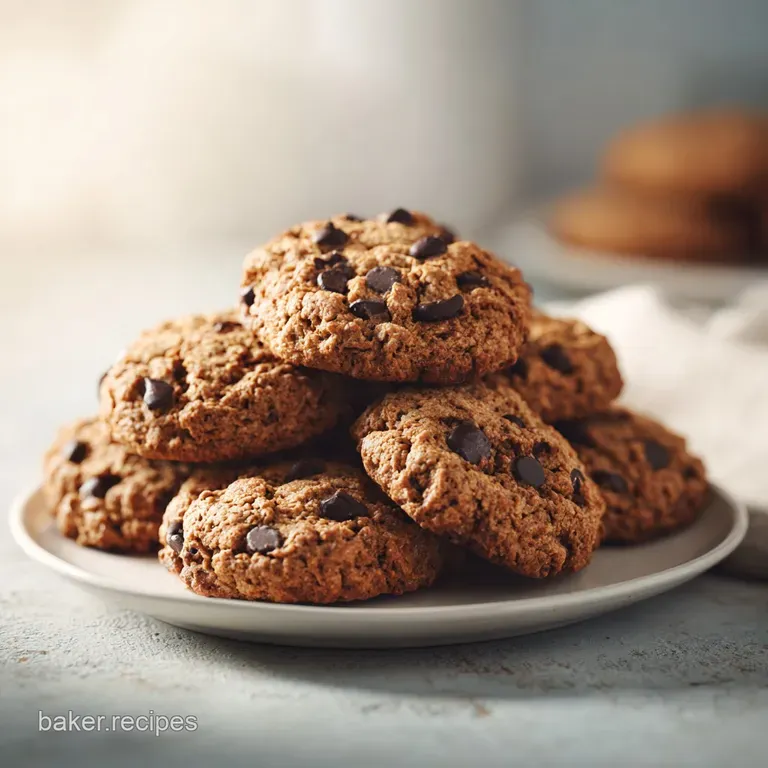
Even the best of us run into cookie trouble occasionally. Usually, it comes down to temperature or measurement errors. If your cookies aren't looking quite like the pictures, don't panic. Most issues are easily fixed for the next batch.
Why Your Cookies Are Too Flat
If your cookies spread into one giant "mega cookie" on the pan, your butter was likely too warm. When the fat is already near its melting point before it hits the oven, it doesn't have the structural integrity to hold the flour and oats up as the air bubbles expand.
Another culprit could be over creaming the butter and sugar, which incorporates too much air that then collapses.
Why Your Cookies Are Dry and Crumbly
This is almost always a result of over baking or over measuring the flour. If you "scoop" your flour directly with the measuring cup, you're likely packing it down and getting 20-30% more than you actually need. Always use the "spoon and level" method or, better yet, use a kitchen scale for the 250g of flour.
Also, remember that these cookies will look underdone at 10 minutes trust the timer!
| Problem | Root Cause | Solution |
|---|---|---|
| Greasy Bottoms | Butter was too soft/melted | Chill the dough for 15 mins before baking the next tray. |
| No Spread | Too much flour or cold ingredients | Ensure eggs are room temp and use a scale for flour. |
| Tough Texture | Over mixing after adding flour | Mix dry ingredients until just combined; don't over work. |
Common Mistakes Checklist
- ✓ Check your baking soda expiration date; if it's over 6 months old, your cookies won't rise.
- ✓ Never place raw cookie dough on a hot baking sheet from the previous batch; let the pan cool first.
- ✓ Don't skip the dark corn syrup - it’s the primary insurance policy against dryness.
- ✓ Use a mix of oats; using only rolled oats will make the cookies fall apart.
- ✓ Let the cookies rest on the pan for the full 5 minutes; moving them too soon will cause them to shatter.
Easy Substitutions and Flavor Twists
The beauty of this soft chewy oatmeal chocolate chip cookies recipe is how well it plays with other flavors. Once you have the base dough down, you can treat it like a canvas.
Adding Nutty Depth
If you want a more complex flavor, try browning the butter before you start. Melt the butter in a saucepan until it foams and turns nutty and brown, then let it solidify back to a "softened" state before creaming. You can also swap half of the chocolate chips for toasted walnuts or pecans.
The crunch of the nuts against the soft oat base is spectacular.
Dietary Adaptation Ideas
For a dairy-free version, use a high-quality vegan butter stick (like Miyoko's). Avoid the tub style "spreads" as they have too much water content and will make the cookies thin. For a gluten-free version, use a 1:1 AP flour replacement and ensure your oats are certified gluten-free.
The texture will be slightly grainier, but the flavor remains top tier.
If you find yourself loving the combination of oats and chocolate, you might also really enjoy making a peanut butter chocolate chip bread. It uses similar flavor profiles but in a loaf form that’s perfect for breakfast.
| Original Ingredient | Substitute | Why It Works |
|---|---|---|
| Semi Sweet Chips | White Chocolate & Cranberry | Tart/sweet combo. Note: Very sweet, reduce white sugar by 2 tbsp. |
| Dark Corn Syrup | Blackstrap Molasses | Deep, smoky intensity. Note: Changes color to a dark brown. |
| All Purpose Flour | Whole Wheat Pastry Flour | Nutty flavor, more fiber. Note: Keep the "pastry" version for softness. |
One of the best variations I've tried is adding a teaspoon of espresso powder to the dry ingredients. It doesn't make the cookies taste like coffee; instead, it acts as a flavor booster for the chocolate, making it taste much richer and more intense.
Scaling the Recipe Up or Down
Scaling Down (Makes 12 cookies): Halving this recipe is very straightforward. Use 112g butter, 100g brown sugar, and 50g white sugar. For the egg, since you can't easily halve a large egg, I recommend cracking one into a bowl, whisking it, and using exactly half of the liquid (about 25-28g).
Use a slightly smaller baking sheet and keep the bake time at 10 minutes.
Scaling Up (Makes 48 cookies): To double the batch, you can simply x2 all the ingredients. However, when doubling the baking soda and cinnamon, I usually use a "scant" double (just slightly less than the full amount) to prevent the flavors from becoming too medicinal.
You will likely need to bake in batches. Never crowd the oven with more than two sheets at a time, or the airflow will be restricted, leading to uneven browning.
Baking in Batches: If you are making a double batch, keep the remaining dough in the fridge while the first set bakes. This prevents the butter in the dough from getting too warm while it sits on the counter, ensuring that your last batch of cookies is just as thick and chewy as the first one.
Preserving Freshness and Flavor
Storage: These cookies stay remarkably soft thanks to the corn syrup and brown sugar. Store them in an airtight container at room temperature for up to 5 days. To keep them extra moist, you can put a single slice of white bread in the container; the cookies will actually absorb the moisture from the bread.
Freezing: You can freeze the baked cookies for up to 3 months. Wrap them individually in plastic wrap and then place them in a freezer bag. Even better, freeze the unbaked dough balls. Scoop them onto a tray, freeze until solid, then toss them into a bag.
You can bake them straight from frozen just add 2 minutes to the bake time!
Zero Waste Tip: If you happen to have a few cookies that do go stale, don't throw them out. Crumble them up and use them as a topping for vanilla ice cream, or pulse them in a food processor to make a "cookie crust" for a cheesecake or a banoffee pie.
You can even use the oat rich crumbs as a base for a decadent parfait.
Creative Ways to Serve
These cookies are a powerhouse on their own, but there are ways to make the experience feel even more special. There is nothing quite like a warm oatmeal cookie served with a cold glass of whole milk. The way the oats absorb the milk creates a nostalgic flavor that’s hard to beat.
For a more "modern" approach, try making ice cream sandwiches. Take two completely cooled cookies and sandwich a thick scoop of salted caramel or vanilla bean ice cream between them. Roll the edges in extra mini chocolate chips and freeze for an hour.
It’s a texture explosion with the chewy oat base and the creamy center.
Another favorite in our house is serving them alongside a sharp cheddar cheese plate. It sounds strange, but the salty, savory cheese pairs beautifully with the sweet, spiced oats and chocolate. It’s a very "old school" way of eating oatmeal treats that definitely deserves a comeback.
Cookie Myths Debunked
Many people believe that "old-fashioned oats" are always better for baking. In reality, using only old-fashioned oats can lead to a cookie that falls apart because the large flakes don't provide enough surface area for the dough to grab onto.
The mix of quick and rolled oats is actually the superior method for structural integrity.
Another common myth is that you must chill the dough to get a good cookie. While chilling helps with flavor development in some recipes, this specific dough is designed for immediate baking.
The combination of sugars and the corn syrup provides enough "heaviness" that the cookies won't over spread even without a fridge rest.
Finally, don't believe the idea that more leavening equals a softer cookie. Too much baking soda will actually give the cookies a metallic aftertaste and cause them to puff up and then collapse, leading to a thin, crispy texture rather than the thick, chewy one we are aiming for here. Trust the 1 teaspoon measurement!

Recipe FAQs
What is the trick to making soft and chewy cookies?
Cream the butter and sugars for the full 3 minutes. This process aerates the fat to create structure while ensuring the dough stays moist and tender.
How to make oatmeal cookies chewy and soft?
Use a combination of old-fashioned rolled oats and quick cooking oats. This specific blend provides the perfect density while preventing the cookies from falling apart, similar to how we adjust texture ratios in our peanut butter cookies.
What are the most common mistakes when making oatmeal cookies?
Overbaking and moving cookies too soon. The centers must look slightly wet when you remove them from the 350°F oven, and they require a 5-minute rest on the hot pan to finish setting safely.
What is the secret ingredient to keep cookies soft?
Dark corn syrup is your insurance policy against dryness. It acts as a humectant to retain moisture, ensuring your cookies stay chewy days after baking.
Is it true I can use a hot baking sheet for the next batch of cookies?
No, this is a common misconception. Placing raw dough onto a hot pan will cause the butter to melt prematurely, leading to flat, greasy cookies instead of soft, chewy ones.
How to tell if my baking soda is still good for rising?
Check the expiration date before starting. If the baking soda is over 6 months old, it loses its leavening power, and your cookies will fail to rise correctly.
Should I substitute quick cooking oats for rolled oats?
No, use both types as directed. Using only one variety of oat throws off the moisture balance and the overall structure of the cookie.
Soft Chewy Oatmeal Cookies
Ingredients:
Instructions:
Nutrition Facts:
| Calories | 280 kcal |
|---|---|
| Protein | 3.9 g |
| Fat | 13.3 g |
| Carbs | 38.4 g |
| Fiber | 2.4 g |
| Sugar | 20.6 g |
| Sodium | 115 mg |
