Stuffed French Toast Recipe with Cream Cheese
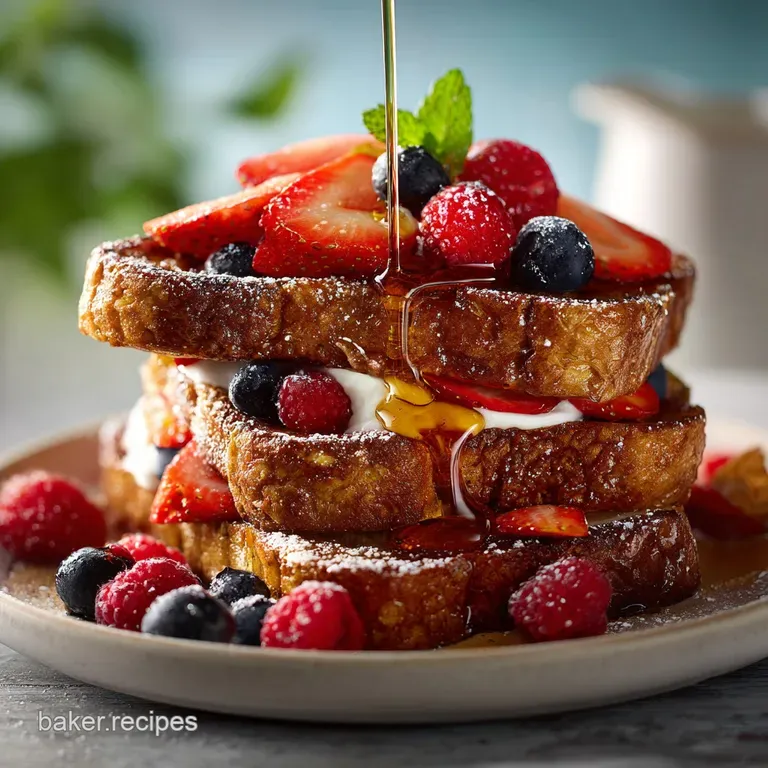
- Time: Active 15 minutes, Passive 10 minutes, Total 25 minutes
- Flavor/Texture Hook: Shatter crisp buttery edges with a molten, vanilla flecked center
- Perfect for: Weekend brunch or a high protein special occasion breakfast
- Master the Best Stuffed French Toast Recipe
- Science Behind the Golden Crust
- Planning Your Morning Prep Timeline
- Choosing Your Premium Breakfast Elements
- Essential Tools for Morning Success
- Executing the Golden Pan Sear
- Fixing Common French Toast Flaws
- Creative Ways to Customize Filling
- Scaling Your Breakfast Production
- Keeping Your Leftovers Fresh
- Best Sides for French Toast
- Kitchen Myths Debunked
- Recipe FAQs
- 📝 Recipe Card
Master the Best Stuffed French Toast Recipe
The kitchen is quiet, except for that rhythmic tink tink tink of a whisk hitting a ceramic bowl. Then comes the sizzle. That unmistakable sound of butter meeting a hot skillet, followed immediately by the aroma of toasted cinnamon and warm maple.
If you have ever felt the heartbreak of a stuffed french toast recipe that looks beautiful on the outside but remains cold and raw in the middle, you are in the right place. I have spent many Sunday mornings scraping soggy bread into the bin so you don't have to.
We aren't just making a sandwich and dipping it. We are creating a pocket of "heavenly" proportions. By using Neufchâtel and Greek yogurt, we get a filling that is lighter and more stable than straight cream cheese. It provides a sharp, tangy contrast to the rich, egg soaked brioche.
This balance is what makes this dish feel like a gourmet meal rather than a sugar induced nap waiting to happen.
The secret to success here is all about the bread and the soak. You need a sturdy loaf, something with enough structural integrity to hold a "molten" core without collapsing. Think of this as the ultimate architecture project for your breakfast.
It's about layers of flavor, from the tiny flecks of vanilla bean paste to the hint of sea salt that makes the maple syrup actually taste like maple. Let's get into the mechanics of why this works.
Science Behind the Golden Crust
The Science of Why it Works: Starch Gelatinization: The bread's starches absorb the liquid custard and swell, creating a sturdy yet tender interior that won't collapse.
Protein Denaturation: The egg proteins in the custard and filling uncoil and bond when heated, transforming the liquid into a stable, set structure that locks in the berries.
| Cook Method | Prep Time | Texture | Best For |
|---|---|---|---|
| Stovetop Skillet | 15 minutes | Extra crispy, buttery crust | Immediate serving, 1-2 people |
| Oven Baked | 10 minutes | Soft, pudding like center | Feeding a crowd, hands off |
| Air Fryer | 5 minutes | Evenly browned, less fat | Quick single servings |
Choosing the right method depends on your morning vibe. If you want that classic, pan seared crunch where the butter foams and browns around the edges, the skillet is your best friend.
However, if you are hosting a brunch and don't want to stand over a stove, the baked version allows the custard to set deeply into the bread fibers, creating a texture almost like a bread pudding.
Chef's Tip: Freeze your softened cream cheese for 10 minutes before mixing. This slightly firmer temperature prevents it from becoming too liquid when you whisk in the yogurt, ensuring it stays inside the bread pocket rather than running out into the pan.
Planning Your Morning Prep Timeline
When you're dealing with a stuffed french toast recipe, timing is everything. You don't want the custard soaked bread sitting too long, or it will lose its structural integrity. I usually start by prepping the filling.
Whisking the Neufchâtel, yogurt, and vanilla bean paste until silky takes about 3 minutes. This gives the flavors a moment to meld while you slice the bread.
The bread needs to be "stale" or at least toasted. If your brioche is fresh and soft, it will act like a sponge and turn to mush. I like to slice my bread the night before and let it sit on a wire rack.
If you're in a rush, a quick 5 minute stay in a 300°F oven will dry out the exterior just enough to create a barrier. This ensures the custard stays on the surface for a crispy crust rather than turning the whole slice into a wet noodle.
Finally, the sear. You want medium low heat. If the pan is screaming hot, the outside will burn before the Neufchâtel center has a chance to melt and the berries can release their juices. Patience in the pan leads to that velvety interior we’re after.
It's a 25 minute journey from counter to table, but every second spent monitoring the heat pays off when you cut into that golden center.
Choosing Your Premium Breakfast Elements
Each component in this recipe serves a functional purpose. We aren't just tossing things in a bowl; we are building a flavor profile that hits every part of the palate. For example, using sea salt instead of table salt provides little "pops" of mineral contrast that heighten the sweetness of the berries.
Component Analysis
| Ingredient | Science Role | Pro Secret |
|---|---|---|
| Brioche Bread | High fat crumb | Use 2 inch thick slices to create a deep, secure pocket for the filling. |
| Neufchâtel | Structural fat | Offers the same creaminess as cream cheese but with a slightly higher moisture content for a better melt. |
| Greek Yogurt | Acidic stabilizer | The acidity breaks up the richness of the eggs, preventing a "heavy" mouthfeel. |
| Vanilla Bean Paste | Aromatic depth | Contains the seeds and pods for a more intense, floral aroma than standard extract. |
The bread is the foundation. Brioche or Challah are preferred because their high egg and butter content allows them to toast beautifully without becoming tough. If you use a standard sandwich loaf, the walls of your "pocket" will likely tear, and you'll end up with a mess in your skillet.
For your custard, whole milk is non negotiable. The fat in the milk emulsifies with the large eggs to create a rich, "custard like" liquid. If you're looking for a savory side to cut through this richness, The Homemade Breakfast recipe for sausage patties is a fantastic pairing that brings a salt and pepper punch to the meal.
Ingredients & Substitutes
- 4 thick slices Brioche or Challah bread: The gold standard. Why this? High fat/egg content ensures a rich, tender crumb that doesn't get tough.
- Substitute: Thick cut Texas Toast. It’s less rich but holds up well to the soak.
- 4 oz Neufchâtel or Light Cream Cheese: Softened to room temperature.
- Substitute: Mascarpone. It’s even richer and less tangy, providing a dessert like finish.
- 1/4 cup Plain Non fat Greek Yogurt: Adds tang and protein.
- Substitute: Sour cream. Similar acidity but adds a bit more fat to the filling.
- 1 tbsp Maple Syrup: For the filling.
- Substitute: Honey or agave. Note: Honey will add a distinct floral note.
- 1/2 tsp Vanilla Bean Paste: For those beautiful black flecks.
- Substitute: 1 tsp Pure Vanilla Extract.
- 1/2 cup Fresh Berries: Raspberries or strawberries.
- Substitute: Sliced bananas or thawed frozen blueberries (drain them well first!).
- 3 Large Eggs: The binder.
- 3/4 cup Whole Milk: For the custard.
- Substitute: Heavy cream for a more "luxurious" texture, or oat milk for a nuttier flavor.
- 1 tsp Ground Cinnamon: Essential spice.
- 1/4 tsp Ground Nutmeg: Adds a "bakery style" complexity.
- 1 pinch Sea Salt: To balance the sugars.
Essential Tools for Morning Success
You don't need a professional kitchen, but two tools are non negotiable here. First, a heavy bottomed skillet. Cast iron or a thick stainless steel pan (like a HexClad or All Clad) distributes heat evenly. This prevents hot spots that cause the bread to burn in one corner while the other stays pale.
Second, a sharp paring knife. When you are making the pocket in the bread, a dull knife will squish the brioche rather than cutting it. You want a clean, 2 inch slit along the top crust. This keeps the filling contained.
A wide, flat spatula is also helpful for flipping the "heavy" slices without them falling apart or splashing custard everywhere.
Chef's Tip: Add a half teaspoon of espresso powder to your egg custard. It won't make the toast taste like coffee, but it will "deepen" the flavor of the cinnamon and nutmeg, making the whole dish taste more complex and expensive.
Executing the Golden Pan Sear
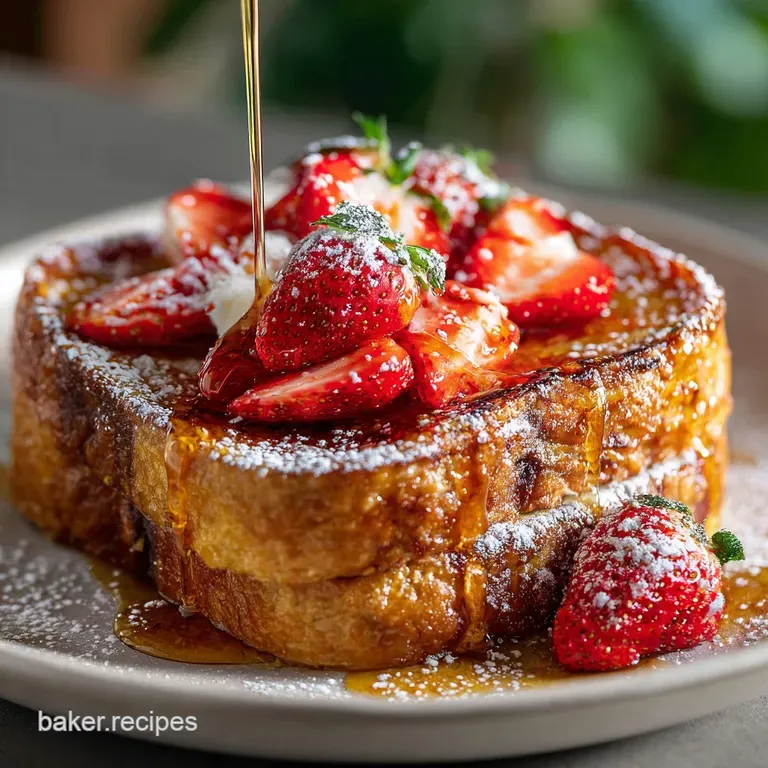
This is where the magic happens. We are looking for that "shatter crisp" exterior that yields to a warm, velvety center. Follow these steps closely to ensure the bread is cooked through without scorching.
- Prep the filling. Whisk Neufchâtel, yogurt, maple syrup, and vanilla bean paste until smooth. Note: This ensures a consistent texture in every bite.
- Cut the pockets. Using a paring knife, slice a 2 inch pocket into the top of each brioche slice. Stop before you hit the bottom.
- Stuff the bread. Spoon the cream cheese mixture into the pockets, then gently press 2-3 berries into each. Note: Don't overstuff, or it will leak during the flip.
- Create the custard. Whisk eggs, milk, cinnamon, nutmeg, and salt in a shallow dish until no streaks of egg white remain.
- The quick soak. Dip each side of the bread into the custard for 20 seconds per side. Do not over soak, or the bread will lose its structural integrity.
- Heat the pan. Melt a tablespoon of butter in a skillet over medium low heat until the foaming subsides and it smells nutty.
- Sear the first side. Place slices in the pan and cook for 4 minutes until deep golden brown and fragrant.
- The gentle flip. Carefully flip the slices using a wide spatula.
- Finish the sear. Cook the second side for 3-4 minutes until the center feels slightly firm to the touch.
- Rest and serve. Let the toast rest for 2 minutes. This allows the internal steam to finish "setting" the filling.
If you find the process of stuffing the bread a bit daunting the first time, you might want to try a simpler version first. My French Toast Bliss recipe is a great way to master the egg to milk ratio and the panning technique before adding the filling component.
Fixing Common French Toast Flaws
Even with a great stuffed french toast recipe, things can go sideways. The most common issue is the "Soggy Center." This happens when the bread is too fresh or the heat is too high, causing the outside to cook before the inside can set.
Why Your Toast is Mushy
A soggy center is usually the result of over soaking the bread in the custard. Brioche is very porous; it acts like a sponge. If you leave it in the liquid for more than 30 seconds, the moisture travels to the very center of the bread, where the heat from the pan can't reach it effectively.
Filling Leakage Problems
If your filling is escaping, you likely cut the pocket too wide or overstuffed it. The cream cheese mixture expands slightly when heated. You want a small opening that you can "pinch" shut before it hits the pan. Also, ensure your skillet isn't so hot that the filling boils; it should just gently melt.
| Problem | Root Cause | Solution |
|---|---|---|
| Burnt crust, raw inside | Heat too high | Lower heat to medium low; finish in a 350°F oven for 5 mins if needed. |
| Bland flavor | Not enough salt/spice | Always add a pinch of salt to the custard to "unlock" the cinnamon. |
| Filling is runny | Too much liquid in filling | Ensure the yogurt is thick Greek style, not thin regular yogurt. |
Common Mistakes Checklist
- ✓ Pat the berries dry before stuffing (prevents excess moisture inside).
- ✓ Use bread that is at least 1 day old for maximum absorbency.
- ✓ Don't crowd the pan - cook in batches to keep the temperature stable.
- ✓ Whisk the custard thoroughly to avoid "fried egg" bits on your toast.
- ✓ Use butter, not oil, for that essential nutty flavor profile.
Creative Ways to Customize Filling
The beauty of this recipe is its versatility. Once you have the base technique down, you can pivot the flavors based on what is in your pantry. A popular variation is the overnight stuffed french toast recipe approach.
You can prep the stuffed slices the night before, keep them in the fridge (un soaked), and then simply dip and fry in the morning. This saves a massive amount of stress during a busy brunch.
For a baked stuffed french toast recipe, you can arrange the soaked, stuffed slices in a buttered baking dish. Pour any remaining custard over them and bake at 375°F for 20-25 minutes. This creates a texture more akin to a soufflé.
It’s less "crunchy" on the edges but incredibly tender.
If you want a savory swap, remove the syrup, vanilla, and berries. Replace them with herbed goat cheese and sautéed spinach. This version pairs beautifully with a sauce like the one found in this Béarnaise Bliss recipe, turning breakfast into a sophisticated brunch affair.
Scaling Your Breakfast Production
When scaling this recipe down for one person, you only need one large egg and a splash of milk. Since you can't easily use "half an egg," beat two eggs, use half for your custard, and save the rest for a quick scramble on the side.
Use a small 8 inch skillet to ensure the butter doesn't burn in the empty spaces of the pan.
For a larger crowd (8-10 people), scaling up requires a shift in technique. Don't try to fry 10 slices of stuffed bread on the stove; you'll be there all morning. Instead, sear them quickly for 2 minutes per side to get that golden crust, then transfer them to a large sheet pan.
Finish them all at once in a 350°F oven for 10 minutes. This ensures everyone gets a hot, perfectly cooked piece of toast at the same time.
| Servings | Bread Slices | Egg/Milk Ratio | Pan Strategy |
|---|---|---|---|
| 2 People | 2 Slices | 2 Eggs / 0.5 Cup Milk | Single 10 inch skillet |
| 4 People | 4 Slices | 3 Eggs / 0.75 Cup Milk | 12 inch skillet or 2 pans |
| 8 People | 8 Slices | 6 Eggs / 1.5 Cups Milk | Sear then finish in oven |
Keeping Your Leftovers Fresh
Storing stuffed french toast is tricky because of the dairy based filling. It will stay good in the fridge for about 2 days if kept in an airtight container. However, the microwave is the enemy here; it will make the bread rubbery and the filling unpleasantly hot.
Instead, reheat your slices in a toaster oven or a dry skillet over low heat to bring back that exterior crunch.
Freezing is possible but not ideal for the berries. If you plan to freeze them, do so without the fresh fruit inside. Wrap each cooked and cooled slice in parchment paper, then place in a freezer bag. They will keep for up to 1 month.
To reheat from frozen, bake at 350°F for 12-15 minutes until the center is steaming.
For a zero waste tip: if you have leftover custard, don't pour it down the drain. It’s essentially a base for bread pudding. Toss in some torn up bread scraps, a few extra berries, and bake it in a small ramekin. You've got a "bonus" dessert for later! Also, those berry tops and stems?
Throw them in a jar with some water and a splash of vinegar to make a quick "shrub" or fruit infused water for your brunch guests.
Best Sides for French Toast
While this dish is a star on its own, the right accompaniments turn it into a full experience. Because the toast is rich and sweet, you need something with salt or acid to balance the plate.
Crisp, thick cut bacon is a classic choice, but a pile of lemon zested arugula can provide a fresh, peppery bite that cleanses the palate between forkfuls of cream cheese.
Flavor Pairing Strategy
- Salty: Smoked ham or breakfast sausage.
- Acidic: A side of grapefruit or a splash of balsamic glaze over the berries.
- Crunchy: Toasted pecans or slivered almonds sprinkled on top.
If you are going for a full "Southern" spread, serving this alongside a portion of Cornbread Dressing The recipe might seem unusual, but the savory, sage heavy notes of the dressing are a surprising and delicious contrast to the sweet nutmeg in the toast. It’s a "sweet and savory" power move that will have your guests asking for your secret.
Kitchen Myths Debunked
Many people believe that "the longer the soak, the better the toast." This is a complete myth. A long soak actually breaks down the gluten structure of the bread, leading to a "mushy" internal texture that feels undercooked even when it's safe to eat.
A quick 20 second dip is all you need for the custard to penetrate the outer layer while leaving the core of the bread slice firm enough to support the filling.
Another common misconception is that you must use expensive "pure" maple syrup for the filling. While pure syrup has a better flavor profile, the real key is the vanilla bean paste. The paste provides the aromatic "lift" that makes the filling taste premium.
If you only have pancake syrup, use it sparingly, but don't skip the vanilla or the pinch of salt those are the true workhorses of the flavor profile.
Finally, some say you can't use "light" cream cheese for stuffing because it will run. This is only true if you over whisk it. By folding in the Greek yogurt gently, you maintain the "loft" of the cheese.
The protein in the yogurt actually helps the filling "set" as it heats, resulting in a stable, creamy center that stays exactly where you put it.

Recipe FAQs
What is the filling in stuffed French toast?
Typically cream cheese and berries. This recipe uses a blend of Neufchâtel cheese and Greek yogurt for tanginess, enhanced with maple syrup and vanilla bean paste, plus fresh berries.
What are common stuffed French toast mistakes?
Over soaking the bread and using heat that's too high. Over soaking makes it soggy, while high heat burns the outside before the filling melts or the inside cooks through.
What is the secret ingredient in French toast?
There isn't one single secret ingredient, but several key elements. For stuffed French toast, balancing the richness of the Neufchâtel with the tang of Greek yogurt and using quality vanilla bean paste are crucial for flavor depth.
What is the secret to great French toast?
A quick soak and medium low heat are key. Don't let the bread soak too long, and cook it at a moderate temperature to ensure an even golden brown crust and a perfectly cooked interior, much like achieving the perfect texture in Apple Pie: Best Homemade Flaky Crust Recipe for Classic Dessert.
Can I use fresh bread for stuffed French toast?
No, it's best to use day-old bread. Fresh bread is too soft and will absorb too much custard, leading to a soggy texture. Slightly stale bread holds its shape better and crisps up beautifully.
How do I prevent the filling from leaking out?
Don't overstuff the pockets and ensure your filling is slightly firm. Chilling the Neufchâtel mixture for about 10 minutes before stuffing helps it stay put. Also, be careful not to cut the pocket too wide.
What's the best way to cook stuffed French toast?
Sear on the stovetop over medium low heat. This allows the custard to cook through and the filling to melt without burning the exterior. A heavy bottomed skillet ensures even heat distribution, similar to how proper heat management is vital for How to Make Amazing Baked Haddock with Ritz Crackers: A Delicious Journey.
Stuffed French Toast Recipe
Ingredients:
Instructions:
Nutrition Facts:
| Calories | 382 kcal |
|---|---|
| Protein | 15.3 g |
| Fat | 19.8 g |
| Carbs | 36.4 g |
| Fiber | 2.1 g |
| Sugar | 12.8 g |
| Sodium | 415 mg |
