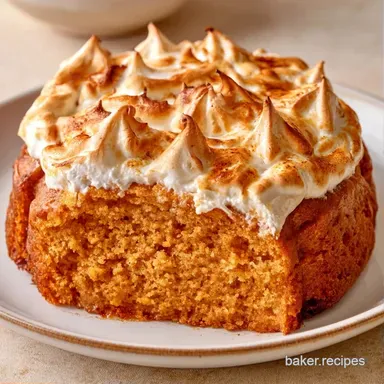
Spiced Sweet Potato Cake Marshmallow Frosting
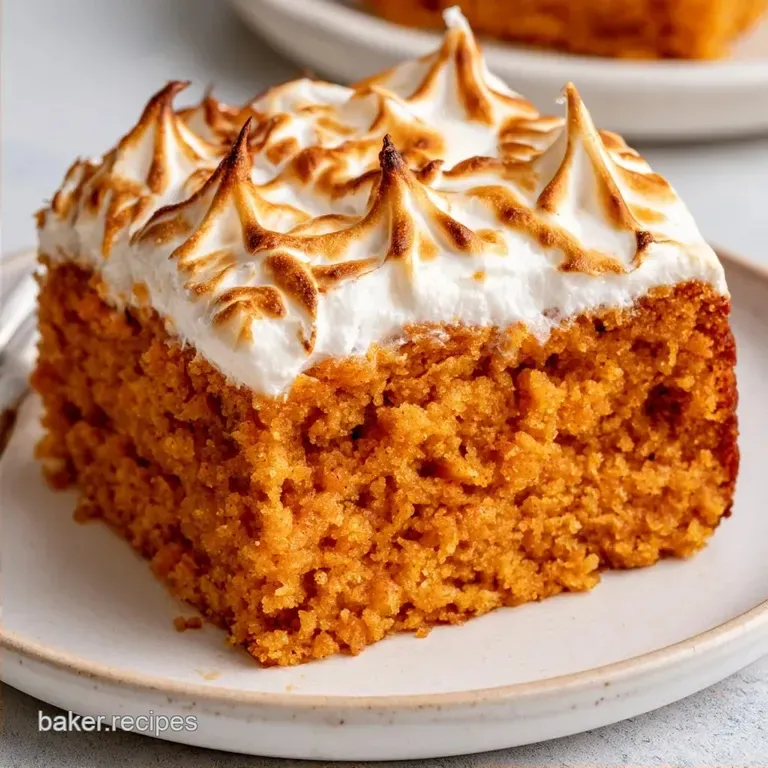
- Prep & Bake: 15 minutes active, 40 minutes baking
- Taste & Feel: A spiced, hearty crumb paired with a light, cloud-like frosting
- Best served at: Festive gatherings or relaxing Sunday teas
Have you noticed how some sweet potato cakes taste chemically sweet, while others evoke a cozy autumn day? I once believed cinnamon was the secret. However, I discovered the real issue lies in how the potatoes are prepared.
Boiling them is a common mistake, as it adds too much moisture to the batter and washes out the intensity of the flavor.
When I switched to roasting, the scent in my kitchen transformed. It moved beyond a simple vegetable smell to a deep, toasted fragrance reminiscent of roasted chestnuts. That was the moment I realized roasting is the only way to achieve this result.
The result is a moist, substantial crumb topped with a frosting that dissolves instantly on the palate. While the combination of Sweet Potato Cake and Marshmallow Frosting is quite sweet, the addition of cinnamon and nutmeg provides a necessary balance.
Sweet Potato Cake Marshmallow Frosting Logic
The logic here is all about sugar concentration and air. By roasting the potatoes, we evaporate the water and concentrate the natural sugars. This prevents a gummy texture and gives the cake a deeper orange hue.
Roasting the Base: Oven roasting creates a concentrated puree. This keeps the cake from tasting watered down.
The Fat Mix: Using both butter and oil ensures the cake stays moist for days without feeling greasy.
Whipping the Fluff: Beating the marshmallow cream with butter creates a stable emulsion. It prevents the frosting from sliding off the cake.
| Method | Prep Time | Texture | Best For |
|---|---|---|---|
| Boiled Potato | 20 minutes | Spongy/Light | Quick snacks |
| Roasted Potato | 60 minutes | Dense/Moist | Special occasions |
The Ingredient Breakdown
Getting the right puree is where most people trip up. If you use canned puree, you lose that toasted depth. I always roast my own, and the smell of the skins charring in the oven is the first sign that this cake will be a hit.
| Ingredient | What It Does | Best Swap |
|---|---|---|
| Roasted Sweet Potato | Provides moisture and earthiness | Pumpkin puree (alters flavor) |
| Marshmallow Fluff | Creates the pillowy structure | Meringue powder (more work) |
| Vegetable Oil | Keeps the crumb tender | Melted coconut oil |
| Cinnamon/Nutmeg | Adds the signature autumn warmth | Pumpkin pie spice |
For the cake, use a high-quality all purpose flour. I find that adding a pinch more salt helps balance the marshmallow topping. If you want a deeper flavor, you can use dark brown sugar instead of granulated, though it will make the cake a bit denser.
Quick Recipe Specs
This is a heavy hitting dessert. It's not a light sponge cake, it's a comfort bake.
- Prep time: 15 minutes
- Cook time: 40 minutes
- Total time: 1 hours 55 mins
- Yield: 12 servings
- Oven Temp: 350°F (175°C) for baking / 400°F (200°C) for roasting
| Goal | What to change |
|---|---|
| More Spice | Add 1/2 tsp ground cloves |
| Lighter Frosting | Whip for 2 extra minutes |
| Denser Crumb | Swap sugar for brown sugar |
Necessary Baking Tools
While any home kitchen will do, having a few specific tools makes the job much easier. I recommend using a stand mixer, such as a KitchenAid, for the frosting beating marshmallow fluff by hand is a workout I'd rather avoid.
- Two 9 inch cake pans (greased and floured)
- Hand mixer or stand mixer
- Large mixing bowl and medium whisking bowl
- Rubber spatula for folding
- Potato masher or food processor
- Sifter for the powdered sugar
If you lack a sifter, simply whisk the powdered sugar vigorously in a bowl. This stops tiny white lumps from spoiling the smooth texture of your frosting.
Step-by-step Baking Guide
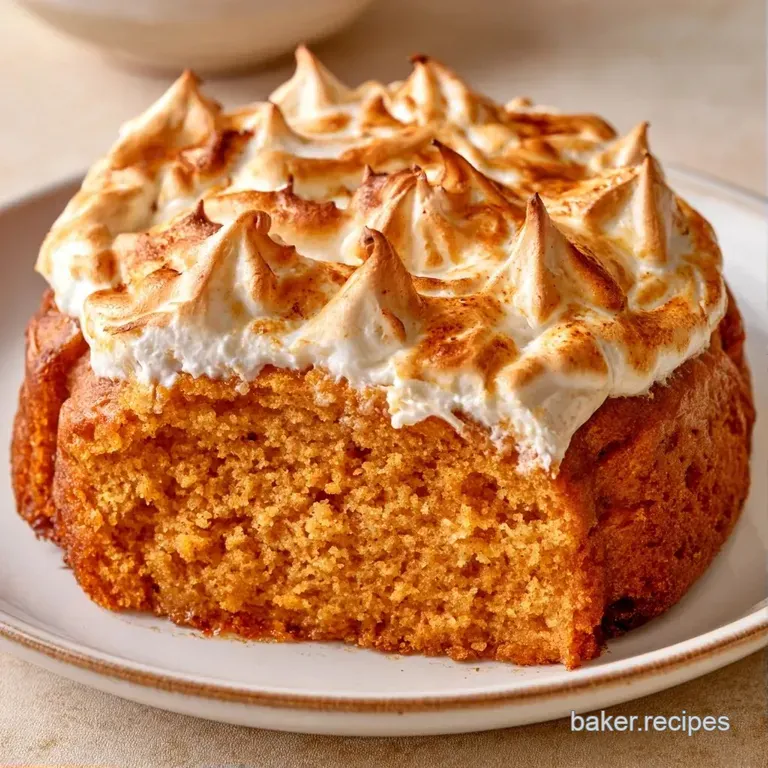
Now, let's start the preparation. Pay close attention to the aromas, as they indicate you're moving in the right direction.
Phase 1: Preparing the Roasted Base
Use a fork to prick several holes in the sweet potatoes. Roast them at 400°F (200°C) until the skins shrivel and the centers feel soft. Peel them while still warm and mash until completely smooth.
Allow the puree to reach room temperature; adding it while hot will cause the butter in the batter to break.
Phase 2: Mixing the Spiced Batter
In a medium bowl, whisk together the salt, cinnamon, nutmeg, flour, baking powder, and baking soda. In a larger bowl, cream the sugar and softened butter until the mixture is pale and light. Incorporate the eggs one by one. Stir in the oil, vanilla, and cooled sweet potato puree until the batter is velvety.
Phase 3: The Slow Bake
Using a spatula, fold the dry flour mixture into the wet ingredients. Stop the moment the white streaks vanish. Distribute the batter between your two greased pans. Bake at 350°F (175°C) for 35-40 minutes. You'll notice a warm cinnamon scent filling the room.
The cakes are done when a toothpick comes out with just a few moist crumbs.
Phase 4: Whipping the Marshmallow Cloud
Beat the softened butter until it is creamy. Add the vanilla and marshmallow fluff, then whip on high for 2 minutes. Gradually stir in the heavy cream, vanilla extract, and sifted powdered sugar. Continue whipping until the frosting is bright white and forms a stiff peak.
Phase 5: Assembling the Layers
Ensure the cakes have cooled completely. If they remain slightly warm, the marshmallow frosting will collapse into a sugary puddle. Spread a thick layer of frosting over the first cake, place the second layer on top, and cover the sides and top.
Fixing Common Issues
Even for experienced cooks, this recipe can be tricky because of the moisture in the potatoes. I once over mixed my first batch and ended up with a cake that felt more like a rubber tire than a dessert.
Fixing a Sunk Center
If the middle of your cake drops, it's usually because the batter was over worked. When you fold in the flour, be gentle. Too much mixing develops gluten, which traps too much air and then collapses in the oven.
Dealing with Runny Frosting
If your frosting feels like glaze, it's likely too warm or lacks enough sugar. Put the mixing bowl in the fridge for 10 minutes, then whip it again. Adding a tablespoon more powdered sugar also helps it stiffen up.
Correcting a Grainy Crumb
Graininess happens when the eggs and butter aren't the same temperature. Ensure your eggs are room temperature so they emulsify properly with the fats.
| Problem | Root Cause | Solution |
|---|---|---|
| Sunk Center | Over mixing gluten | Fold flour gently |
| Runny Frosting | Butter too warm | Chill bowl 10 mins |
| Grainy Batter | Cold eggs | Use room temp eggs |
| Dry Cake | Over baked | Check at 35 mins |
Storage and Scrap Tips
Since it contains marshmallow fluff, this cake is better suited for refrigeration than room temperature. The icing remains firm, and the flavor profile actually deepens after resting for a day.
Use a cake carrier or a spacious container for storage. It will stay fresh in the refrigerator for 4 days. To freeze, wrap the unfrosted cake layers tightly in plastic wrap. These will keep for approximately 2 months in the freezer. Before frosting, let them thaw in the fridge overnight.
To avoid waste, save any potato peels that aren't overly charred. Toss them with some oil and salt, then roast at 400°F (200°C) for 10 minutes to enjoy a salty snack while the cake is in the oven.
Best Serving Suggestions
Because this cake is quite decadent, it benefits from a pairing that balances the sweetness. I recommend serving a thin slice with tart berries or a dollop of unsweetened whipped cream.
A bold cup of black coffee is the perfect companion for Sweet Potato Cake Marshmallow Frosting, as the dark roast offsets the sweetness of the marshmallow fluff. For a more polished presentation at a party, add a light dusting of cinnamon or nutmeg to the top.
If you love these seasonal spices, you might also enjoy my mini pumpkin muffins for a smaller, bite sized option.
Flavor Swaps and Twists
After mastering the original recipe, feel free to experiment with different flavors. Here are a few adjustments that shift the mood of the cake without compromising its integrity.
The Maple Twist: Substitute the vanilla in your frosting for maple extract and stir a tablespoon of maple syrup into the batter for a rich, autumnal flavor.
The Nutty Crunch: Press some toasted pecans onto the frosting's exterior. The salty notes help cut through the sweetness. If you want a different luxurious topping, my coconut pecan frosting pairs beautifully with spiced desserts.
The Diet Swap: To lower the fat, replace half of the oil with applesauce; just keep in mind the cake will be a bit denser. For those avoiding gluten, a 1:1 gluten-free flour blend works well, though the texture will be slightly more delicate.
Now you're ready to go. Creating this sweet potato cake with marshmallow frosting takes some effort, but the aroma of roasted potatoes and the sight of that pillowy frosting make it worth the work.
Key reminders: roast those potatoes, avoid over mixing the batter, and ensure the layers are completely chilled before frosting. If you skip the cooling step, you'll end up with a melty, sugary disaster. Enjoy!
Recipe FAQs
How to cook a baked sweet potato?
Poke holes in the skin and roast at 400°F (200°C) until tender. This ensures the interior is soft enough for pureeing.
Is it possible to bake a sweet potato in its skin?
Yes, it is actually preferred. Roasting in the skin traps moisture and prevents the potato from drying out.
Which steps are needed to mash sweet potatoes for this cake?
Peel the potatoes while warm and mash until smooth. Let the puree cool to room temperature before adding it to the batter.
Do large sweet potatoes require a different oven temperature?
That's a myth. Stick to 400°F (200°C) regardless of size, though larger potatoes will simply need more time in the oven.
Can the cake layers be frozen?
Yes, but only without the frosting. Wrap them tightly in plastic wrap to keep them fresh for up to 2 months.
Why must the sweet potato puree be cooled to room temperature?
To prevent the butter from melting. If you enjoyed mastering temperature control for the batter here, see how the same principle ensures a fluffy rise in our classic cinnamon rolls.
Sweet Potato Cake Marshmallow Frosting