Sweet Potato Casserole Recipe: Velvety & Crisp
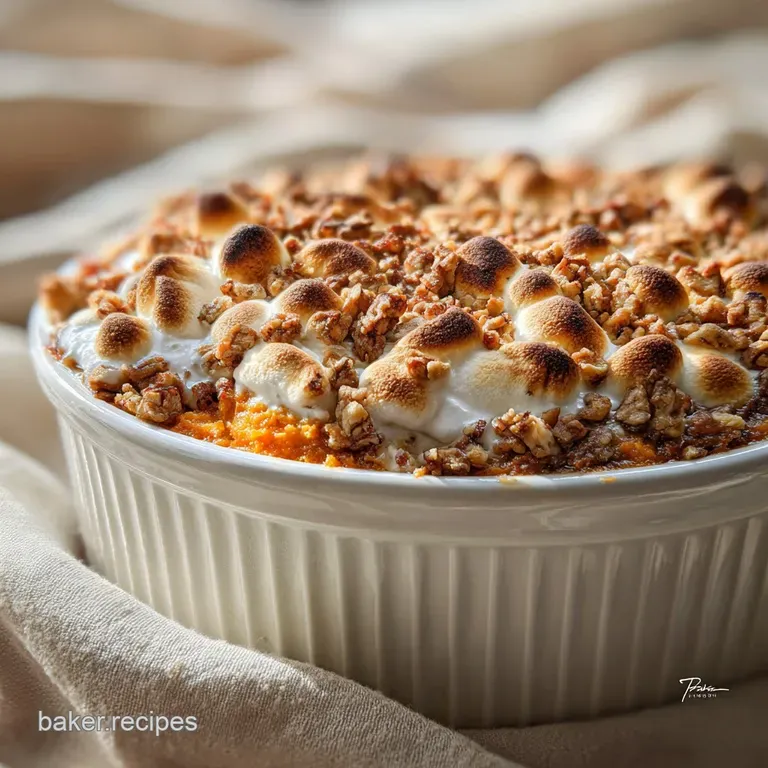
- Time: Active 20 minutes, Passive 45 minutes, Total 1 hours 5 mins
- Flavor/Texture Hook: Velvety smooth filling with a crunchy, toasted nut topping
- Perfect for: Holiday gatherings or cozy Sunday dinners
- Create the Most Satisfying Sweet Potato Casserole Recipe
- The Chemistry of a Perfectly Stable Casserole Filling
- Component Analysis of Your Essential Ingredients
- Essential Metrics for a Perfectly Balanced Holiday Side
- Ingredients and Substitutes for Smart Cooking
- Tools Needed for a Smooth and Efficient Preparation
- Step-by-Step Guide to Achieving That Golden Crust
- Solving Common Texture Issues and Baking Mishaps
- Smart Swaps for Budget-Friendly and Dietary Variations
- Debunking Common Kitchen Legends
- Safe Storage and Methods for Fresh Reheating
- Main Dishes that Pair Perfectly with This Side
- Recipe FAQs
- 📝 Recipe Card
Create the Most Satisfying Sweet Potato Casserole Recipe
Listen, I used to think sweet potato casserole was just baby food with marshmallows on top. I've made the mistake of boiling the potatoes until they were waterlogged and sad, or worse, using canned yams that tasted like the tin they came in.
It was a mushy mess that nobody at the table actually wanted, but everyone felt obligated to eat. Then I started playing with the science of the mash and realized that with a few smart tweaks, this could be the star of the show.
The first time I browned the butter for the base, the whole kitchen filled with this incredible toasty, caramel like aroma. It changed everything. Suddenly, the filling wasn't just sweet, it had depth and character.
When I pulled that dish out of the oven, the marshmallows were perfectly puffed and the pecans had that specific snap that only comes from being toasted in sugar and butter. It was a total victory.
We’re going to skip the generic, overly sweet versions you see everywhere. Instead, we’re focusing on a budget smart approach that uses real ingredients to get high end results. You don’t need fancy equipment or expensive "artisan" ingredients to make this work.
We’re going to use basic pantry staples to build layers of flavor that will have your friends texting you for the recipe before the meal is even over. Trust me, once you try the browned butter trick, there’s no going back.
The Chemistry of a Perfectly Stable Casserole Filling
Protein Coagulation: The eggs in this recipe act as a binder, setting the structure of the mash as they heat up to create a light, souffle like lift. This prevents the filling from collapsing into a dense puddle on the plate.
Maillard Reaction: Browning the butter creates new flavor compounds through the reaction of milk solids and heat, adding a savory complexity that cuts through the sugar. This ensures the dish tastes sophisticated rather than just sugary.
Starch Gelatinization: As the potatoes bake, the starches absorb the milk and maple syrup, thickening the mixture into a velvety consistency. This transformation is what gives the base its signature smooth mouthfeel without needing excess flour.
| Cooking Method | Total Time | Texture Result | Best Used For |
|---|---|---|---|
| Traditional Oven | 1 hours 5 mins | Silky interior with a crispy, toasted topping | Maximum flavor development and texture contrast |
| Stovetop Finish | 35 minutes | Creamy and soft, but lacks the crunchy crust | Quick weeknight meals when oven space is limited |
| Slow Cooker | 4 hours | Extremely tender and moist, but can become soggy | Hands off prep for large parties or potlucks |
The choice between methods usually comes down to how much you value that "shatter" factor of the pecan topping. While the stovetop version is faster, it misses out on the essential browning of the marshmallows and the crystallization of the brown sugar in the crumble.
If you have the time, the oven is always the way to go for the full sensory experience.
Component Analysis of Your Essential Ingredients
Every ingredient in this sweet potato casserole recipe serves a specific purpose, from structural support to flavor enhancement. Understanding how they interact helps you make smart swaps without ruining the final dish.
| Ingredient | Science Role | Pro Secret |
|---|---|---|
| Sweet Potatoes | Provides the starch base and natural moisture | Roast them in their skins to concentrate sugars instead of boiling |
| Large Eggs | Acts as a structural binder for a fluffy lift | Ensure they are room temperature so they incorporate without streaking |
| Unsalted Butter | Adds fat for a silky mouthfeel and carries aromatics | Brown half the butter to add a toasted, nutty flavor profile |
| Maple Syrup | Provides liquid sugar and a distinct earthy sweetness | Use Grade A Dark Color for the most intense flavor impact |
If you find yourself reaching for the sweet potatoes for another dish, they work surprisingly well in savory applications too. For instance, the earthy notes in this mash are quite similar to the base flavors in a How to Make recipe where the tubers provide thickness and a hint of sweetness to balance the spice.
Essential Metrics for a Perfectly Balanced Holiday Side
Getting the timing right is half the battle when you're managing a busy kitchen. This recipe is designed to be efficient, giving you windows of "passive time" where you can prep other things while the potatoes do their thing in the oven.
- Sweet Potato Weight: 3 lbs (roughly 4 large potatoes).
- Internal Temperature: Aim for 165°F in the center to ensure the eggs are set.
- Resting Period:10 minutes after baking to allow the structure to firm up.
Precision with your measurements ensures that the filling isn't too runny or too stiff. If your potatoes are particularly large, they might need an extra 10 minutes of roasting time before they're soft enough to mash.
I always look for them to be "fork tender," meaning a fork slides in and out with zero resistance.
Ingredients and Substitutes for Smart Cooking
Here is everything you need to pull this off. I've included Budget Friendly swaps that keep the flavor high without breaking the bank.
- 3 lbs sweet potatoes: The backbone of the dish. Why this? Roasting these creates a natural caramelization that boiling simply can't match.
- Substitute: Canned yams (drained). Note: These are softer and sweeter, so reduce the maple syrup by half.
- 0.5 cup unsalted butter: Melted and browned for the filling. Why this? Browning adds a "toasted" dimension that elevates the whole flavor profile.
- Substitute: Salted butter. Note: Just omit the extra sea salt in the recipe to keep it balanced.
- 0.25 cup whole milk: For creaminess.
- Substitute: Heavy cream. Note: Makes the filling richer but adds more calories.
- 0.25 cup maple syrup: For a deep, complex sweetness.
- Substitute: Honey or agave. Note: Honey is more floral, while agave is more neutral.
- 2 large eggs: For the souffle like structure.
- Substitute: 0.5 cup plain Greek yogurt. Note: The filling will be denser and have a slight tang.
- 1 tsp vanilla bean paste: For those beautiful flecks and intense aroma.
- Substitute: 1.5 tsp pure vanilla extract. Note: You'll lose the visual flecks but the flavor remains similar.
- Spices (1 tsp cinnamon, 0.25 tsp nutmeg, 0.125 tsp ginger): The "warmth" factor.
- Substitute: Pumpkin pie spice. Note: Use 1.5 tsp of the blend to replace all three.
- 0.5 tsp sea salt: To balance the sugar.
- 1.5 cups pecans: Roughly chopped for the crunch.
- Substitute: Walnuts. Note: Slightly more bitter but provides a very similar texture.
- 0.5 cup light brown sugar: For the topping's caramel notes.
- Substitute: Granulated sugar mixed with a teaspoon of molasses.
- 0.33 cup all purpose flour: Binds the topping together.
- Substitute: Oat flour. Note: Keeps the topping crispy and adds a nice toasted grain flavor.
- 0.25 cup unsalted butter: Chilled and cubed for the crumble.
- 1.5 cups mini marshmallows: The classic finish.
Tools Needed for a Smooth and Efficient Preparation
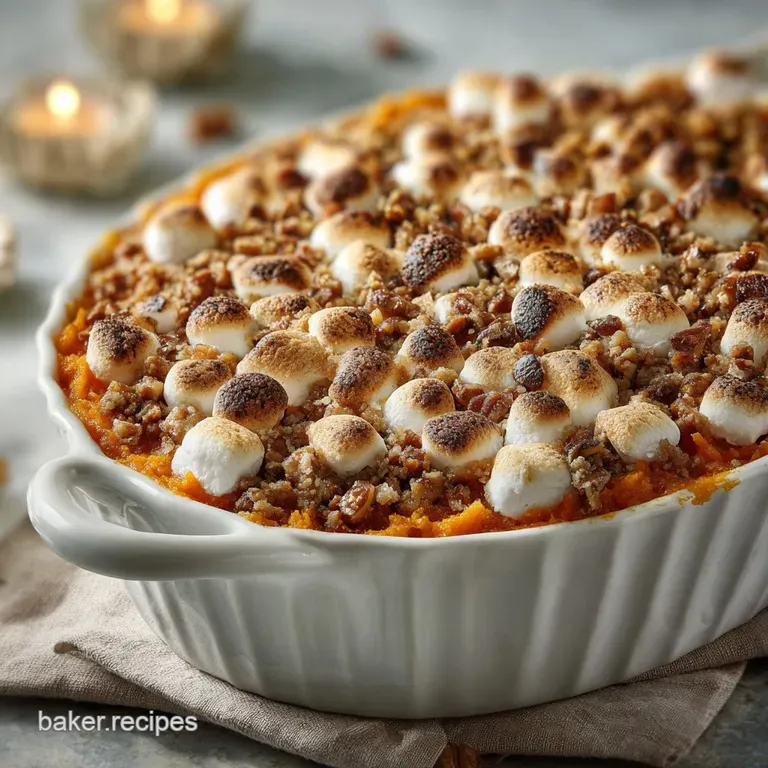
You don't need a high end kitchen to make a great sweet potato casserole recipe, but a few specific items make the process much faster. I usually reach for my standard 9x13 glass baking dish because it distributes heat evenly and lets you see those beautiful layers.
A sturdy potato masher is essential for getting that "velvety" texture. If you want it even smoother, a hand mixer (like a Hamilton Beach) works wonders to whip air into the eggs and potatoes.
I also recommend a small light colored saucepan for browning the butter; it makes it much easier to see the milk solids turning golden so you don't accidentally burn them.
step-by-step Guide to Achieving That Golden Crust
- Roast the potatoes. Place 3 lbs of sweet potatoes on a tray and bake at 400°F for 45 minutes until the skins are shriveled and the insides are soft. Note: Roasting is better than boiling as it prevents wateriness.
- Brown the butter. Melt 0.5 cup butter in a pan over medium heat, swirling until it smells like toasted nuts and has brown bits at the bottom.
- Prepare the mash. Peel the warm potatoes and place them in a bowl with the browned butter, 0.25 cup milk, 0.25 cup maple syrup, salt, and spices.
- Incorporate the eggs. Add 2 large eggs and 1 tsp vanilla paste to the bowl. Note: Whisk the eggs lightly before adding to ensure they blend quickly.
- Whip the filling. Use a masher or hand mixer to blend until the mixture is completely smooth and aerated.
- Assemble the topping. In a separate bowl, mix 1.5 cups pecans, 0.5 cup brown sugar, 0.33 cup flour, and 0.25 cup chilled cubed butter.
- Create the crumble. Use your fingers or a fork to work the butter into the dry ingredients until you have pea sized clumps.
- Layer the dish. Spread the potato mixture into a greased baking dish and sprinkle the pecan crumble evenly over the top.
- Bake the base. Place in a 350°F oven for 30 minutes until the edges are bubbling and the topping is fragrant.
- Add the finish. Remove from the oven, top with 1.5 cups mini marshmallows, and bake for another 5-8 minutes until the marshmallows are toasted and golden brown.
Chef's Tip: If you're short on time, you can microwave the potatoes for about 10-12 minutes, but you'll lose some of that deep roasted flavor. If you go this route, add an extra pinch of cinnamon to make up for the lost caramelization.
Solving Common Texture Issues and Baking Mishaps
Sometimes things don't go exactly as planned. Maybe your potatoes were extra juicy, or your oven runs a bit hot. Don't panic; most issues with a casserole recipe are easy to fix if you catch them early.
Fixing a Runny Filling Texture
If your mash looks more like soup than a thick base, it’s usually because the potatoes were boiled and absorbed too much water. To fix this, you can stir in an extra tablespoon of flour or a bit more mashed potato.
Another trick is to bake it for an extra 10 minutes without the topping to let some of that excess moisture evaporate.
Preventing a Burnt Topping
The pecan and sugar topping can go from "perfectly toasted" to "burnt cinder" in about sixty seconds. If the crumble is getting too dark but the filling isn't set yet, simply tent a piece of aluminum foil over the top. This reflects the direct heat while allowing the middle to continue cooking.
| Problem | Root Cause | Solution |
|---|---|---|
| Grainy Filling | Cold ingredients added to hot mash | Ensure eggs and milk are at room temperature before mixing |
| Soggy Crust | Butter wasn't chilled enough | Freeze your butter for 10 minutes before cutting it into the flour |
| Marshmallows Melted Away | Over baked at the end | Only add marshmallows for the final 5 minutes of baking |
This dish is quite similar in technique to other comfort classics. If you find yourself enjoying the process of layering textures, you might also like making a Sunshine Pineapple Casserole recipe which uses a similar "sweet meets savory" approach with a crunchy topping.
Common Mistakes Checklist:
- ✓ Pat the potato skins dry before roasting to avoid steaming them.
- ✓ Don't skip the salt; it’s essential to highlight the maple and vanilla notes.
- ✓ Use a light colored pan for browning butter so you can monitor the color change.
- ✓ Let the dish rest for at least 10 minutes before serving so the filling sets.
- ✓ Avoid using "Lite" maple syrup, as the water content will make the filling runny.
Smart Swaps for Budget Friendly and Dietary Variations
If you're cooking for a crowd with different needs, it's easy to adjust this sweet potato casserole recipe. To scale down for a smaller group, you can easily halve the recipe and use an 8x8 square pan. Just reduce the baking time by about 5 to 7 minutes.
When scaling up for a big party, you can double the ingredients and use a large roasting pan. However, I recommend only using 1.5x the salt and spices at first, then tasting. Spices can become overwhelming when doubled exactly.
For the liquid, reduce the milk by about 10% to ensure the larger mass of potatoes doesn't become too soft.
| Premium Ingredient | Budget Alternative | Flavor Impact | Savings |
|---|---|---|---|
| Vanilla Bean Paste | Pure Vanilla Extract | Minimal; loses the tiny black specks | Save $15-20 |
| Grade A Maple Syrup | Dark Brown Sugar + Water | Less "earthy" but still very sweet | Save $5-8 |
| Pecans | Toasted Sunflower Seeds | Adds a nice nuttiness with a different crunch | Save $6-10 |
For a "Pioneer Woman" inspired decadence, you can increase the butter in the filling to 0.75 cups and add a splash of heavy cream instead of milk. This makes it incredibly rich and festive.
If you're looking for a healthy sweet potato casserole recipe, try omitting the marshmallows and using a topping made of oats, chopped walnuts, and just a tablespoon of maple syrup. It keeps that "shatter" texture without the sugar spike.
Debunking Common Kitchen Legends
Many people believe that you must boil sweet potatoes for a casserole to ensure they are soft enough. This is actually a myth. Roasting them in their skins not only saves you the hassle of peeling raw, rock hard tubers, but it also prevents the potatoes from becoming waterlogged.
The dry heat of the oven concentrates the natural sugars, leading to a much more intense flavor.
Another common misconception is that the marshmallows will stay fluffy forever. In reality, marshmallows are mostly sugar and air; they will eventually deflate as they cool. To keep that "cloud like" look, always add them at the very end of the baking process and serve the dish while it's still warm.
Finally, some folks think you can't make this dish ahead of time without it getting soggy. You absolutely can! Just prepare the filling and the crumble separately. Store them in the fridge, then assemble and bake when you're ready.
This actually gives the spices more time to meld together, often resulting in a better flavor the next day.
Safe Storage and Methods for Fresh Reheating
If you happen to have leftovers (which is rare around here!), you can store them in an airtight container in the fridge for up to 4 days. The topping will lose some of its "shatter" as it absorbs moisture from the potatoes, but the flavor will still be fantastic.
To reheat, I highly recommend using the oven rather than the microwave. Put the casserole in a 350°F oven for about 15 minutes. This helps crisp up the pecans again.
If the marshmallows have completely melted, you can always add a fresh handful during the last 2 minutes of reheating to revive that gooey texture.
For zero waste cooking, don't throw away those potato skins! If you roasted them, the skins are full of nutrients. You can actually toss them with a little oil and salt and bake them until they're crispy chips.
Also, if you have leftover pecan crumble, it's brilliant stirred into morning oatmeal or sprinkled over a scoop of vanilla ice cream.
Main Dishes that Pair Perfectly with This Side
Since this sweet potato casserole recipe leans towards the sweeter side, it pairs beautifully with salty or savory main courses. A classic roasted turkey or a glazed ham are the obvious choices, but it’s also incredible alongside a peppery pot roast.
The sweetness of the maple syrup acts as a foil to the rich, savory gravy.
If you're looking for something a bit more casual, try serving it with grilled pork chops. The charred flavor from the grill works wonders with the toasted pecans. No matter what you serve it with, this dish usually ends up being the one people go back for seconds of.
It’s that perfect mix of comfort, texture, and nostalgia that makes a meal feel special.
Recipe FAQs
What are some common mistakes to avoid when making sweet potato casserole?
Avoid boiling sweet potatoes. Roasting them in their skins concentrates sugars and prevents a waterlogged texture, unlike boiling which can lead to a mushy result. Also, don't skip the salt; it balances sweetness and highlights other flavors.
What is in Ruth's Chris sweet potato casserole?
It typically includes sweet potatoes, butter, sugar, cinnamon, nutmeg, and a pecan streusel topping. While not publicly detailed, the richness and depth suggest browned butter and a generous amount of sugar for that signature sweet and nutty flavor profile.
Should you boil or bake sweet potatoes for casserole?
Bake them. Baking sweet potatoes in their skins concentrates their natural sugars through caramelization and prevents them from absorbing excess water, which is a common issue with boiling. This leads to a richer flavor and a less watery mash.
Why are Texas Roadhouse sweet potatoes so good?
Their appeal likely comes from a rich, creamy base and a generous topping. They often use a combination of butter, sugar, and cinnamon, with a crunchy pecan or streusel topping that provides a satisfying texture contrast to the smooth potato mash. If you enjoyed mastering texture control here, see how the same principle applies to creating a crispy crust in our Southern Pecan Pie: Chefs Classic Recipe (No Soggy Bottom).
Can I use frozen sweet potatoes?
Yes, but with caution. Frozen sweet potatoes can release more moisture when thawed and cooked, potentially leading to a runnier casserole. Thaw them completely and drain them very well before incorporating them into your recipe.
How do I make the topping extra crispy?
Ensure your butter for the topping is very cold and cubed. This helps create distinct clumps that bake up crispy, rather than melting into the flour and sugar too quickly. For crispy baked sides, check out our Crispy Oven Fries: How to Make Fries Oven with Garlic Butter & Parmesan.
What is the best way to reheat sweet potato casserole?
Reheat in the oven at 350°F for about 15-20 minutes. This method helps to re-crisp the topping and warm the filling evenly, much better than a microwave which can make the topping soggy. You can add fresh marshmallows for the last few minutes if you want that gooey, toasted finish again.
Sweet Potato Casserole Recipe
Ingredients:
Instructions:
Nutrition Facts:
| Calories | 458 kcal |
|---|---|
| Protein | 5.8 g |
| Fat | 25.8 g |
| Carbs | 54.3 g |
| Fiber | 5.5 g |
| Sugar | 34.8 g |
| Sodium | 152 mg |
