Sweet Cornbread the Ultimate Tender Skillet Recipe with Buttermilk
Unlocking the Secret to Perfect Sweet Cornbread Texture
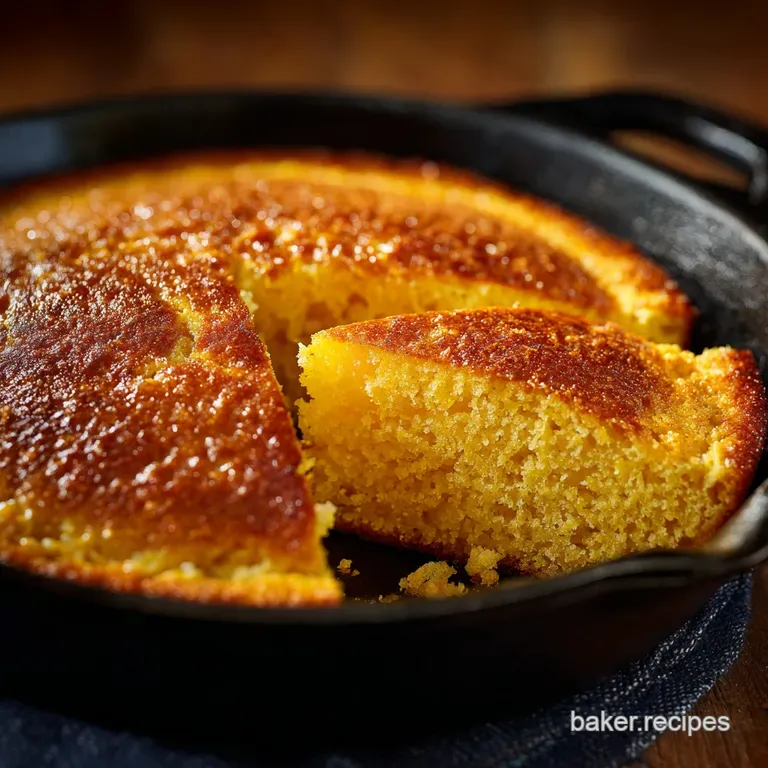
Okay, look. Cornbread should not be a choking hazard. If you need a full glass of milk just to swallow a bite, we failed. The goal for this recipe is the perfect piece of tender sweet cornbread : moist on the inside, slightly crumbly, and sporting a killer, crunchy crust.
Getting that gorgeous, tender crumb while avoiding the dense, sad brick is the magic trick. It's about how the wet and dry ingredients interact before they ever hit the heat. We are building something robust, something that stands up perfectly next to a huge bowl of chili but also melts a little in your mouth.
You want texture, right? Not fluff. Good. Let's get this sweet cornbread recipe sorted.
Why Buttermilk is Non and Negotiable for a Moist Crumb
I used to try shortcuts. Milk and vinegar. Low and fat buttermilk. Don't bother. Full and fat buttermilk is your absolute best friend here, seriously. Why? The acidity. It reacts beautifully with the baking powder, giving us that initial massive lift that keeps the texture light and airy.
More importantly, the low pH tenderizes the gluten in the flour. This is crucial for avoiding toughness, which is the number one enemy of good cornbread. Plus, the fat content adds essential richness and prevents it from drying out five minutes after it comes out of the oven. It just works .
I tried skipping it once because I was lazy and only had regular milk. Never again. The result was dry and, frankly, rude.
The Essential Difference Between Cake and Cornbread
If you throw in a massive amount of sugar and a cup of oil, you have corn cake. That’s fine if that’s what you’re aiming for. But true cornbread needs integrity. It needs to remember its rustic heritage, you know?
The structure is fundamentally different from a baked dessert. Cake relies on creaming butter and sugar for airiness; we use the 'muffin method' here, stirring minimally. We are keeping the ratio of cornmeal high enough that you know exactly what you’re eating, but we add just enough flour and sugar to make it tender and appealing.
It’s all about balance, and that little bit of grit from the cornmeal is what separates us from the birthday party dessert table.
Finding Harmony: Sweetness Without Sacrificing Savory Depth
I use half a cup of granulated sugar in this sweet cornbread recipe . That’s enough to make it undeniably sweet, but not so much that it tastes weird next to a smoky pulled pork sandwich.
The real trick to finding that harmony? Salt. I’m talking a full teaspoon of fine sea salt. It cuts through the sweetness and butter beautifully, making the whole thing taste complex rather than just sugary. Don't skimp on the salt, please. It's the unsung hero of nearly all baking.
Crucial Note: If you are using salted butter instead of unsalted, reduce the amount of salt in the dry mix by half a teaspoon. You can always add more, but you can't take it away!
Gathering Your Supplies: Quality Ingredients and Essential Tools
Right then. Time to get our mise en place sorted. This isn't just dumping stuff in a bowl. Using the right cornmeal and prepping the equipment correctly are what turn a passable loaf into a legendary one.
Sourcing the Right Cornmeal: Stone and Ground vs. Fine Grind
This is where people mess up, honestly. Do not, under any circumstances, use "corn flour" (unless the recipe specifically calls for it, but not this one). Corn flour is too powdery. It makes the cornbread dense and gummy.
We want yellow cornmeal, ideally a medium grind or even stone and ground if you can find it. Why medium? Because those little flecks of corn give the cornbread that quintessential texture that slight, wonderful grit that snaps against the tender crumb.
It’s brilliant, and essential for this skillet cornbread recipe .
Adjusting the Ratio of Flour to Cornmeal for Optimal Lift
My golden ratio for tender, sweet cornbread is 1:1. One cup of cornmeal, one cup of all and purpose flour.
Some old and school recipes use much more cornmeal, but those often require excessive amounts of fat to remain moist. Using the 1:1 ratio, combined with the power of buttermilk and baking powder, guarantees you get enough gluten structure to rise high, without making it heavy. We want lift. We want tall cornbread.
The Best Fat for That Signature Golden Crust (Butter or Lard?)
I’m going to be controversial and say butter. Yes, traditionalists use lard, and it’s amazing. But melted unsalted butter provides the best flavor and consistent moisture. We use a full stick (half a cup!). Most goes into the batter for richness.
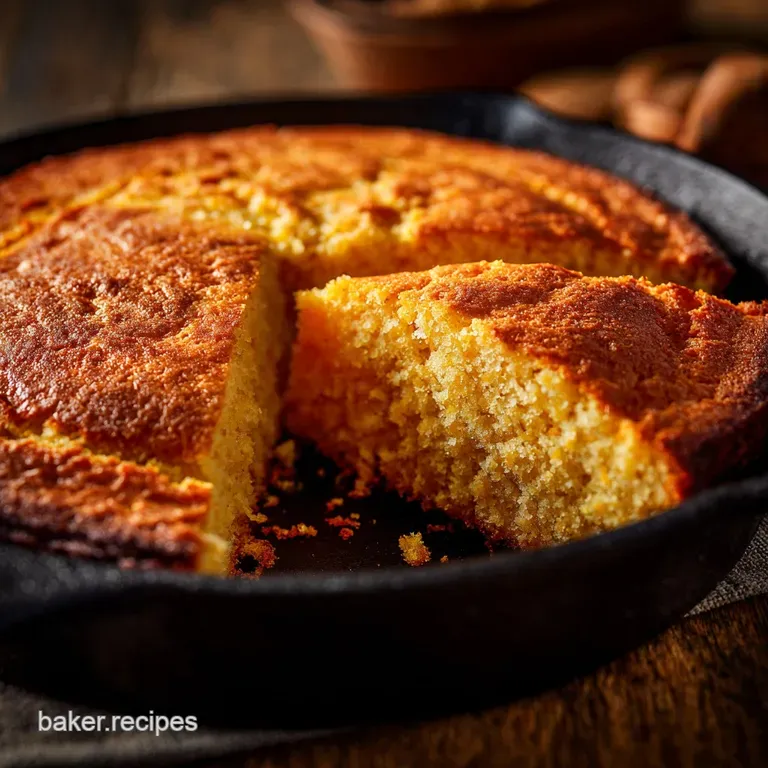
But the real secret, the key to that incredible golden and brown crust? Two tablespoons of melted butter go into the cast iron skillet before it hits the oven. This creates a shimmering, hot bath of butter for the batter to land in, which instantly sets the edges and gives us the crunch we crave.
Prepping Your Cast Iron Skillet: A Quick Guide
If you don’t have a cast iron skillet , go buy one. Seriously. It’s worth it just for this recipe. The cast iron retains heat like nothing else, which is necessary for the perfect crust.
- Melt two tablespoons of butter in the skillet.
- Swirl it to fully coat the bottom and the lower sides.
- Stick the skillet in the oven while it preheats to 400°F (200°C).
- When you pull that skillet out (carefully!), the butter should be sizzling hot and maybe just starting to brown. That’s the signal.
Related Recipes Worth Trying
- Flaky Sweet Potato Sage Scones The Ultimate Autumn Brunch Recipe — Skip the tough bakes Learn the secrets to perfect flaky sweet potato scones The warmth of fresh sage and potato makes these the best savory scone recipes...
- MapleSweetened Healthy Granola Cookies The Ultimate Power Cookie — Proper chunky healthy granola cookies recipenaturally sweetened with maple low sugar to defeat the 3 PM slump Chewy centres perfect for your cuppa
- Easy Sweet Potato Breakfast Tacos with Chipotle Crema — Elevate your morning with these incredible Sweet Potato Breakfast Tacos Featuring roasted spices and smoky crema they are perfect for weekend brunch or easy...
Mastering the Technique: Baking Tender Sweet Cornbread
This is the home stretch. We have perfect ingredients, now we just need flawless execution. And flawless execution, ironically, means being gentle.
Mixing Wet and Dry: The Key to Avoiding Overdevelopment
You whisk the dry stuff together in one bowl. You whisk the wet stuff (eggs, buttermilk, slightly cooled melted butter) in another bowl. Then, you combine them.
The instant they combine, gluten development begins. We want to stop it before it gets too enthusiastic. Use a rubber spatula, not a whisk, to combine. Stir maybe ten times, maximum.
There will be lumps. This is okay! Lumps mean tenderness. Overmixing means tough, chewy cornbread. Trust the lumps, I promise.
The Critical Step: Heating the Skillet Before Adding Batter
I cannot stress this enough. This is the difference between good and great cornbread.
If you pour the batter into a cold pan, the butter just soaks right up into the bottom layer of the batter. You get soggy cornbread. If you pour it into a screaming hot pan, the batter hits the hot fat and immediately starts frying and setting. This creates a seal.
It locks the moisture in the center while guaranteeing a phenomenal, crunchy crust. It’s non and negotiable for this skillet cornbread recipe . Put on those heavy oven mitts and move fast.
Visual Cues for Perfect Doneness (No More Guessing)
Twenty and five to thirty minutes at 400°F is usually perfect for a 9 inch skillet. How do you know for sure?
The top should be deeply golden, not just lightly blonde. The edges will look firm and pull slightly away from the skillet sides. Do the toothpick test right in the dead center. If it comes out clean or just with a few moist crumbs clinging to it you're done.
If you see wet batter, give it five more minutes. But beware: overbaking is the fastest way to turn this moist recipe into a dry tragedy.
Extending the Life and Enjoyment of Your Homemade Bake
Storage Solutions: Keeping Leftovers Moist for Days
Leftover cornbread is a thing of beauty, IF you store it right. It will dry out very fast if left on the counter exposed to air.
Once it’s fully cooled (about an hour), wrap the slices tightly in plastic wrap, and then put that bundle into a Ziploc bag or airtight container. It will keep perfectly moist at room temperature for about three days. Honestly, I slice it, wrap individual pieces, and then freeze them for quick lunch sides later.
Flavor Twists: Spicy Jalapeño or Rich Honey Variations
This base recipe is a brilliant canvas! If you want to play around, here are my favorite things to fold in:
- Hot Honey: Replace half the granulated sugar with honey for a deeper, richer flavor. (Just remember to reduce the buttermilk by 2 tablespoons since honey is a liquid.)
- Spicy Cheese: Fold in 1/2 cup grated sharp cheddar cheese and 2 finely chopped, de and seeded jalapeños (fresh or pickled) into the batter. The ultimate salty and sweet kick.
- Extra Sweetness: For a richer, almost dessert and like cornbread, replace the sugar with a mix of brown sugar and maple syrup.
Serving Suggestions: Ideal Chili and BBQ Pairings
Cornbread belongs next to something substantial. It’s too humble to be a standalone dessert, though a warm slice slathered in honey butter comes close. Serve this sweet cornbread recipe with:
| Savory Pairings | Topping Ideas |
|---|---|
| Texas Beef Chili (essential!) | Salted butter, naturally |
| Slow and Cooked Pulled Pork or Chicken | Whipped honey and cinnamon butter |
| Beef Brisket and Tangy Coleslaw | A light drizzle of maple syrup |
| Black Bean Soup or Brunswick Stew | A dollop of full and fat sour cream |
Quick Reference: Nutritional Facts and Serving Sizes
I know some of you are meticulous about tracking everything, so I dropped a detailed chart way up top for the estimates (look for the numbered section, about #8). Remember these are simply approximations. If you swap out all the butter for lard or add that half and cup of cheese, those numbers are going to climb!
But hey, this is comfort food. Sometimes we just need to enjoy the butter, right? This recipe serves eight big, hungry people, or four extremely happy ones. Enjoy, friend! Text me a picture when it comes out of the oven.
Recipe FAQs
I love that crunchy edge is using a cast iron skillet really necessary for the perfect crust?
While you can use a regular baking dish, using a preheated cast iron skillet is non-negotiable for achieving that brilliant crunch; the intense initial heat instantly sets the butter and forms the desirable, crisp crust.
Can I prep this Sweet Cornbread ahead of time, or does it need to be eaten straight away?
Sweet Cornbread is best served warm immediately, but leftovers keep wonderfully in an airtight container at room temperature for up to three days, or they can be properly frozen for up to three months.
Help! I'm caught short and don't have buttermilk. Can I use regular milk instead?
Absolutely! If you're caught short, simply mix 1 1/2 cups of whole milk with 1 1/2 tablespoons of vinegar or lemon juice and let it stand for five minutes; this cultured milk substitute provides the essential acidity for a tender crumb.
My cornbread came out tough and dense like I could use it as a coaster. What went wrong?
That result is the classic sign of overmixing the batter, which develops the gluten in the flour and makes the cornbread chewy; remember to only stir until the dry ingredients are just incorporated a few small lumps are perfectly fine.
This recipe uses a fair amount of sugar will this taste more like cake than proper cornbread?
Not at all; the sugar simply balances the sharp tang of the buttermilk and the graininess of the cornmeal, ensuring the final dish is moist and pleasantly sweet without crossing the line into sponge cake territory.
Tender Sweet Skillet Cornbread Recipe
Ingredients:
Instructions:
Nutrition Facts:
| Calories | 295 calories |
|---|---|
| Fat | 16 g |
| Fiber | 1.5 g |
