Turkey Gravy with Drippings: Silky, Rich and Pub-Style
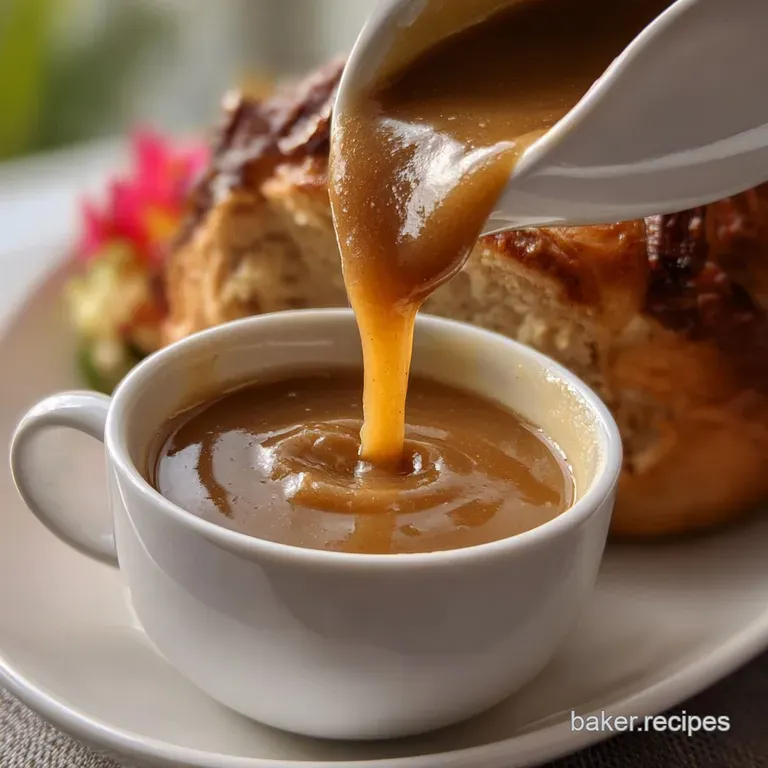
Liquid Gold: Mastering Turkey Gravy with Drippings
That smell. It hits you when the turkey first comes out of the oven that deep, savory, impossible aroma that signals true home cooking. But let’s be honest, the star of the show isn't the bird itself (unless you used my Turkey and Gravy: Slow Roasted Perfection Herb Gravy ), it's the incredibly rich, velvety blanket of golden sauce you smother over everything. We’re talking about proper Turkey Gravy with Drippings , the nonnegotiable centerpiece of any feast.
This specific sauce is a lifesaver, not just because it’s heavenly, but because it saves you time and money. You’re utilizing what you already have the glorious pan juice fond and the rendered fat to create a deep flavor base that store-bought broth simply cannot mimic.
It’s a genius, economical choice to ensure zero flavour waste.
If you’ve ever wound up with a sad, watery, or lumpy mess, you’re in the right place. We are going to break down exactly how you execute a perfect, lump free, deep flavor turkey gravy recipe with drippings, maximizing every last drop of flavour from that roasting pan.
The Science of Flavour: Why Pan Drippings are Essential
The Roast’s Cornerstone: A Proper Gravy Overview
The secret to why this Turkey Gravy with Drippings tastes so powerful is simple: Maillard Reaction. Those sticky, browned bits stuck to the bottom of your roasting pan that’s the flavour gold we're harnessing.
They represent caramelized proteins and sugars, which we "release" through deglazing. This process builds the bedrock of your sauce, offering layers of savory depth that you simply cannot replicate using plain broth.
Comparing Gravy Bases: Ditching the store-bought Stock
Here’s where most people mess up: they just use canned broth. While store-bought stock is fine for other recipes (like soup), a truly fantastic gravy requires the actual turkey drippings and fat. That fat is the vehicle for flavor, and the roasted juices are the soul.
By using the full turkey gravy with drippings and broth method, you achieve richness and authenticity. Why settle for bland stock when you have liquid flavour brilliance ready to go?
Achieving Silky Texture: The Secret to a Smooth Finish
The texture of the gravy depends entirely on the roux (the cooked fat and flour mixture) and how you incorporate your liquid. We use a classic roux here because the fat encapsulates the flour starch grains, ensuring they disperse smoothly when liquid is introduced.
The essential trick is to add the first round of cold liquid to the hot roux (or hot liquid to a cold roux). This temperature shock prevents instant clumping trust me on this, it's the single best tip for lump free gravy.
My Gravy Rookie Mistake: I once tried making gravy immediately after carving, rushing the process. I didn't skim the excess fat, and the resulting sauce was greasy and split easily. Always use a fat separator or let the drippings settle first!
It makes all the difference in the world for a perfect, rich turkey gravy with drippings.
Is Turkey Gravy with Drippings Safe for Leftovers?
Absolutely! This gravy, because it’s fully cooked (simmered for at least 5 minutes), stores beautifully. The rich fat content actually helps preserve the flavour. You should treat gravy just like any meat based stock or cooked meat; it needs to be put away within two hours of cooking.
Gathering the Components: Ingredients for Rich Turkey Gravy
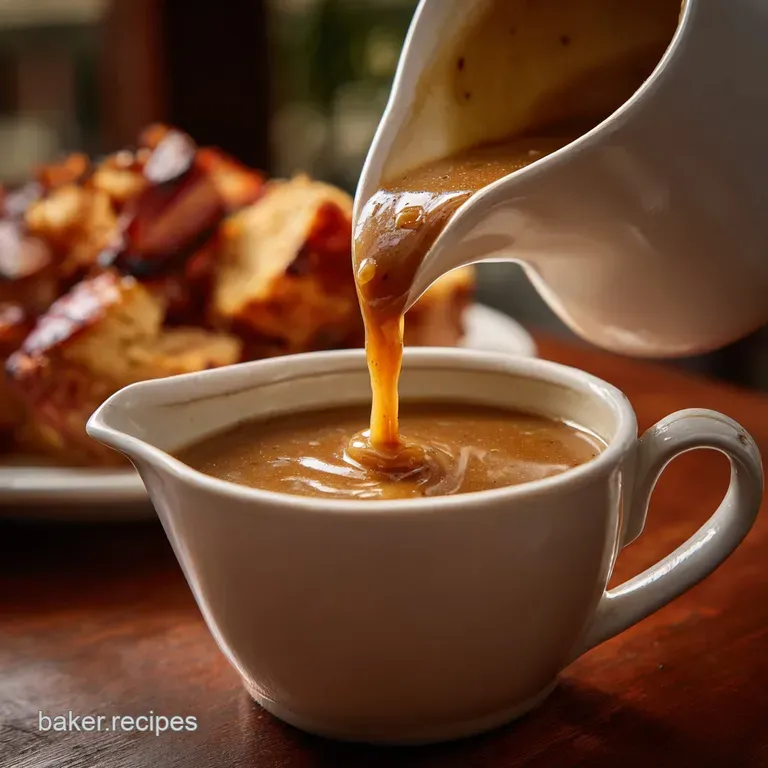
Making this gravy recipe with drippings is incredibly straightforward once you have your liquid sorted out. Here is what you need for this deep, flavorful sauce.
| Swap Out (No Turkey Fat?) | Use Instead | Notes |
|---|---|---|
| All-Purpose Flour | Cornstarch or Potato Starch | Used as a slurry (mixed with cold water) at the end, not for a roux. |
| Turkey Fat/Drippings | Unsalted Butter (Must use high-quality) | Butter gives a rich flavour; you'll need to increase the seasoning, though. |
| Turkey Stock | Low-Sodium Chicken Stock | Chicken stock is the closest substitute, but ensure it's low sodium because the drippings are already salty. |
Crucial Ingredient Spotlight: Turkey Drippings and Fat
This step is truly non-negotiable for the BEST flavour. You need about 4 5 tablespoons of the clear, rendered fat from the roasting pan, and about 1 cup of the clear, meaty liquid drippings saved underneath the fat.
Use a fat separator for this; it removes the guesswork and sludge, leaving you with perfect, clear liquid gold.
The Thickening Agent: Choosing the Right Flour
All-purpose flour is the standard here because it provides both a reliable thickener and the structure for that glossy finish. It thickens well and holds temperature beautifully. If you must go gluten-free, a cornstarch slurry works, but remember to add it at the very end when the stock is already hot it thickens immediately, giving you less forgiveness.
This is a classic turkey gravy with drippings and flour recipe, so keep it simple if you can.
Building Depth: Aromatic Additions (Thyme, Bay Leaf)
While the drippings do most of the heavy lifting, a few simple aromatics can push the flavor over the edge. A bay leaf and a few sprigs of fresh thyme, simmered in the liquid, add complexity without cluttering the main flavor profile.
A tiny glug of dry sherry or red wine (less than 1/4 cup) deglazed into the roux adds a powerful, necessary acidity that balances the richness, giving you that proper pub-style gravy depth.
Essential Liquid: Using Reserved Turkey Broth or Water
After separating the drippings, you need extra liquid to thin the final sauce. Use strong turkey stock if you have it, which deepens that savory turkey flavour. If not, low-sodium chicken stock or even highly seasoned water will work, especially since we already have the incredible depth from the drippings.
This is part of how to make turkey gravy from pan drippings successfully; don't rely only on the small quantity of drippings.
The Method: step-by-step Guide to Turkey Gravy Excellence
Follow these steps for the silkiest, most flavour packed Turkey Gravy with Drippings you will ever pour over your plate.
Initial Preparation: Sifting and Clarifying the Turkey Drippings
First, deal with the pan. Pour everything fat, juices, and bits into a tall glass measuring cup or a fat separator. Let it sit for 5– 10 minutes. The fat will rise to the top. Skim off your 4 5 tablespoons of clear fat and put it into your sauce pan.
Then, reserve one full cup of the dark, clear liquid drippings underneath the fat. If you find little bits of bone or herb in your reserved liquid, run it quickly through a fine mesh sieve.
Phase One: Building the Roux Base on the Stovetop
Place your saucepan over medium heat. Let the turkey fat shimmer. If you’re short on fat, add a little butter until you reach the desired amount. Now, whisk in the flour all at once. It should immediately form a glossy, thick paste the roux.
Cook this roux for 2– 3 minutes, stirring constantly. It stops smelling like raw flour and starts to smell pleasantly nutty, like popcorn. This step is essential for a good gravy recipe with drippings .
Incorporating the Liquid: Whisking for a Lump Free Finish
Remove the pan from the heat. This is the moment of truth! Pour in the 1 cup of reserved drippings, whisking vigorously. The mixture will seize up and look like dark sludge, but keep whisking until it’s perfectly smooth.
Now, slowly very slowly pour the 2 cups of stock (and any sherry/wine) into the mixture while whisking continuously. We are creating an emulsion here, ensuring every speck of flour dissolves.
Simmering & Reducing: Bringing the Gravy to Perfect Consistency
Return the pan to medium low heat. Add your thyme sprig and bay leaf. Bring the gravy to a slow, gentle simmer. Do not boil hard! Allow it to bubble softly for 5 to 10 minutes. It will visibly thicken. When it coats the back of a spoon lightly that’s your cue.
If it’s too thin, simmer longer; if too thick, whisk in a tablespoon of hot stock. Skim any excess foam that rises to the top.
Storage, Freezing, and Reheating
You’ve mastered the art of making the best turkey gravy with drippings —now let’s make sure those leftovers serve you well.
How to Store Leftovers
Allow the gravy to cool completely (but quickly, within two hours). Transfer it to an airtight container. It will keep beautifully in the refrigerator for 3 to 4 days. You’ll notice it sets up very firmly, almost like meat jelly when cold. That’s totally normal and due to the gelatin and fat content.
Freezing Instructions
Does gravy freeze? You bet. If you made a huge batch of this particular gravy recipe with drippings, pour the cooled gravy into freezer safe containers or even heavy duty Ziploc bags, pressing out all the air. It will freeze well for up to 3 months. Thaw it completely overnight in the fridge before reheating.
Best Reheating Methods
To reheat, the stovetop is always best. Dump the solidified gravy into a saucepan over low heat. As it melts, it will look too thick. Whisk in a tablespoon or two of water or stock to loosen it up. Heat until it is gently simmering and flowing freely again.
Do not microwave unless you are reheating a small, single serving portion, and be ready to stir frequently to prevent the fat from separating.
What to Serve With This Dish
Obviously, this heavenly turkey gravy with drippings belongs slathered over roast turkey, mashed potatoes, and stuffing. But don't sleep on other applications! It's fantastic poured generously over roasted root vegetables or spooned alongside my famous Chicken Fried Steak: Crispy Perfection with Pepper Gravy . A huge pot of this gravy goes perfectly with creamy, baked dishes too imagine a casserole replacement like my Macaroni and Cheese: The Ultimate Baked Recipe with Crispy Top topped with shredded turkey and this rich sauce.
So there you have it: the full knowledge on how to achieve that silky, deep umami flavour. This simple, classic turkey gravy recipe with drippings truly elevates any meal it touches, and now you know all the secrets to getting it right every time.
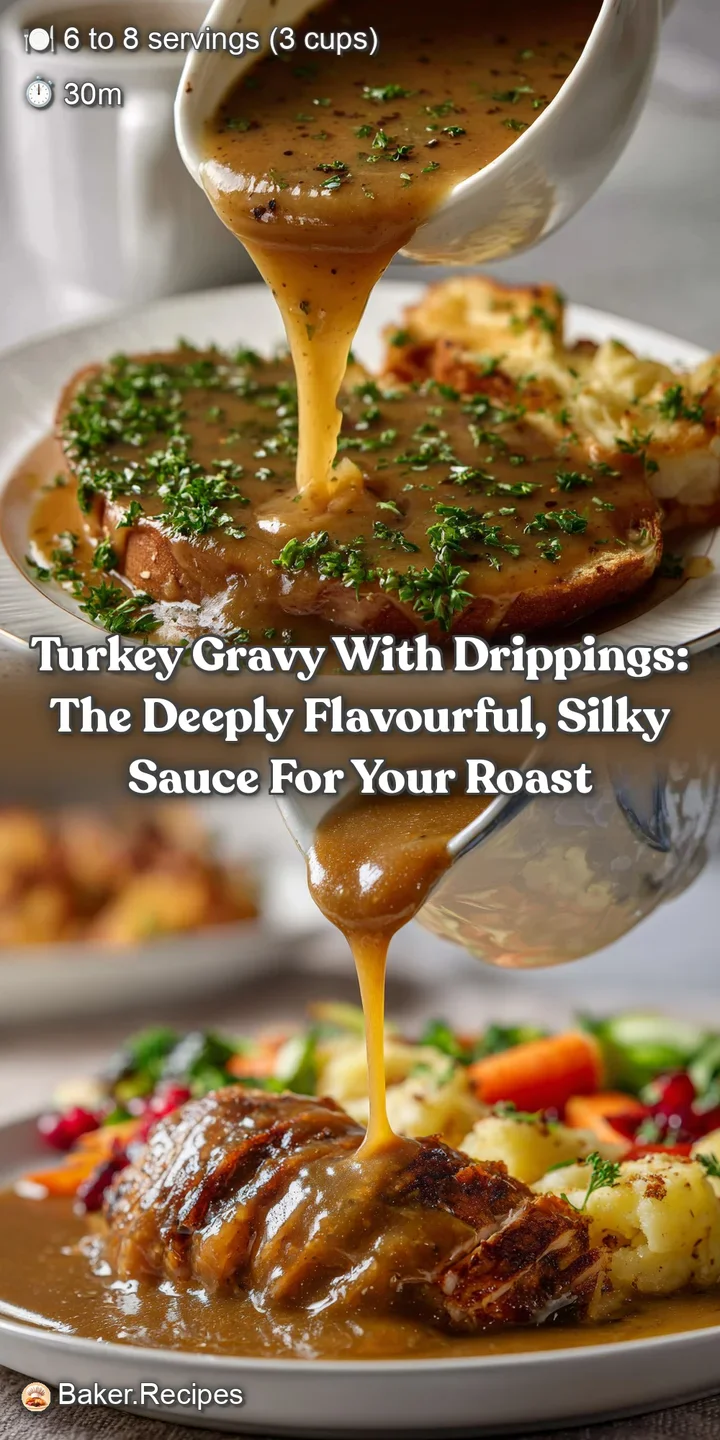
Recipe FAQs
My gravy is lumpy. What went wrong and how do I fix it?
Lumps usually develop when the flour (used in the roux) is added too quickly to the fat, or if the liquid is introduced too fast while not whisking vigorously. To fix this, strain the finished gravy through a fine mesh sieve or give it a quick blend with an immersion blender until smooth.
The gravy tastes bland, even with the turkey drippings. How can I boost the flavour?
Ensure you are scraping up and incorporating all the browned "fond" (the sticky bits) from the roasting pan, as these hold the most concentrated flavour. You can also intensify the taste by adding a teaspoon of Worcestershire sauce, a splash of red wine, or by reducing the final product for a longer period to concentrate the existing flavour profile.
Can I make this gravy ahead of time, and how should I store it?
Yes, gravy can be made up to three days in advance and stored in an airtight container in the refrigerator. When reheating, whisk it well over low heat, and you may need to add a splash of stock or water to restore the desired consistency, as it will thicken upon cooling.
My gravy is too thin. How do I thicken it without making a new roux?
The easiest method is to create a cornstarch slurry: whisk equal parts cornstarch and cold water until smooth. Slowly whisk the slurry into the simmering gravy, letting it cook for a full minute after each addition until the desired thickness is achieved.
If I don't have enough turkey drippings, what is the best substitute for fat in the roux?
If the drippings yield less than the required fat, you can top it up with unsalted butter or a neutral cooking oil like canola or vegetable oil. Note that butter will provide a richer flavour that complements the turkey better than oil.
Can I freeze leftover turkey gravy?
You can definitely freeze gravy, though the texture might be slightly grainier once thawed due to the flour and fat separating. Allow the gravy to cool completely, then freeze it in small, airtight containers for up to 3 months.
Thaw it overnight in the fridge and reheat gently, whisking constantly to recombine the emulsion.
Turkey Gravy With Drippings Recipe
Ingredients:
Instructions:
Nutrition Facts:
| Calories | 164 kcal |
|---|---|
| Protein | 15.9 g |
| Fat | 11.2 g |
| Carbs | 0.1 g |
