Garlic Twist: Ultimate Cheesy Tear-And-Share Bread
- Beyond Breadsticks: Why This Cheesy Garlic Loaf is the Ultimate Comfort Food
- The Science of Fluff: Achieving the Ultimate Light Texture
- Essential Components for Your Tear and Share Garlic Twists
- Shaping and Baking Your Ultimate Garlic Twist Bread
- Troubleshooting: Chef's Tips for Perfect Yeasted Garlic Buns
- Preservation: How to Store Your Leftover Cheesy Garlic Rolls
- The Perfect Dipping Companion: Serving Ideas for Warm Garlic Bread
- Recipe FAQs
- 📝 Recipe Card
Beyond Breadsticks: Why This Cheesy Garlic Loaf is the Ultimate Comfort Food
If there is one scent that can immediately transport me back to my grandmother’s warm kitchen, it is the intoxicating, savory perfume of baking yeast and caramelized garlic. That, my friends, is the magic captured perfectly in this ultimate Garlic Twist recipe.
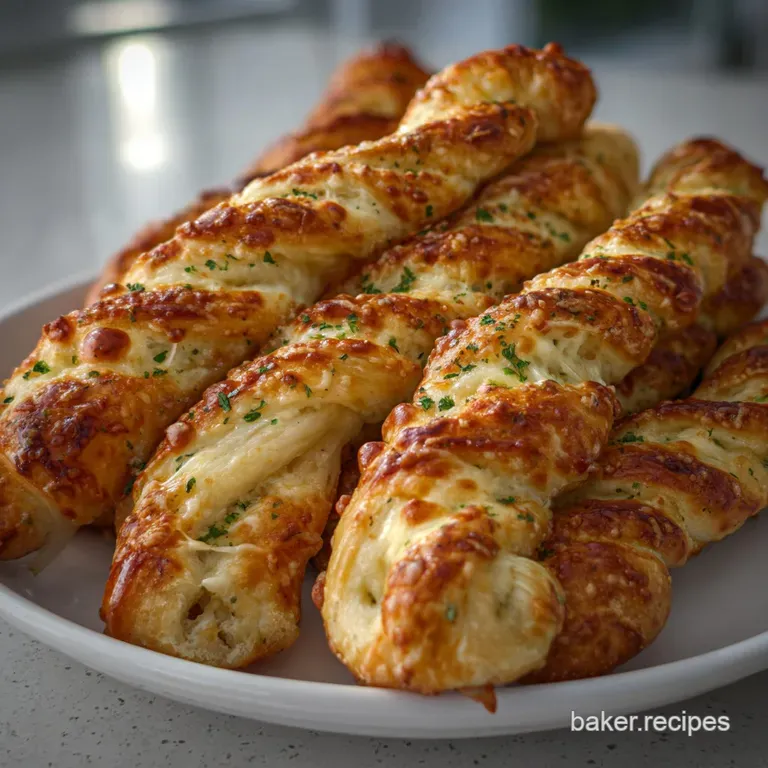
The exterior bakes into a delightful golden crisp, while the inside remains ridiculously light, airy, and utterly saturated with garlicky, buttery goodness. When you tear into one, you hear that satisfying little shush sound of perfect, fluffy bread.
Forget those dry, brittle breadsticks that snap before they reach your mouth. This Garlic Twist bread is designed to be pulled apart, shared, and possibly devoured entirely by one person in the space of five minutes no judgment here!
It’s inexpensive, requires ingredients you probably already have, and serves as the ultimate backdrop for any meal, turning a simple soup night into an event. It’s the perfect way to crank out a fantastic Recipe for a Crowd without much actual fuss.
We are going beyond simple dough here; we’re using a lamination technique that creates dozens of soft, flaky layers, meaning every single inch of this bread gets coated in that sharp Parmesan and fresh garlic filling.
If you’ve been looking for the ultimate Tear and Share Bread Recipe , you can stop searching now. Let's crack on and get sticky with some dough!
The Science of Fluff: Achieving the Ultimate Light Texture
Making excellent yeast bread, including perfect Cheesy Garlic Twists Recipe , isn’t about luck; it's about understanding gluten and heat. The goal here is a twist that feels light as a feather, not a dense, dry weight.
We achieve this specific texture by treating the dough lovingly, particularly during the kneading and proofing stages, and by introducing fat in a very specific way.
What Makes a Perfect Tear and Share Bread?
The secret to a fantastic tear and share experience lies in the structural integrity of the final bake. We’re not just making simple rolls; we’re using a folding technique, sometimes called a lazy lamination, before cutting.
This folding creates layers that hold the butter filling in place and prevent the twists from merging completely while baking, ensuring they are easy to pull apart later. This method gives our Garlic Twist that distinct, layered interior.
A Guide to Proofing Yeasted Dough: The First Rise
Yeast is a living organism, and it needs comfortable conditions to thrive. Your milk needs to be warm enough to wake the yeast up, but not so hot that it kills it think bathwater temperature, roughly 105 115°F. My first few attempts at baking always failed because I used scalding milk.
If your yeast doesn't foam after 10 minutes, seriously, ditch it. Dead yeast equals dense bread, and nobody wants a sad, heavy Garlic Twist Bread .
The Flavor Profile: Intense Garlic Meets Sharp Parmesan
The filling for our Garlic Twist is deceptively simple, but the quality of ingredients matters immensely. We rely on the sharpness of high-quality Parmesan (not the powdery stuff in the green canister, please!) to cut through the richness of the butter and milk in the dough.
This contrast is what makes the flavor pop. The intense, raw minced garlic butter melts into the dough as it bakes, bathing every single strand.
Why Butter Temperature Matters in the Dough
For this specific recipe, the butter added to the dough must be fully melted, but then cooled slightly. Why? Because we want the butter to immediately integrate into the liquid ingredients, coating the flour particles evenly.
This coating actually helps keep the final bread soft and tender by slightly inhibiting excessive gluten development, resulting in a supremely tender Garlic Twisty Bread rather than a tough, chewy one.
Maximizing the Savory Garlic Intensity
To get the most intense garlic flavour, we are going to use two different garlic applications: raw minced garlic in the filling, which mellows as it bakes, and a final, raw garlic finish.
That last brush of melted butter infused with a tiny bit of fresh, raw garlic right out of the oven is what gives the bread that necessary bite and aroma. It’s a flavour bomb guaranteed to make this the Best Garlic Twists you've ever made.
The Secret to Golden Brown Perfection
We use an egg wash (just the yolk mixed with water) right before the second proof is complete and the bread goes into the oven. This little trick ensures a deep, glossy, golden brown crust. Without it, your Garlic Twist might look pale and slightly dry.
Don't skip the egg wash; it takes 30 seconds and pays massive dividends in visual appeal and texture.
Essential Components for Your Tear and Share Garlic Twists
Let's talk ingredients and those vital swaps, because sometimes you just don't have exactly what the recipe calls for, and that's fine we adapt!
Choosing the Right Flour and Yeast Combination
I always recommend using strong white bread flour if you can get it for this Garlic Twist dough. It has a higher protein content, which means it develops more structure during kneading, allowing the twists to hold their shape better and rise higher.
However, standard all-purpose flour works beautifully; the crumb will just be slightly softer. As for yeast, instant dry yeast is the easiest no need to pre-hydrate, just mix it in with your dry ingredients if you're confident in its freshness.
Swapping Cheeses: Best Alternatives to Parmesan
Parmesan provides that essential salty, nutty bite, but if you’re out, here are your best bets.
| If you have... | Substitute with... | Notes |
|---|---|---|
| Pecorino Romano | Yes, 1:1 ratio. | Sharper, saltier flavor. Use slightly less salt in the dough. |
| Asiago | Yes, 1:1 ratio. | Milder, nuttier flavor; melts beautifully. |
| Grana Padano | Yes, 1:1 ratio. | Very similar to Parmesan, excellent substitute. |
| Nutritional Yeast | Half the amount listed. | Vegan option. Adds a cheesy, umami flavour without the dairy. |
Fresh vs. Roasted Garlic: Which Delivers More Punch?
For this Garlic Twist recipe, fresh is best for intensity. Since we are dealing with a bread meant to be savory and pungent, the raw minced garlic provides the punch we crave. If you want a milder, sweeter flavor, you can certainly use 6 8 cloves of roasted garlic instead.
Just gently roast them first, squeeze the pulp out, and mash it into the butter filling. That sweetness is great if you plan to serve the Garlic Twist with something acidic, like tomato soup.
Chef's Note: When making the garlic butter filling, be sure the butter is properly softened room temperature, but not melted. If the butter is too warm, it will melt out of the dough too quickly during the second proof, leading to a greasy bake.
Making This Recipe Ahead: Prep Time Hacks
You can prep the dough and the filling the day before. Mix the dough, let it complete the first rise, then punch it down gently and wrap it tightly. Store it in the fridge overnight.
When you’re ready to bake, pull it out, let it warm up for 30 minutes on the counter, then roll, fill, and shape the Garlic Twists . The cold dough is actually easier to roll and shape precisely!
This is a fantastic Easy Party Appetizer strategy.
Shaping and Baking Your Ultimate Garlic Twist Bread

The shaping part is where the fun begins, and it's what defines a proper Garlic Twist . Don’t stress about perfection here. The goal is rustic beauty!
Once the dough is rolled out into that big rectangle and you’ve smeared every inch with the pungent garlic Parmesan butter, folding it like a long book seals the deliciousness inside.
When you cut the 1 inch strips, pick one up, and give it two or three gentle turns. That's it. You're creating little pockets of air and butter that will swell and separate in the oven, giving you those layers we talked about.
This technique ensures that your Garlic Twist Bread gets that distinct, coiled structure.
Troubleshooting: Chef's Tips for Perfect Yeasted Garlic Buns
Every baker, myself included, has had a flat, tough, or dry loaf. It happens! The key is knowing the simple fixes.
Kneading Techniques for a Smooth, Elastic Dough
If you are kneading by hand, aim for a dough that passes the windowpane test you should be able to stretch a small piece of dough thin enough to see light through it without tearing. If you’re using a stand mixer, stop kneading the moment the dough pulls cleanly away from the sides.
Over kneading, especially with high protein flour, results in a tough, chewy Garlic Twist that doesn't rise as high.
Mastering the Twist: Cutting and Forming the Loaf
The biggest mistake people make here is stretching the strip too hard before twisting. If you over stretch, the gluten strands tear, and the dough won’t puff up properly. Pick up the strip, give a slight wiggle to lengthen it by just 25%, and then twist lightly.
The twisting process itself helps seal the edges so the butter doesn't leak everywhere.
The Second Rise: Timing and Temperature Check
The second rise is short only 20 minutes because we want the Garlic Twist to still have some strength when it hits the heat. If you let it rise too long here, it becomes over proofed, which means it will deflate in the oven (the yeast got lazy!).
You’ll know it’s ready if you lightly poke the side of a twist and the indentation springs back slowly, but not completely.
Baking Time and Internal Temperature Guide
Baking at 375°F (190°C) is ideal for yeasted bread like this. If your oven tends to run hot, keep a close eye after the 15 minute mark. You want the twists to be deep golden brown, not dark mahogany.
If you want to be completely certain, the internal temperature of properly baked bread should be around 200°F (93°C).
Identifying Under Proofed vs. Over Proofed Dough
If your dough is under proofed (not enough rise), your Garlic Twist will be dense and may burst open unevenly in the oven. If it's over proofed, it will look large and puffy when you put it in, but it will collapse slightly or feel very delicate when you touch it.
Always trust the finger poke test over the timer.
Preventing Dry or Crumbly Bread
Dry bread is usually caused by too much flour or baking for too long. Ensure you measure your flour accurately ideally by weight. If the dough seems too sticky during kneading, add flour only one tablespoon at a time. And remember that final butter brush!
That post bake butter glaze locks in moisture and adds incredible flavour to the exterior of the Comfort Food Bread Recipe .
Preservation: How to Store Your Leftover Cheesy Garlic Rolls
While this Garlic Twist is definitely best eaten warm, straight from the oven, sometimes you have leftovers. Don't worry, they store beautifully.
Best Practices for Short Term Storage
Once completely cool, store the remaining twists in an airtight container at room temperature for up to 3 days. Do not put them in the refrigerator, as the cold temperature rapidly stales yeast breads. If you need to keep them longer than three days, you must freeze them.
Freezing Unbaked Dough for Future Use
This is my favorite trick! You can freeze the shaped, unbaked twists after the second proof. Place them on a tray and freeze solid (this takes about 2 hours). Once frozen, transfer them to a freezer bag or container. They will last for up to 2 months.
To bake, thaw them on a parchment lined tray for 4- 6 hours (or overnight in the fridge) and then proceed with the egg wash and baking instructions. This makes an incredibly easy Easy Party Appetizer for last minute gatherings.
Reheating the Tear and Share Loaf for Maximum Freshness
If they are already baked, reheat them in a 350°F (175°C) oven for about 5– 8 minutes, or until warmed through and the crust is crisp again. Avoid the microwave; it makes them tough and rubbery.
A quick oven reheat brings your beautiful Garlic Twist Bread back to life.
The Perfect Dipping Companion: Serving Ideas for Warm Garlic Bread
This Garlic Twist deserves to be the centre of attention, but it’s also the perfect partner for so many meals.
The Best Soups and Stews to Pair With Bread
Anything rich and comforting works wonders here. The savoury, cheesy flavour is absolutely perfect alongside a thick French Onion Soup or a hearty bowl of chili. If you happen to be making a rich tomato and sausage stew, these twists are absolutely ideal for mopping up every last drop of sauce.
Sauces and Dips That Complement the Flavor Profile
Since the bread is already loaded with garlic and cheese, a simple dipping sauce is best. I love serving these twists with a classic marinara sauce, or even better, my intensely creamy Cheesy Dips: Ultimate Three Cheese Roasted Garlic Dip . The sharpness of the cheese in the twist cuts beautifully through the rich dip. Alternatively, the buttery profile pairs brilliantly with the bright lemon of my Easy Baked Shrimp Scampi Recipe Garlicky Lemon Perfection .
Using Twists as a Side for Simple Salads
If you’re serving a big, fresh, peppery rocket or watercress salad tossed simply with lemon vinaigrette, these twists are the perfect heavy side. The rich, savory Garlic Twist balances the acidity and freshness of the greens perfectly. They are miles better than any crouton!

Recipe FAQs
Why are my garlic twists dry or dense instead of soft and fluffy?
This usually indicates the dough was over kneaded or that too much flour was incorporated during mixing and shaping. Ensure you measure flour by weight for accuracy and avoid adding excess flour to the work surface, which can toughen the final structure.
Proper proofing, allowing the dough to double in size, is also crucial for achieving an airy crumb.
Can I prepare the dough for the Garlic Twists ahead of time?
Absolutely. After the initial kneading, you can place the dough in an oiled bowl, cover it tightly, and refrigerate it immediately for a slow, overnight proof (up to 18 hours). When ready to bake, let the chilled dough rest on the counter for about 45 minutes to warm up slightly before shaping and proceeding with the final proof.
My dough didn't rise much during the first proof. What went wrong?
The most common culprit is inactive yeast or improper temperature control. Ensure your liquid ingredients (milk/water) are lukewarm (105°F to 115°F) before mixing, as temperatures too hot will kill the yeast instantly.
If your kitchen is too cold, try placing the bowl in a slightly warmed, but turned off, oven to encourage activity.
How should I store the leftover Garlic Twists, and can I freeze them?
Store cooled leftovers in an airtight container at room temperature for up to 2 days, though they are always best when served warm. Yes, these twists freeze excellently; wrap them tightly in foil, place them in a freezer bag, and reheat from frozen in a 350°F (175°C) oven until warm through.
Can this recipe be made completely vegan or dairy-free?
Yes, this recipe is easily adaptable. Replace the butter in the dough and the topping with a high-quality vegan butter or refined coconut oil. For the cheese element, use a sharp, grated vegan Parmesan substitute, or simply omit the cheese entirely and increase the quantity of fresh herbs in the topping mixture.
Do I have to use slow roasted garlic, or can I use regular jarred minced garlic?
While jarred minced garlic offers convenience, the slow roasted garlic is key to the deep, sweet, and mild "Ultimate" flavour profile. If you must substitute, use half the amount of raw, fresh minced garlic to avoid an overwhelming sharp taste, or briefly sauté the minced garlic in a small amount of oil first to mellow the flavour.
Why is the cheese leaking out and burning on the baking sheet?
This happens when the cheese filling is pushed too close to the edges of the dough strip before twisting, causing it to squeeze out during baking. Ensure you leave a clean margin of dough (about half an inch) around the filling area when sealing the strips.
A high-quality baking parchment or silpat should prevent any leakage from sticking irreversibly to your pan.
Ultimate Cheesy Garlic Twists

Ingredients:
Instructions:
Nutrition Facts:
| Calories | 585 kcal |
|---|---|
| Protein | 13.8 g |
| Fat | 53.9 g |
| Carbs | 11.4 g |
