The Golden Secret Warming Spiced Quince Apple Chutney
- Unlocking the Magic of Underappreciated Quince Fruit
- Why This Spiced Autumn Quince Chutney Beats Store-Bought Jars
- Assembling Your Aromatic Arsenal for the Perfect Preserve
- The Transformation: From Hard Fruit to Jewel-Toned Condiment
- Elevating Your Chutney Experience: Serving Suggestions and Pairings
- Troubleshooting and Storage Mastery for Homemade Preserves
- Recipe FAQs
- 📝 Recipe Card
Unlocking the Magic of Underappreciated Quince Fruit
Quince. The very name conjures images of dusty orchard corners and slightly mythical culinary potential. Often mistaken for bumpy, oversized pears or strange, hairy apples, the quince fruit remains one of the most misunderstood jewels of the autumn harvest.
Unlike its softer cousins, raw quince is fiercely astringent and stubbornly hard a fruit that demands transformation through heat and time. This inherent difficulty, however, is precisely where the magic lies.
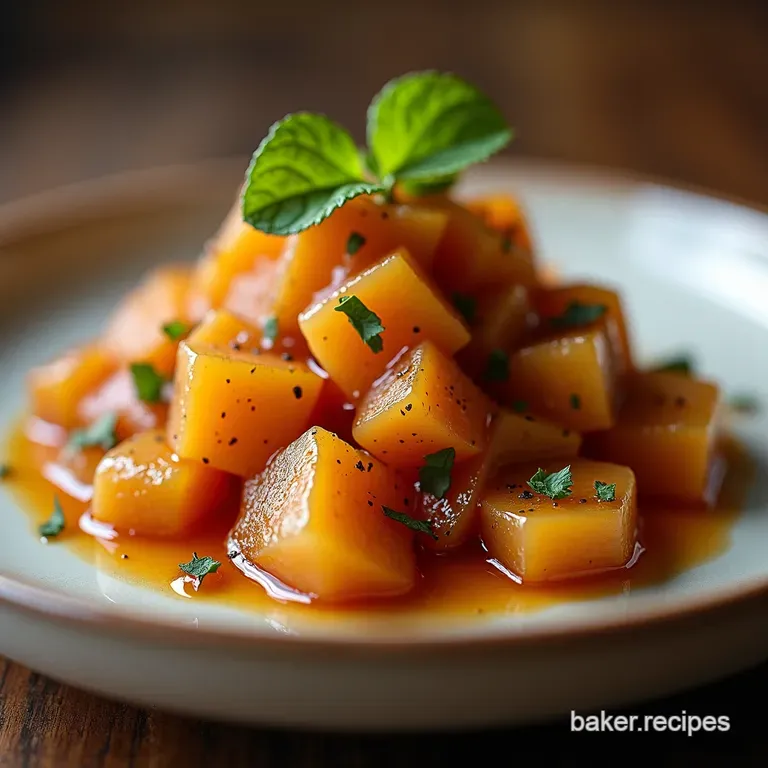
When patiently stewed, the pale, sour flesh undergoes a stunning metamorphosis, blushing into a deep rose or amber hue, releasing intoxicating floral aromatics, and mellowing into a sweet, tangy marvel perfect for preservation.
Mastering this transformation is the key to unlocking a truly spectacular Seasonal Quince Recipe .
Why This Spiced Autumn Quince Chutney Beats store-bought Jars
There is an unparalleled satisfaction in crafting your own condiments, and when it comes to bold flavour profiles, our Spiced Autumn Quince Chutney takes centre stage. store-bought versions often compromise texture or rely too heavily on sugar to mask the subtle complexity the fruit can offer.
This particular batch balances the natural tartness of the quince with the familiar sweetness of apples, creating a complex layering of flavour that elevates any simple meal.
The Seasonal Allure: Why Quince Demands Attention
Quince season is wonderfully brief, typically peaking from late September through November in many climates. This limited availability makes any dish featuring it feel special. To bypass the raw astringency and celebrate its unique perfume often described as a mix between vanilla, rose, and baked pear cooking it down into a dense preserve is the superior method.
It concentrates the flavour beautifully, ensuring every jar of this Homemade Quince Chutney sings with autumnal warmth.
A Flavor Profile Built for Cheeseboards and Roasts
The goal of this recipe is to create a condiment that offers both sweet and sharp counterpoints. By incorporating sharp Granny Smith apples alongside the quince, we maintain structural integrity while deepening the fruit base.
The addition of spicy ginger, earthy brown sugar, and aromatic whole spices like star anise and black peppercorns transforms the simple fruit base into a deeply savoury, slightly spicy delight.
This robust profile means it doesn’t just sit on the cheeseboard; it actively enhances aged cheddar, creamy goat’s cheese, or even complements rich, slow cooked pork belly.
Making Your First Batch of Gourmet Quince Chutney Accessible
While the idea of processing quince might sound daunting perhaps you’ve heard tales of their hardness this Easy Quince Chutney guide demystifies the process.
We approach this as a Medium difficulty preserve, primarily because the peeling requires a bit of elbow grease, but the actual cooking method is a straightforward process of simmering and reduction.
In just about two hours of active time, you can produce four pints of gourmet quality condiment, far superior to anything labelled simply as "Quince Chutney Jam."
Assembling Your Aromatic Arsenal for the Perfect Preserve

Crafting the Best Quince Chutney Recipe hinges on the quality and balance of your ingredients. We are not just cooking fruit; we are building a layered flavour experience that needs sharp acid, deep sweetness, and warming spice to shine.
Precise Quantities: Sourcing Your Quince and Sweeteners
For this batch, we begin with approximately 3 large, firm quinces, which yield about 1 kilogram of prepared fruit once the inedible core and tough skin are removed. This is balanced with 2 medium Granny Smith apples to aid softening and introduce a familiar tartness.
The sweetness comes from 2 cups of firmly packed brown sugar, which lends a molasses depth missing from plain white sugar. The necessary acidic backbone is provided by 1 ½ cups of good quality Apple Cider Vinegar, crucial for both preservation and that signature tangy finish required in a proper chutney.
We also include about 150g of finely chopped red onion and 75g of plump raisins or sultanas for texture.
The Spice Blend: Integrating Warmth Beyond Cinnamon
To achieve that signature complexity in our Spiced Quince Chutney , we rely on whole, pungent aromatics. We use 2 whole pods of star anise and 1 teaspoon of whole black peppercorns, which are contained within a small muslin bag.
This allows their essential oils to infuse the mixture without leaving gritty fragments behind. Complementing these are ½ teaspoon of ground cinnamon and a very subtle hint of ¼ teaspoon of chilli flakes, perfect for a lingering warmth without overwhelming the fruit.
A full teaspoon of fine sea salt rounds out the flavour profile.
Tools of the Trade: Essential Pots and Jars for Preservation
The right equipment ensures even cooking and successful sealing. You absolutely need a large, heavy bottomed stockpot or a dedicated preserving pan. This is vital because the chutney is high in sugar and needs consistent stirring during the long simmer; a thin bottomed pot will scorch the bottom quickly.
You will also need a sturdy vegetable peeler capable of handling the tough quince skin, a heatproof wooden spoon for stirring, and, if you plan on storing this Quince Chutney UK -style in the pantry for many months, properly sterilised jars and lids.
Related Recipes Worth Trying
- Rich Tangy Ginger Persimmon Chutney Recipe — Forget the shopbought jars This easy persimmon chutney recipe balances sweet fruit with sharp ginger and vinegar The best homemade addition to your cheeseboard
- Foolproof Blueberry Chutney Recipe with Ginger Spice — Whip up this vibrant Blueberry Ginger Chutneyits the perfect sweet and tangy topping for pork or cheese boards Easy to make
- Easy Homemade Cherry Chutney with Balsamic Zing — Forget the supermarket stuff This easy Cherry Chutney recipe balances sweet cherries with balsamic for a sophisticated homemade relish Perfect for canning
The Transformation: From Hard Fruit to Jewel Toned Condiment
This is where patience meets alchemy. The process involves careful preparation followed by a long, steady simmer designed to break down the fruit while reducing the liquid to a thick, clinging glaze.
Preparing the Quince: Peeling, Coring, and Chopping Technique
Handling quince requires commitment. They are hard, and the skin is thick and sometimes fuzzy. Use your sharpest peeler to remove all the skin. Next, quarter the fruit and carefully remove the core and any hard seed pockets. Dice the remaining firm flesh and the Granny Smith apples into uniform ½-inch pieces.
As quinces oxidise rapidly and turn brown upon exposure to air, immediately transfer the chopped fruit into a bowl of cold water with a generous squeeze of lemon juice to prevent discolouration while you prepare the rest of your ingredients.
The Initial Infusion: Blooming Your Vinegar and Sugar Base
In your large preserving pan set over medium heat, begin by gently sautéing the finely chopped red onion until it becomes soft and translucent this should take about five to seven minutes.
Add the grated fresh ginger (about 2 tablespoons’ worth) and cook for just one minute more until its sharp fragrance blooms. Next, tip in all your prepared quince and apple, the brown sugar, cider vinegar, raisins, cinnamon, chilli flakes, and salt. Stir everything thoroughly until the sugar begins to dissolve.
Submerge your muslin bag containing the peppercorns and star anise.
Simmering Secrets for Maximum Depth of Flavor
Bring the entire mixture to a vigorous, rolling boil over medium high heat, stirring constantly to ensure no sugar catches on the base of the pan. Once it reaches this boil, immediately reduce the heat to a low, steady simmer. This gentle phase is critical.
Cook the mixture uncovered for 75 to 90 minutes. During the first half hour, stir every 15 minutes. As the mixture thickens and the liquid reduces, increase your stirring frequency to every 5 to 10 minutes, scraping the base of the pan well, as the high sugar content means it can catch and burn very easily during this final reduction stage.
The fruit will soften beautifully, and the colour should deepen to a rich, dark amber.
Testing for Set: Mastering the Wrinkle Test on Your Chutney
Determining when the chutney has reached the perfect consistency is key to avoiding a runny jar. After about 75 minutes, perform the "wrinkle test": Stop stirring, draw a clean wooden spoon across the bottom of the pan, creating a clear path.
If the path holds its shape for a few seconds before the liquid slowly flows back to cover it, the chutney is ready. If it flows back immediately, continue simmering for another 10 minutes and test again.
Sterilization and Sealing: Ensuring Long Term Freshness
Once the chutney has reached its perfect set, immediately remove and discard the muslin spice bag and the star anise pods. Taste a small spoonful and adjust seasoning if necessary it may need a tiny pinch more salt or a splash more vinegar to achieve that perfect sweet sharp balance.
While the chutney is still piping hot, carefully ladle it into your pre-sterilised jars, ensuring you leave about ¼ inch (0.5cm) of headspace at the top. Wipe the rims clean, seal tightly with the lids, and invert the jars for a minute to help ensure a vacuum seal.
If you plan to keep this Quince Chutney in the refrigerator, simply cool it completely before sealing and storing.
Elevating Your Chutney Experience: Serving Suggestions and Pairings
This Quince Chutney Recipe is designed to be a versatile pantry workhorse. While it shines brightest alongside cheese, its robust flavour profile invites creative serving applications.
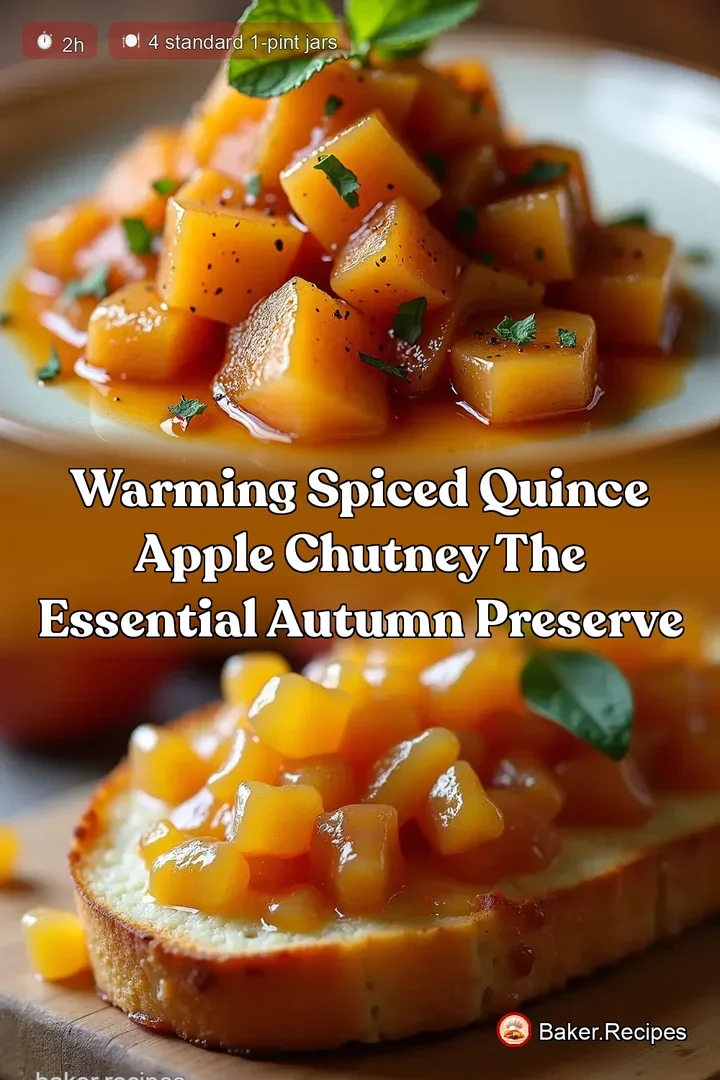
The classic pairing remains the cheeseboard. Serve thick slices alongside strong, mature Cheddar, robust blues like Stilton, or creamy Brie. Its sweet tart nature cuts through the fat beautifully. For a Sunday roast, a generous dollop works wonderfully with cold cuts of ham or pork.
On top of that,, it makes an incredible glaze for baked chicken wings or pork tenderloin during the final ten minutes of cooking, caramelising beautifully under the heat.
Troubleshooting and Storage Mastery for Homemade Preserves
Even the best recipes can encounter minor hiccups. Understanding how to correct a slight imbalance or ensure longevity is part of the preserving craft.
Beyond the Board: Creative Uses for This Quince Chutney
Don't limit this flavour bomb to savoury pairings. Try stirring a tablespoon into plain Greek yogurt for a spiced fruit dip, layer it thinly under smoked salmon on dark rye bread, or even use it as a base layer under the pastry of a savoury pork pie for an incredible burst of flavour when sliced.
Its complexity works surprisingly well in many contexts, making it an exceptionally useful condiment to have on hand throughout the year.
Adjusting Acidity and Sweetness: Expert Flavor Tweaks
If, after simmering, your chutney tastes too sweet, you can rescue it by stirring in a small splash (one teaspoon at a time) of extra cider vinegar until the sharpness returns to balance the sugar.
Conversely, if it tastes overly vinegary or sharp, stir in an extra tablespoon of brown sugar and simmer for an additional five minutes to allow the sugar to dissolve and integrate.
A common pitfall with this type of Spiced Autumn Quince Chutney is under seasoning with salt; always taste right before jarring, as salt dramatically lifts the perception of the spices.
Shelf Life Secrets: How Long Does Homemade Chutney Last?
When properly processed using the sterilisation and sealing method described, this chutney is shelf stable and can last upwards of one year when stored in a cool, dark pantry. Once opened, however, it must be treated like any other condiment and kept refrigerated.
Even refrigerated, its flavour will remain excellent for at least three to four months, though most batches of such a delicious Quince Chutney tend to disappear much faster than that!
Recipe FAQs
Why are my Quince Chutney pieces still hard after simmering for an hour and a half?
That’s a classic quince conundrum! Quinces take ages to break down, much longer than apples. If they are still stubbornly hard, it usually means your simmer wasn't gentle or consistent enough.
Try covering the pan partially and letting it simmer on the absolute lowest heat for another 30 minutes; patience is key here, old bean!
Can I make this Quince Chutney without peeling the fruit first?
You certainly could, but I wouldn't recommend it unless you want a slightly gritty texture. Quince skin tends to be quite tough and can inhibit that lovely smooth softening process.
If you leave the skins on, the final colour will be beautifully rosy, but make sure you use a very robust peeler or paring knife for the initial prep!
How long will this Spiced Autumn Quince Chutney last if I don't can it properly?
If you've stored your chutney in clean jars in the fridge without proper sterilisation/canning, it’s best treated like a fridge pickle. It should keep well for about 1 to 2 months, provided you always use a clean spoon when serving yourself.
For proper long term pantry storage (over a year), ensure your jars are sterilised and processed correctly, just like Grandma used to do!
My chutney turned out too runny is there a way to save it without adding more sugar?
Don’t panic, it’s salvageable! The best trick is to scoop out the cooked fruit pieces with a slotted spoon and put them aside. Then, boil the remaining liquid vigorously until it reduces and becomes syrupy this concentrates the pectin and sugar.
Once thick, return the fruit solids, stir well, and simmer briefly until everything marries up again.
Can I substitute the apples in this recipe for something else?
Absolutely! The apples are mostly there to bulk out the volume and add a familiar tartness that pairs well with the quince. You could swap them out for firm pears, or even use an extra half kilo of quince if you’re feeling ambitious.
Just be prepared that you might need to cook the pear mixture slightly longer for tenderness.
Warming Spiced Quince Chutney

Ingredients:
Instructions:
Nutrition Facts:
| Calories | 1012 kcal |
|---|---|
| Protein | 5.1 g |
| Fat | 0.7 g |
| Carbs | 113.5 g |
| Fiber | 18.3 g |
| Sodium | 10018 mg |
