Mac and Cheese: Creamy Baked Perfection
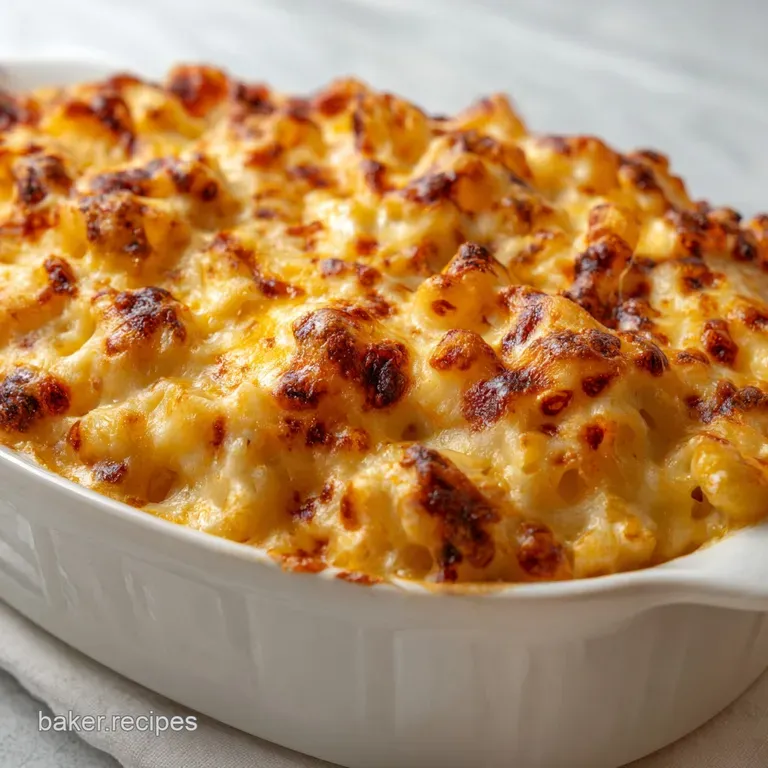
- The Great British Bake: A Seriously Creamy, Oven-Baked Macaroni and Cheese
- Why Settle for Stodgy? Achieving the Perfect Baked Pasta
- Essential Components for the Ultimate Comfort Dish
- The Science of Silk: What Makes This Mac and Cheese Ultra-Creamy
- Method: Constructing the Perfect Golden-Crusted Casserole
- Mastering the Technique: Expert Tips and Troubleshooting
- Prep Ahead and Storage Solutions
- Pairing Perfection: What to Serve Alongside Your Baked Delight
- Recipe FAQs
- 📝 Recipe Card
The Great British Bake: A Seriously Creamy, Oven Baked Macaroni and Cheese
When you pull this dish from the oven, you don’t just see dinner you experience it. That glorious golden crust is bubbling and shimmering, giving off the most incredible aroma of sharp, savoury cheese and toasted butter.
That first sound, the shattering crunch when your spoon breaks through the topping, is the auditory signal that the world is about to stop for a moment. This is how proper Mac and Cheese is meant to be.
This homemade mac and cheese recipe is my ultimate weeknight hero, a culinary comfort blanket for when life gets busy. It’s cheap, satisfying, and honestly, once you nail the sauce technique, it's pretty fast, too.
Forget those sad, grainy versions that split in the oven; we are going for velvety, rich, and ridiculously stable.
I’m going to walk you through the tiny, non-negotiable steps that elevate this from just a casserole to the undisputed best mac cheese you’ve ever tasted. We are talking restaurant quality, ready for your face in just an hour. Let’s get cheesy.
Why Settle for Stodgy? Achieving the Perfect Baked Pasta
Most recipes fail right at the start because they underestimate the power of science. We aren't just dumping milk and cheese together; we are creating a structured, stable emulsion.
If you master the roux and understand the heat required for melting cheese (hint: it's less than you think), you achieve a sauce that doesn't just coat the macaroni, it clings to it. That silkiness is what prevents the final bake from becoming dry and stodgy.
Is This Recipe Difficult? Understanding the Medium Rating
I rate this as Medium difficulty, but don't let that scare you off. The ingredients are ridiculously straightforward, really. The complexity lies purely in the timing and temperature control of the sauce.
If you rush the roux or add the cheese to boiling liquid, you will end up with a grainy mess, and we don't want that for your delicious Mac and Cheese . Take your time, focus on the texture of the sauce, and you'll crush it.
A Culinary Deep Dive: Why Evaporated Milk Is a Game Changer
Whole milk provides creaminess, sure, but evaporated milk is the secret weapon for next level stability. It has a high concentration of milk solids and proteins, acting as an incredible emulsifier.
This means your sauce won't break down when it hits the high heat of the oven, resulting in that unbelievably rich and smooth texture that defines great creamy mac and cheese .
You might see chefs using sodium citrate, but evaporated milk is the home cook’s natural path to foolproof velvet sauce.
The British Influence: Why 'Bake' Elevates the Experience
I know plenty of people prefer stovetop versions, and those have their place. But the golden, bubbling, baked mac and cheese version is superior, in my humble opinion. The oven step allows the flavours to deepen, the sauce to cling even tighter, and, most importantly, it gives us that magnificent crunchy topping we added at the end. It's the textural contrast the smooth sauce against the crunchy topping that truly makes this a perfect comfort dish. If you're looking for more inspiration on the baked approach, check out my recipe for Baked Macaroni and Cheese with Golden Panko Crust .
Essential Components for the Ultimate Comfort Dish
Our Recommended Sophisticated Cheese Blend
The key to phenomenal flavour is balance. Sharp cheddar brings the classic "Mac and Cheese" tang, but using 100% cheddar can sometimes result in an oily separation. That's why we blend it.
Gruyère is fantastic because it melts beautifully, offering a nutty, subtle sweetness that complements the cheddar's sharpness perfectly.
Chef's Note: Remember to always shred your own cheese. Seriously, it's not laziness, it's chemistry. Pre-shredded cheese is coated in cellulose (anti caking agents) that prevents the cheese from melting into a perfectly smooth sauce. It’s the fastest way to ruin a batch of homemade mac and cheese recipe .
Choosing Your Pasta Shape: The Best Holders of Velvety Sauce
I use elbow macaroni because it’s traditional, simple, and the little tube catches the sauce wonderfully. But truly, any short, tubular pasta shape works. Cavatappi is another excellent choice because the ridges hold onto the sauce like a champ.
Short, sturdy shapes are vital for this mac cheese recipe because they need to stand up to the bake without collapsing into mush.
If you love pasta salad recipes, you might even enjoy trying this with ditalini. For another great macaroni based dish, you should check out my Deviled Egg Macaroni Salad: The Ultimate Creamy Recipe .
Dairy Swaps: Finding Alternatives for Milk and Butter
| Ingredient | Substitute Option | Notes |
|---|---|---|
| Whole Milk | Skim Milk, Oat Milk, or Half and Half | Use half and half for added richness; use skim milk cautiously (may affect thickness). |
| Evaporated Milk | Heavy Cream or Half and Half | Heavy cream will provide the most similar richness and stability. |
| Unsalted Butter | Salted Butter (adjust salt later) or Clarified Butter | You must use real butter for the roux; oil alternatives won't stabilize the flour correctly. |
If you need a dairy-free version, I suggest looking into cashew cream blends for the liquid base they offer a surprising level of richness, though the flavour profile will change slightly.
The Science of Silk: What Makes This Mac and Cheese Ultra Creamy
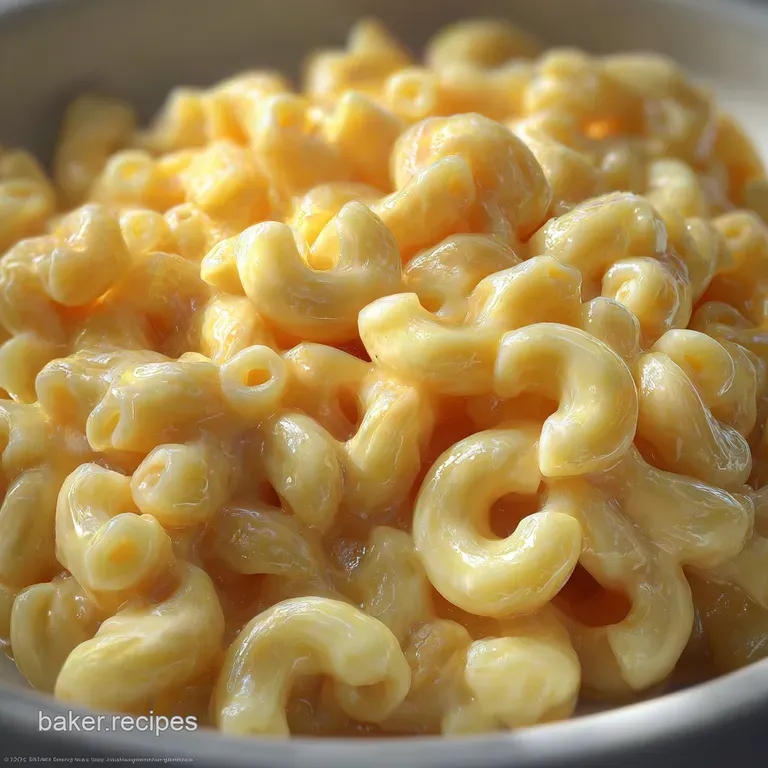
The secret here is stopping the cooking process when adding the cheese. We are making a classic French béchamel (milk thickened with a roux), which is already smooth and stable. When you introduce the cheese, you must remove the sauce from the heat immediately.
High, direct heat causes the protein chains in the cheese to seize and expel the fat, leaving you with that oily, grainy texture. By tempering the cheese in the warm, but not boiling, béchamel, you gently coax it into a luxurious liquid, ensuring your mac and cheese sauce stays unified and velvety.
Method: Constructing the Perfect Golden Crusted Casserole
Building the Béchamel Base: Mastering the Roux for Stability
The roux is simply equal parts fat (butter) and flour, cooked together. It’s the foundation. Melt the butter until it stops bubbling and smells slightly nutty, then whisk in the flour. You need to cook this mixture for about 60 to 90 seconds.
This step cooks out the raw, pasty flour taste, which is crucial for a clean tasting sauce. But don't let it brown! We are aiming for a pale, blonde colour.
The Cheese Ratio: Balancing Sharpness and Meltability
Our 12 oz of sharp cheddar to 4 oz of Gruyère gives us a perfect 3:1 flavour to melt ratio. This blend hits that sweet spot of intense cheese flavour without becoming difficult or stringy.
Remember to add your seasonings especially the mustard powder and nutmeg to the sauce before the cheese. These spices boost the savoury profile so dramatically, you’ll wonder how you ever made a plain sauce before.
Temperature Control: Preventing Sauce Split and Graininess
The moment you add the milk to the roux, you must whisk constantly. Let it simmer gently until it thickens enough to coat the back of a spoon; this is where the milk proteins stabilize. Then, take it off the heat. This temperature drop ensures the cheese melts gorgeously.
Add the cheese gradually, one handful at a time, whisking until the sauce is completely homogenous before adding the next. Patience here results in pure velvet.
Step 1: Prepping the Pasta and Baking Vessel
Preheat your oven to 375°F (190°C) and grease your baking dish thoroughly. Get that water boiling hard and add plenty of salt it should taste like the sea. Cook your macaroni until it's slightly crunchy in the middle, about two minutes shy of al dente. This is essential!
It will soak up the sauce and finish cooking in the oven, preventing the pasta from becoming waterlogged or mushy in the final baked mac and cheese .
Step 2: The Creamy Béchamel and Cheese Integration
Follow the steps laid out above for the roux: melt butter, stir in flour, cook for 90 seconds. Gradually whisk in both the whole milk and the evaporated milk. Bring it to a simmer, season heavily, and remove it immediately.
Whisk in your freshly shredded cheese blend, handful by handful, until you have a smooth, stable sauce. It should look like pure liquid gold. Pour this incredible sauce over your drained, slightly firm pasta and fold gently until everything is coated.
Step 3: Layering, Topping, and Achieving the Golden Finish
Pour the entire mixture into your prepared baking dish. Mix the Panko breadcrumbs with a tablespoon of melted butter (this gives the best texture!) and sprinkle evenly over the top. Bake the casserole for 20– 25 minutes.
You are looking for the edges to be bubbling intensely and the topping to be deep golden brown. Let it rest for 10 minutes out of the oven before serving. That rest period allows the sauce to tighten up slightly, ensuring that perfect scoop.
Mastering the Technique: Expert Tips and Troubleshooting
Why Your Sauce Broke (And How to Fix It)
Nine times out of ten, a broken or grainy cheese sauce means the heat was too high when the cheese was added. If you notice it splitting (oil separating from the solids), don’t panic! Immediately remove the pot from the heat.
Whisk in a splash of cold whole milk (about 1 2 tablespoons) or even a pinch of baking soda. Sometimes this sudden change in temperature or pH can bring the emulsion back together. Learn from my mistake, though: if you use pre-shredded cheese, it might be impossible to fully repair.
Achieving a Crispy, Not Dry, Breadcrumb Topping
The key to a spectacular macaroni and cheese with breadcrumbs is Panko. Japanese Panko breadcrumbs are lighter and airier than traditional breadcrumbs, meaning they absorb less fat and stay crispier longer.
Tossing them with melted butter beforehand ensures every single crumb gets saturated and toasts perfectly golden, rather than just drying out on top of the sauce.
Essential Equipment for Seamless Preparation
You don't need fancy tools, but a good heavy bottomed saucepan or Dutch oven is crucial for the sauce. The thick bottom distributes heat more evenly, preventing the roux from scorching in the centre a constant pain point for amateur cooks.
A good sturdy whisk is non-negotiable for integrating the milk smoothly.
Prep Ahead and Storage Solutions
Can I Assemble the Casserole the Day Before?
Yes! You can assemble the entire Mac and Cheese casserole up through Step 11, skipping the breadcrumb topping. Cover it tightly with foil and refrigerate for up to 24 hours.
When you're ready to bake, let the dish sit at room temperature for 30 minutes while the oven preheats. Add the breadcrumbs, then bake as directed, though you may need an extra 5– 10 minutes since it started cold.
Reheating Leftover Baked Macaroni and Cheese Effectively
The microwave works in a pinch, but the best way to restore the gooey texture is in the oven. Put your leftovers in a small oven safe dish. Add a splash of milk (about 1 tablespoon per serving) over the top and cover loosely with foil. Bake at 325°F (160°C) until warm through.
The added milk helps re-moisten the sauce that has tightened up overnight.
Freezing Cooked Macaroni Dishes
But does this best mac and cheese recipe freeze well? Absolutely! Assemble the casserole without the breadcrumbs, cover it tightly (use foil followed by plastic wrap to prevent freezer burn), and freeze for up to three months.
Thaw overnight in the fridge, top with the Panko mixture, and bake as directed, adding 10– 15 minutes to the total bake time.
Pairing Perfection: What to Serve Alongside Your Baked Delight
Because this dish is so rich and decadent, you need a side that offers brightness and acidity to cut through all that cheese. A simple side of steamed green beans with lemon juice or a crisp mixed greens salad is perfect. Alternatively, if you want to lean into the comfort food theme, pair it with something savoury that offers a great texture contrast, perhaps a perfectly Slow Roasted Turkey and Gravy to make a holiday spread out of a weeknight meal. This is the ultimate comfort food, so enjoy every creamy, crunchy bite.

Recipe FAQs
Why is my baked mac and cheese dry or grainy after cooling?
Dryness is usually caused by overbaking or starting with a sauce that was too thick; the pasta continues to absorb liquid in the oven. Ensure your cheese sauce is very loose and almost soup like before combining with the macaroni.
Graininess often occurs when high moisture cheese (like Cheddar) is added to a roux that is too hot, causing the proteins to seize.
My cheese sauce broke and looks oily or greasy. How do I fix this?
Sauce breaks when the fat separates from the liquid, typically due to boiling the milk or overheating the cheese. To fix this, remove the pot from the heat immediately and slowly whisk in a tablespoon of cold milk or water. This shocking technique often helps re-emulsify the sauce back into a smooth consistency.
Can I use pre-shredded cheese for this recipe?
It is strongly recommended to shred the cheese fresh from the block. Pre-shredded cheeses contain anti caking agents like cellulose, which prevent them from melting properly and can result in a grainy or gritty final sauce texture.
Freshly grated cheese melts smoothly and combines perfectly with the evaporated milk base.
What is the ideal cheese blend if I cannot find Gruyère?
The key is balancing sharp flavor with excellent meltability. If replacing Gruyère, use Fontina, Monterey Jack, or even smooth Provolone for the melting element, paired with a sharp white Cheddar for flavor depth. Always use at least two types of cheese to achieve a sophisticated and balanced sauce.
How far in advance can I prepare this dish?
You can prepare the cheese sauce and cook the pasta separately up to 24 hours ahead, storing both covered in the refrigerator. If you choose to fully assemble the mac and cheese, allow it to sit at room temperature for 30 minutes before baking.
Note that assembled, make-ahead dishes usually require an extra 10-15 minutes of baking time.
What is the best way to store and reheat leftovers?
Store leftovers tightly covered in the refrigerator for up to four days. To reheat, scoop the portion into an oven safe dish, drizzle a tablespoon of milk over the top to reintroduce moisture, cover with foil, and bake at 350°F (175°C) until heated through.
Reheating in the microwave tends to dry the dish out quickly.
Can I freeze baked mac and cheese?
Freezing is generally not recommended because the creamy dairy sauce often separates or becomes mealy upon thawing, and the pasta may turn mushy. If you must freeze it, bake the dish slightly underdone and freeze without the crunchy topping. Thaw overnight in the refrigerator before baking again to finish.
Creamy Baked Mac And Cheese
Ingredients:
Instructions:
Nutrition Facts:
| Calories | 1336 kcal |
|---|---|
| Protein | 48.7 g |
| Fat | 65.4 g |
| Carbs | 122.4 g |
