Thanksgiving Stuffing: Herby Sourdough Dressing with a Perfect Crispy Crust
- The Quest for Perfect Thanksgiving Stuffing Texture
- The Science of Superior Stuffing: Flavor Layering
- Essential Ingredients for Herby Sourdough Stuffing
- Preparation Method: Building Your Aromatic Stuffing Base
- Troubleshooting & Chef's Notes for Your Best Thanksgiving Stuffing
- Storage Solutions: Making Your Stuffing Last
- Pairing This Robust Stuffing: Complimenting Holiday Flavors
- Recipe FAQs
- 📝 Recipe Card
The Quest for Perfect Thanksgiving Stuffing Texture
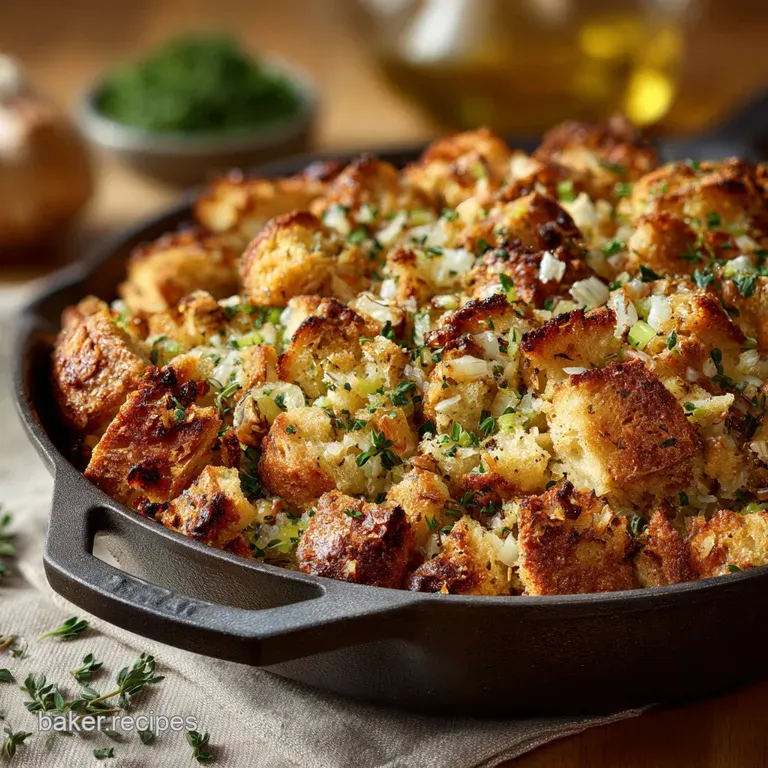
Oh man, let's talk about the unsung hero of the holiday table: stuffing. When it comes out of the oven, the house smells like pure, spiced comfort, all savory onions, earthy sage, and toasted nuts.
That aroma alone could cure the Monday blues, and the textural contrast between the crunchy top and the tender, moist middle is non-negotiable for me.
This recipe is genuinely a lifesaver when the kitchen is chaos. It’s incredibly easy to prep ahead of time, it uses relatively cheap staples, and since we are baking this outside the turkey (it's dressing, technically, but we all call it stuffing), the bake time is fast and predictable.
Forget fighting for oven space; this Thanksgiving stuffing casserole works perfectly alongside your turkey, leaving the stress behind.
I’ve made every soggy, dry, bland stuffing mistake imaginable, but I finally cracked the code years ago. You ready for my secrets? We’re going to layer the flavor and focus heavily on structural integrity.
Let’s crack on with the definitive guide to a homemade Thanksgiving dressing that everyone will ask you to make again.
The Science of Superior Stuffing: Flavor Layering
The Philosophy of Crunchy Edges and Moist Interiors
The biggest argument in the stuffing world is texture. Do you want soft and uniform, or rugged and crunchy? I land firmly in the camp that demands a golden, crisp edge, making this one of the best Moist Stuffing Recipes For Thanksgiving.
We achieve this critical balance by first ensuring our bread is bone dry , and then we use a two-stage baking process: covered for moisture retention, then uncovered for the crust.
Sourdough: The Secret to Superior Structure
Why sourdough? This is the secret to avoiding a dense, pudding like stuffing. Sourdough has a much tougher crust and a more open crumb structure compared to standard white sandwich bread.
It simply absorbs the stock without collapsing into mush, giving us the wonderful tangy foundation that makes this homemade Thanksgiving dressing truly stand out. If you’re a sourdough addict like me, you might also like my deep dive into the specific texture requirements for [Sourdough Stuffing Recipe: Tangy, Tender, Never Soggy].
Why This Stuffing Deserves Center Stage
This recipe works because it respects the aromatics. We don't just dump the sage and thyme in; we gently sauté them in butter with the celery and onions until their essential oils release, basically creating a flavor bomb base. This slow, over low heat bloom is key to deep, satisfying savory notes.
It allows the final dish to be complex and rich, rather than just tasting like salt and pepper.
Butter Basting: Infusing Aromatics Deeply
We divide the butter in this recipe, which is a crucial step. Six tablespoons go into the skillet to soak up all those gorgeous onion and herb flavors, becoming an aromatic vehicle for the bread. The last two tablespoons are drizzled on top just before the final uncovered bake.
This top layer of melted butter ensures the outer bread cubes fry slightly, locking in moisture and delivering that incredible crunch.
The Importance of Day-Old Bread Density
If you skip drying the bread, you have failed before you even start. Fresh bread is full of moisture, and when you add stock, it immediately becomes gluey and compressed. Day-old or toasted bread cubes act like little, tiny sponges; they absorb the flavorful stock but maintain their distinct, rugged shape.
This density is the backbone of proper structure in any stuffing.
Achieving the Golden Crust (The Maillard Reaction)
That beautiful deep gold color and the audible crunch is the Maillard Reaction at work, the magical process where proteins and sugars caramelize under heat. To get this, we need dry heat and fat (hello, melted butter drizzle!).
Crucially, ensure you do not pack the stuffing down too tightly in the pan. If it’s dense, steam can’t escape, and you end up with a pale, soggy top instead of the crisp finish we demand from a truly superior thanksgiving stuffing casserole.
Essential Ingredients for Herby Sourdough Stuffing
We are keeping the ingredients minimal here because great flavor comes from quality, not clutter.
The Herb Trio: Fresh Sage, Thyme, and Parsley
Sage and thyme are non-negotiable for traditional Thanksgiving flavor; they are the heart of this dish. Parsley, while sometimes overlooked, adds a necessary layer of freshness and color to cut through the richness. Only use fresh herbs if you can help it.
The flavor difference is monumental, providing that bright, earthy lift.
Sourcing the Perfect Sourdough Cube
Look for a rustic, artisan sourdough loaf with a thick crust. Avoid anything that feels soft like a brioche. If you can't find sourdough, a hearty Italian loaf (like Ciabatta) is your next best bet. The goal is maximum structural integrity.
Vegan Swaps: Making This Dressing dairy-free
If you’re catering to dietary restrictions, this recipe adapts beautifully. You can make an amazing vegan Thanksgiving stuffing casserole with just a few simple swaps.
| Ingredient | Substitution | Rationale |
|---|---|---|
| Unsalted Butter | high-quality Olive Oil or Plant Based Butter | Adds richness and facilitates the sautéing of aromatics. |
| Chicken Stock | Vegetable Stock (Low Sodium) | Provides essential moisture and binding liquid. |
| Eggs | Flax Egg Substitute (Optional, for binding) | You can often skip the eggs entirely if using a hearty bread; the starch and stock bind it sufficiently. |
Toasted Pecans vs. Walnuts: A Flavor Comparison
I prefer pecans here because their natural sweetness complements the savory sage and thyme perfectly, giving us that warm, autumnal note. Walnuts work fine too, but they can be slightly more bitter, adding a darker, earthier flavor profile. Always toast the nuts with the herbs in the skillet.
This awakens their oils and prevents them from tasting flat.
Preparation Method: Building Your Aromatic Stuffing Base
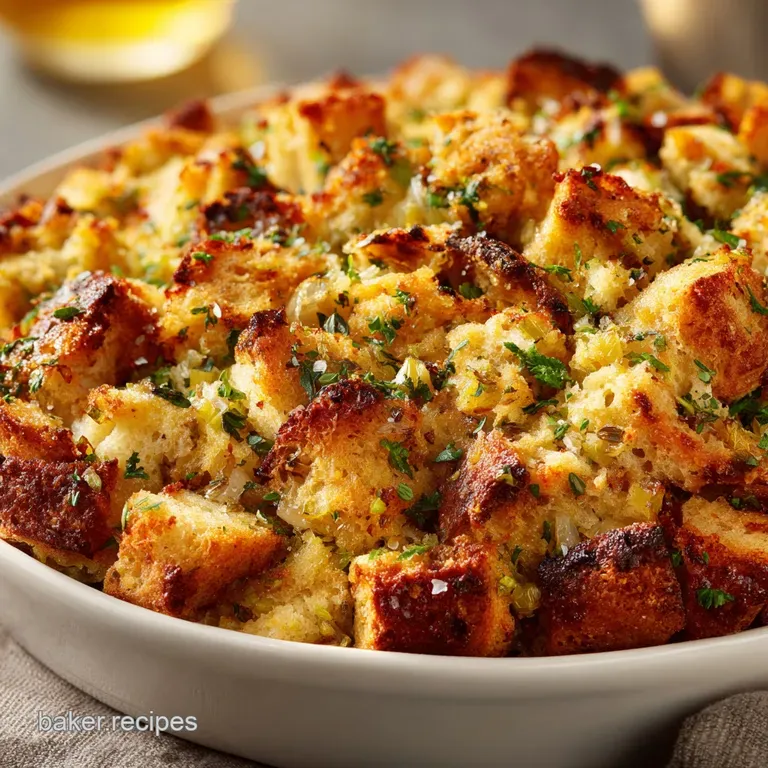
This is the process I use every single year. Read the steps, then execute. It’s an Easy Homemade Turkey Dressing Recipe once you trust the process!
Step 1: Cubing and Toasting the Sourdough Foundation
Do not rush this. Slice your loaf into consistent 1 inch cubes. The easiest method is to leave them on the counter for 12 hours, but if you forgot (we've all been there), use the oven.
Baking the cubes at 300°F (150°C) for 15 minutes drives out every bit of moisture. Remember: Dry bread equals crunchy stuffing.
Step 2: Slow Sautéing the Aromatics in Butter
Melt the 6 tablespoons of butter over medium low heat. Add the diced celery and onion. Now, be patient; we want these to soften completely about 10 minutes until they become sweet and translucent. Then toss in the fresh sage and thyme.
Cooking the herbs briefly (the 'blooming' process) releases their potent flavor and is how we achieve proper flavor layering.
Step 3: Hydrating the Mixture Correctly
Pour the herb butter mixture over the dried bread cubes in a massive bowl. Toss gently until every cube has a coating of fat and flavor. Whisk your slightly beaten eggs into the warmed stock. Now, start pouring the stock over the bread, but stop pouring before you think you need to.
We want the bread to absorb the liquid, but still retain a whisper of its shape. Start with 2.5 cups, mix gently, and wait a minute before deciding if you need the rest.
Chef's Note: If you see liquid pooling at the bottom of the bowl, you've added too much stock. The bread should be moist, but not drowning. Getting this hydration level right is the key to preventing a soggy bottom.
Step 4: Packing for Optimal Crunch (The Casserole Angle)
Grease your baking dish, then transfer the mixture. Spread it out loosely; don't smash it down with your spatula like you’re making bricks. We’re cooking this as a proper thanksgiving stuffing casserole, so we need air pockets for steam release and crispy edges.
Drizzle the remaining melted butter over the top. Bake covered first for moisture, then uncovered for that killer crust.
Troubleshooting & Chef's Notes for Your Best Thanksgiving Stuffing
Preventing a Soggy Bottom: The Moisture Control Trick
The number one mistake people make is not drying their bread enough or adding too much stock. If you find your mixture looks slightly too wet, you have two options. First, let it sit for 30 minutes; sometimes the bread just needs time to finish absorbing.
Second, you can mix in a small handful of extra dry bread cubes or crushed crackers to soak up the excess liquid. Over mixing the liquid into the bread will activate the gluten and result in a heavy, chewy interior.
The Temperature Test: Ensuring Deep Flavor Development
Make sure you cook the stuffing long enough, especially the uncovered portion. A pale stuffing means undercooked flavor. We are looking for an internal temperature of 165°F (74°C) if using eggs, but more importantly, we are looking for a deep golden brown crust.
If the center is hot but the top is not brown enough, crank the oven heat to 400°F (200°C) for the last 5 minutes.
Can I Prepare the Thanksgiving Stuffing Ahead of Time?
Absolutely! This is one of the best parts about making this Easy Homemade Turkey Dressing Recipe. You can prepare the entire mixture sautéed aromatics, bread, stock, and seasoning and store it correctly. Follow the steps below.
Storage Solutions: Making Your Stuffing Last
Refrigerating Prepared Stuffing Mix
You can assemble the stuffing right up to the point of baking (Step 4) and store it in the refrigerator. Cover the baking dish tightly with foil or plastic wrap. It holds perfectly for up to 24 hours.
Always allow refrigerated stuffing to come close to room temperature (about 30 minutes) before placing it in a hot oven.
Freezing Baked Stuffing Casseroles
Yes, it freezes well! If you have leftovers, allow the baked stuffing to cool completely. Cut it into serving portions and wrap each piece tightly in plastic wrap, then foil. It will last beautifully for up to 3 months.
When I make a double batch, I often freeze one half for a later quick meal, perhaps pairing it with leftover turkey in a simple bake like this [Chicken Stuffing Bake: Cozy Comfort Casserole, Ready in 1 Hour].
Reheating Strategies for Maximum Crispness
The trick to reheating stuffing is introducing moisture and crisping the crust again. Place the leftover stuffing (uncovered) in a baking dish. Drizzle a tablespoon of warm stock or water over the top before covering tightly with foil.
Bake at 350°F (175°C) until heated through (about 15- 20 minutes). Remove the foil for the final 5 minutes to reactivate the crispy crust.
Pairing This Robust Stuffing: Complimenting Holiday Flavors
This robust, herby stuffing with pecans needs bold partners at the table.
Serve it with a rich, pan-dripping gravy a velvety coating is necessary for those crusty top pieces. Because this stuffing is so savory and earthy, you need something sharp to cut through the richness. My go-to is always a bright, tart homemade cranberry relish.
If you’re looking to incorporate a protein element later in the season (or want to check out an alternative stuffing recipe), I highly recommend my classic [Homemade Stuffing: Classic Sage Onion Recipe with Crispy Top] or, for a heartier flavor profile, try the amazing [Pioneer Woman Sausage Stuffing: The Ultimate Savoury Sage Dressing].
Enjoy your feast!
Recipe FAQs
Why is my stuffing dry and crumbly, even though I used the recommended broth amount?
Dryness usually indicates that the bread absorbed the liquid too quickly or that the dish was overbaked uncovered. Ensure you cover the stuffing tightly with foil for the majority of the baking time to trap steam and promote internal moisture.
If it appears dry upon removal from the oven, gently fold in a few extra tablespoons of warm broth before serving.
How do I prevent my sourdough stuffing from becoming soggy or mushy?
Sogginess results from using insufficiently dried bread or adding excessive liquid. The key is ensuring your sourdough cubes are truly stale and hard, or thoroughly toasted until crisp before mixing.
They should absorb the broth but retain their defined shape; if the mixture looks excessively wet, allow it to rest for 15 minutes before adding another handful of dry cubes to absorb the excess.
Can I prepare the stuffing mixture ahead of time to save time on Thanksgiving Day?
Yes, you can assemble the full stuffing mixture including the herbs, pecans, and sautéed vegetables up to 24 hours in advance and refrigerate it. However, do not add the broth until just before baking, as soaking the bread too long can lead to a mushy texture.
Gently fold the warmed broth into the mixture right before it goes into the oven.
I don't have sourdough; can I use store-bought dried bread cubes instead?
While sourdough provides a superior, robust texture, you may certainly use high-quality store-bought dried cubes. If using pre-packaged bread, you may need to slightly reduce the amount of broth, as these cubes are often more absorbent than homemade stale bread.
A quick toast in the oven beforehand will improve their structure and flavor.
How can I adapt this recipe to be suitable for guests who require a gluten-free diet?
To make this stuffing gluten-free, substitute the sourdough with an equivalent weight of high-quality, dense gluten-free bread, ensuring it is thoroughly dried or toasted until hard.
The remainder of the ingredients broth, herbs, pecans, and vegetables are naturally gluten-free in this particular preparation. Be sure to check your broth label for hidden gluten.
How should I store and reheat leftover Thanksgiving stuffing?
Leftover stuffing should be cooled quickly and transferred to an airtight container, where it can be safely refrigerated for 3 to 4 days. When reheating, sprinkle a little extra broth or melted butter over the top to restore moisture and place it back in a 350°F oven until heated through.
Stuffing also freezes beautifully for up to one month.
Is it safe to bake this stuffing inside the turkey instead of in a casserole dish?
While traditional, cooking stuffing inside the turkey is often discouraged for food safety reasons, as the stuffing must reach an internal temperature of 165°F (74°C) to be safe.
For the best flavor, texture (a crispy crust and moist interior), and complete safety, it is highly recommended that you bake this recipe separately in a casserole dish.
Crispy Sourdough Thanksgiving Stuffing
Ingredients:
Instructions:
Nutrition Facts:
| Calories | 236 kcal |
|---|---|
| Protein | 3.0 g |
| Fat | 7.0 g |
| Carbs | 44.0 g |
