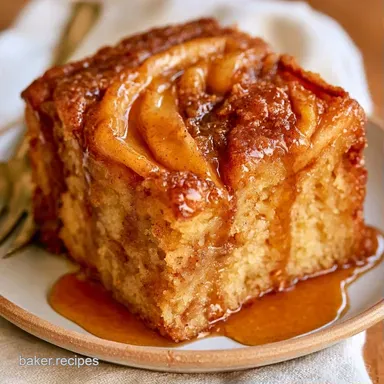
Old Fashioned Fresh Apple Cake with Brown Sugar Glaze
- Total Time: 10 min active + 50 min bake
- Sensory Profile: Spiced, velvety crumb with a gooey glaze
- Perfect for: Autumn harvests, Sunday brunch, or a cozy tea time
The scent of cinnamon and warming apples filling the oven is the highlight of the autumn season. In one of my earlier attempts at this cake, I neglected to toss the apples in flour. As a result, most of the fruit sank, creating a jammy layer at the bottom and a dry sponge above.
It was edible, but it lacked that rustic, orchard style charm I wanted.
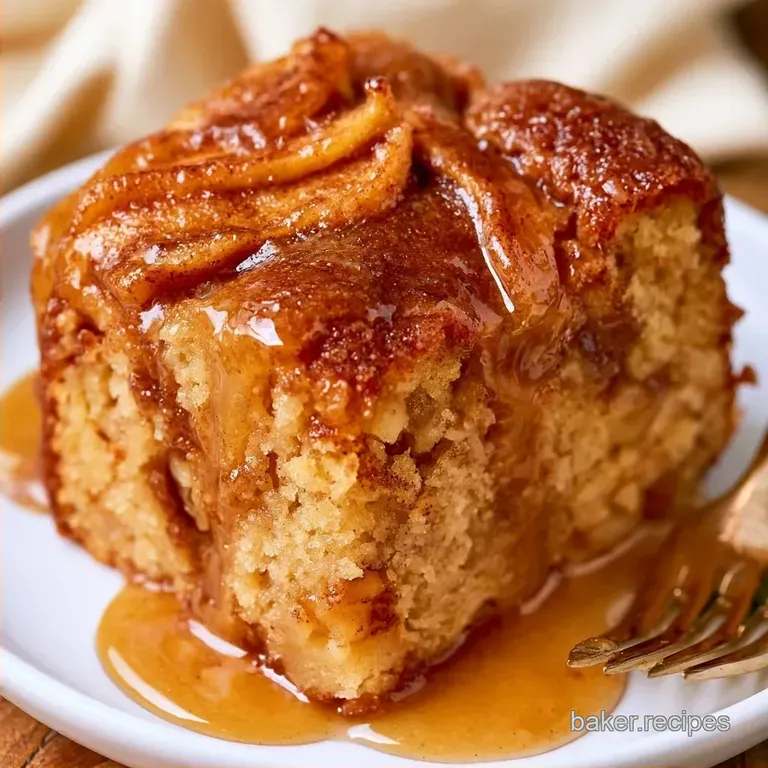
This is the ultimate recipe for a Fresh Apple Cake with Brown Sugar Glaze. We've aimed for a crumb that feels like a warm embrace and a glaze that penetrates every nook and cranny.
You can look forward to a mahogany colored crust and a center brimming with tart Granny Smith apples. It is a straightforward, farm-to-table dessert that feels elegant without the need for fancy frosting.
Fresh Apple Cake with Brown Sugar
Let's look at what makes this work. The magic lies in the contrast between tart orchard fruit and the deep, caramel richness of brown sugar. Since this is a substantial cake rather than a light chiffon, it's an ideal match for a strong brew of coffee.
If you fancy a variation, my apple fritters recipe offers similar cinnamon warmth but with a fried crunch. This particular treat, however, lets the oven do all the work.
The secret is using Granny Smith apples. Their sharpness ensures the cake doesn't taste flat. Unlike other varieties that can break down into mush, these hold their structure and provide a crisp balance to the sweet glaze.
Why the Texture Works
The way this cake comes together relies on a few simple reactions. It's not magic, just a bit of home cook logic.
- Brown Sugar: The molasses in the sugar attracts moisture, which keeps the sponge from drying out during the 50 minute bake.
- Buttermilk: The acid reacts with the baking soda to create tiny air bubbles, making the cake tender rather than tough.
Actually, it's similar to how a classic apple pie relies on the right fruit to sugar ratio to keep the crust from getting soggy.
| Method | Time | Texture | Best For |
|---|---|---|---|
| Oven | 50 mins | Uniform rise, soft | Classic tea cake |
| Dutch Oven | 60 mins | Thicker crust, rustic | Hearty dessert |
Essential Harvest Ingredients
I recommend using eggs and butter at room temperature. This prevents the batter from breaking during mixing and results in a more uniform crumb.
For the Apple Cake
- 2 cups (250g) all purpose flour Why this? Keeps the cake sturdy without becoming too heavy
- 1 cup (200g) brown sugar, packed Why this? Contributes to a moist texture and caramel notes
- 1 tsp (5g) baking soda Why this? Works with the buttermilk to provide lift
- 1/2 tsp (3g) salt Why this? Offsets the sugar
- 1 tbsp (8g) ground cinnamon Why this? Provides a classic autumnal scent
- 1/2 cup (115g) unsalted butter, softened Why this? Ensures a rich and tender texture
- 2 large eggs Why this? Acts as a binder for the batter
- 1 tsp (5ml) vanilla extract Why this? Offers a subtle floral quality
- 3/4 cup (180ml) buttermilk Why this? Tenders the gluten for a softer bite
- 2 cups (300g) Granny Smith apples, peeled and diced small Why this? Provides a tart contrast that holds up during baking
For the Brown Sugar Glaze
- 1/2 cup (110g) brown sugar
- 2 tbsp (30g) unsalted butter
- 2 tbsp (30ml) water
- 1 tsp (5ml) vanilla extract
- 1 pinch (1g) salt
| Original Ingredient | Substitute | Why It Works |
|---|---|---|
| Buttermilk (3/4 cup) | 3/4 cup milk + 1 tsp vinegar | Mimics the acidic property. Note: A bit less tangy |
| Granny Smith Apples | Honeycrisp or Braeburn | Maintains shape after baking. Note: Sweeter and less acidic |
| All Purpose Flour | 1:1 gluten-free Flour | Maintains the cake's build. Note: The final crumb is slightly more delicate |
Tools for the Job
A simple home setup is perfectly fine for this recipe.
- 9 inch round cake pan or Bundt pan
- Parchment paper
- Stand mixer (such as a KitchenAid) or hand mixer
- Mixing bowls
- Flour sieve
- Saucepan for the glaze
- Rubber spatula
Chef's Note: If the butter is too soft, freeze it for 10 minutes. It should be pliable but not melting to ensure you trap enough air during the creaming stage.
Baking step by step
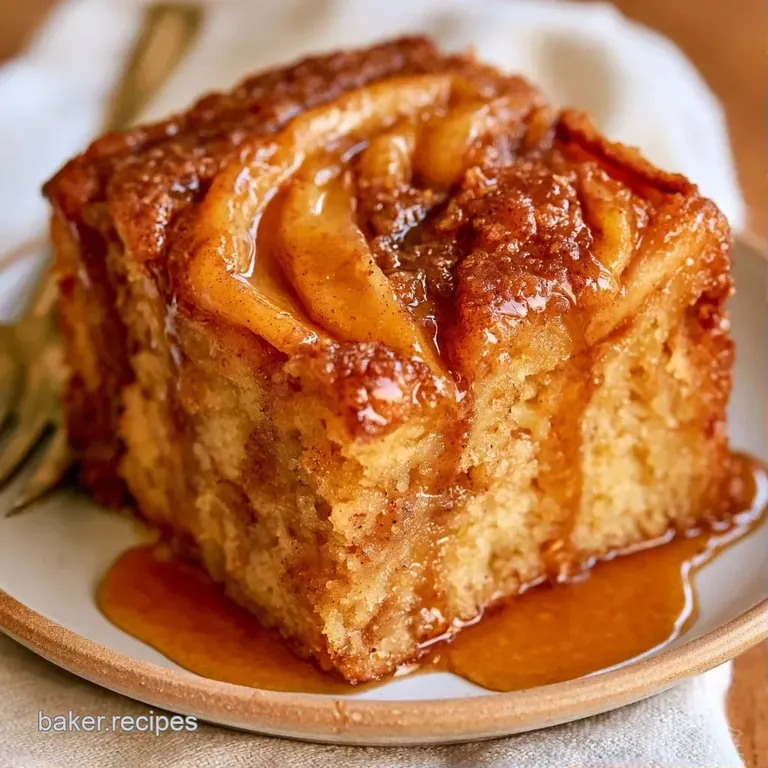
Let's start preparing this Brown Sugar Fresh Apple Cake. Use your sense of smell to tell when the cake is perfectly done.
Phase 1: Prepping the Fruit and Pan
- Preheat your oven to 350°F (175°C). Prepare a 9 inch pan with grease and a parchment paper liner to ensure easy release.
- Cut the apples into tiny 1/4 inch pieces. Mix them in a small bowl with a bit of flour. Note: This prevents them from sinking to the bottom.
Phase 2: Mixing the Batter
- Using medium high speed, cream the softened butter and brown sugar for 2-3 minutes until the batter is light and airy.
- Incorporate the eggs individually, mixing thoroughly after each addition, and stir in the vanilla.
- In another bowl, whisk the cinnamon, salt, baking soda, and flour.
- Alternate adding the dry mix and the buttermilk into the creamed butter, mixing on low until just combined.
- Use a spatula to gently fold in the apple cubes. Avoid overworking the batter to keep the cake tender.
Phase 3: The Bake and Finish
- Transfer the batter to the pan. Bake for 45-50 minutes; the cake is done when a toothpick inserted comes out clean with a few moist crumbs. Your kitchen should smell like a cinnamon orchard.
- During the last 5 minutes of baking, mix the glaze in a saucepan over medium heat. Stir until the sugar dissolves and starts to bubble.
- Drizzle the hot glaze over the cake right after removing it from the oven. Let it absorb for 10 minutes before slicing.
Precision Checkpoints
- Texture Check: After 3 minutes of whipping, the butter and sugar mixture should resemble pale frosting.
- Temperature Check: Make sure the oven has reached 350°F before baking.
- Doneness Check: The cake should begin to pull away slightly from the pan's sides.
Fixing Common Cake Issues
Even the best of us hit a snag. Here's how to handle the most common hiccups with this Fresh Apple Cake with Brown Sugar.
Preventing Sunken Fruit
If your apples always end up at the bottom, you're likely dicing them too large or skipping the flour toss. Smaller cubes have more surface area to grip the batter.
Fixing a Gummy Texture
A rubbery or gummy crumb usually comes from overmixing. Once you add the flour, stop the mixer as soon as the white streaks disappear.
Stopping a Sunken Center
This usually happens if you open the oven door too early or if your baking soda is expired. Keep the door closed until the 40 minute mark.
| Problem | Fix |
|---|---|
| Apples sank to bottom | Dice smaller (1/4 inch) and toss in flour |
| Cake is too dense | Don't overmix after adding flour |
| Glaze is too thin | Simmer for 2 more minutes to thicken |
| Cake didn't rise | Check baking soda freshness |
Ways to Change It
You can easily tweak this Fresh Apple Cake with Brown Sugar to fit your mood. I love adding a bit of extra warmth when the weather gets really cold.
- Extra spice? → fold in 1/2 tsp nutmeg.
- Tarter fruit? → add 1 tbsp lemon juice to the apples.
- Crunchier top? → sprinkle cinnamon sugar on top before baking.
If you want to go dairy-free, you can swap the buttermilk for a mixture of soy milk and lemon juice. The fat content in the butter is what gives the cake its richness, so use a high-quality vegan butter stick rather than a tub margarine.
For a more complex flavor, try adding a tablespoon of maple syrup to the glaze. It adds a woody note that complements the brown sugar.
Storing Your Cake
Because of the fruit and the glaze, this Fresh Apple Cake with Brown Sugar holds moisture well, but you still want to protect it.
Store the cake in a cake carrier or under a glass dome at room temperature for 2 days. If your kitchen is very humid, put it in the fridge for up to 4 days. To bring back that fresh from the oven feel, pop a slice in the microwave for 15 seconds.
For the freezer, wrap individual slices in parchment paper and then foil. They'll stay good for 3 months. Just thaw in the fridge overnight before warming.
Zero Waste Tip: If you have leftover apple peels from the prepping stage, don't toss them. Toss them in a pot with water and a cinnamon stick to make a quick apple tea, or freeze them to add to your next batch of homemade stock.
Best Ways to Serve
This cake is rich, so you want something to cut through the sweetness. A dollop of unsweetened whipped cream or a scoop of vanilla bean ice cream is the classic route.
For a more rustic presentation, serve it warm with a drizzle of maple syrup and a few fresh apple slices on the side. It's a beautiful way to showcase the harvest bounty.
If you're serving this for a brunch, try pairing it with a sharp cheddar cheese on the side. The saltiness of the cheese makes the brown sugar in the cake pop.
According to USDA FoodData Central, apples provide a good source of fiber, which makes this feel slightly more balanced than a standard vanilla sponge. It's the kind of cake that feels right at home on a wooden platter in the center of a farmhouse table.
Recipe FAQs
Which apples work best for this recipe?
Granny Smith apples are the best choice. Their tart flavor balances the sweetness of the brown sugar.
Why do apples sink to the bottom?
Apples sink when they are too heavy or slippery for the batter. Coating them in flour creates friction that keeps them suspended.
What does brown sugar add to the cake?
It provides a rich, molasses like flavor and increases moisture. If you like this flavor profile, try it in our cinnamon sugar muffins.
Is it true that overmixing the batter creates a smoother texture?
Actually, no. Overmixing develops too much gluten, which makes the cake tough and rubbery.
How to keep the cake moist?
Mix the batter on low speed until just combined. This prevents the air bubbles from collapsing and keeps the crumb tender.
Does coating the apples in flour actually work?
Yes, it works by creating surface friction. This helps the fruit pieces grip the batter instead of sliding to the base.
Would any apple variety yield the same results?
False. Sweeter apples may collapse or disappear into the batter, while tart varieties hold their shape.
What role does buttermilk play here?
Buttermilk tenderizes the flour proteins through its acidity. This reaction creates a softer, more velvety interior.
Fresh Apple Cake With Brown Sugar