Garlic Cheese Bread Recipe: Velvet Interior

- Time: Active 15 minutes, Passive 10 minutes, Total 25 minutes
- Flavor/Texture Hook: Sharp white cheddar bite with a silky, buttery garlic finish
- Perfect for: Casual dinner parties or a comforting soup sidekick
- Achieve Bakery Results With This Garlic Cheese Bread Recipe
- The Science of Why it Works
- Essential Components For Maximum Flavor Profile
- Detailed Ingredient List And Substitutes
- Necessary Kitchen Tools For Easy Prep
- Kitchen Flow From Prep To Serving
- Fixing Errors For Reliable Results Everytime
- Creative Twists For Unique Bread Loaves
- Maintaining Freshness And Reheating Properly
- Best Pairings For Cheesy Garlic Bread
- Debunking Common Bread Myths
- Recipe FAQs
- 📝 Recipe Card
Achieve Bakery Results With This Garlic Cheese Bread Recipe
Listen, we've all been there. You buy a frozen loaf in a foil bag, pop it in the oven, and end up with a middle that's basically a greasy sponge while the edges are hard enough to chip a tooth. It’s a tragedy, really.
I spent years trying to figure out why my homemade version wasn't hitting that "fancy steakhouse" level of crunch and silkiness until I realized I was treating the butter all wrong.
The secret isn't just more garlic or better bread, though those help. It's about chemistry. We're creating an emulsion that holds up under high heat so the bread toasts before the butter drowns it. Once you try this method, you'll never look back at those pre made supermarket loaves.
It's honestly a bit of a kitchen revelation that feels like cheating because it's so simple.
Right then, let's get into the nitty gritty of why this works. I promise this isn't just another bread recipe. This is the one that makes your neighbors knock on your door asking what that incredible smell is. We’re going to build layers of flavor that actually stay where you put them.
The Science of Why it Works
- Emulsification Stability
- The proteins in the Greek yogurt act as a stabilizer for the butter, preventing it from separating and soaking deep into the bread fibers.
- Maillard Reaction
- over High heat broiling triggers the chemical reaction between amino acids and reducing sugars, creating that complex, savory crust.
- Allicin Activation
- Grating the garlic fresh breaks more cell walls than mincing, releasing a higher concentration of the sulfur compounds responsible for that punchy flavor.
| Method | Time | Texture | Best For |
|---|---|---|---|
| Standard Bake | 15 mins | Soft and chewy | Kids' lunches |
| Two Stage Broil | 10 mins | Shatter crisp edges | Dinner parties |
| Air Fryer | 8 mins | Deeply toasted | Quick snacks |
When you're trying to decide on your approach, consider the texture you're after. If you're a fan of a more rustic feel similar to my How to Bake recipe, you might lean toward the two stage broil for that maximum crust development.
Essential Components For Maximum Flavor Profile
| Ingredient | Science Role | Pro Secret |
|---|---|---|
| French Bread | Structural foundation | Use a "day old" loaf for better absorption |
| Greek Yogurt | Emulsifying agent | Use full fat or non fat for protein structure |
| Garlic Paste | Flavor aromatic | Grate on a microplane for a seamless spread |
Finding the right bread is the first hurdle. You want a 14 inch French loaf that feels a bit airy. If it's too dense, the middle stays doughy. If it's too soft, it collapses under the weight of the cheese. I like a loaf that has a little bit of "give" but still sounds hollow when you tap the bottom.
Detailed Ingredient List And Substitutes
- 1 French bread loaf (14 inches): The backbone of the dish. Why this? Provides the perfect ratio of soft interior to crispy exterior crust.
- Substitute: Italian loaf or a wide sourdough baguette.
- 4 tbsp Unsalted Butter: Provides the rich, velvety mouthfeel.
- Substitute: Salted butter (just omit the extra kosher salt).
- 2 tbsp Plain Non Fat Greek Yogurt: The "glue" that keeps the butter in place.
- Substitute: Sour cream or full fat mayo for a richer finish.
- 5 cloves Garlic: Grated into a paste for maximum distribution.
- Substitute: 2 tsp garlic powder if fresh isn't available.
- 1 tsp Kosher Salt: Enhances the savory notes of the cheddar.
- Substitute: 0.5 tsp table salt.
- 0.5 tsp Black Pepper: Adds a subtle back end warmth.
- Substitute: White pepper for a cleaner look.
- 2 tbsp Fresh Parsley: Brightens the heavy fats with a grassy note.
- Substitute: 1 tsp dried parsley or fresh chives.
- 1.5 cups Low Moisture Mozzarella: For that signature cheese pull.
- Substitute: Provolone or Muenster.
- 0.5 cup Sharp White Cheddar: For depth and a tangy bite.
- Substitute: Parmesan or Asiago for a saltier kick.
Necessary Kitchen Tools For Easy Prep
You don't need a professional kitchen, but a few specific items make this much easier. A microplane is my favorite tool for the garlic because it turns the cloves into a near liquid paste. If you use a knife to mince, you'll end up with little bits of raw garlic that can turn bitter if they catch too much heat.
A solid rimmed baking sheet is also non negotiable. It catches any stray cheese drips and ensures the heat circulates evenly. I also recommend using a serrated bread knife to slice the loaf.
A standard chef's knife will squish the airy crumb of the French bread, and we want to keep those little pockets open to catch the garlic butter.
Kitchen Flow From Prep To Serving
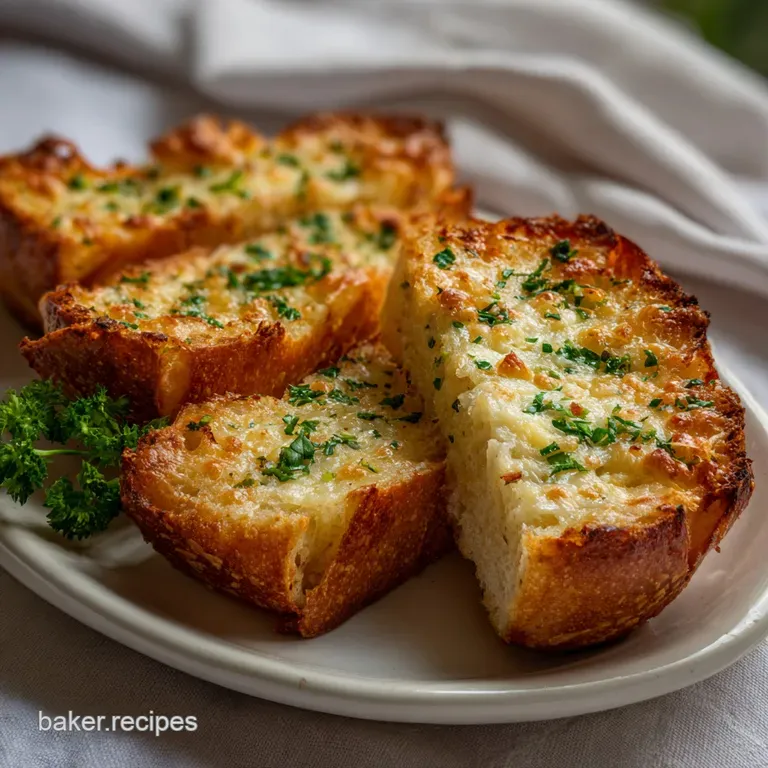
1. The Prep Phase
Set your oven to 400°F and ensure the rack is in the center position. While it heats up, pull your butter out of the fridge. It needs to be soft enough that a spatula can slide through it like silk, not just "room temp."
2. Creating The Emulsion
In a small bowl, combine the 4 tbsp softened butter, 2 tbsp Greek yogurt, grated garlic paste, salt, pepper, and parsley. Use a fork to whip it until it’s light and pale. Note: This whipping step incorporates air, which helps the spread stay on top of the bread.
3. The Bread Foundation
Slice your 14 inch French loaf in half lengthwise. Place both halves cut side up on your baking sheet. I like to press down slightly on the bread with the palm of my hand to create a flat surface for the toppings.
4. Applying The Spread
Divide the butter mixture evenly between the two halves. Use an offset spatula to spread it all the way to the very edges. Note: Don't leave a "border" the butter protects the edges of the crust from burning too quickly.
5. First Stage Bake
Slide the tray into the oven for 5 minutes. Cook until the butter is bubbling and the edges just start to tan. This sets the base before we add the weight of the cheese.
6. Layering The Cheese
Remove the tray and sprinkle the 1.5 cups mozzarella and 0.5 cup white cheddar over the top. Focus the cheese toward the center, as it will naturally migrate toward the edges as it melts.
7. The Final Melt
Return to the oven for another 4 to 5 mins until the cheese is molten and starts to show small brown spots. If you want more color, flick the broiler on for the last 60 seconds.
8. The Rest Period
Transfer the bread to a cutting board and let it sit for 2 minutes. Wait until the cheese stops "shifting" before you slice it into 2 inch thick pieces. This keeps the topping from sliding off.
Fixing Errors For Reliable Results Everytime
Why Did My Garlic Taste Bitter?
This usually happens when the garlic is minced into large chunks that burn under the broiler. Because garlic has a high sugar content, it scorches easily. By grating it into a paste and burying it under the cheese layer, you shield it from direct heat while still infusing the butter.
Solving The Soggy Bottom Issue
If the bottom of your bread is soft, your oven might not be hot enough, or you’re using bread that is too fresh and moisture heavy. Ensure the oven is fully preheated. If you're using a very soft loaf, try toasting the bottom of the bread on a dry pan for 2 minutes before you start the recipe.
| Problem | Root Cause | Solution |
|---|---|---|
| Cheese slides off | Sliced too early | Rest for 2 full minutes before cutting |
| Dry, crumbly bread | Overbaked in stage 1 | Reduce first bake to 3 mins |
| Greasy surface | No yogurt used | Always use the yogurt/sour cream stabilizer |
Common Mistakes Checklist
- ✓ Don't use pre shredded cheese; it's coated in potato starch and won't melt smoothly.
- ✓ Use unsalted butter so you can control the seasoning perfectly.
- ✓ Avoid fresh mozzarella - the water content will ruin the crust.
- ✓ Grate your garlic immediately before use for the most vibrant flavor.
Creative Twists For Unique Bread Loaves
If you want to take this in a different direction, the base is incredibly flexible. I've been known to stir in a tablespoon of pesto for a "Green Garlic Bread" that looks stunning on the table. You could even swap the cheddar for a bit of spice, similar to the kick found in a Mamas Pimento Cheese recipe.
For a "Korean style" twist, add 1 tsp of sugar to the butter mixture and use a cream cheese spread under the mozzarella. It creates that sweet and savory profile that is currently taking the baking world by storm.
If you prefer things spicy, finely diced jalapeños mixed into the cheese layer provide a wonderful crunch and heat.
| Premium | Budget | Flavor Impact | Savings |
|---|---|---|---|
| Kerrygold Butter | Store Brand Butter | Slightly less creamy | Save $3.00 |
| Fresh Parmigiano | Canned Parmesan | Huge loss of umami | Save $5.00 |
| Aged White Cheddar | Mild Yellow Cheddar | Less "sharp" bite | Save $2.00 |
Maintaining Freshness And Reheating Properly
Storage: Keep any leftovers in an airtight container in the fridge for up to 3 days. If you leave it in the open air, the bread will turn into a brick.
Freezing: You can actually freeze the bread before the final bake. Spread the butter and add the cheese, then wrap the whole loaf tightly in plastic wrap and foil. It will stay good for 2 months. Bake directly from frozen at 375°F for 15-18 minutes.
Zero Waste Tip: If you have leftover ends that are a bit too hard, don't toss them! Cut them into 1 inch cubes and toss them in a pan with a little olive oil to make the most incredible cheesy garlic croutons you've ever had.
Best Pairings For Cheesy Garlic Bread
This bread is basically a meal on its own, but it really shines when it has something to dip into. It’s the ultimate partner for a Classic French Onion Soup recipe, where the cheese on the bread complements the melted Gruyère in the bowl.
If you're doing a pasta night, this is a requirement. The sharpness of the white cheddar cuts through heavy cream sauces like Alfredo or carbonara. I also love serving a few slices alongside a big, crisp Caesar salad. The warmth of the bread against the cold, acidic dressing is a match made in heaven.
Debunking Common Bread Myths
Searing the bottom doesn't "lock in" moisture. Actually, toasting the bottom of the bread is just about texture. The bread will still lose moisture as it heats; the goal is simply to create a structural barrier so the bread doesn't collapse under the toppings.
More garlic isn't always better. There is a tipping point where too much garlic becomes acrid and overpowers the delicate fats in the butter. Five cloves for a 14 inch loaf is the sweet spot for a "garlic cheese bread recipe" that tastes balanced rather than aggressive.
Room temperature butter isn't enough. For a true emulsion, the butter needs to be "plastic" pliable enough to whip but not so warm that it's oily. If your kitchen is cold, give the butter a 5 second zap in the microwave to get it to that perfect spreadable consistency.

Recipe FAQs
How to make the perfect cheesy garlic bread?
Start with quality bread and a stabilized butter emulsion. Use a slightly day-old French or Italian loaf for better absorption. Blend softened butter with Greek yogurt and garlic paste, then spread evenly to the edges before topping with cheese. This method ensures a crisp crust and prevents a soggy center, much like the consistent results achieved in our Classic Baked Ziti with Ricotta: My Crowd Pleasing Recipe.
What kind of cheese to put on garlic bread?
A blend of low-moisture mozzarella and sharp white cheddar is ideal. Mozzarella provides the classic cheese pull, while cheddar adds a tangy depth of flavor. You could also experiment with provolone or Gruyère for different flavor profiles, similar to the rich cheese combinations in My Go-To Classic Cheese Fondue Recipe | Perfect Dip Party!.
Is it better to use garlic salt or garlic powder for garlic bread?
Fresh garlic grated into a paste is best for superior flavor. While garlic powder can work in a pinch, it lacks the pungent freshness and nuanced notes of raw garlic. Garlic salt should be avoided as it adds too much sodium and can overpower the other flavors.
How to make your own garlic bread easy?
Slice a loaf of bread lengthwise, spread a garlic butter-yogurt mixture evenly, top with cheese, and bake. For the spread, mix softened butter with Greek yogurt, grated garlic, salt, and pepper. Ensure the spread goes to the edges to protect the crust. Bake at 400°F until bubbly and golden.
Why is my garlic bread soggy in the middle?
A soggy middle usually means the butter soaked too deeply into a fresh, moist bread. Using a slightly day-old loaf and incorporating Greek yogurt into the butter spread helps stabilize the emulsion, preventing it from penetrating the crumb.
Ensure your oven is at the correct temperature and consider toasting the bread bottom first if it's very soft.
Can I make garlic cheese bread ahead of time?
Yes, you can prepare the garlic butter spread up to 3 days in advance and store it in the refrigerator. For the assembled bread, you can wrap it tightly and freeze it before the final bake; bake it from frozen at 375°F for about 15-18 minutes.
This makes it a convenient option for unexpected guests or a quick side dish.
What's the secret to crispy garlic bread edges?
Ensuring the garlic butter spread reaches all the way to the crust's edges is key. This fat layer protects the bread from drying out too quickly and promotes even browning.
Baking at a hot temperature and making sure not to overcrowd the baking sheet also allows for better heat circulation, contributing to crispier edges.
Garlic Cheese Bread
Ingredients:
Instructions:
Nutrition Facts:
| Calories | 228 kcal |
|---|---|
| Protein | 9.8 g |
| Fat | 10.2 g |
| Carbs | 23.8 g |
| Fiber | 1.2 g |
| Sugar | 1.4 g |
| Sodium | 512 mg |
