Chicken Stew: the Hearty Rustic Sunday Supper Stew (One-Pot Wonder)
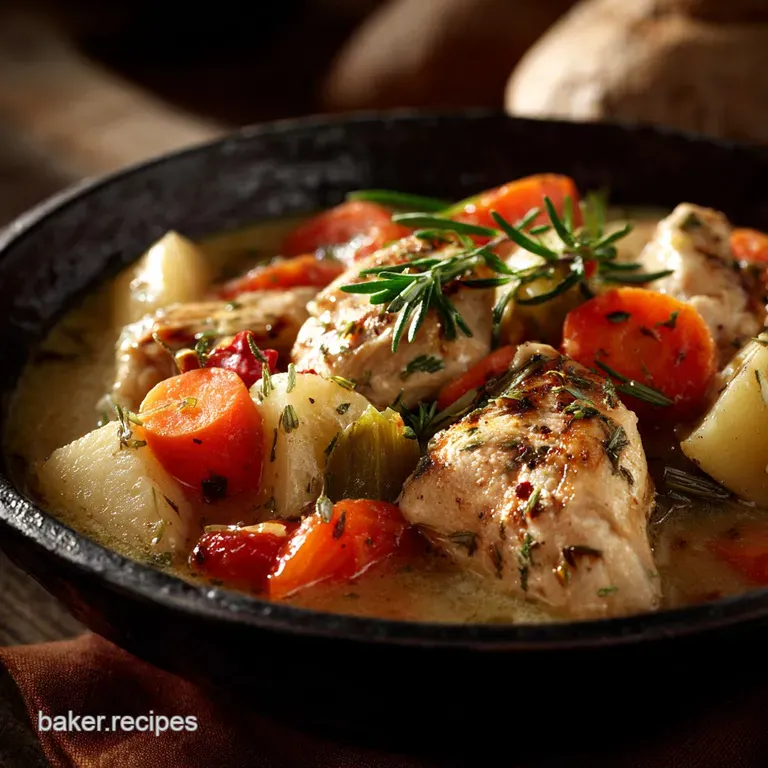
- Capturing the Comfort: The Ultimate Rustic Chicken Stew
- Unlocking Deep Flavour: Why This Recipe Excels
- Essential Components for Your Hearty Stew
- Mastering the Method: Step-by-Step Chicken Stew Guide
- Elevating Your Stew: Chef's Pro Tips and Troubleshooting
- Making Stew Ahead: Storage, Freezing, and Reheating
- Complete the Meal: Perfect Pairings for Chicken Stew
- Recipe FAQs
- 📝 Recipe Card
Capturing the Comfort: The Ultimate Rustic Chicken Stew
That deep, savory smell hitting you right when you walk in the door? It’s the ultimate kitchen alchemy, seriously. This hearty [chicken stew] transforms a cold, dreary evening into a cozy night instantly, without fail. The aroma of thyme and slow simmered root vegetables just settles right into your bones.
I swear, this rustic stew is my absolute weeknight hero, even though the total cook time is over an hour. It’s mostly hands off simmering time, which is the best kind of cooking there is, honestly.
Plus, it uses cheap, hardy ingredients, making it super budget friendly and a lifesaver when you need something reliable and satisfying.
We’re skipping the watery, bland version you might remember from childhood meals. We are talking about maximum depth and richness here, achieved through simple, intentional steps.
Let’s crack on with the recipe that actually works, giving you that perfect, thick gravy every single time, whether you're making a traditional [chicken stew recipe] or an easier version in the slow cooker.
Unlocking Deep Flavour: Why This Recipe Excels
What Makes This Stew 'Rustic'?
Rustic doesn’t mean difficult; it just means authentic, relying on humble, inexpensive ingredients to do the heavy lifting. We lean heavily on hard root vegetables and a long, slow simmer to marry all those flavors together.
That extended cook time develops an incredible depth of flavour that you simply cannot fake.
A Complete One-Pot Meal Solution
I absolutely love meals where I only dirty one pot, don't you? Everything you need the protein, the starch, and the vegetables cooks right there, all soaking up the same magnificent, rich liquid.
It truly makes cleanup an absolute breeze, especially on a busy weeknight when the last thing you want is a pile of dishes.
Difficulty Snapshot & Required Prep Time
This [chicken stew recipe] is definitely a medium easy difficulty, mainly because we demand patience during the searing and the roux stages. Your knife skills matter most here for the chopping of all those vegetables.
Budget about 20 minutes of active prep, then the stovetop does the rest of the heavy lifting for the hour long simmer.
The Maillard Reaction: Searing for Maximum Depth
This is the biggest mistake people make: skipping or rushing the sear. Searing the chicken until it’s properly browned is mandatory for flavor development. That caramelization, which cooks know as the Maillard reaction, creates the foundational savoury notes of the stew.
Do not skip the brown bits (the fond) at the bottom of the pot; they are pure gold.
The Role of Root Vegetables in Achieving Consistency
Potatoes are not just filler in this stew; they are absolutely crucial for the final texture. As the potatoes simmer away gently, they release starch directly into the liquid, which naturally thickens the sauce beautifully.
I always prefer using waxy potatoes, like Yukon Golds, because they are sturdy and hold their shape better during the long cooking time.
The Perfect Simmer Time for Maximum Tenderness
For those flavourful chicken thighs, which are heartier than breasts, we need a long, gentle simmer. We're aiming for that fall apart, fork tender deliciousness that only time can achieve. Cooking low and slow prevents the sauce from burning and lets all those amazing herbs really bloom into the liquid.
Essential Components for Your Hearty Stew
Building the Base: Aromatic Vegetables Checklist
We rely on the classic trio: onions, carrots, and celery. These three aromatic vegetables, sautéed gently in butter, create the sweet, earthy foundation for the whole entire dish. Never skimp on the sauté time; you want them soft, almost translucent, not crunchy or raw.
Choosing the Right Cut for the Best Texture
I strongly recommend boneless, skinless chicken thighs for a proper [chicken stew]. Thighs have more connective tissue and fat, meaning they stay incredibly juicy even after an hour of simmering in liquid.
Breasts dry out far too easily and turn stringy, trust me, I learned that frustrating lesson the hard way when I started cooking.
Stock Selection: Broth vs. Bone Broth
Use the best quality stock you can reasonably afford, honestly. Bone broth will definitely add richness and a lovely mouthfeel, but a good low-sodium chicken stock works perfectly fine, too. Remember this crucial rule: You can always add salt later, but you can never, ever take it away.
Smart Substitutions for Root Vegetables
Don't have every single ingredient listed? No problem at all! Part of cooking rustic is using what you have available in the pantry right now. Here is a quick substitution guide for the key components:
| Ingredient | Viable Substitute |
|---|---|
| Chicken Thighs | Boneless Breasts (Slice larger, reduce cook time to 30 mins) |
| White Wine | 1 Tbsp Apple Cider Vinegar + extra stock (for acidity) |
| Waxy Potatoes | Sweet Potato or Parsnips (Note: Sweet potato cooks slightly faster) |
| All-Purpose Flour | Cornstarch/Cornflour slurry (add at the end) |
Mastering the Method: step-by-step Chicken Stew Guide
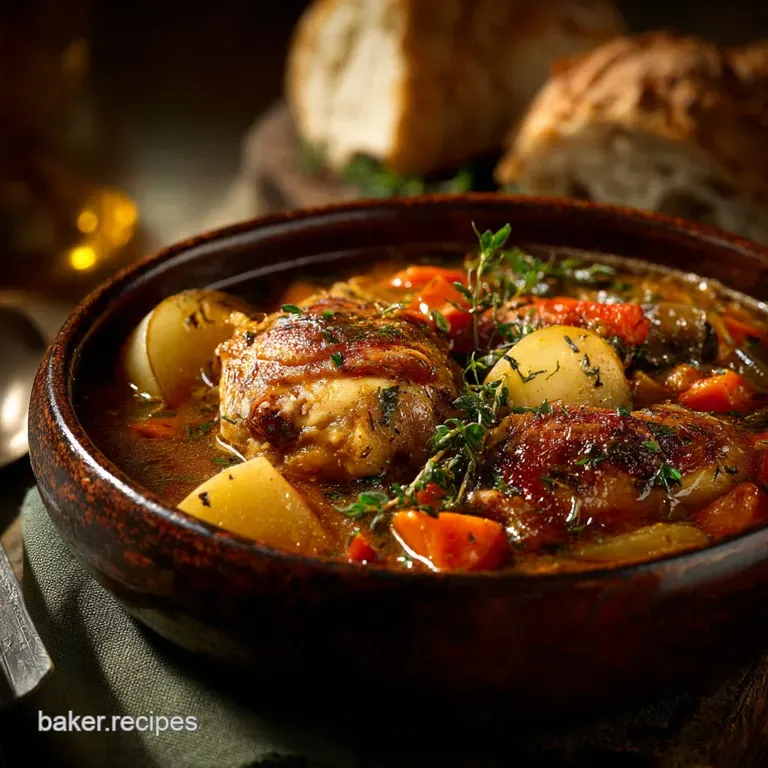
Phase I: The All-Important Searing Technique
Pat that meat dry with paper towels, it's essential! Use medium high heat and let the oil get shimmering hot before adding the pieces of chicken. Work in small batches to avoid crowding the pan, which just leads to grey, sad, steamed meat instead of beautiful browning.
Cook until you see that gorgeous dark crust, then remove the chicken and set it aside.
Phase II: Deglazing and Building the Liquid Base
After sautéing the aromatics until they are soft, sprinkle the flour over everything and stir it constantly for a full minute that ensures the starch flavor is cooked out. Then, pour in the wine (if using) and immediately scrape up all those delicious, sticky brown bits off the pot bottom.
This process, called deglazing, adds massive flavor complexity and is vital.
Phase III: Achieving the Signature Long Simmer
Once the stock and herbs are added, bring the liquid up to a bare simmer, not a violent, raging boil. Cover the pot, but leave the lid slightly ajar to allow some steam to escape. This encourages the sauce to slowly concentrate, creating that naturally thicker, richer sauce over the hour long cook time.
If you prefer a slow cooker [chicken stew slow cooker] version, transfer everything at this stage and cook on low for 6- 8 hours.
Phase IV: Consistency Check and Final Seasoning
Before serving, make sure to remove those woody herb stems and the bay leaf; nobody wants to bite into those! Taste the stew now, after the liquid has reduced and all the flavours have concentrated.
This is the precise moment when you add the final pinch of salt and pepper; you’ll be shocked how much this brightens the flavors beautifully.
Elevating Your Stew: Chef's Pro Tips and Troubleshooting
Avoiding a Thin or Watery Consistency
If you pull the lid off after simmering and it looks too thin, please don't panic. Simply remove the lid completely, increase the heat slightly to medium low, and let it bubble gently, uncovered, for 10 to 15 minutes. This reduces the overall liquid and thickens the sauce naturally.
You could also use the cornstarch slurry trick if you are truly in a rush!
Seasoning in Layers: When to Salt and Herb
Salt the chicken initially before searing and the vegetables while they sauté this builds flavor depth from the ground up. However, don’t dump all the salt in right at the start.
Save a final big pinch for the very end, right before resting, to ensure the final taste is vibrant and properly seasoned.
Why You Must Rest the Stew Before Serving
Chef's Note: Do not skip the 10 minute rest! Letting the stew sit, covered, off the heat allows the starches to properly settle and stops the sauce from separating or looking oily. It truly is the difference between a simply good stew and a truly amazing, cohesive one.
Making Stew Ahead: Storage, Freezing, and Reheating
Safe Refrigeration Guidelines
Store any leftover stew in an airtight container immediately after it has cooled down fully. Your delicious [chicken stew] will keep beautifully in the fridge for up to 4 days. If I am batch cooking a huge portion, sometimes I use my slow cooker it works fantastically for large groups, making it an easy [chicken stew crock pot] meal with almost zero fuss.
Freezing Stew Safely for Best Results
Yes, this recipe freezes absolutely wonderfully! Let the stew cool completely, then portion it into freezer safe containers or large Ziploc bags. Make sure to leave about half an inch of headspace for the liquid to expand during freezing. It will last in the deep freeze for up to three months without any issues.
The Best Way to Reheat Without Drying Out
Thaw any frozen stew overnight in the fridge if time allows; slow thawing preserves the texture best. Reheat gently on the stovetop over low heat, stirring occasionally, until it reaches a gentle simmer and is piping hot all the way through.
If the sauce looks too thick after thawing, just stir in a splash of extra stock or water to bring it back to that perfect, comforting consistency.
Complete the Meal: Perfect Pairings for Chicken Stew
A hearty, rustic stew absolutely demands a strong, starchy companion. Serve this steaming bowl alongside classic, buttery mashed potatoes or thick slices of crusty, rustic bread (sourdough works brilliantly) for soaking up every last drop of the rich sauce.
If you are craving a different kind of cozy casserole, something that offers a similar savory comfort but needs zero attention, consider making my Crock Pot Chicken and Stuffing Easy Slow Cooker Creamy Comfort for a future dinner it’s pure heaven. Or, for a light contrast, serve a simple side of quickly sautéed kale or steamed broccoli. This stew also pairs beautifully with soft, fluffy biscuits, or if you want to try the classic version, serve it as a [chicken stew with dumplings recipe] by placing drop dumplings right on top during the last 20 minutes of cooking. It reminds me of the creamy richness in my favorite Chicken Stuffing Casserole Recipe: Rich, Creamy Ready in 55 Mins .

Recipe FAQs
Why is my stew broth too thin or watery?
This issue often results from simmering the stew with the lid sealed too tightly, preventing necessary evaporation. To thicken the consistency, remove the lid during the last 30 minutes of cooking to allow some liquid reduction.
Alternatively, create a slurry by mixing equal parts flour or cornstarch with cold water, and stir it into the boiling stew until the desired thickness is achieved.
Can I use chicken breasts instead of bone-in thighs?
While you can substitute breasts, be aware that they have less fat and are prone to drying out if simmered for the full time. For best results, cut the breast meat into larger chunks and add them only during the final 45 to 60 minutes of the stew’s simmering time.
Thighs are generally recommended for stews as they stay moist and tender during the slow cooking process.
How do I maximize that deep, rustic flavor in my stew?
The secret lies in the initial searing process and deglazing. Ensure you properly brown the chicken in batches to develop a rich, savory crust before removing it from the pot. After cooking the aromatics, pour in a splash of wine or stock and vigorously scrape up all the browned bits (the fond) from the bottom, as this provides the deepest flavor base.
My root vegetables aren't softening, even after simmering for a long time. What happened?
Hard root vegetables sometimes fail to soften if a highly acidic ingredient is added too early in the cooking process. Acidic components, such as tomato paste or wine, can 'set' the pectin in the vegetables, making them resistant to softening.
Ensure the stew is simmering well before adding any major acidic ingredients, or simmer the roots in just stock for the first hour.
How should I store leftovers, and can I freeze this chicken stew?
The stew can be kept in an airtight container in the refrigerator for 3 to 4 days. This recipe freezes excellently; cool the stew completely before transferring it to freezer safe containers, and it will keep well for up to 3 months.
Note that root vegetables like potatoes may absorb more liquid and become slightly softer upon thawing.
Can I make this stew in a slow cooker or Crock Pot?
Yes, but you must complete the initial searing and aromatic steps on the stovetop first, as slow cookers cannot develop those deep caramelized flavors. Transfer the seared chicken, vegetables, and liquids to the slow cooker and cook on low for 6 8 hours or on high for 3 4 hours.
Check seasoning and consistency before serving.
Hearty Rustic Chicken Stew Recipe
Ingredients:
Instructions:
Nutrition Facts:
| Calories | 400 kcal |
|---|---|
| Protein | 26.0 g |
| Fat | 27.0 g |
| Carbs | 12.0 g |
