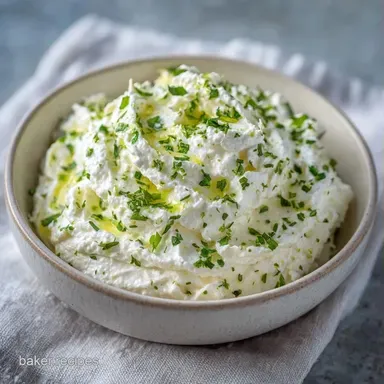
Herbed Goat Cheese Spread: Smooth and Savory
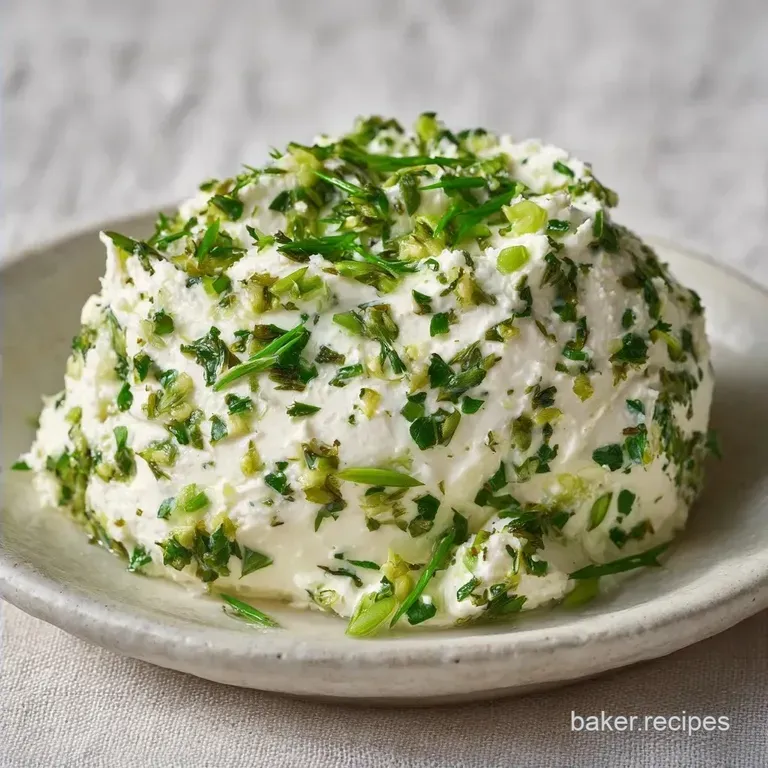
- Time: 10 min active + 30 min softening
- Flavor/Texture Hook: Tangy and smooth with a bright, grassy finish
- Perfect for: Quick party platters or a fancy sandwich upgrade
The smell of fresh chives and lemon zest hitting a bowl of creamy cheese is a total mood. I remember the first time I tried to make a cheese log for a get together, and I didn't let the cheese warm up.
I spent ten minutes fighting a cold, stubborn block of goat cheese, practically bruising the herbs in my effort to mix them in. It ended up lumpy and frustrated me.
Since then, I've learned that patience with the temperature is everything. When you let the cheese relax, it blends in seconds. You get a result that's effortless and tastes like you spent way more time on it than you actually did.
You can expect this Herbed Goat Cheese Spread to be bright, punchy, and rich. It's a simple assembly job that doesn't require a food processor or any heavy machinery. Just a bowl and a spatula, and you're set.
Making Easy Herbed Goat Cheese Spread
Room Temp Magic: Softening the cheese allows the fats to loosen, so the cream and oil incorporate without lumps. Acid Balance: The lemon zest cuts through the heavy fat of the goat cheese, preventing it from feeling too cloying on the palate.
| Feature | Quick Method | Classic Log |
|---|---|---|
| Preparation | Mixed in a bowl | Rolled and chilled |
| Texture | Spreadable/Soft | Firm/Sliceable |
| Time | 40 minutes | 2-4 hours |
| Best For | Crackers/Bread | Charcuterie boards |
The Core Components
| Ingredient | What It Does | Best Swap |
|---|---|---|
| Goat Cheese | Provides the tangy, creamy base | Feta (soaked in water) |
| Heavy Cream | Loosens the texture for spreading | Greek Yogurt |
| Lemon Zest | Adds a bright, citrusy note | Lime Zest |
| Fresh Herbs | Gives the earthy, green flavor | Dried herbs (use 1/3 amount) |
Recipe Specs
- 225g plain goat cheese Why this? Standard chèvre has the right tang.
- 30ml heavy cream Why this? Adds fat for a smoother mouthfeel.
- 5ml extra virgin olive oil Why this? Helps the spread shine.
- 1 tbsp fresh parsley, finely chopped Why this? Clean, peppery freshness.
- 1 tbsp fresh chives, finely chopped Why this? Mild onion flavor.
- 1 tsp fresh thyme leaves Why this? Earthy, floral notes.
- 1 clove garlic, minced Why this? Pungent depth.
- 1 tsp lemon zest Why this? High note acidity.
- 1/4 tsp salt Why this? Enhances all other flavors.
- 1/4 tsp black pepper Why this? Subtle heat.
| Original Ingredient | Substitute | Why It Works |
|---|---|---|
| Heavy Cream | Full fat Coconut Milk | Similar fat content. Note: Adds a slight coconut taste |
| Fresh Parsley | Fresh Cilantro | Similar leaf structure. Note: Changes flavor profile to be more citrusy |
| Goat Cheese | Cream Cheese | Much milder taste. Note: Loses the signature tang |
Essential Mixing Tools
You don't need a fancy kitchen to pull this off. A medium mixing bowl and a silicone spatula are your primary tools. The spatula is better than a spoon because it scrapes the sides effectively, ensuring no lumps of plain cheese remain.
If you're making a larger batch, a handheld mixer on low speed works, but be careful. Over mixing goat cheese can sometimes cause it to separate or become too soft.
Simple Mixing Steps
- Soften the goat cheese. Leave it on the counter for 30-60 minutes, or place the sealed log in warm water for 10 minutes until it yields to a light press.
- Transfer the softened cheese to a mixing bowl.
- Add the 30ml heavy cream and 5ml olive oil.
- Mash the mixture with a spatula until the texture is smooth and glossy.
- Stir in the minced garlic and lemon zest.
- Fold in the parsley, chives, and thyme. Note: Fold gently so you don't bruise the herbs.
- Season with 1/4 tsp salt and 1/4 tsp black pepper.
- Move the mix to a serving bowl.
- Shape it into a rustic log or swirl it with a spoon until it looks artfully messy.
Pro Tips and Pitfalls
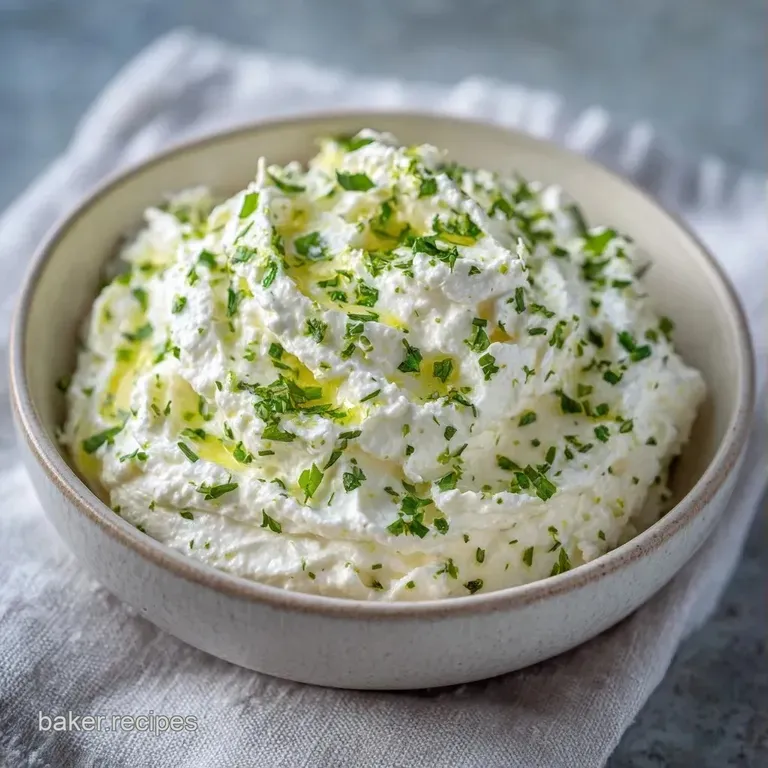
Chef's Note: For a punchier garlic taste, grate the garlic on a microplane instead of mincing. It releases more oils and blends into the cheese without leaving raw chunks.
Precision Checkpoints:
- Softening: Cheese should feel like room temperature butter.
- Texture: No visible white lumps of cheese should remain after adding cream.
- Herb Ratio: The spread should look like a pale green marble, not a solid green paste.
Too Much Tang
If the goat cheese is too sharp for your taste, add another tablespoon of heavy cream. The extra fat coats the tongue and mellows the acidity.
Herb Oxidation
Don't chop your herbs too far in advance. According to USDA FoodData, fresh herbs lose their volatile oils quickly once cut. Chop them right before folding them into the cheese.
Garlic Intensity
If you're serving this to a crowd with sensitive tastes, sauté the minced garlic in the olive oil for 30 seconds first. This removes the "bite" and makes the flavor sweeter.
Fixing Common Texture Issues
If your spread isn't behaving, it's usually a temperature or ratio problem. Most issues are solved by adding a tiny bit of fat or waiting a few minutes.
Troubleshooting Common Issues
| Issue | Solution |
|---|---|
| Why Your Spread is Lumpy | Lumps happen when the cheese is too cold. You can't force it to blend with a spatula if the fats are crystallized. |
| Why Your Spread is Runny | This usually happens if you use a very soft, "spreadable" store-bought goat cheese instead of a firm log, or if you add too much cream. |
| Why Your Spread is Grainy | Graininess is rare in goat cheese but can happen if the cheese was frozen and thawed. It's still safe to eat, but the texture won't be as smooth. |
Adjusting the Batch Size
When making a smaller batch (half), use a smaller bowl to prevent the ingredients from sticking to the sides. Reduce the garlic to half a clove, as a full clove can overwhelm a small amount of cheese.
For a double or triple batch, don't just triple the salt and pepper. Start with 1.5x the seasoning, taste it, and then add more. Liquids like heavy cream can be scaled 1:1, but the garlic's potency increases significantly in larger volumes.
Goat Cheese Myths
Searing or heating goat cheese "kills" the flavor. Not true. While the tang mellows, it becomes creamier and more buttery.
You must use a food processor for a smooth spread. As we've seen, a spatula and room temperature cheese do the job just as well without the risk of over mixing.
Storage and Leftovers
Keep this Herbed Goat Cheese Spread in an airtight container in the fridge for up to 5 days. It doesn't freeze well, as the emulsion of cream and cheese can break, leaving you with a grainy mess.
Don't throw away the stems of your parsley or chives. Toss them into a freezer bag with other veggie scraps to make a quick vegetable stock later. If you have a bit of spread left that's too firm for crackers, stir it into hot pasta for a quick, creamy sauce.
Serving Ideas
For a classic approach, serve this with toasted baguette slices or seed crackers. It also works as a base for a garden party veggie pizza if you want something more substantial.
If you want a sweet savory vibe, pair the spread with sliced pears, dried figs, or a drizzle of honey. The honey interacts with the thyme to create a flavor similar to what you'd find in a thyme cheese harmony tart.
Decision Shortcut:
- If you want a party platter, shape it into a log and roll it in crushed walnuts.
- If you want a quick lunch, use it as a spread for a turkey and cucumber sandwich.
- If you want a fancy appetizer, dollop it onto sliced cucumbers with a sprinkle of paprika.
Recipe FAQs
What herbs go best with goat cheese?
Fresh parsley, chives, and thyme. These specific herbs provide a bright, earthy balance that cuts through the richness of the cheese.
What should I serve with herbed goat cheese?
Crusty baguette slices or fresh vegetable crudités. It also pairs beautifully with a tomato caprese salad for a sophisticated appetizer platter.
Can I eat goat cheese when pregnant?
Yes, provided it is pasteurized. Most commercial goat cheese logs are pasteurized, but always verify the product label before consuming.
How to make herb cheese spread?
Mash softened goat cheese with heavy cream and olive oil. Stir in minced garlic, lemon zest, and fresh herbs, then season with salt and pepper.
Why is my goat cheese spread lumpy?
The cheese was too cold. When fats are crystallized, the cheese cannot blend smoothly with a spatula; let it sit at room temperature first.
How long does herbed goat cheese last in the fridge?
Up to 5 days. Store the spread in an airtight container to prevent it from drying out or absorbing other odors.
Is it true that I can freeze goat cheese spread for later?
No, this is a common misconception. Freezing breaks the emulsion of the cream and cheese, which leaves you with a grainy texture.
Herbed Goat Cheese Spread